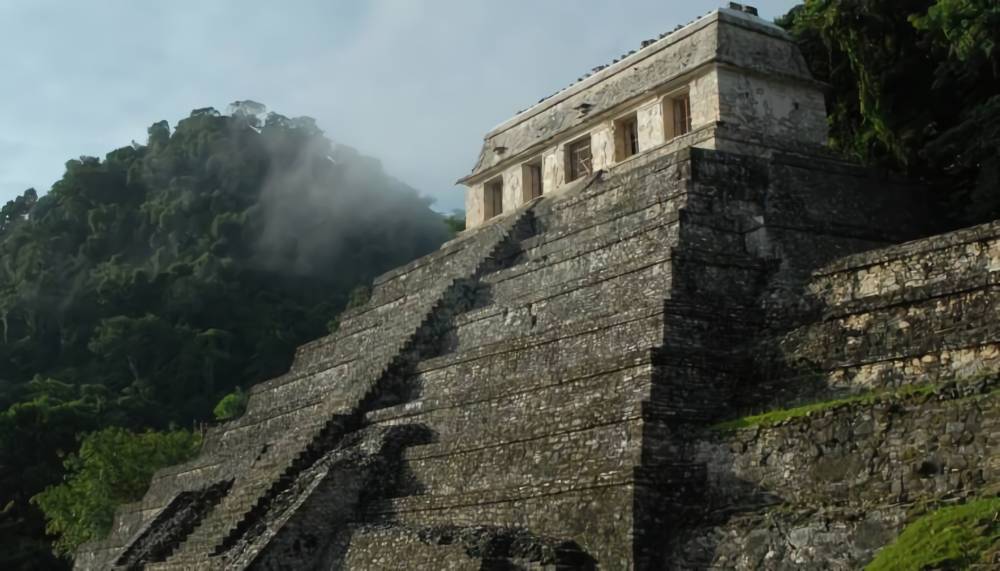
Why did the maya civilization disappear? In little over a few centuries, the Mayan culture had all but vanished. There is no agreed-upon explanation for the fall and disappearance of the Maya civilization. Although there are various plausible theories that explain the decline of Maya. Let’s have a look at them here.
There wasn’t any kind of pandemic, curse, or earthquake behind the end of the Maya civilization. American archaeologist Michael D. Coe calls the collapse of the Maya civilization “the deepest social and demographic catastrophe of all the history of the humanity.” And this decline did not happen suddenly. Today, historians and scientists believe that a confluence of several causes led to the abandonment of Mayan cities between the years 800 and 1000.
The soil depletion
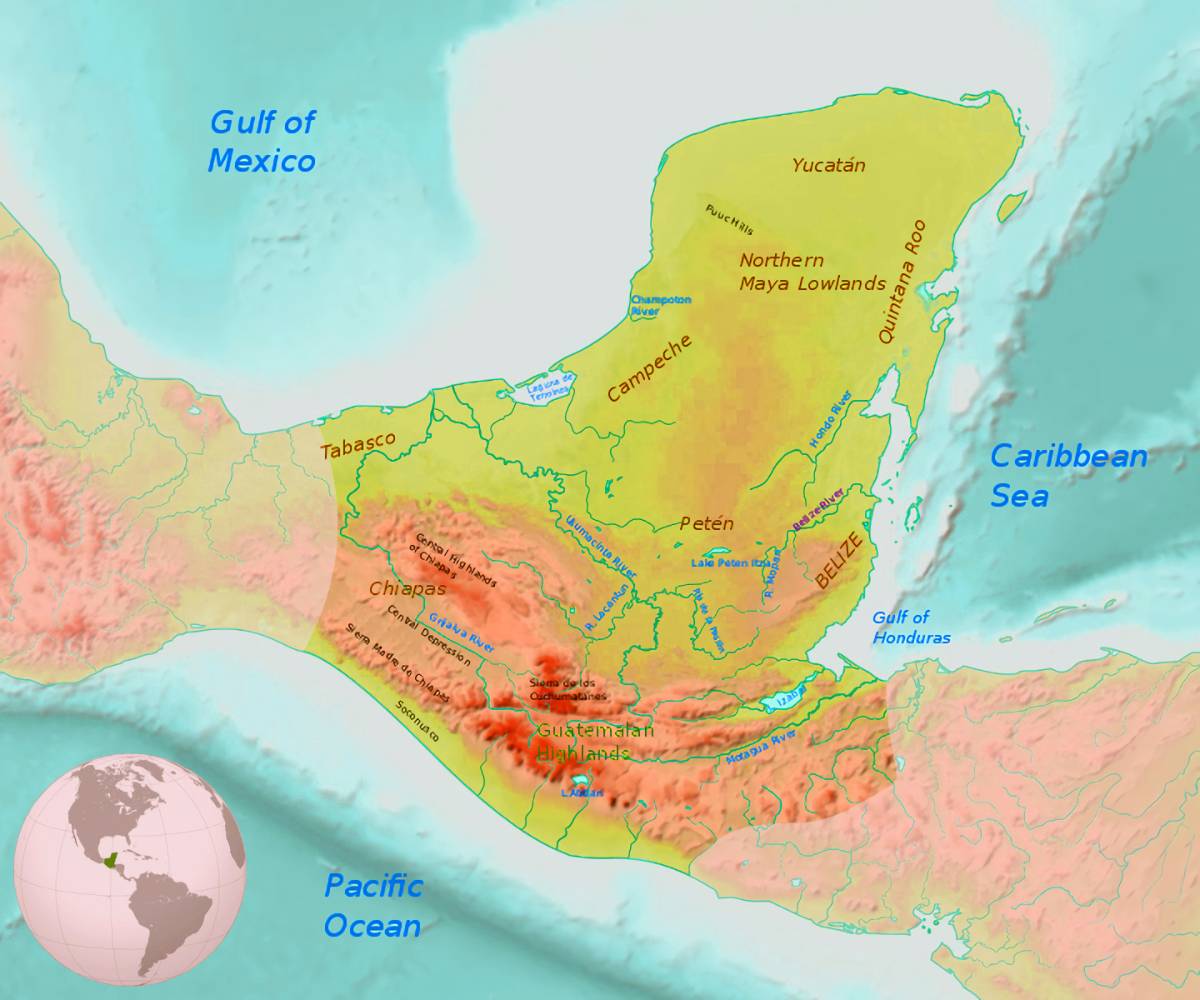
Chichén Itzá, Tonina, Calakmul, Caracol, Palenque, and many more besides! There are hundreds of city-states in Maya land, including a dozen that can support as many as 70,000 people apiece (such as Tikal). According to research by American climatologist Benjamin I. Cook, between 600 and 800 CE, the Mayan population reached a high of almost 10 million. Time when many flourishing settlements sprung up, including Yaxchilán, Bonampak, Piedras Negras, Copán, Ceibal, Xunantunich, and the Altar de los Sacrificios.
A strength at first glance, however, may rapidly become a vulnerability when you consider that these millions of people also represented millions of hungry stomachs. There was limited space for farming in their tropical and wooded environment. Due to the poor quality of the soil, milpa was employed: two to three years of cultivation followed by eight to ten years of fallow. As their numbers expanded, farmers no longer observed this period of rest and instead enhanced cultural exchange. At this time, the procedure was already in progress.
It required around 15 hectares and 50 days of labor to feed a household of 10 Maya people for a year. A catastrophic threat to Maya communities whose livelihoods depended on the land.
Because of this, Mayan farmers cleared forested areas that are tens of miles from their houses to expand their agricultural domains. An enormous loss of forest cover, which exacerbated problems like soil erosion and nutrient deficiencies as well as, in certain locations like the Petén, significant landslides, and, hence, productivity limitations. The Mayan people were forced to leave the cities because of the widespread malnutrition, starvation, and illnesses that resulted from it.
Climate change amplified by deforestation
Scientists have long known that stalagmites provide a powerful witness of the weather conditions of the past due to their unique composition. These limestone structures in the cave of Actun Tunichil Muknal were of interest to anthropologists, climate scientists, and archaeologists in 2012.
After a lengthy period of rainfall (about 450–660), the Maya area underwent spells of significant drought beginning in the 800s, as determined by analyzing its chemical composition, notably the concentration of mineral salts.

As a consequence, a dramatic reduction in yields occurred during the heat wave era due to the overexploitation of resources during the wet years, which was accompanied by a rise in population. An increase in the intensity of a natural occurrence brought on by deforestation. The switch from forest to maize decreased the quantity of moisture transmitted from the land to the sky, which lowered the level of precipitation.
Recent NASA computer calculations suggest that the loss of this forest resulted in a 3 to 5 degree Celsius temperature rise and a 20 to 30% decrease in precipitation. Unfortunately for these communities, corn—their primary food source—is very vulnerable to drought. To assure a harvest, they require at least an annual rainfall of roughly 24 inches or 600 millimeters.
Research shows that the critical 18-inch or 450-millimeter barrier for growing maize was seldom fulfilled between 760 and 910. This occurrence, when added to the soil’s depletion, was a fatal blow. The Maya peasants were unable to provide for themselves in the cities, so they migrated westward into what is now Mexico.
A dated political structure
“Theater-states.” This was the governmental structure that the main Mayan towns had, according to American archaeologist Arthur Demarest’s book “Ancient Maya.” This society did not have a king who controlled the government and the economy, but instead relied on a representative government. Kings with “charismatic and shamanic” personalities called K’uhul Ajaw (divine lords) were placed in charge of each city, with the responsibility of maintaining communication between humans and the supernatural. His power came from the ritualization of his deity. The decline of the Maya culture was hastened in part due to these wasteful practices.
The territory’s structure, with so many separate cities, encouraged rivalry. The king felt pressure to increase his displays of riches as a symbol of his superiority over his subjects. The growth of cities from the 700s to the 800s amplified this competition for status. The enormous expenditures eventually brought the city to collapse.
The population boom and polygamy among the elite, which expanded the number of princes eager to face each other for positions of power, also contributed to the instability. Disputes that became deadly were a desecrated kind of authority. When the K’uhul Ajaw started acting “too human,” people had a harder time believing in him. More so since the notables of the time were unable to alleviate the famine that afflicted the Mayan populace in the 800s.
The only thing Maya found to do to stop the drought was to engage in more gory rites, offering sacrifices to the gods of rain (Chac) and agriculture (Ahmakiq). The ingredients for collapse were met: a devastated society in which people feared for their safety every day. As a result, uprisings sprang out, and the Maya presumably fled to the north.
Civil conflicts within the Maya civilization
Stones from Maya temples, village castles, abandoned palaces, toppled thrones, and even damaged sculptures were used to construct hastily erected defensive walls. Not only do the ruins from the late classical era (about 900) stand in stark contrast to the typical Maya environment, but they also bear witness to a high degree of militarism and bloodshed.
The Mayan city-states often engaged in conflict and rivalry with one another. A method for kings to strengthen their rule and acquire human sacrifices for the gods. However, the instability seems to have been more pronounced after the year 900. Cities were drawn further and deeper into a hellish spiral as the frequency and severity of disputes rose.
A large portion of the population fled to exile as a result of the conflict, and governmental Maya authority began to weaken. The decline of Maya society paved the way for the conquest of the region by neighboring civilizations in Mesoamerica. Frescoes and pottery from the 9th century in places like Chichén Itzá, Tikal, and Ceibal witness the confluence of Mayan and Toltec patterns.
More centralized systems, like those of the Toltecs and Mixtecs, which the Aztecs would eventually adopt, gradually superseded the Maya “theater-states.” Even though the great cities were deserted, however, the Mayan culture has not been eradicated. About 6 million individuals in Central America can still communicate in Mayan languages.