By using this site, you agree to the Privacy Policy.
Accept
MalevuzMalevuz
  • HISTORY
  • SCIENCE
  • BIOGRAPHY
MalevuzMalevuz
Search
  • HISTORY
  • SCIENCE
  • BIOGRAPHY
Follow US
Malevuz > Science > Most useful clouds to predict the weather
Science

Most useful clouds to predict the weather

Hrothsige Frithowulf
ByHrothsige Frithowulf
History Editor
Hrothsige is a history writer at Malevus. He has a bachelor's in history from the University of Exeter. Hrothsige's areas of historical interest encompass the ancient...
- History Editor
2 November 2026
Share
4 Min Read
SHARE

Humans have been able to accurately forecast the weather by studying natural patterns for thousands of years. Clouds, in particular, may provide useful information about the near-term weather. Where do you think the day’s weather will stand? Take a look at the sky and make your own forecast. Listed below are five different classes of clouds, each with its own significance.

Contents
  • The formation of the clouds
  • Cumulus
  • Cumulonimbus
  • Cirrus
  • Stratus
  • Lenticular clouds

The formation of the clouds

The accuracy of weather predictions has risen dramatically in recent decades. However, mankind has been able to foretell the weather down to the hour by studying cloud patterns for thousands of years. Clouds, depending on their make-up, might be white, gray, thick, or thin.

The transformation of water vapor into a liquid state results in the formation of clouds. Clouds are formed when warm air that is already saturated with water cools, causing some of the water to condense into droplets. When air travels upward, it cools down because of the decrease in temperature.

Clouds are made up of tiny droplets of water or ice crystals suspended in the air. It’s clear that these particles are always in transit. According to scientists, a 1 km3 cumulus cloud may weigh up to 1,000,000 tons.

More Read

Why does the heart beat faster when we like someone?
Why nails scratching a blackboard is so unbearable
Einstein Refrigerator: Everything You Need to Know About It
The way migraine changes the brain

Cumulus

Hazy clouds are called cumulus clouds
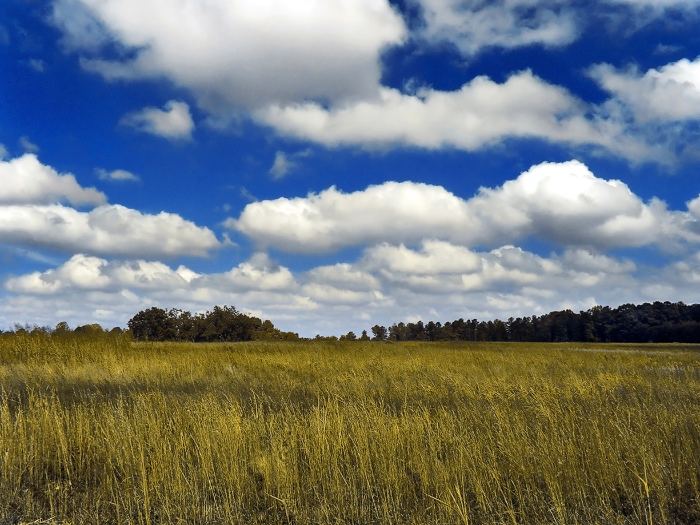
cumulus
Hazy clouds are called cumulus clouds. Image: GoldenMedows,, CC BY-SA 3.0

These clouds have the distinct appearance of cotton due to their smooth surfaces. Both of their flat bases are on the same horizontal plane. With the sun shining on them, they take on a dazzlingly white color. Not only do they not foretell an impending rain, but they are also not even somewhat interesting.

Scientists classify cumulus clouds into three categories:

  • Cumulus humilis, which is broad and short in height;
  • Cumulus mediocris, which has a moderate height but few protuberances;
  • Cumulus congestus, which is tall and bushy. This is the last phase of cumulus development preceding the formation of cumulonimbus.

Cumulonimbus

Thunderstorms can be brought on by the Cumulonimbus cloud

More Read

What effect does the time of day have on weight loss?
How can one learn to like an aversive taste?
First Aromatic Ring Made Solely of Metal Atoms
Fine-structure constant remeasured

It shouldn’t rain as long as the cumulus clouds stay tiny, but if they keep getting bigger and higher in the sky, that’s a terrible omen. Storm clouds that are capable of producing hail are called cumulonimbus.

Cirrus

High in the sky, cirrus clouds float about
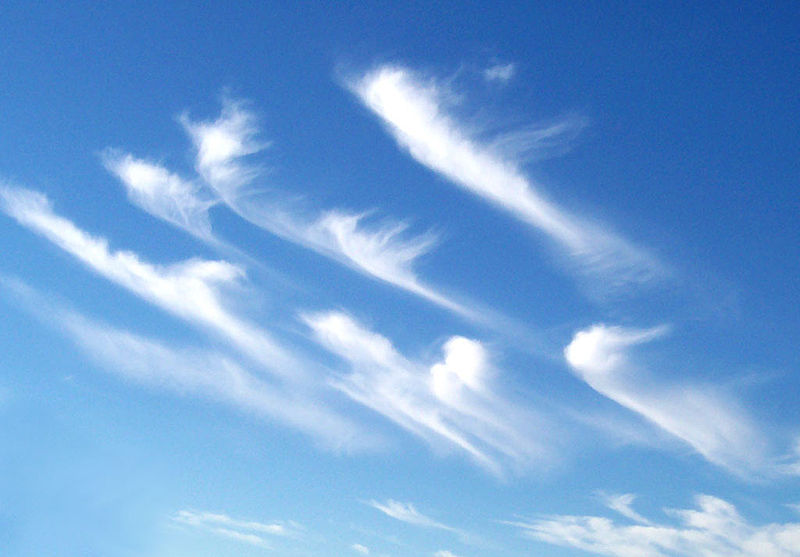
cirrus
High in the sky, cirrus clouds float about. Image: Cirrus clouds2, CC BY-SA 3.0

Very high in the atmosphere, between 3.5 and 7 miles (6 and 12 kilometers), cirrus forms as thin, white threads. The arrival of a warm front that might bring rain within 12 hours is signaled by cirrus clouds that get lower and thicker as time passes.

Stratus

These stratus clouds, like the Stratus nebulosus, are low and gray

Stratus
These stratus clouds, like the Stratus nebulosus, are low and gray.

Grey stratus clouds often hover fewer than 1650 feet (500 meters) above the earth. Hilltops and high-rises are readily hidden from view. Stratus clouds are a continuous blanket that might provide a little rain. If they make it to the ground, they’ll be like a dense fog.

Lenticular clouds

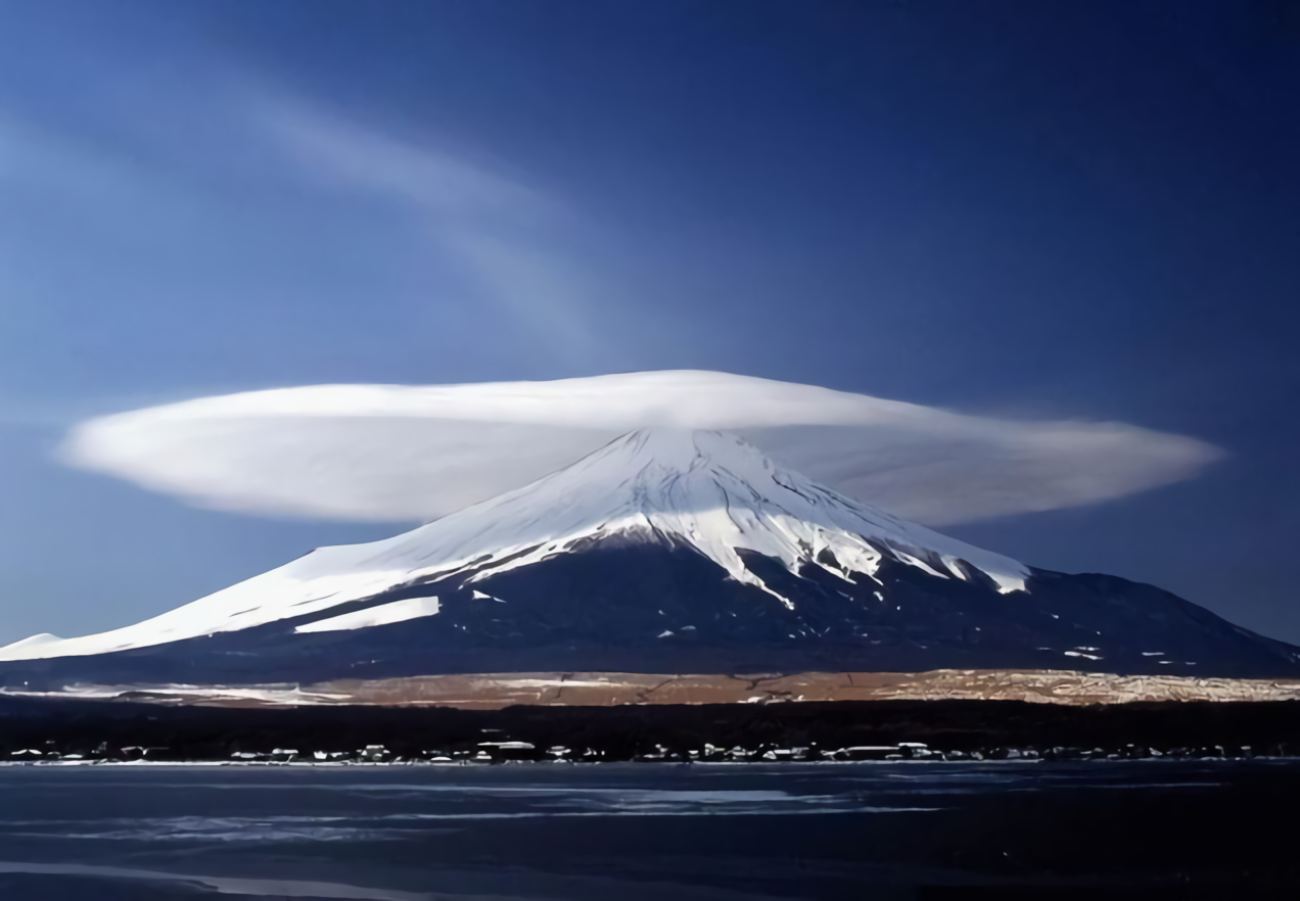
Lenticular clouds are often observed near peaks
best clouds to predict the weather
Lenticular clouds are often observed near peaks, such as here in Japan near the Mount Fuji.

A lenticular cloud’s shape has nothing to do with the weather’s trajectory. Their distinctive form recalls a lens or possibly a UFO. You may often see these clouds in the vicinity of mountain peaks. They owe their form to the presence of wind at high altitudes.


Share This Article
Email Copy Link Print
ByHrothsige Frithowulf
History Editor
Hrothsige is a history writer at Malevus. He has a bachelor's in history from the University of Exeter. Hrothsige's areas of historical interest encompass the ancient world and early Europe, along with the history of modern culture.
Previous Article Cloudless rain: How come it sometimes rains with clear sky and no clouds?
Next Article The most powerful muscle in the human body

Latest News

985px Landing of Lieutenant James Cook at Botany Bay 29 April 1770 painting by E Phillips Fox

Top 10: The Greatest Knights in History

Knights were the medieval equivalent of elite soldiers, and many…

List
3 November 2026
Charles Rolls driving a Peugeot 1896
List

10 of the Craziest Laws in History

For more than 4,000 years, humans have devised new laws…

18 October 2026
Ikinci Meksika Imparatorlugu
History

Why Did the Second Mexican Empire Collapse?

The Second Mexican Empire did not collapse because of a…

14 April 2026
A painting depicting Aboriginal Tasmanians attacking John Allen’s Milton Farm near Great Swanport in 1833.
History

Colonialism in Tasmania

The colonization of Tasmania was not a simple story of…

14 April 2026

You Might Also Like

Superionic ice conducting
Science

New phase of water discovered: Superionic

11 December 2025

Galileo Galilei’s pseudonym revealed: Alimberto Mauri

11 December 2025

Monumental Stone Age structures discovered in Arabia

11 December 2025
Fayalite 2 edited
Science

Anthropocene: A new chapter in Earth’s history

2 November 2026
  • Privacy Policy
  • About us
  • Editorial Standards

© Malevuz. All Rights Reserved.

Welcome Back!

Sign in to your account

Username or Email Address
Password

Lost your password?