Yubikiri (ゆびきり), or pinky swear, is a Japanese hand gesture that has been adopted by various cultures across the world. Yubikiri literally means “finger-cutting.” And it has been used to swear loyalty to one’s word since early modern Japan in the 16th century. Those taking part swear at one another while hooking their pinkies together. The swears that are repeated in unison to affirm each other’s promises include various threats. In Japanese culture, during the yubikiri the parties can say things like “Pinky swear, whoever lies will be made to swallow a thousand needles.“
The Origin of Yubikiri: Pinky Swear
The yubikiri and pinky swear have their origins in an ancient Japanese punishment for breaking a law or agreement, where the offender’s hand or finger would be severed. The pinky finger was often the first to be cut, as it would still allow the hand to function.
In modern times, people intertwine their pinky fingers during yubikiri or pinky swear to symbolize this act. This hand gesture makes it appear as though their pinky fingers have been severed. This is why the term “yubikiri” translates to “finger cutting” (指切り). Whoever breaches the pinky swear should have their finger severed as a result.
This tradition seems to be a relatively recent invention in other parts of the world. In the United States, the yubikiri gesture has been found in dictionaries as “pinky swear” since the 19th century. The term “pinky swear” was included as early as in the 1860 edition of John Russell Bartlett’s Dictionary of Americanisms:
Pinky, pinky bow-bell,
– John Russell Bartlett, Dictionary of Americanisms
Whoever tells a lie
Will sink down to the bad place
And never rise up again.

Once the fingers are hooked, the South Korean pinky swear is completed by bringing the thumbs together. After attaching their pinkies, they stamp each other in Taiwan. In Vietnam, yubikiri, or pinky promise, is performed with the index finger. A Thailand mascot is called “Nong Kiaw Koy,” which translates to “Little Sister Pinky Promise.”
The phrase “piggy promise” is special to Belfast, Northern Ireland. “Gurin giurello” is the Italian term for a yubikiri custom with identical roots. This act is called “Gatti fu” in the Marathi language of Maharashtra, India. In the Tokyo region, people say “Finger-cutting, biting, and whoever is lying are thrown into the cauldron of hell.“
History of Yubikiri
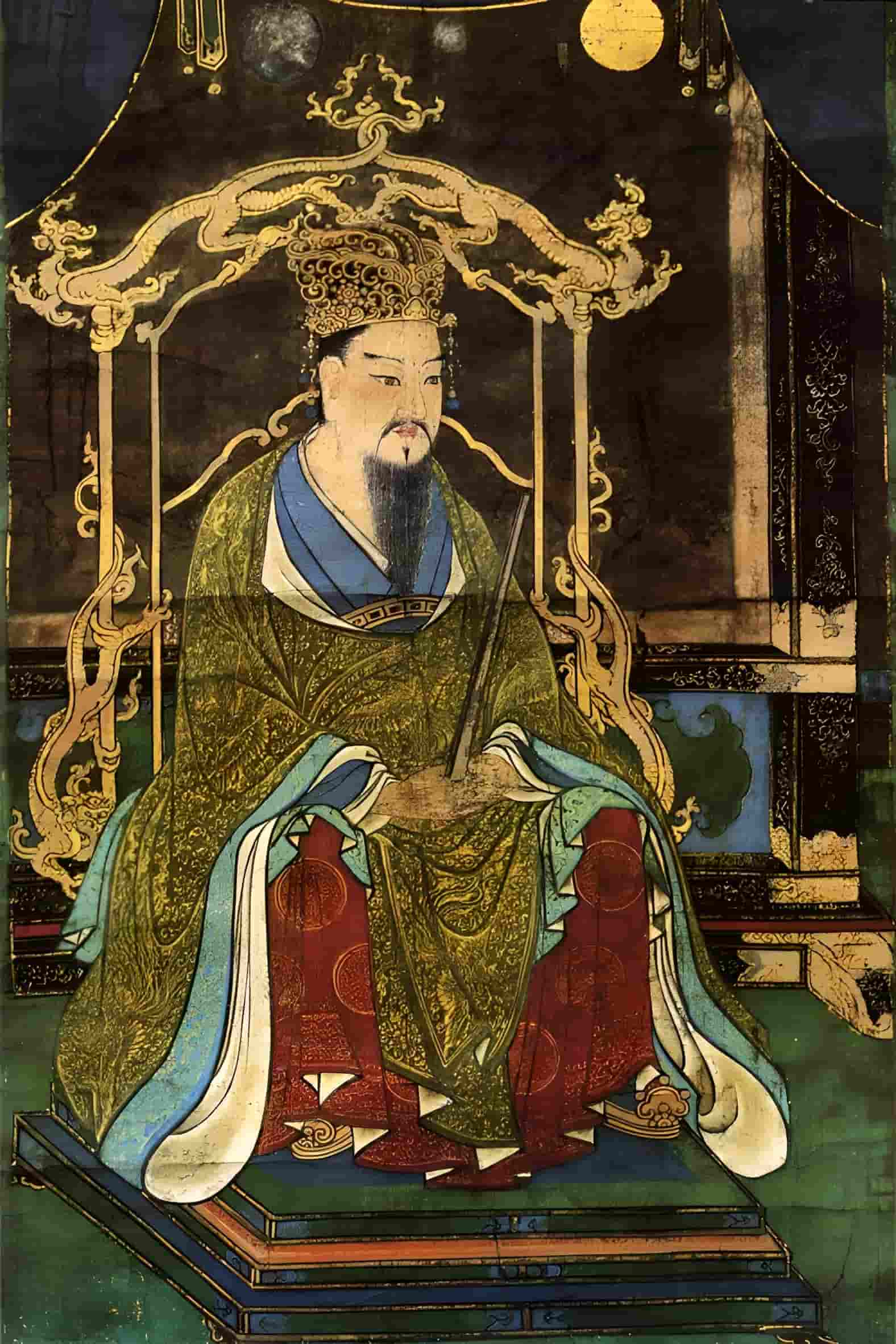
The penalty of amputation was first applied by the Office of the Prosecutor General in the Heian period (794–1185), and in the early Kamakura period (1185–1333), finger amputation was imposed on royal aristocrats who had taken part in “friendly fire.”
Thieves, offenders of the “Sennin decrees,” and Christians were all subject to finger amputation until the early Edo era (1603–1867). Although the practice of severing fingers was outlawed during the Edo era (1603–1867), it appears to have persisted in the form of yubitsume, or “finger shortening,” as a form of private practice.

In addition, the Ashikaga shogunate’s “Sennin decrees,” established on Eisho 9 or 1512, stipulate that those who violate the law should be punished with physical punishment, that “men should have their necks and women should have their fingers cut.” The Azuma Mirror (“Mirror of the East”) of the end of the 12th century in the Kamakura period describes that those who fought against each other (killing allies in internecine warfare) during the war were punished with finger cutting (yubikiri).
Yubikiri in Geishas
In the past, it was common practice for prostitutes to permanently mark their affection for a client by severing their pinky fingers (yubitsume) or hair or by tattooing the client’s name onto their arms. An account of this practice can be found in the play Seigetsu Soga of 1683: “I myself have been familiar with Juro-sama since the period of the Shinzo clan, and I have done the Yubikiri.“
Yubikiri in Yakuza
Similar to the finger cutting done by prostitutes during the Edo era, the Yakuza utilized a “finger shortening” punishment called yubitsume. It is still a relatively common discipline among the Yakuza. For Yakuzas, cutting off the little finger is to demonstrate the “proof of determination not to hide and return to the original state thereafter.” Though, Yakuzas have begun to hide their cut fingers recently.
Yubikiri in the Roman Empire
“Promissio” (“act of promising”) was a type of oral contract in Latin used among Romans and Germanians in the Roman Empire. The term was derived from the fact that the parties shook hands with their right hands extended to each other while raising claims and debts to conclude a contract. In the term, “pro” means “before” and “missio” means “put.” Over time, this tradition became the meaning of a contract.
In Japan, formalities were not as important in the conclusion of contracts as they were in their signing. But yubikiri was a rare example of this. And in ancient times, the fingers were called hands (“te”). That makes yubikiri mean “hand cutting” instead of “finger cutting.” And it is said that yubikiri gave rise to the word “contract” (“tekiri” or “chigiri”) with an accent today. The word “kiri 契り(hand cutting = tearing)” means pledge, vow, and promise today.
Yubikiri or Pinky Swear Today
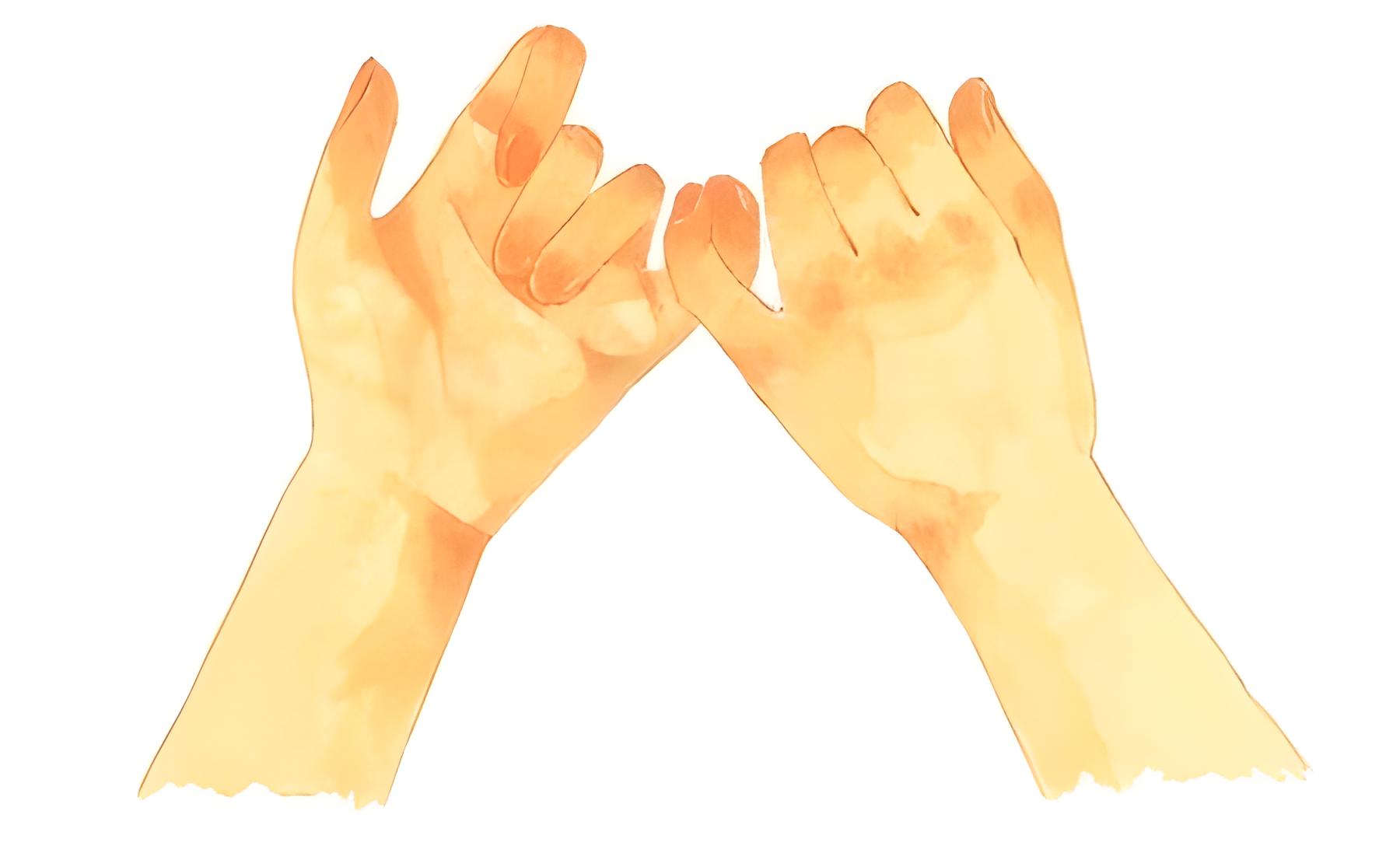
The act of making promises by yubikiri or pinky swear is still practiced among children today. As a sign of a vow to keep a promise, children combine their fingers by mainly bending their little fingers and hooking each other.
And children say and do many different things when making a vow. When pointing at a snake or lizard, they say the finger will rot if it is not cut. So, the index finger and thumb of both hands make a ring, and the other child “cuts” the ring with his or her index finger. Examples of this yubikiri are especially known in Tokyo, Fukushima, and Kanagawa prefectures. And it seems that it was actually followed over a wider region in the past.