- Fachan, from Scottish folklore, has a single eye, hand, and leg.
- His terrifying gaze paralyzes the bravest, striking fear in Scots.
- As a goblin companion, it is part of both Scottish and Celtic lore.
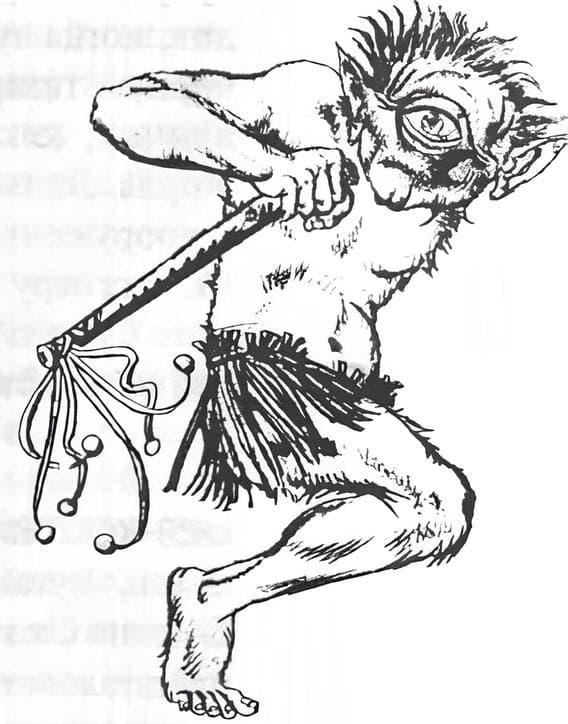
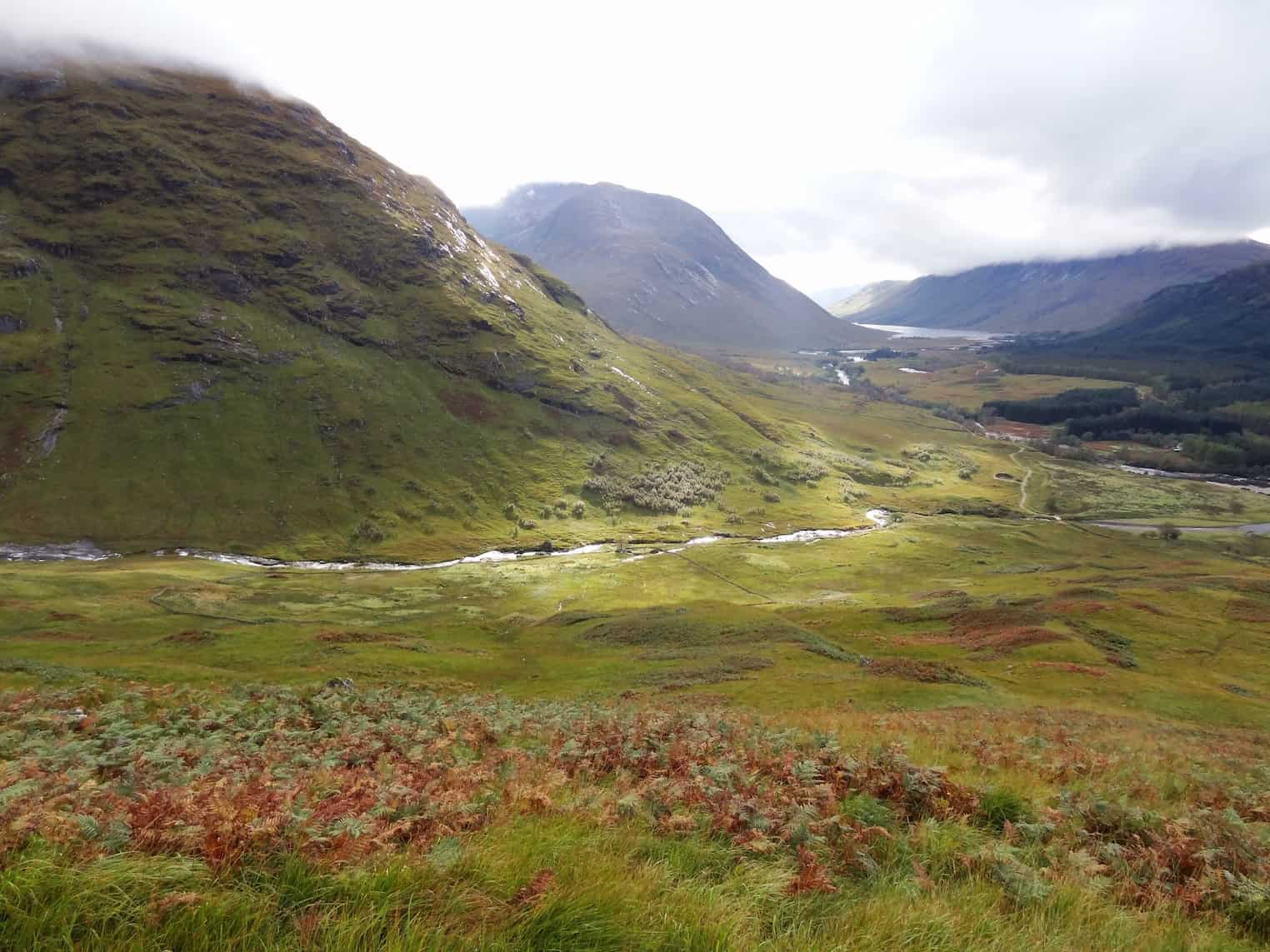
The fachan, also known as the fachen or the dwarf of Glen Etive (a glen in the Highlands of Scotland), is a terrifying creature from Scottish folklore. Fachan is just half a human being and has fangs protruding from its gaping maw and stringy hair that is impossible to bend. Its speed at hopping on one leg is believed to be astounding. This giant monster has one central eye, one central hairy hand, and one central veiny leg that emerges from the middle of the creature.
A Deadly Gaze
The sight of the dreadful fachan’s terrible gaze is enough to render even the bravest of the Scots and Celts helpless. In the tales, claims vary as to what just about fachan chills the people’s blood. What’s more menacing: the solitary, bulbous eye it uses to stare at its victim, the muscular arm that protrudes from the creature’s torso, or the fact that it is an agile creature with only one leg? All of these things, together with the brutality and hatred that seem to seep out of his body, must contribute.
The fachan’s slender hand clutched a heavy iron flail club. There were twenty chains in total, and each one contained fifty poisonous apples. An animal hides a girdle wrapped around his body. A tight, strong, dark blue cloak of twisted, hard, thick feathers was part of his suit. It has a bald head with long chin whiskers and wears a deer loincloth.
The fachan is also considered a companion of goblins and is sometimes regarded as a small creature akin to a dwarf. Conversely, it is also believed to be a descendant of the Fomorian tribe in Celtic mythology, appearing in a giant-like form. He didn’t look like a human being so much as a demon.
Legend has it that his terrifying appearance could cause death by heart attack just by seeing him. Among his demonic prerogatives, “he could destroy, during the night, tree by tree, an entire orchard with his mighty arm.” Similar to the Scottish term famhair, which also means “giant,” the Irish word fathach may have been shortened to become the Gaelic word fachan.
Bizarre Appearance
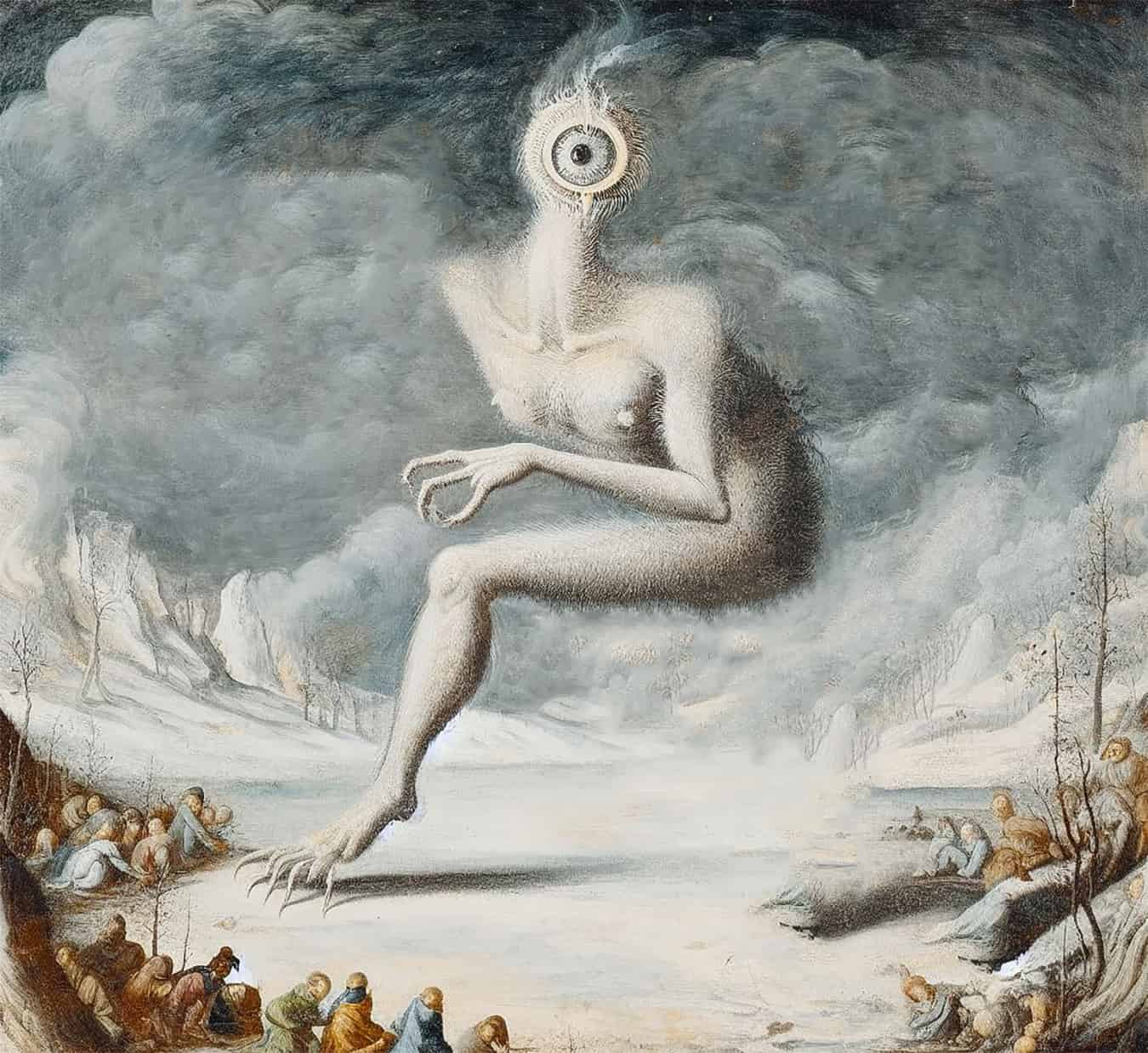
Despite the fachan’s bizarre appearance, which somewhat resembles a humanoid, the most horrific aspect of this creature is its mouth, which has two rows of sharp, pointed teeth and makes grunting and snapping noises. This gaping maw is reminiscent of a prison from a nightmare. This horrible beast is often gnashing its teeth or chewing the air, and according to Scottish folklore, it may seriously hurt anybody who comes too close to it.
When a fachan talks, it will only do so to curse whomever they come into contact with. In Scottish folklore, sages and naturalists alike have puzzled over how these savage animals keep reproducing in the face of their seeming lack of civilization. They have an unsettlingly barbaric aspect, as if they were constructed of nothing but pure wrath.
The average fachan is less than 5 feet 11 inches in height, and while being just half a human in size, it may weigh up to 165 pounds owing to its powerful build. Although the fachan isn’t allegedly a very large creature, the abomination’s intimidating manner and air of ferocity make it seem much bigger than it really is.
Similar Creatures and Possible Origin
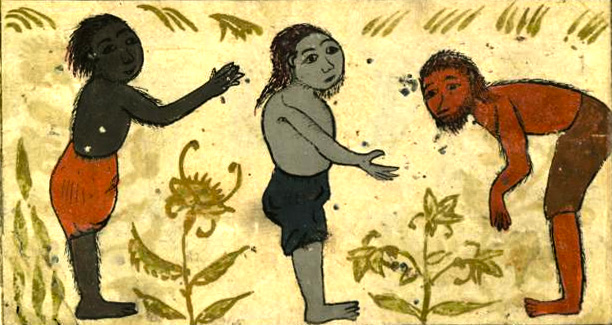
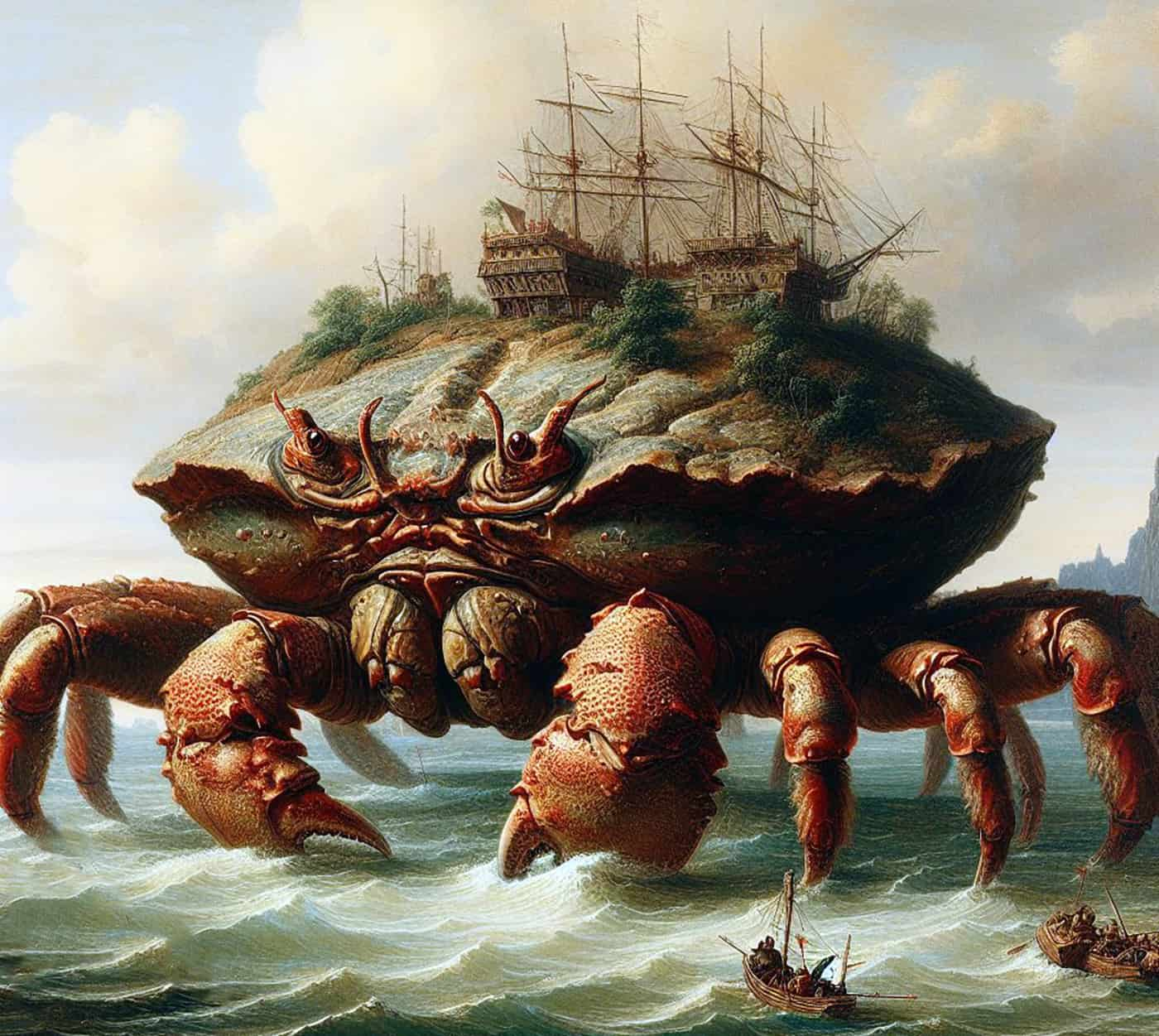
Probable inspiration for the fachan from creatures in Arabic folklore is the Nasnas or Shiqq (الشق) which is a jinn. They are depicted as being half-human and hopping about on one leg. This inspiration is reminiscent of the mythical zaratan crab in Middle Eastern mythology, which probably gave way to its European adaptations (“World Turtle”).
Fachan in Popular Culture
Popular Tales of the West Highlands: Scottish academic and writer who focused on Celtic topics, John Francis Campbell described the fachan in his book “Popular Tales of the West Highlands.” It features a fachan named Nesnas Mhiccallain who was defeated in a race by the hero of the story, Murchad mac Briain, who became king of Ireland:
“Ugly was the shape of the fachan; there was only one hand on the crest of his chest and the tuft on the top of his head; it was easier to take a mountain by the root than to bend that tuft.”
Monster in My Pocket: The Fachan is the #114 creature in Monster in My Pocket, and has the appearance of a feathered insect. It not only looks to have legs and arms, but also a tail.
Howl’s Moving Castle (film): In Studio Ghibli’s Howl’s Moving Castle (film), Howl transforms into a black-feathered creature resembling a fachan but with two arms and legs. He can also fly.