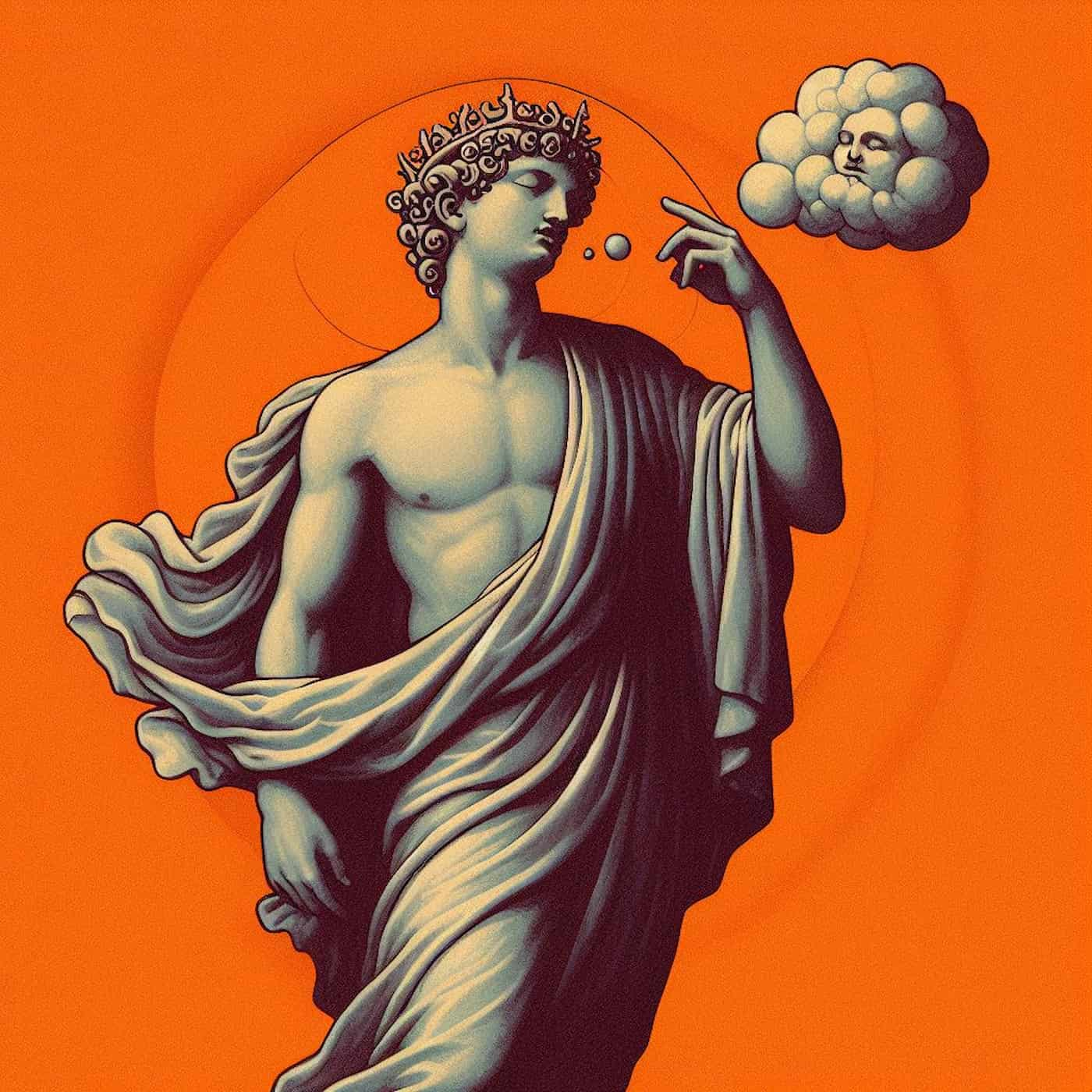
Deep beneath the crust of the Earth, tunneling effortlessly through solid mountain bedrock and subterranean rivers like a mole burrowing through soft garden soil, walks one of the most majestic creatures of Russian and East Slavic folklore: the Indrik-Beast (Indrik-Zver). Crowned with a massive horn upon its brow and revered in medieval spiritual songs as the “Father of All Animals,” the Indrik is far more than a simple Eastern European variation of the Western unicorn. In the Slavic folk imagination, this colossal, composite beast acts as the ecological engineer of the planet, purifying the world’s underground waters and commanding the loyalty of every bird and beast in creation.
The Dove Book (Golubinaya Kniga) and Byzantine Roots
The primary literary source for the legend of the Indrik is the Golubinaya Kniga—commonly translated as the Book of the Dove or the Deep Book—a collection of medieval Russian spiritual verses (dukhovnye stikhi) sung for centuries by blind wandering minstrels and pilgrims known as kaliki perekhozhie across rural Russia, Ukraine, and Belarus. Structured as a cosmic question-and-answer dialogue between wise kings such as King David and Prince Vladimir, the poem identifies the supreme monarch of every natural category: which city is the mother of all cities (Jerusalem), which mountain is the father of all mountains (Mount Tabor), and which animal is the father of all animals.
Without hesitation, the poem answers that the Indrik-Beast is the father of all beasts because he walks through the deepest foundations of the earth without harming a single living creature. Etymologically, philologists trace the Russian word Indrik back to the Old Church Slavonic term inorog (meaning “one-horned,” a literal translation of the Greek monokeros found in Byzantine Christian natural history texts like the Physiologus), merged with folk memories of the giant prehistoric woolly mammoth and woolly rhinoceros tusks and skulls that Russian peasants frequently saw eroding out of frozen Siberian riverbanks after spring floods.
Hybrid Anatomy and Subterranean Tunneling
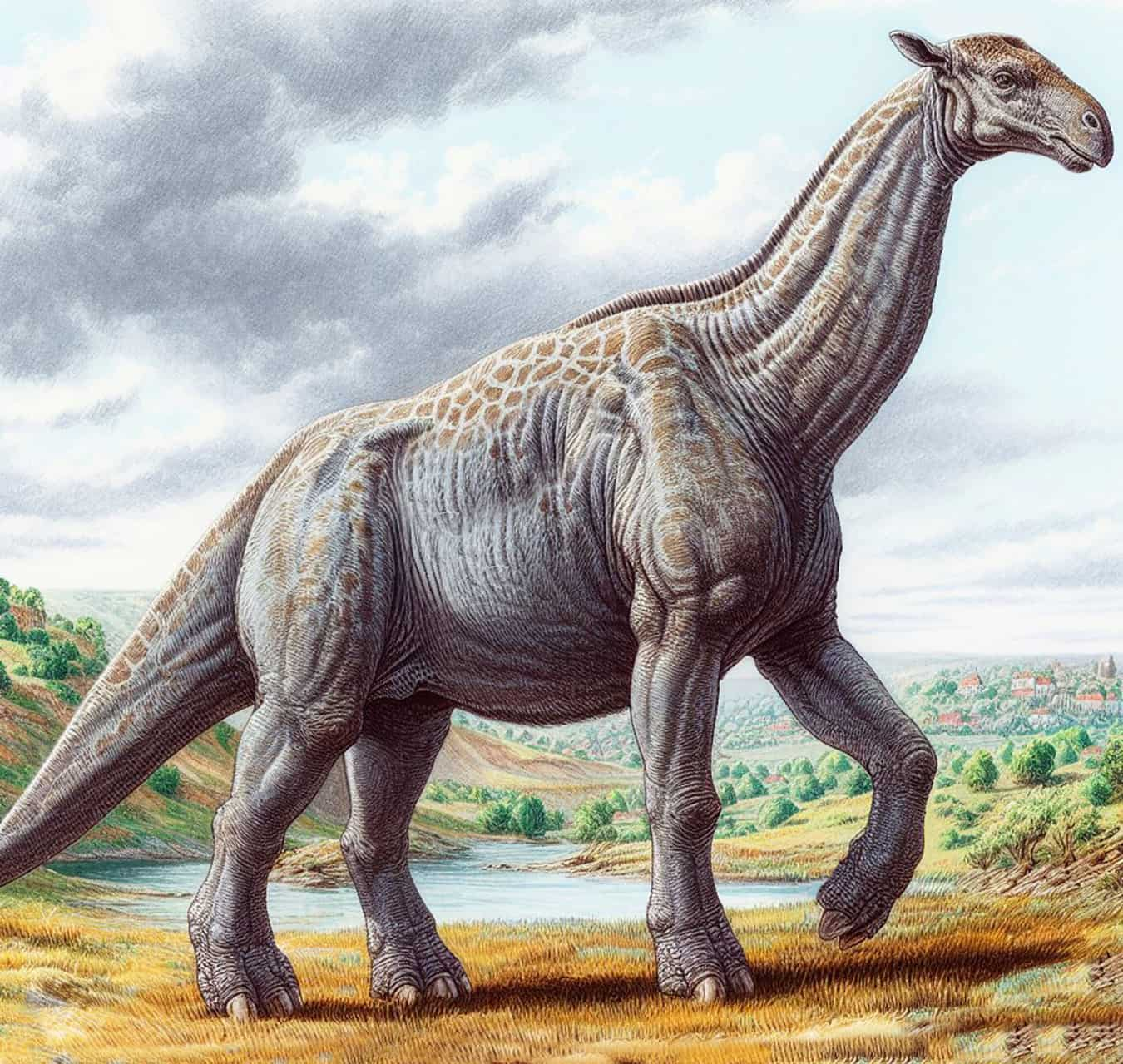
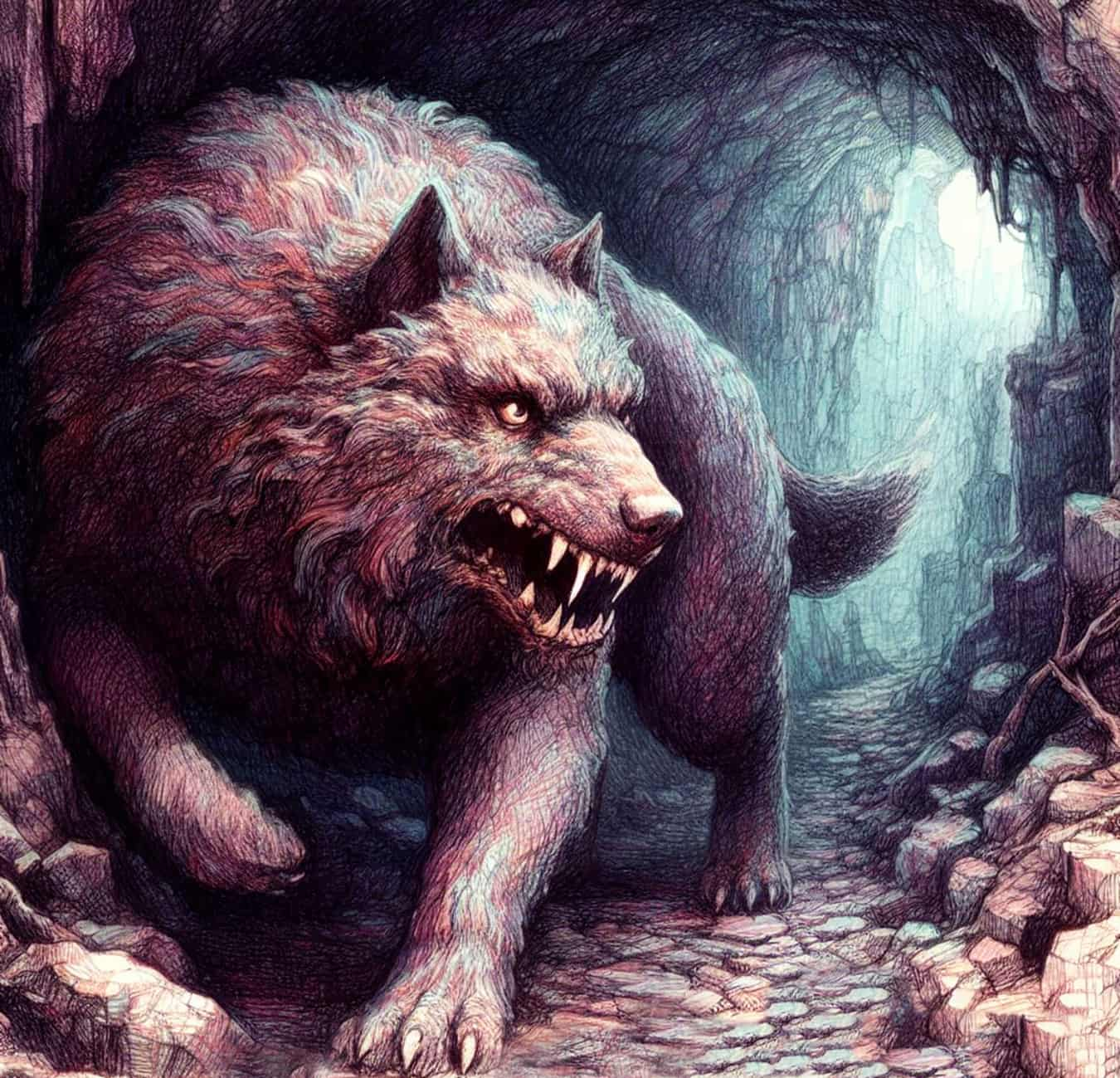
Unlike the slender, white goat-bearded unicorn of Western European tapestries, the Slavic Indrik was envisioned on a titanic, geological scale. Depending on the regional ballad variant, bards described the Indrik as a composite giant possessing the massive body and hooves of a warhorse or a bull, the head and antlers of a royal stag, and a single colossal horn rising straight from its snout or forehead that shone like crystal or white bone. In nineteenth-century Russian literary retellings, the creature was even described as walking on two legs like a mountain or gliding across lakes like a swan.
The Indrik’s true domain is not the sunlit forest, but the subterranean underworld beneath the Holy Mountain. According to the Book of the Dove, just as the golden sun illuminates the sky above without ever colliding with the stars, the Indrik-Beast walks continuously through the dark underground vaults of the earth. Using its immense horn like a giant plowshare, the Indrik carves open underground channels, clears away rock blockages, and releases trapped subterranean springs so that fresh, crystal-clear water can bubble up to feed the wells, lakes, and great rivers of the sunlit world above.
Purifying the Waters and Commanding the Animal Kingdom
Beyond digging the veins of the earth, the Indrik’s horn possesses the ancient mythic power of water purification. Drinking exclusively from the Blue Sea or the sacred subterranean rivers, whenever the Indrik dips its horn into a poisoned or stagnant pool, the water instantly becomes sweet, pure, and healing for humans and livestock alike. Conversely, Russian peasants believed that when the giant Indrik shifted its massive weight or rolled over on its side deep underground, the entire surface of the Earth trembled—providing a folkloric explanation for earthquakes.
Once a year—or when the Indrik emerges onto the surface of the Holy Mountain to walk beneath the moonlight—the creature blows a resonant blast through its horn. At that sound, every wild animal across the steppes and forests, from wolves and bears to lions and deer, pauses in its tracks, stops hunting prey, and bows its head in reverence before the Father of Beasts. So enduring was the majesty of this peaceful subterranean giant that in the twenty-first century, when Russian paleontologists sought a vernacular name for Paraceratherium (formerly Indricotherium)—the colossal, hornless Oligocene mammal that stood eighteen feet tall at the shoulder as the largest land mammal ever to walk the Earth—they named it directly after the legendary Indrik-Beast of Slavic song.