Long before modern horror cinema populated movie screens with flesh eating undead creatures, travelers crossing the vast, moonlit sand dunes and rocky plateaus of the pre Islamic Arabian Peninsula whispered warnings about a terrifying desert shapeshifter: the ghoul. Known in classical Arabic as the ghul, this predatory demon haunted ancient caravan tracks, desolate mountain passes, and freshly dug graveyards, luring solitary wanderers away from their companions before devouring them in the dark.
Etymological Roots and Pre-Islamic Desert Folklore
The English word ghoul derives directly from the Arabic noun ghul, which stems from the verbal root ghala, meaning to seize suddenly, ambush, or destroy unexpectedly. In the harsh environment of ancient Arabia, where losing sight of one’s camel caravan in a sandstorm or wandering toward a mirage meant certain death from thirst or predators, nomadic Bedouin storytellers personified the lethal dangers of the wilderness as the ghul, the most treacherous class of desert jinn or shayatin.
In pre Islamic oral poetry, the ghoul was often described as a female desert demon—frequently called the silat—possessing the ability to alter her physical appearance at will. When stalking travelers at night, the ghoul would light deceptive campfires on distant ridges to trick lost horsemen into thinking they had found a friendly encampment, or call out to a traveler using the familiar voice of their own brother or friend. Only one physical flaw betrayed the monster’s disguise: no matter how beautiful a human woman the ghoul transformed into, she could never conceal her cloven hooves, which remained permanently shaped like the hooves of a donkey or an ass.
Ta’abbata Sharran and the Poetry of Fighting Ghouls
Far from being untouchable ghosts, ghouls in early Arabic literature were physical creatures of flesh and bone that could be fought and killed by a warrior with sufficient nerve. The most famous account of such an encounter belongs to the sixth century pre Islamic brigand poet Thabit ibn Jabir, immortalized by his nickname Ta’abbata Sharran, which translates to “He Who Carried an Evil Under His Arm”—a name earned after he allegedly wrestled a desert demon in the dark and walked back into his village carrying it tucked beneath his armpit.
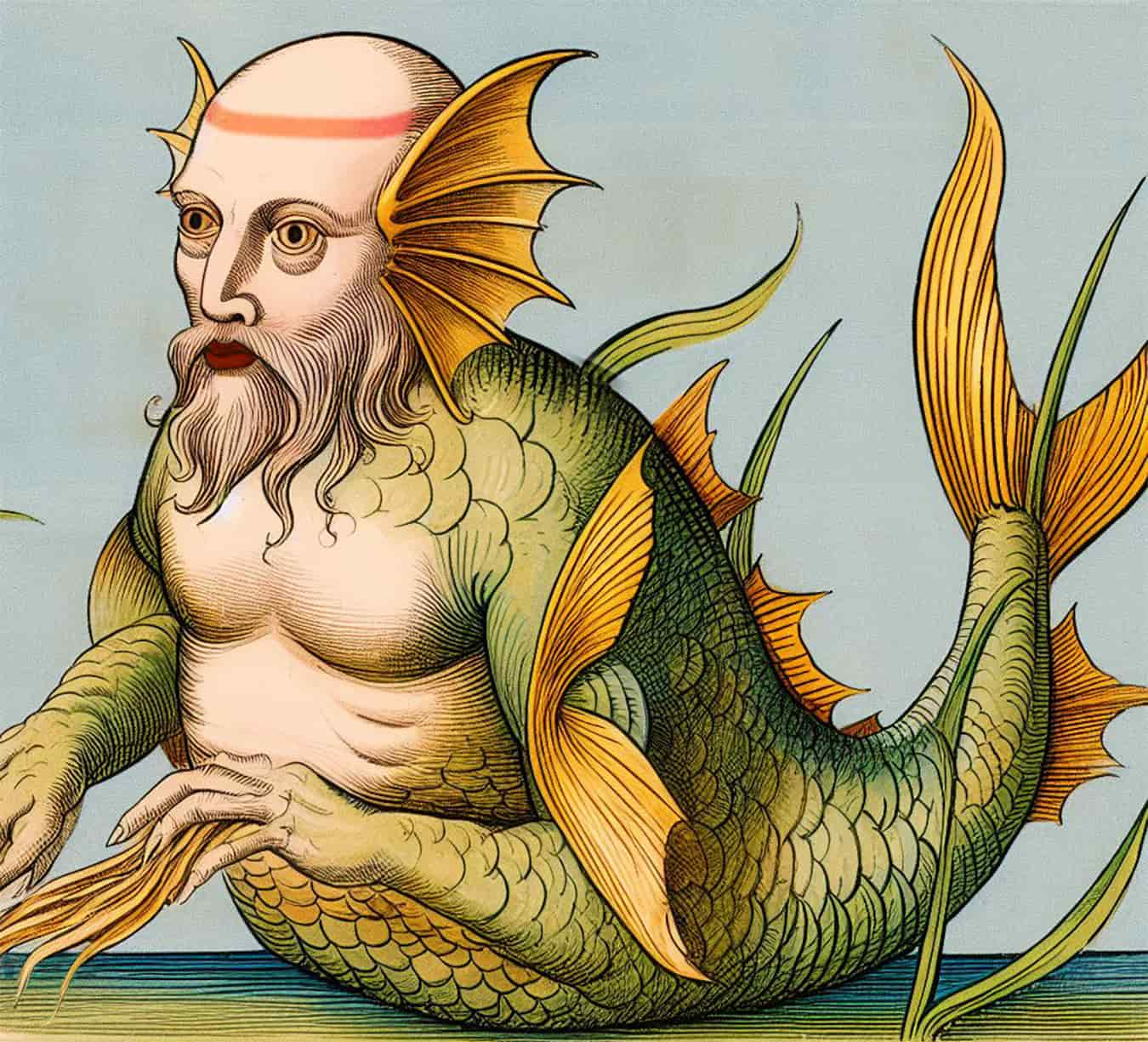
In one of his celebrated desert odes preserved in classical anthologies, Ta’abbata Sharran recounted spending pitch black night inside a desolate valley when a ghoul ambushed him in the darkness. Refusing to panic, he gripped his Yemeni sword and struck the creature down, waiting until the morning sun rose to examine its corpse: a monster with two glowing eyes set inside a hideous feline head, a split tongue, the legs of a deformed creature, and skin like the rough hide of a camel. According to Bedouin lore, a warrior fighting a ghoul had to obey one strict rule: you must kill the ghoul with a single decisive blow of the sword. If a fighter struck the monster a second time, the second blow would miraculously revive the ghoul and restore its full strength.
Grave Robbing in the Arabian Nights and European Adoption
As urban civilization expanded across Baghdad, Damascus, and Cairo during the Abbasid Caliphate between the eighth and thirteenth centuries, the habitat of the ghoul shifted in popular storytelling from the deep desert wilderness to the outskirts of cities—specifically to abandoned ruins and nocturnal cemeteries. In the famous tales of One Thousand and One Nights, most notably in The Story of Sidi Nouman and the voyages of Sinbad the Sailor, ghouls are depicted as nocturnal corpse eaters who dig up fresh graves under the cover of darkness to feast upon the dead when they cannot ambush living travelers.
The creature entered the Western imagination in 1704 when the French orientalist Antoine Galland published the first European translation of One Thousand and One Nights, introducing the French word goule. Eighty two years later, in 1786, the English novelist William Beckford cemented the spelling “ghoul” in the English language in his Gothic fantasy novel Vathek. From there, nineteenth and twentieth century writers—including Edgar Allan Poe in his poem The Bells and H.P. Lovecraft in stories like Pickman’s Model—transformed the Arabian desert shapeshifter into the subterranean cemetery dweller of modern dark fantasy.