What was Croesus’ background, and how did he come to power in Lydia?
Croesus was born into the Mermnad dynasty, which had ruled Lydia for several generations. He inherited the throne from his father, Alyattes, and went on to expand the Lydian empire through conquest and diplomacy. His reign was marked by economic prosperity and cultural exchange with neighboring regions.
What was the significance of Croesus’ wealth, and how did it contribute to his downfall?
Croesus was famous for his immense wealth, which he accumulated through trade and conquest. However, his riches also made him a target for other rulers, including Cyrus the Great of Persia. When Croesus went to war with the Persian Empire, he was defeated and captured, and his wealth was plundered. This led to the end of the Lydian empire and marked the beginning of Persian domination of the region.
How did Croesus’ reign influence the development of Greek culture and philosophy?
Croesus was known for his patronage of the arts and his support of intellectual inquiry. He welcomed philosophers, poets, and scholars to his court, and his reign is often seen as a golden age of intellectual and cultural exchange. Many Greek philosophers, including Herodotus and Xenophon, wrote about Croesus and his reign, and his legacy continues to inspire scholarship and artistic expression today.
What was the significance of the Battle of Pteria, and how did it shape the political landscape of the ancient world?
The Battle of Pteria was a key conflict between the Lydian and Persian empires, which took place in 547 BCE. It was fought near the border between the two empires, and resulted in a decisive victory for the Persians. This battle marked the end of the Lydian empire and the beginning of Persian domination of the region, which would shape the political and cultural landscape of the ancient world for centuries to come.
Croesus reigned as the last king of Lydia, an ancient nation located in Asia Minor, sometime between 560 and 546 BC. After a brief conflict with one of his half-brothers, he was able to take control of the majority of the Greek colonies that had been established along the coast. These victories gained him a great deal of loot, which led to his becoming infamously wealthy and giving rise to the well-known idiom “Rich as Croesus.”
- What was Croesus’ background, and how did he come to power in Lydia?
- What was the significance of Croesus’ wealth, and how did it contribute to his downfall?
- How did Croesus’ reign influence the development of Greek culture and philosophy?
- What was the significance of the Battle of Pteria, and how did it shape the political landscape of the ancient world?
- The Circumstances Surrounding Croesus’ Rule
- Croesus’ Wealth
- A Warning by Solon
- The Fall of Croesus
The tale states that the wise man from Athens, known as Solon, made a trip to the capital city of Lydia, known as Sardis. Croesus questioned him about whether or not a person who had such riches might not be thought of as the happiest of all mankind. The response from Solon was as follows: “Count no man happy until the end is known.” After a rule of around eleven years, Croesus was confronted with the devastating danger of the Persians and the downfall of his kingdom.
The Circumstances Surrounding Croesus’ Rule
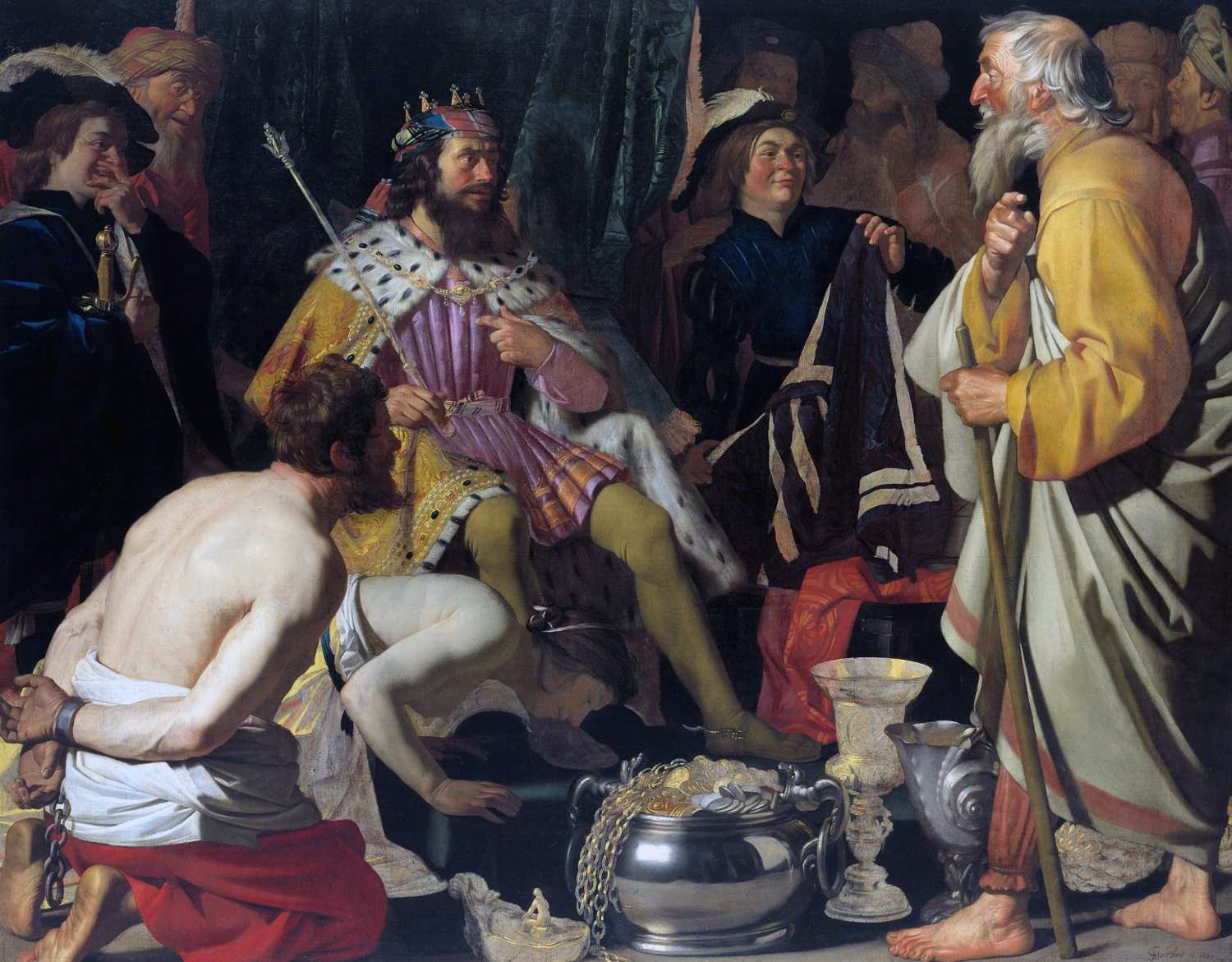
The Histories of Herodotus are the primary source for almost all of the information that we have about Croesus. This historian is a contemporary of the last conflicts of the Middle Ages (490–479 before our era). He is an essential witness to the struggle that arose between the Greeks and the Persian Empire of Xerxes, and he sets for himself the objective of tracing the origins of that conflict. He remembers the life of Croesus, the first king of Asia Minor, who strove to dominate the Greek people by using the tales and testimony he acquired throughout his journeys. These legends and testimonials were collected by him.
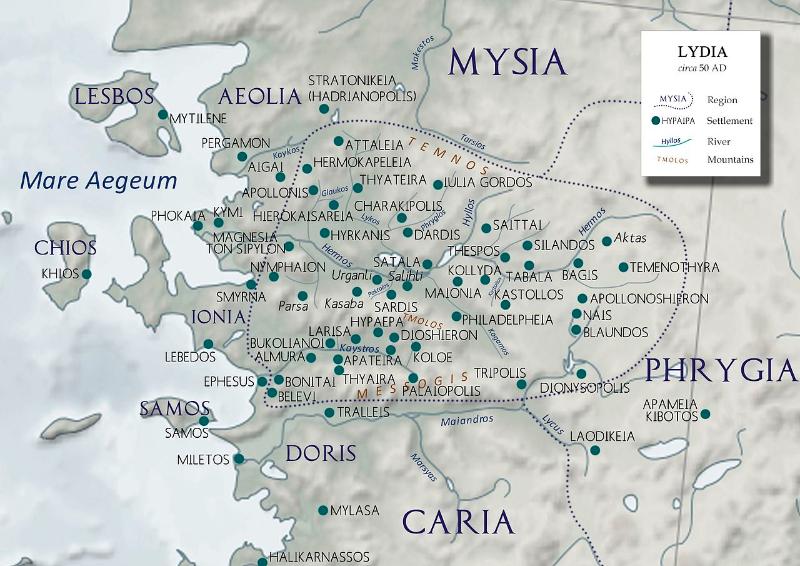
The “father of history,” Herodotus, suggests that the claim of the Persians to dominate Ionia, which includes the coast of southern Asia Minor (with cities such as Ephesus or Miletus) as well as the islands (Chios and Samos), was the cause of the battles that broke out throughout the Middle Ages. The kingdom of Croesus, which was situated in Lydia, a little farther north and inland, was next to this location. Lydia’s capital was called Sardis.

And King Croesus’ ultimate goal was to consolidate even more power in his hands. According to Herodotus, this makes him “the first of the barbarians who had dealings with the Greeks, forcing some of them to become his tributaries, and entering into alliance with others.”
Croesus’ Wealth
This declaration of reality is explained by the story of a myth. Croesus was the king of Lydia in the year 561 because it was his great-great-grandfather Gyges, who was the bodyguard of king Candaule, who killed his master and took authority by marrying the queen. Croesus is said to have inherited the throne through Gyges. The oracle of Delphi, however, predicted that the descendants of Candaule would have their payback in the fifth generation, and Croesus belonged to this generation. He did not appear to be concerned by the prophecy, but he was unable to ignore it.
His overbearing desire is matched only by his abilities, and he immediately begins a series of missions against the Greek towns of Ionia and Insula. These expeditions are met with immediate success. And in this way, he was able to successfully annex enormous territory to his state. The wealth that Croesus amassed came from several sources, including plundering, the selling of artifacts and people as slaves, tributes, and taxes.
The city that served as his capital, Sardis, rose to prominence during his rule. He constructed lavish palates there and made uncounted subsidies available to draw in a huge number of poets, thinkers, and painters.

The Lydians’ wealth seemed to have no limit, and Croesus established his rule over the whole Mediterranean basin in financial matters. In the ancient world, the ability to manipulate money was a particularly political privilege that demonstrated the independence of each state. On the other hand, Croesus’ financial situation was incomparably better than that of the other nations, to the point that his monetary standard was universally adopted. As a result, he earned the reputation of being a powerful person, particularly the wealthiest man of his time.
A Warning by Solon
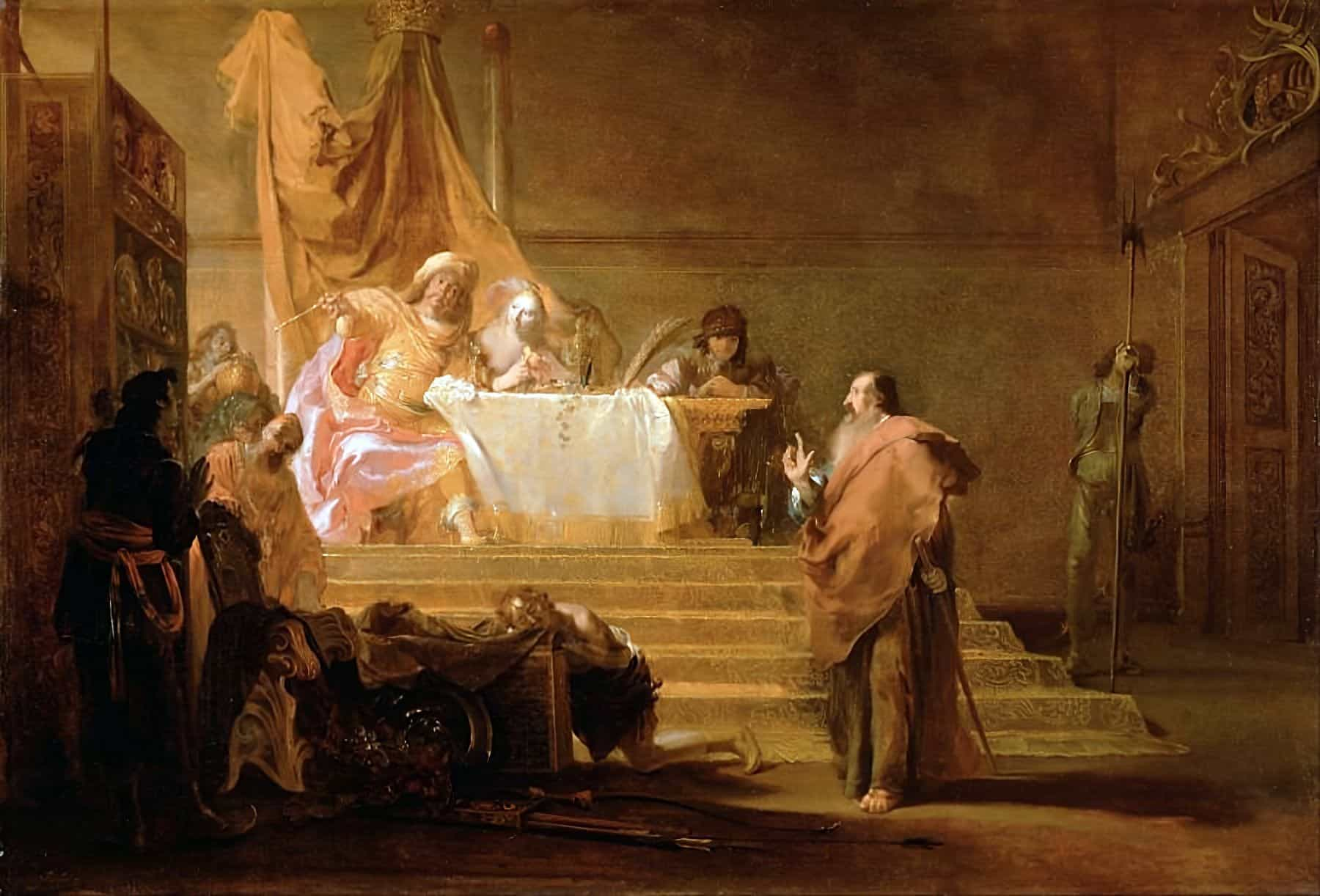
Is it possible that his unending wealth has caused him to lose his mind? Croesus believed that he was the best and happiest man alive, and he once said this about himself. But a warning was given to him when a figure who had been drawn to the splendors of the court emerged in Sardis. This character was the famed lawmaker Solon, who is believed to be the founding father of the democratic system in Athens. Croesus was not without naivety, as shown by the fact that he invited him to his palace and demonstrated his riches and jewels to him.
After traveling across all of Anatolia and into Egypt, Solon eventually arrived at the palace of Croesus in Sardis. After that, Croesus asked him, “You have lived long in the world, and have visited many countries. Tell me whom you consider being the happiest man living?”
The sage Athenian then provided the following response: “You are, I see, very rich, and you rule over many subjects; but I cannot answer you until I hear that your death was a good one. The rich man is by no means happier than the man who lives from day to day, if the favor of fate does not remain faithful enough for him to end his career in full prosperity. In all things we must consider the end, for too many men heaven has shown happiness, only to destroy them altogether.”
The Fall of Croesus
Following this series of events, it seems that fate dealt Croesus a challenging hand. He was forewarned in a dream that his son Atys, the leader of his forces, would die after being hit by an iron spear. Despite all of the measures that were taken, the prophecy was certainly carried out: Atys was slain as a result of an accident that occurred while he was hunting.
After that, Croesus was put in a position where he had to make an important choice. When confronted with the expansion of Cyrus’s Persian Empire, he waffled between the options of dialogue and open conflict. In the end, he traveled to Delphi to seek guidance from the legendary oracle there, but not before lavishing the sacred site with gifts beforehand.
These gifts included golden vases and cups, purple garments and tunics, silver jars and craters, and even 117 bricks made entirely of gold. Croesus was certain that the god Apollo would look favorably upon him as a result of this gesture of generosity. The oracle, on the other hand, was fraught with a great deal of obscurity since it predicted nothing more than the fall of a tremendous kingdom.
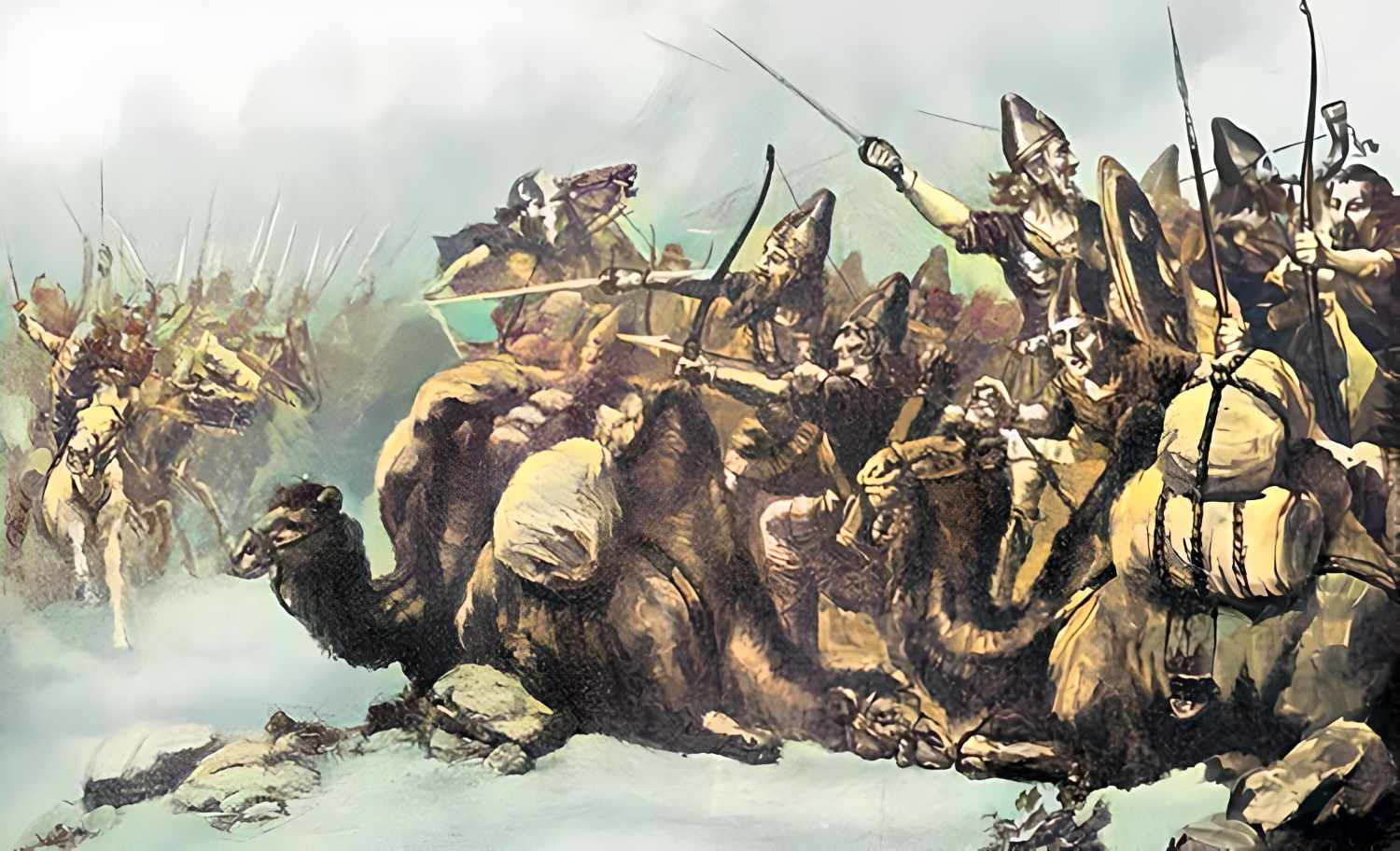
But which one was it? Croesus assumed immediately that it was the Persians’, and he launched an attack. However, he suffered a humiliating defeat at the hands of his enemy, the Persians. Not long after the initial battle in Thymbrara, the Persians unexpectedly invaded Sardes, and Croesus was taken prisoner. As he was about to be burned at the stake and saw his city being destroyed, he had time to think about what the wise man Solon had said about how fragile human life is.
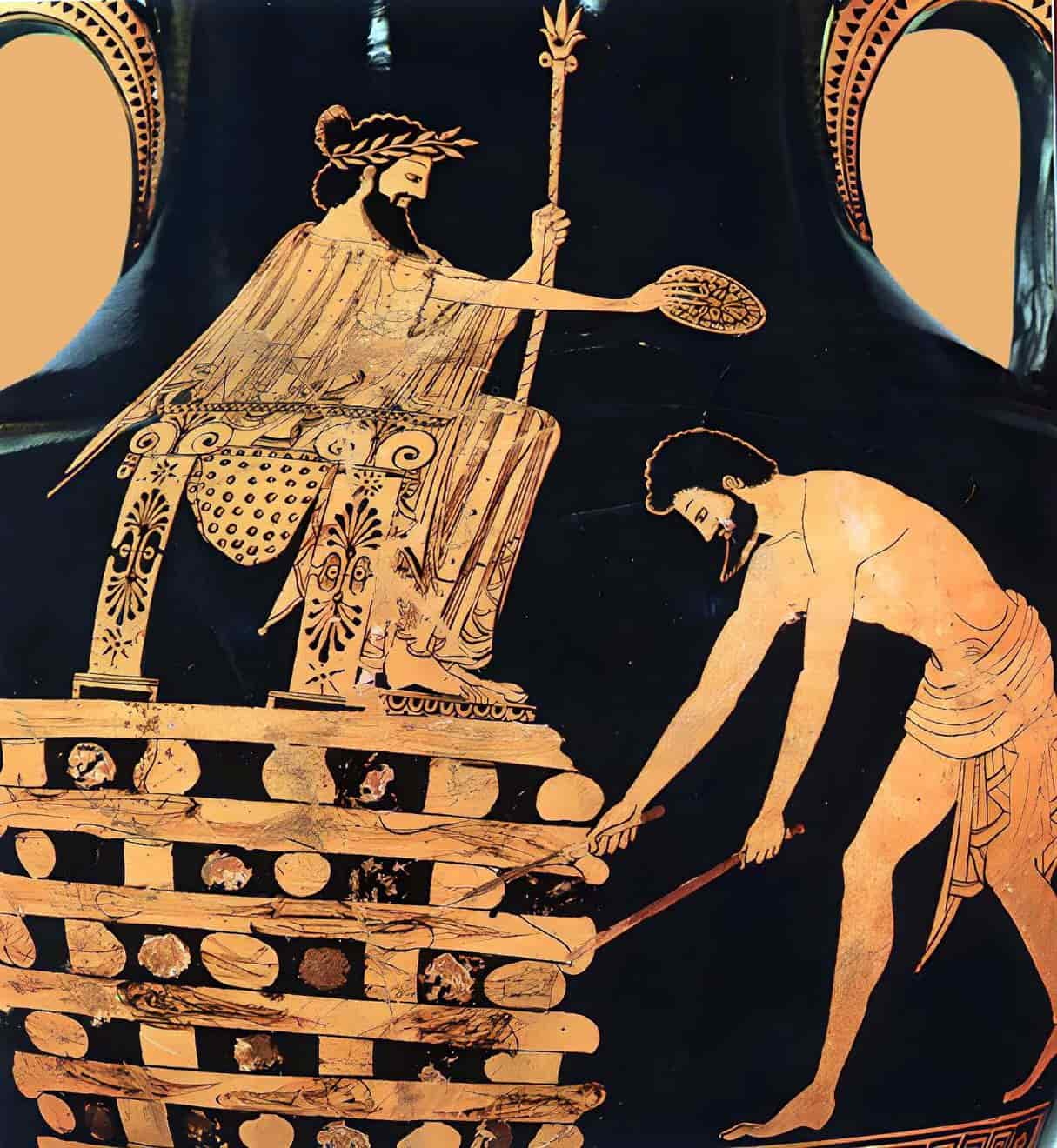
Cyrus, however, felt curious to witness Croesus repeating the name of Solon while the flames were growing towards him. As a result, he ordered the fire to be put out so that Croesus might explain the story. Cyrus felt compassion for him, first out of pity, and then out of friendship. He was worried by the tale, fearing that if he sacrificed his victim, eventually the same might happen to him. He most likely did not return the king’s throne to Croesus, but instead appointed him as an advisor. The abduction committed by the wealthiest man in the world’s great-great-grandfather nearly caused him to pay a terrible price.
References
- Jona Lendering, “Alyattes of Lydia”. (2003)
- James Allan Stewart Evans. “What Happened to Croesus?”. (1978)
- Robert W. Wallace “Redating Croesus: Herodotean Chronologies, and the Dates of the Earliest Coinages”. (2016)