On the 21st of December, 1935, Fiorello LaGuardia headed to the Bronx to see a massive vegetable market. The guy, flanked by twenty-five police officers, climbed atop a truck and made an announcement. He declared at the Bronx Terminal Market on December 26, 1935, that “the sale, display, and possession” of artichokes would be prohibited throughout the city. The prohibition was the last act in a war that will be remembered as the Artichoke Wars.
The Mediterranean is the birthplace of the artichoke, a thistle plant whose edible flower heads are about the size of a hand. Italy is responsible for producing the vast majority of the world’s artichokes. During a short period of time, numerous Italian immigrants came to the United States, and some of those people grew Cynara scolymus. By 1900, artichokes were doing good business, but they remained something of an outlier in the vegetable market.
On the East Coast, in places like New York and New Jersey, artichokes were particularly popular among Italian immigrants. But in California, about 2,500 miles (4,000 km) away on the West Coast, artichokes were grown because of the favorable climate. Half Moon Bay, a seaside village around 25 miles (40 km) south of San Francisco, was the epicenter of artichoke cultivation there.
The artichoke’s meteoric climb to dominance in the US
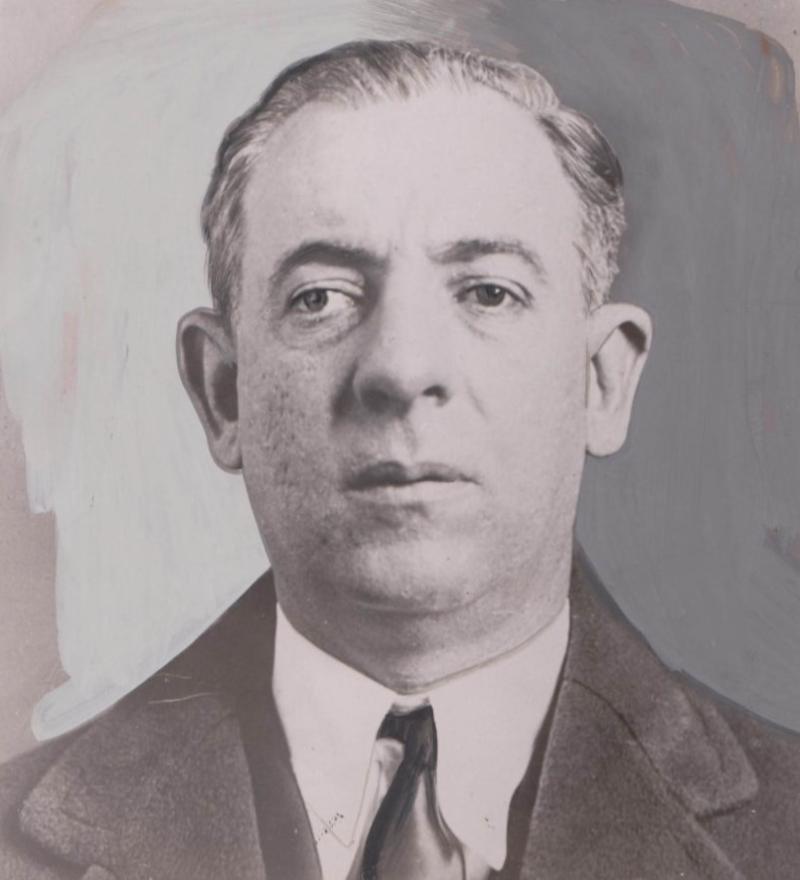
The Half Moon Bay Artichoke Association was formed by California artichoke producers in 1917 to coordinate distribution. Therefore, they controlled the vast majority of the American artichoke market, driving prices up. The margin of profit was astonishing. A single artichoke in New York City costs ten times as much as its five-cent ($1.15 for today) counterpart in San Francisco. Accordingly, artichokes were a lucrative commodity. Even the Mafia picked up on this. Particularly the guy who would become known as the “Artichoke King,” Ciro Terranova (1888–1938).
The Morello family, called the Genovese clan, was Terranova’s family. They, along with three other families, continued to control the American Cosa Nostra (American Mafia). Ciro Terranova saw the profit potential in the artichoke trade in the 1920s and at first attempted to monopolize sales in New York and throughout the East Coast by demanding protection money from produce merchants.
Soon he planned to dominate the whole East Coast artichoke market. So, he created businesses like the Union Pacific Produce Company to do that. In addition, Terranova threatened and pressured importers to provide his business only with artichokes. In a similar vein, he intimidated greengrocers on the East Coast into only purchasing his artichokes. Anyone who refused might expect to be beaten up or abducted.
The American artichoke wars
In the 1920s, the Artichoke King had a successful company. He was located on the East Coast and relied on supplies from the Half Moon Bay Artichoke Association’s growers in California, but the enormous earnings weren’t enough to satisfy him. So he sent his henchmen to California, where they were threatening farmers with crop destruction unless they sold Terranova their artichokes.
The actual artichoke war started in 1930. Contrary to Terranova and Union Pacific Produce Company’s expectations, not all California growers were willing to work with them. So the thugs of Terranova started hacking up fields with machetes and robbing artichoke shipments in transit, beating up the drivers. Reports at the time indicated that California artichoke growers were being attacked on a near-daily basis.
The roads leading to the artichoke fields were guarded by the sheriff of Half Moon Bay, but the crowd ultimately prevailed. The Half Moon Bay Artichoke Association capitulated in 1935 and surrendered all their artichokes to Terranova, who had by then cornered the market.
The prohibition was designed to put a stop to the fighting
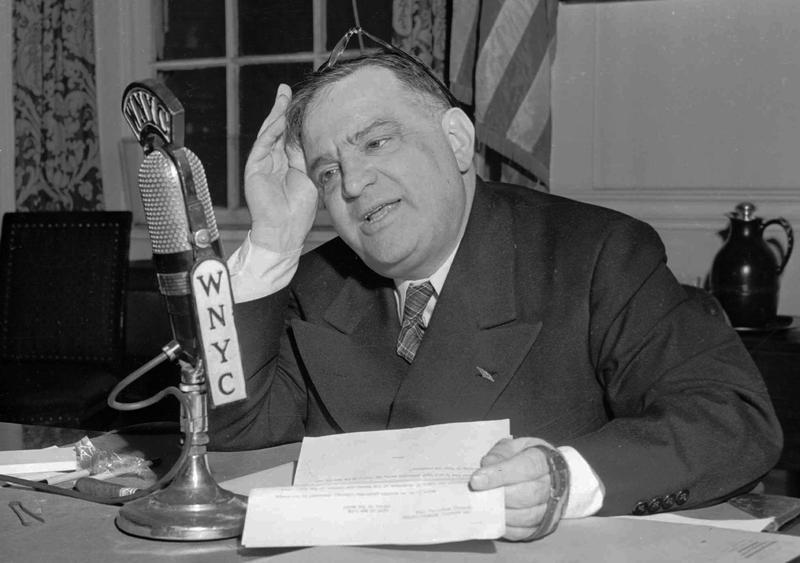
Then, in 1934, Fiorello LaGuardia (1882–1947), the mayor of New York City, entered the scene and made it his goal to combat organized artichoke crime in the city. And he was adept at putting himself center stage. On December 21, 1935, he famously declared a ban on artichokes from the back of a truck at New York City’s vegetable market. Two police officers accompanied him and played trumpets to make a big deal out of his address.
By issuing the prohibition, LaGuardia sent a message to the Mafia and put a stop to Terranova’s profitable artichoke business. District Attorney Thomas Dewey concurrently arrested and indicted a number of Terranova’s underlings. LaGuardia, in his role as New York’s special prosecutor with Dewey, attempted to cut off the Mafia’s financial support. Which was successful in the artichoke industry. The Union Pacific Produce Company also lost an antitrust case.
The mafia was generating $333,000 a year ($6.25 million for today) from artichokes.
However, LaGuardia’s successes against organized crime were not limited to the artichoke industry. It was a signal to the public and earned him a lot of respect, but it had little lasting effect on the mafia’s power structures.
After just three days, LaGuardia was able to have the prohibition removed once more. He offered the shopkeepers safety and the assurance that they could now freely purchase their vegetables. With Terranova and the Morello family probably feeling disempowered, they made no move to reclaim control of artichoke sales, and the artichoke war came to an end. The artichoke trafficking ring ran into trouble and eventually failed.
Simultaneously, the vegetable’s demand skyrocketed in New York. Its once-dominant status among Italian-speaking communities has suddenly shifted. This is because, at this time, practically everyone in New York City was aware of artichokes and eager to try them. Recipes and cooking advice flooded the newspapers. The mayor, whose go-to dish was artichokes with Hollandaise sauce, contributed to the cookbook.