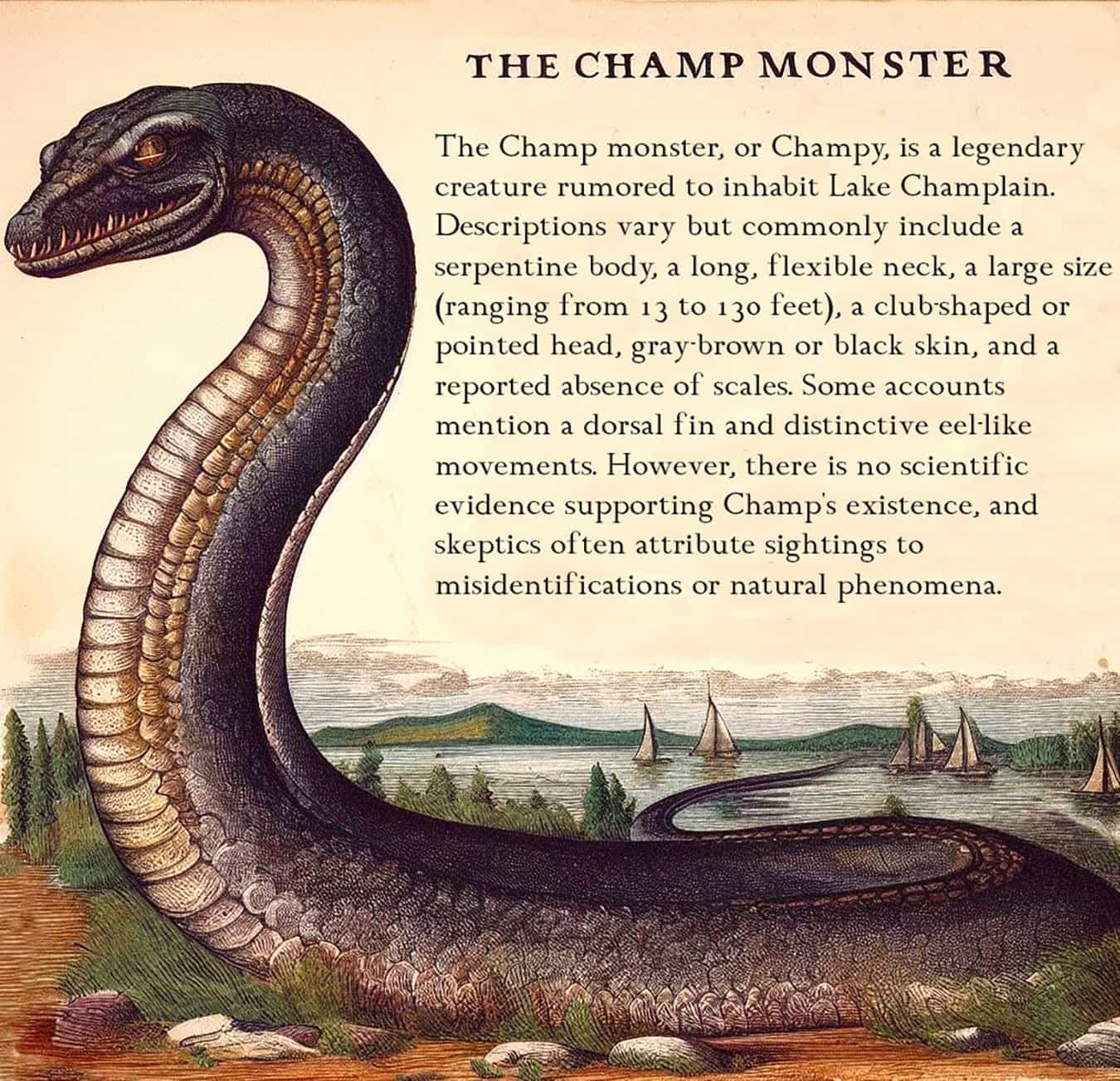
In the maritime imagination of ancient Greece and Rome, the deep blue waters beyond the sight of land were the domain of the Ketos—latinized as Cetus—a colossal, terrifying sea monster dispatched by the gods to punish royal hubris and devastate coastal kingdoms. Depicted on hundreds of ancient vase paintings, mosaics, and marble sarcophagi, the Cetus was neither a simple whale nor an ordinary fish; it was a hybrid leviathan whose mythological confrontations with the heroes Perseus and Heracles earned it a permanent place among the stars as the fourth largest constellation in the night sky.
Anatomy of the Ketos in Ancient Art and Natural History
In the everyday Greek language of Homer and Aristotle, the word ketos (plural ketea) was used broadly to describe any enormous marine animal, including great baleen whales, sperm whales, giant sharks, and massive Mediterranean monk seals—giving rise to the modern biological order name Cetacea for whales, dolphins, and porpoises. When sailors spotted fifty-foot whale carcasses washing ashore or saw spouts rising on the horizon, storytellers fused those real marine giants with nightmare predators.
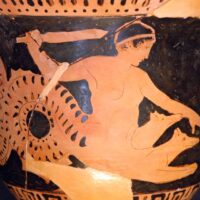
In Greek and Roman visual art, the mythological Cetus had a specific, unmistakable hybrid anatomy:
- The Head and Jaws: A long, flat, canine or boar-like snout lined with rows of razor-sharp carnivore teeth, often sporting upright dog ears and a flaring beard or spiny crest beneath the chin.
- The Forequarters: Two powerful, clawed terrestrial front legs or webbed flippers capable of hauling the beast partially onto rocky shores.
- The Serpentine Body: A massive, looping, hundred-foot sea-serpent torso covered in glittering scales and undulating vertical coils, terminating in a forked fish or dolphin tail fluke.
The Ethiopian Cetus: Andromeda and Perseus
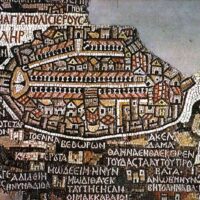
The most famous Cetus in classical mythology terrorized the coast of Aethiopia (often associated in ancient geography with the Levantine port of Joppa, modern Jaffa). The disaster began when Queen Cassiopeia, the vain wife of King Cepheus, boasted aloud that she and her daughter, Princess Andromeda, were more beautiful than the Nereids—the fifty sea nymphs who attended Poseidon. Outraged by the insult to his nymphs, Poseidon unleashed a devastating coastal flood alongside a ravenous Cetus that devoured fishermen, cattle, and merchant ships.
When King Cepheus consulted the Oracle of Ammon, he learned that the monster would never leave until he chained his innocent daughter Andromeda naked to a sea cliff as a human sacrifice. Just as the Cetus surged out of the foaming surf with jaws gaping to swallow the princess, the hero Perseus happened to be flying home overhead wearing the winged sandals of Hermes and carrying the severed head of the Gorgon Medusa in his pouch. Swooping down from the sky, Perseus either drove his curved harpe sword into the monster’s neck and shoulder or pulled Medusa’s head from his bag—instantly petrifying the colossal Cetus into a jagged coastal crag of solid stone, rescuing Andromeda as his bride while the gods placed the entire cast of characters, including the monster Cetus itself, into the autumn night sky.
The Trojan Cetus: Heracles and King Laomedon’s Horses
Interestingly, Greek mythology featured a second, equally destructive Cetus sent by Poseidon just generations before the Trojan War. After Poseidon and Apollo spent a year building the indestructible stone walls of Troy for King Laomedon, the greedy king refused to pay the gods their agreed-upon wages. In fury, Apollo sent a plague while Poseidon sent a massive Cetus that rode high tides onto the Trojan plain to snatch farmers from their fields.
Forced by an oracle to chain his own royal daughter, Princess Hesione, to the seaside rocks for the monster, Laomedon offered his divine, immortal snow-white horses—originally a gift from Zeus—to any hero who could slay the beast. Arriving at Troy, Heracles (Hercules) accepted the challenge. In one dramatic version preserved by Hellenistic poets, when the Cetus opened its cavernous jaws, Heracles leaped straight down the monster’s throat in full armor, spent three days hacking through its internal organs and belly from the inside out, and emerged victorious onto the beach—having lost all the hair on his head from the heat of the monster’s stomach acid.