Volcanoes Can Create Floating Stones
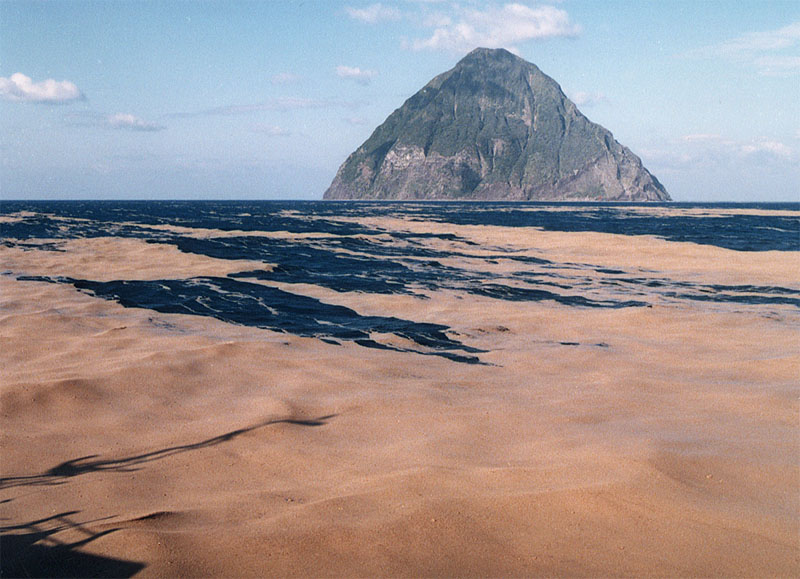
Yes, such stones really exist. And not in fantasy, but in real life. The only rock that can float on water is volcanic pumice. It forms from solidified lava with a high amount of gas bubbles, which make it very light and porous.
The more such voids the rock has, the lower its density and the better it floats on water. However, over time, the bubbles can fill with water, causing pumice to sink. Moreover, if the stone is too small, the surface tension of the water may exceed the buoyant force, causing it to sink as well.
Sometimes, after strong eruptions, pumice accumulates on the ocean’s surface and forms large rafts that can drift with the current. For example, in 2019, a 150 km² (58 sq mi) raft of pumice was spotted in the Pacific Ocean. However, these islands are not very stable and can quickly disintegrate due to waves and wind.
Volcanoes Produce Lightning and Rainbows
It’s well known that volcanoes produce lava and clouds of hot gases. But they also often cause more unusual natural phenomena, such as lightning.

Volcanic lightning, or “dirty thunderstorm,” is an electrical discharge that appears in an ash cloud rising during an eruption. This phenomenon was first recorded in 79 AD near Mount Vesuvius. Today, such lightning is often observed around the crater of the Earth’s most active volcano—Sakurajima in Japan.
These lightnings occur due to the difference in electrical potentials between the particles of gases and ash emitted during the eruption. The gases carry a positive charge, while the ash has a negative one. When these components collide, electrical flashes occur. Water vapor, also released during eruptions, contributes to this process.
The color of volcanic lightning can range from bright white to orange-red and even blue, creating an impressive contrast with the dark night sky or ash clouds.
This natural phenomenon has a curious side effect. When a discharge with a temperature of 30,000 °C melts ash particles and rock flying in the air during an eruption, they turn into glass beads or tubes known as fulgurites.
Another atmospheric phenomenon that can occur during an eruption is a rainbow. Large amounts of ash, dust, and gases are ejected into the atmosphere, interacting with moisture and clouds. If the sun is shining in the sky at the same time, its rays refract through the particles ejected by the volcano, creating a multicolored arc-shaped strip.
Sharks Live in Volcanoes
Volcanoes are not only terrestrial; they can also be underwater—and the latter can host their own ecosystems. After all, a hole in the Earth’s crust from which hot magma spews is not just a source of destruction but also a provider of heat, minerals, and nutrients for various plants and animals.
For example, archaea use chemical energy and minerals from the volcano for their metabolism. Some species of mollusks form specific communities based on symbiosis with bacteria that oxidize chemical compounds. Hydrothermal tube worms can synthesize organic substances using hydrogen sulfide energy.
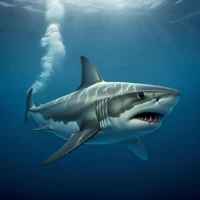
The most unusual example of such an underwater ecosystem is the Kavachi volcano, located in the Pacific Ocean near the Solomon Islands. Despite being submerged, it occasionally erupts, creating temporary islands of lava and ash. Yet, diverse marine creatures live in its crater, including Pacific sleeper sharks and hammerhead sharks.
Why would these creatures enter a volcano? Scientists have yet to provide a definitive answer.
However, several hypotheses exist. First, sharks may use the warm water in the crater as a kind of thermostat to regulate their body temperature. Second, they may find abundant fish in the volcano, which feed on minerals, bacteria, and algae from the hot springs. Lastly, sharks might use the crater as a refuge from predators or competitors.
Volcanoes Produce Obsidian
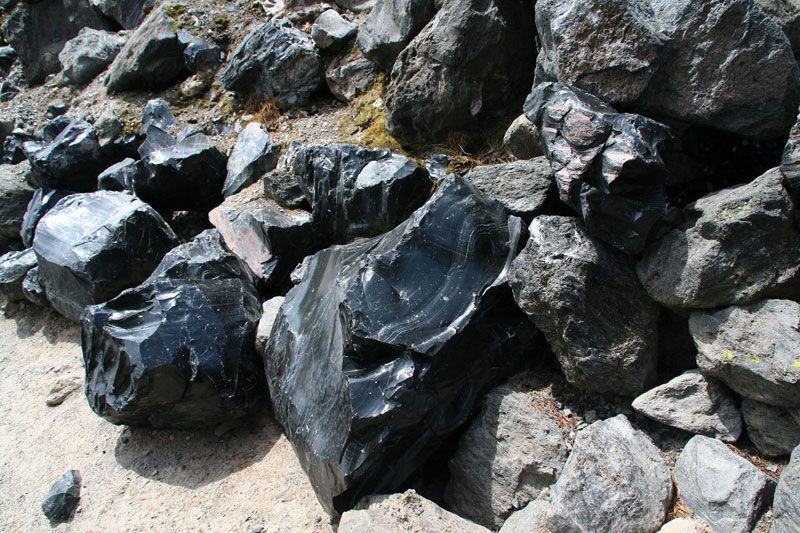
People who have played Minecraft, Dwarf Fortress, or Terraria know well that when lava contacts water, obsidian forms. This is not just a game mechanic—obsidian is indeed a real volcanic rock formed from solidified magma.
Obsidian is primarily composed of silica and has a characteristic black, brown, or dark gray color. Its surface is very smooth and shiny, resembling glass.
There are also other shades: gray, green, blue, and even pink. Obsidian may contain various inclusions, gas bubbles, crystals, or bands. The final appearance and properties of the stone are influenced by factors such as the composition of the lava and the speed at which it cools.
Due to its unique properties, obsidian has been a valuable material for making stone tools, weapons, and ornaments for thousands of years. It has high hardness and sharp edges, making it ideal for creating weapons.
For example, the Maya and Aztecs used a weapon called a macuahuitl—a flat club-sword with rows of obsidian blades along its edges.
Imagine what could happen to a person if struck by a baseball bat studded with glass, and you’ll understand that the macuahuitl was a dangerous weapon. However, it wasn’t very effective against muskets—the conquistadors can attest to that.
Today, obsidian is used in jewelry and sculpture as a decorative stone. It also has potential in surgery, as extremely sharp, though fragile, scalpels can be made from it.
Volcanoes Affect the Climate of the Entire Planet
You might think that volcanoes are distant phenomena, not influencing the lives of ordinary people. But this is a misconception. Eruptions, accompanied by ash, gas, and lava emissions, can lead to global climate change. They impact temperature, precipitation, and even atmospheric circulation. The outburst of a fiery mountain in a remote region of Oceania can easily affect the lives of people in America and Europe.
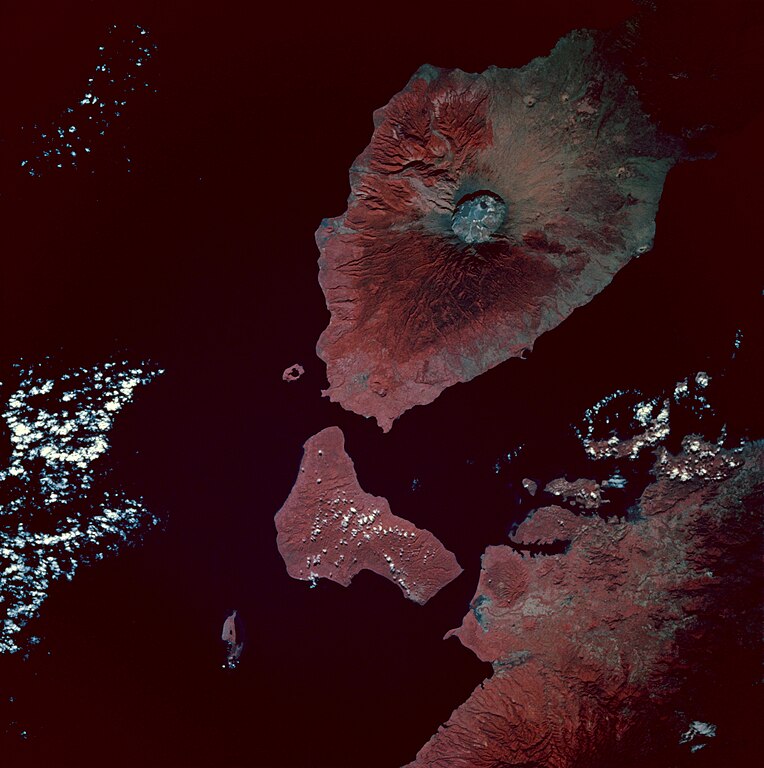
For example, the most powerful volcanic eruption in human history occurred on April 10, 1815, when the Tambora volcano, located on the island of Sumbawa in Indonesia, erupted. It spewed an enormous amount of ash, gas, and lava into the atmosphere, significantly contributing to its pollution. Columns of volcanic particles rose to an altitude of about 43 kilometers.
The eruption itself claimed around 71,000 lives—a record. Sumbawa and neighboring islands were covered with a thick layer of ash, and lava flows inundated surrounding areas. However, the most significant consequence of Tambora’s eruption was its global impact on climate.
Ash and gas clouds, released into the upper layers of the atmosphere, reflected a substantial portion of sunlight back into space, causing global cooling.
As a result, 1816 became known as the “Year Without a Summer” or the “Year of Darkness.” Many regions of Europe, North America, and Asia experienced prolonged frosts and snowfalls in June and July. Crops were destroyed. By the spring of 1817, grain prices had risen tenfold, and a severe famine ensued. The climate changes also affected people’s health, leading to the spread of diseases and epidemics.
However, there was a silver lining: this event also influenced literature and art. The high level of ash in the atmosphere led to unusually beautiful sunsets, which were captured in the works of many artists, including Caspar David Friedrich and William Turner. Additionally, some famous works, like Mary Shelley’s novel Frankenstein, were inspired by the cold and dark atmosphere created by the Tambora eruption.
The shortage of oats and the death of many horses also pushed people to develop alternative transportation technologies. As a result, German engineer Baron Karl Drais invented the prototype of the bicycle and a human-powered rail vehicle—the draisine. Hard times often spur innovation.