This article provides a summary of many of the most infamous nuclear power plant incidents. There is an INES value (International Nuclear Event Scale) associated with the accident’s severity. The logarithmic scale serves as the foundation for this measurement system. If you compare a level 6 accident to a level 5 accident, you’ll see that the level 6 accident is already 10 times worse. In level 5, the effects expand to include the whole plant, if not the surrounding area. Only the 1986 disaster at Chernobyl, Ukraine, and 2011 disaster at Fukushima, Japan achieved level 7, the maximum level possible.
- 1952: Chalk River, Canada (INES 5)
- 1957: Kyshtym, Soviet Union (INES 6)
- 1957: Sellafield, United Kingdom (INES 5)
- 1959: Simi Valley, USA (INES 5-6)
- 1969: Lucens, Switzerland (INES 4-5)
- 1978: Beloyarsk, Soviet Union (INES 3-4)
- 1979: Three Mile Island, USA (INES 5)
- 1985: Vladivostok, Soviet Union (INES 5)
- 1986: Chernobyl, Ukraine (INES 7)
- 1999: Tokaimura, Japan (INES 4-5)
- 2011: Fukushima, Japan (INES 7)
- List of nuclear plant accidents
1952: Chalk River, Canada (INES 5)
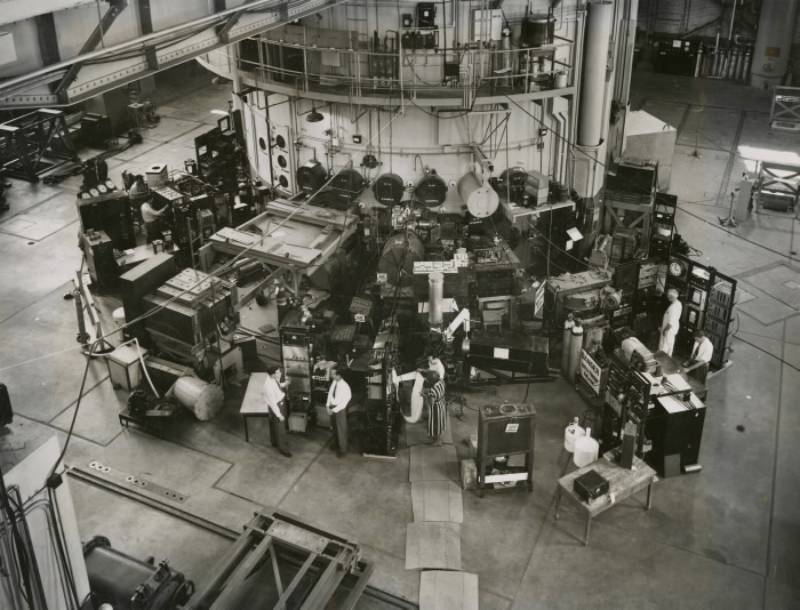
The research reactor at Chalk River Laboratories, located near Ottawa, partially melted down on December 12, 1952, owing to a human error. It was at the NRX reactor at Chalk River that the first nuclear reactor meltdown ever occurred in history.
During 1952, uranium rods overheated due to a lack of coolant. This caused tons of radioactive water to spill and a tremendous hydrogen explosion. The hydrogen was ignited upon contact with the oxygen.
Highly radioactive fission products were emitted into the air in large quantities, and the pollution of the Ottawa River was only narrowly avoided thanks to the pumping of contaminated water from the reactor tank into a seepage pit.

1957: Kyshtym, Soviet Union (INES 6)
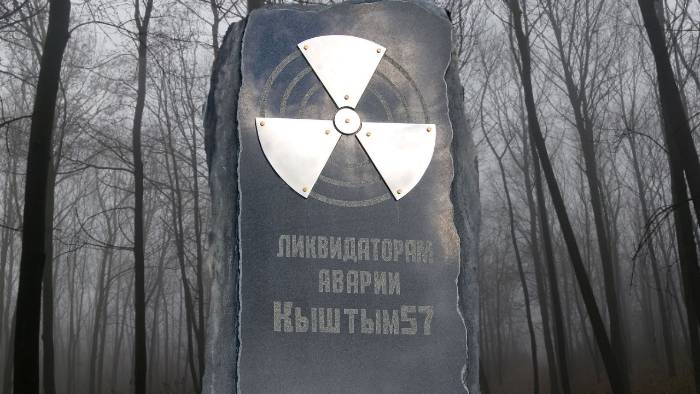
The tanks of the Soviet Union’s Kyshtym (or Mayak) reprocessing facility, which held radioactive nitrate salts, dried up and caught fire. About 20,000 square kilometers were polluted by the incident on September 29, 1957.
As a result of the low altitude of the particle emissions, the contamination was contained in a small area. After being covered up for 30 years, the catastrophe is now regarded as the third-worst nuclear disaster ever, after Chernobyl and Fukushima.
1957: Sellafield, United Kingdom (INES 5)
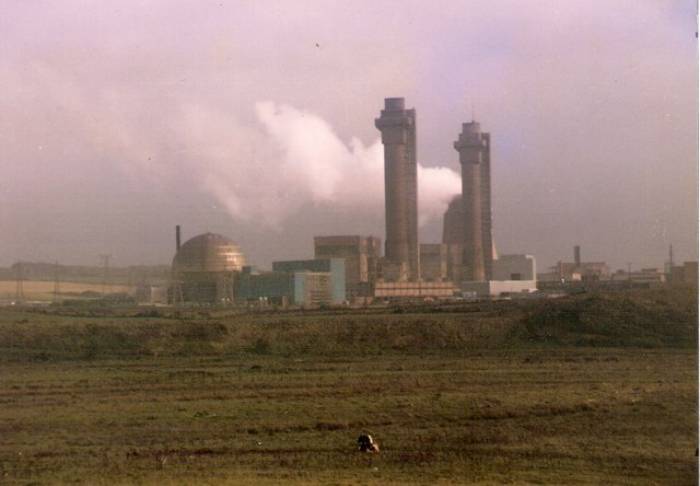
An accident happened on October 7, 1957, when a fire broke out in the graphite core of the graphite-controlled reactor at Windscale (now Sellafield). The uranium core burned for days at 1,300 degrees Celsius. Large amounts of radioactive iodine, cesium, plutonium, and strontium were discharged during this period, but the public was not made aware of this fact. The core was filled and the fire was extinguished on October 12; only then did radiation begin to leak out again.
1959: Simi Valley, USA (INES 5-6)
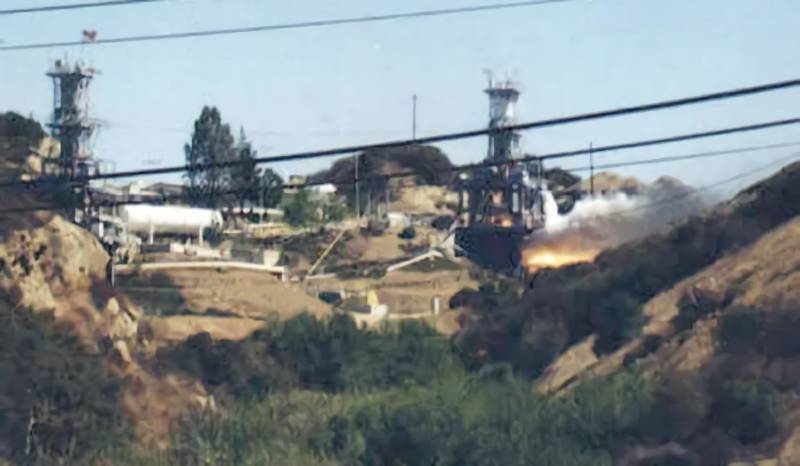
The fast breeder reactor at the Santa Susana Field Laboratory in California suffered a partial meltdown due to a clogged cooling duct. Gases and radioactive particles created by the destruction of around 30 percent of the fuel components were simply released into the atmosphere. Among the greatest emissions of radioactive iodine in the history of nuclear power, this accident was kept hidden for a long time.
1969: Lucens, Switzerland (INES 4-5)
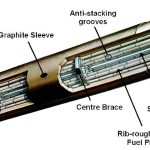
Due to a faulty seal, the magnesium fuel rod cladding corroded while the Lucens experimental reactor in the Swiss canton of Vaud had been offline for over a year. This fact was ignored in January 1969, when the reactor was restarted.
As a result, the fuel rods overheated on January 21 and caught fire, triggering a partial meltdown. Heavy water tainted by radioactivity seeped out. The field cavern in which the reactor was housed helped keep harmful emissions to a minimum. After the cave was completely shut, it was cleaned up piece by piece.
1978: Beloyarsk, Soviet Union (INES 3-4)
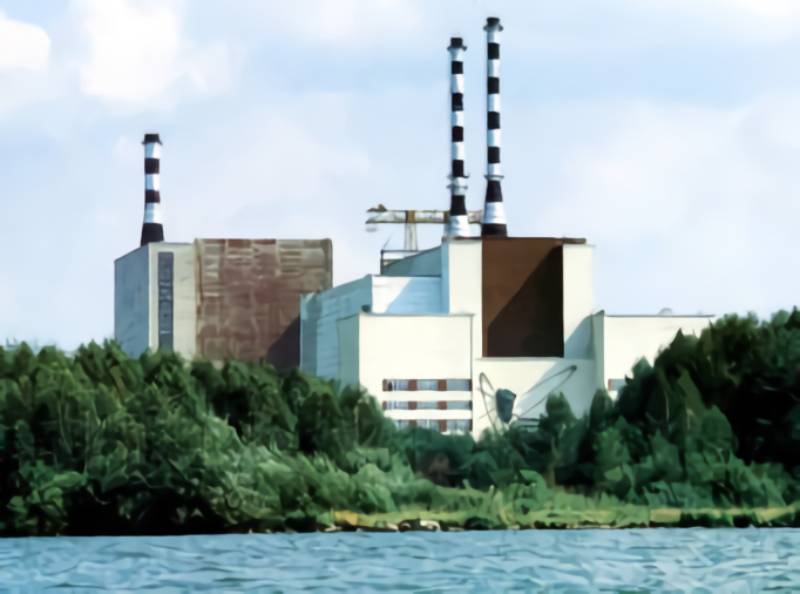
The Beloyarsk Nuclear Power Plant, which is just 50 kilometers from Ekaterinburg, was the first civilian nuclear power plant in the USSR when it was commissioned in 1958.
20 years later, in December, a massive fire almost broke out when the ceiling of the turbine hall collapsed. It was impossible to shut down the plant in an emergency since the fire had destroyed the wires that measure the temperature of the reactor core.
Yekaterinburg, a neighboring city, had a panic attack, prompting authorities to plan an evacuation. However, the reactor was brought under control again within just a few hours. To some extent, methods that had been developed and tested before the Chernobyl catastrophe were used after the disaster.
1979: Three Mile Island, USA (INES 5)
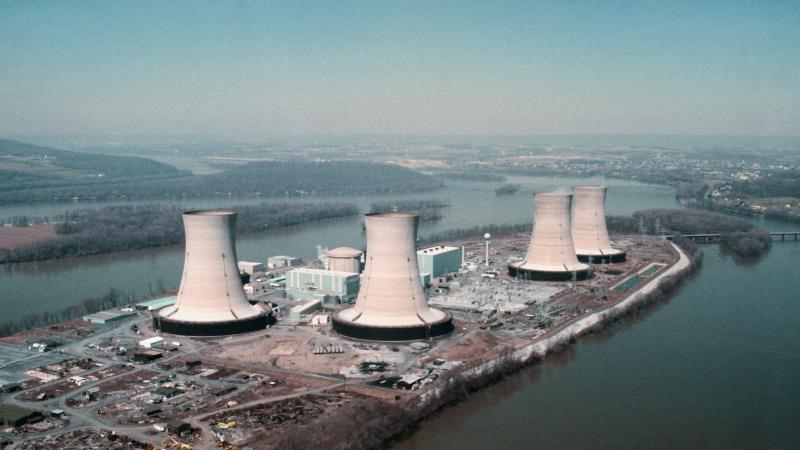
The Three Mile Island nuclear power station in Harrisburg melted down due to a combination of technical and human errors. In a nuclear reactor, half of the fuel melted and settled as uranium lava at the bottom of the vessel. Radioactive nuclei were also dispersed into the environment when hydrogen gases were vented.
Two weeks after the publication of the feature film “The China Syndrome” in the United States, which depicted a fictional disaster that eerily foreshadowed the actual events, the worst nuclear power plant accident in American history happened.
1985: Vladivostok, Soviet Union (INES 5)
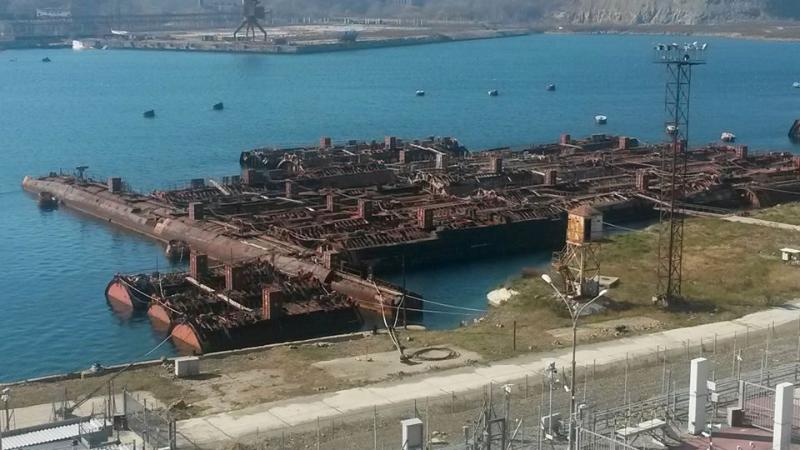
When the reactor lid was not secured properly during the replacement of fuel components aboard a nuclear submarine in August 1985, a near tragedy almost happened. The result was a domino effect that couldn’t be stopped.
After the coolant evaporated, an explosion happened, contaminating the harbor pier and killing 10 people instantly and making another 29 very sick from the radiation. Because of the wind, the radioactive cloud didn’t reach the city of Vladivostok.
1986: Chernobyl, Ukraine (INES 7)
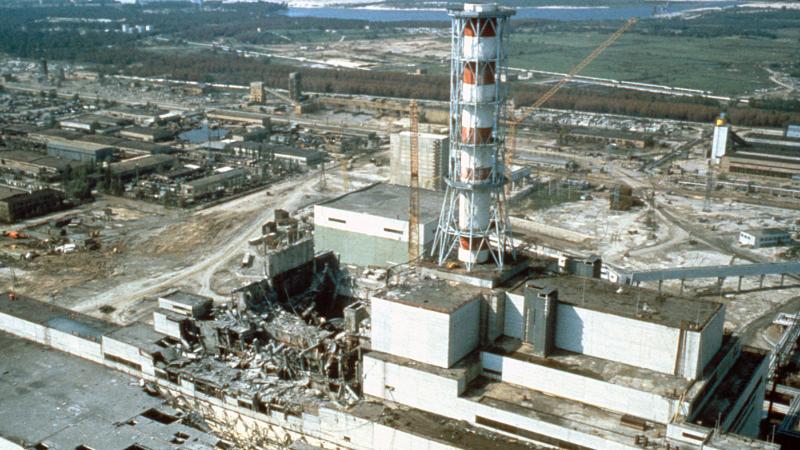
Along with the Fukushima Daiichi disaster, it is generally agreed that the Chernobyl reactor catastrophe was the worst ever in nuclear history. A human mistake caused Unit 4’s core to burn down during testing on April 26. The reactor core detonated once the graphite control rods caught fire.
High in the atmosphere, fission products were released and spread as a radioactive cloud as far as Central Europe and northern Scandinavia. More than 300,000 people, including the entire population of Pripyat, had to be removed from the polluted sites. The region surrounding the decommissioned reactor is still mostly off-limits.
1999: Tokaimura, Japan (INES 4-5)
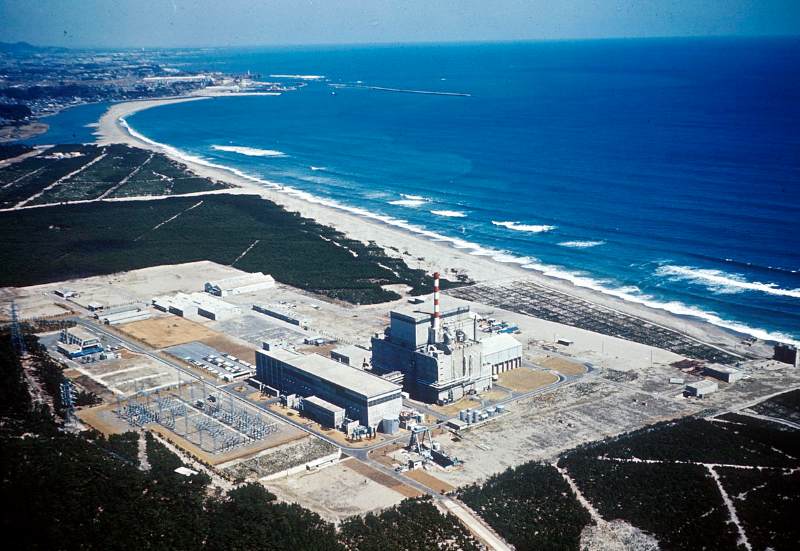
The employees at the Tokaimura fuel fabrication factory poured eight times the allowed amount of enriched uranium into a tank on September 30, 1999, surpassing the critical limit by a factor of ten. High levels of radioactivity were released as a consequence of an unchecked chain reaction. Hundreds had been infected, and several factory employees had been gravely affected. 300,000 people were advised to remain in their homes. Tokai Nuclear Plant was Japan’s first nuclear power station.
2011: Fukushima, Japan (INES 7)
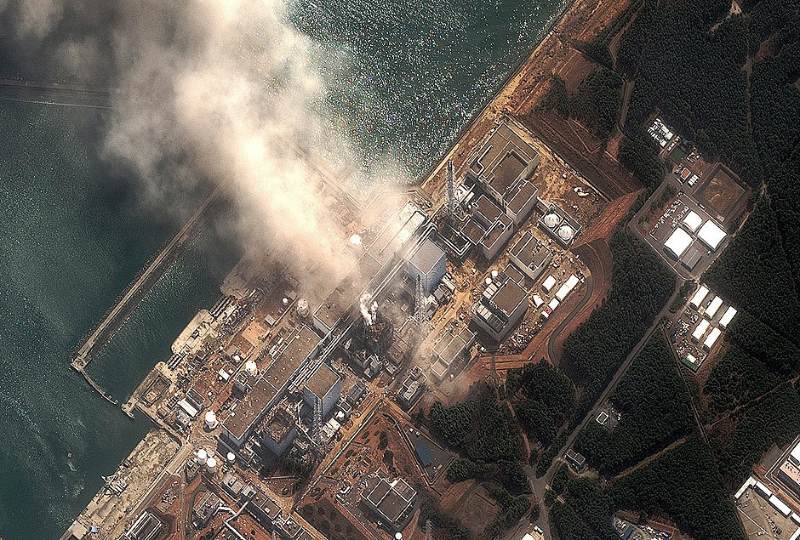
In 2011, an accident occurred at the Fukushima Daiichi (“Number One”) nuclear power station in Japan, often known as the “Fukushima disaster.” This nuclear catastrophe ranks second only to the Chernobyl disaster in terms of severity among all nuclear accidents.
On 11 March, a nuclear catastrophe began when a 15-meter tsunami caused damage to three reactors at the plant after an enormous earthquake on March 11.
Three reactors’ cores overheated because their cooling systems failed after losing power. A portion of the fuel rods melted, a fire broke out in the storage reactor, hydrogen gas built up and exploded the outer containment structures, and radioactive material was released into the atmosphere and the ocean.
Within the first three days, the three cores melted significantly.
List of nuclear plant accidents

| Date | Location of accident | INES level |
|---|---|---|
| September 29, 1957 | Mayak, Kyshtym, Soviet Union | 6 |
| October 10, 1957 | Sellafield, United Kingdom | 5 |
| January 3, 1961 | Idaho Falls, United States | 4 |
| October 5, 1966 | Frenchtown Charter Township, United States | 4 |
| January 21, 1969 | Lucens reactor, Switzerland | 4 |
| December 7, 1975 | Greifswald, East Germany | 3 |
| January 5, 1976 | Jaslovské Bohunice, Czechoslovakia | 4 |
| March 28, 1979 | Three Mile Island, United States | 5 |
| April 26, 1986 | Chernobyl, Kiev Oblast, Soviet Union | 7 |
| October 19, 1989 | Vandellòs, Spain | 3 |
| September 30, 1999 | Ibaraki Prefecture, Japan | 4 |
| February 16, 2002 | Oak Harbor, United States | 3 |
| April 10, 2003 | Paks, Hungary | 3 |
| August 9, 2004 | Fukui Prefecture, Japan | 1 |
| July 25, 2006 | Forsmark, Sweden | 2 |
| March 11, 2011 | Fukushima, Japan | 7 |