What is the story of the invention of sound recording and the first sound devices? Until just over a century ago, the only music people listened to was live performances. The development of technology for recording and replaying sound has not only changed the way we listen to music but has also made broadcasting, filming, and audio archiving applications possible.
The Invention of Audio Recording
Frenchman Edouard-Leon Scott’s phonautograph of 1857 was the first instrument capable of recording sound. It recorded sound with a moving needle on a carbon-coated surface. In 1877, the American Thomas Edison invented the phonograph. This was the first instrument that could record and play back sound. Primitive sound recorders worked mechanically. Sound vibrations collected by a tube moved a needle to make scratches on a disc or cylinder.
In the 1920s, the invention of the microphone ushered in the electrical age of sound recording. Soon after, sound was reproduced in high quality and volume through powerful loudspeakers driven by electromagnets.
After 1945, music was recorded on vinyl records that rotated at 33 or 45 revolutions per minute (rpm) (earlier records were played at 78 rpm). Magnetic instruments were also developed that recorded sound by creating different magnetic patterns, rather than physical pits on a disc.
The next milestone was digital sound recording. This type of recording was made for more powerful and functional systems. Later, the first compact discs and digital audio formats such as MP3 were introduced for storing large amounts of music on small devices and for unlimited music downloads via the internet.
From the Music Box to Digital Audio
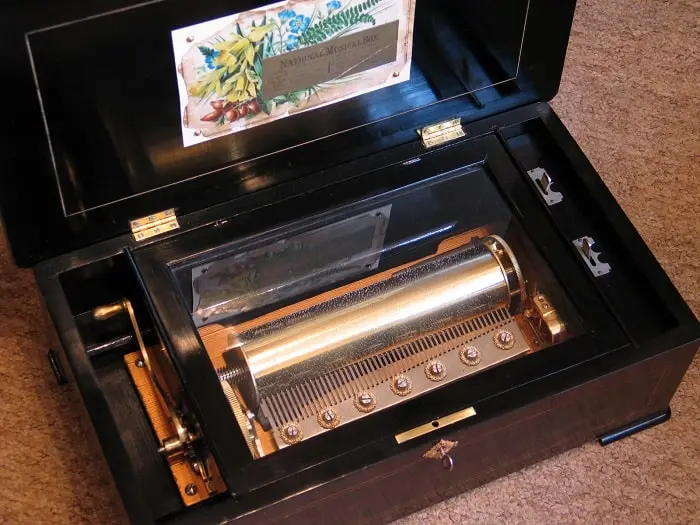
1815 – Multi-Cylinder Music Box
First produced in Switzerland in 1815, this music box contains a rotating cylinder with spikes on it, which enter the teeth on a steel honeycomb. In 1862, a system with interchangeable cylinders was invented to play different models.
1857 – Phonautograph
Edouard-Leon Scott invented the first instrument capable of recording sound, but it could not play it back.
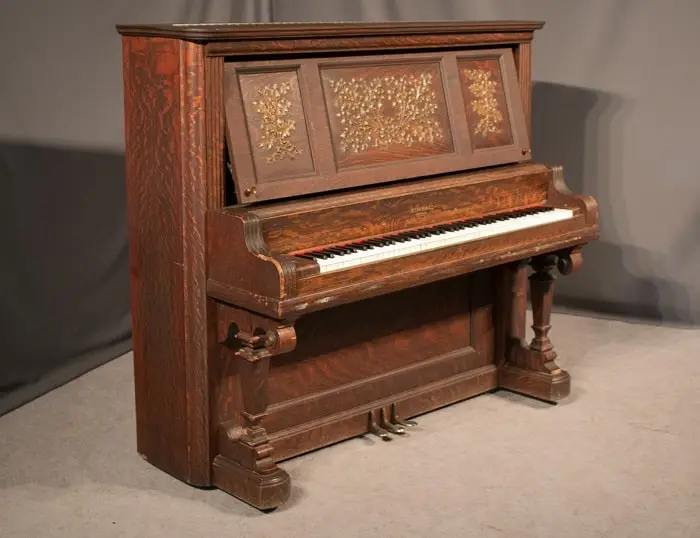
1876 – Automatic Piano
The automatic piano became famous when it was shown at an exhibition. This instrument contained an electromagnet and a paper music roll.
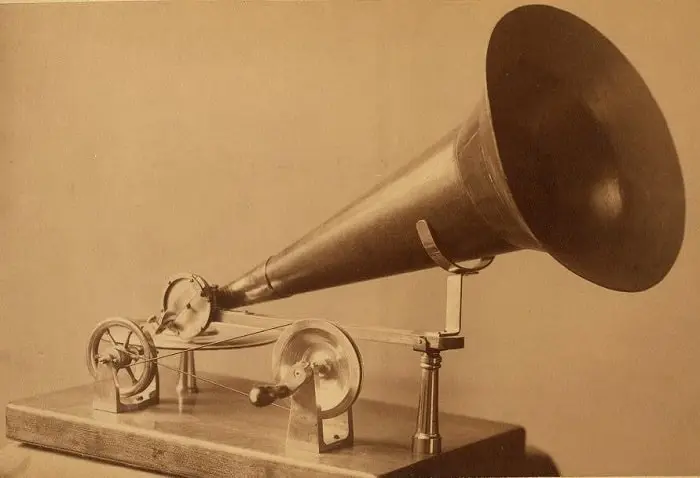
1877 – Edison’s Phonograph
Thomas Edison’s phonograph was the first instrument that could both record and playback sound. Sound vibrations are picked up by a tube and recorded on a cylinder covered with tin foil.
1888 – Gramophone
The gramophone, invented by Emile Berliner, uses shellac discs. These discs can be copied many times over in a brass container.
1898 – Magnetic Voice Recorder
Danish engineer Valdemar Poulsen invented the telegraph. It was the first instrument to record and playback sound magnetically. With a cable wound around a cylinder, it records the changes in the magnetic field caused by sound vibrations.
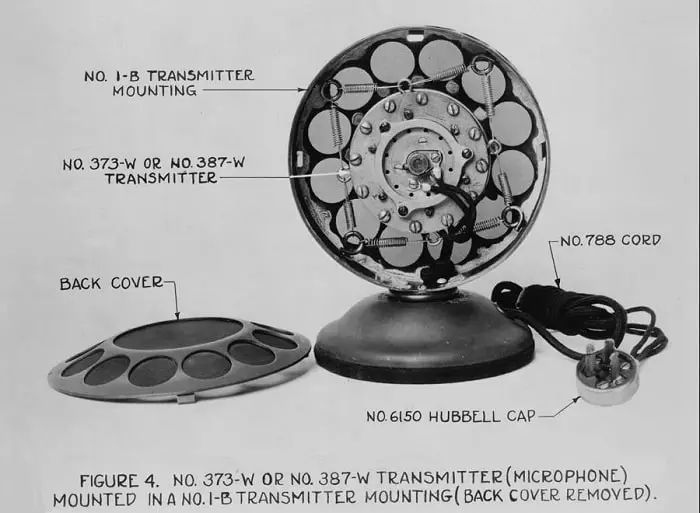
1925 – First Microphone
Microphones that pick up vibrations have replaced the tubes. In these microphones, vibrations are transmitted to electromagnets and changes in the electrical signals move the needle.
1931 – Cassette Recorder
German Fritz Pfleumer invented the magnetic tape for recording sound which is a cassette recorder. This device records fluctuations in the electrical signal on the magnetic coating of a moving tape. The AEG company turned this into the Magnetophone.
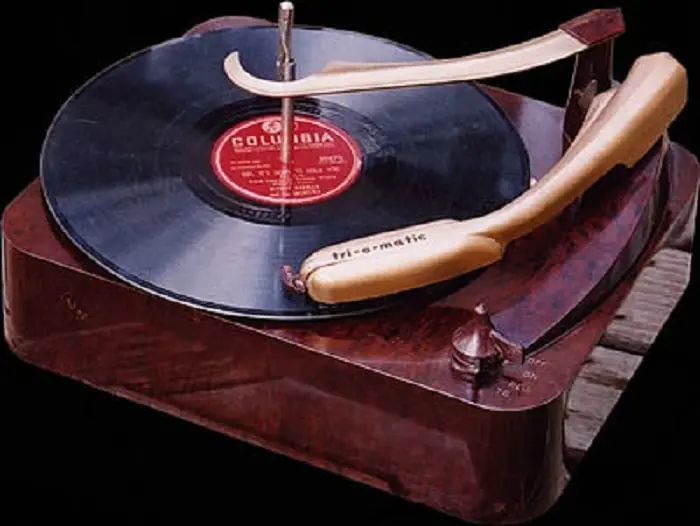
1948 – Vinyl Records
Vinyl records are introduced that can play longer sound records. Spinning 33 and 45 revolutions per minute instead of 78, these recordings offer much longer playing time and better sound quality.
1978 – Cassette Player
German-Brazilian Andreas Pavel’s 1972 Stereobelt is a small, portable, battery-powered player with headphones and a cassette player. In 1978, Sony introduces the Sony Walkman, a portable music player.
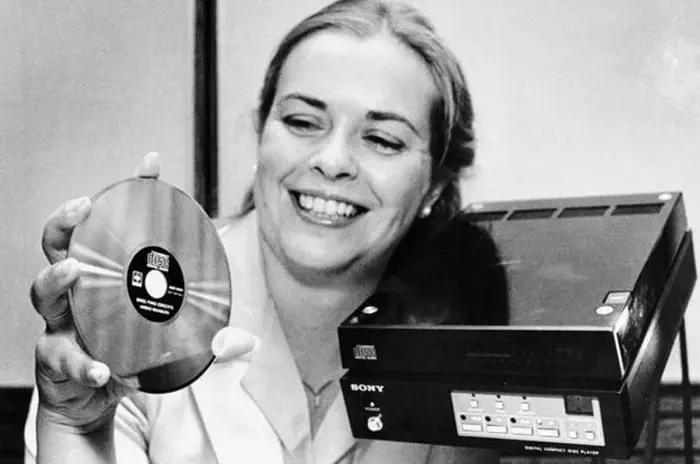
1982 – Compact Disc (CD)
CDs store large amounts of audio data and can be read back with a laser. They soon replaced vinyl records, which could be easily scratched.
1999 – MP3 Player
This device uses digital recordings stored as computer data. Music can thus be transferred or changed instantly from a personal player on a computer.