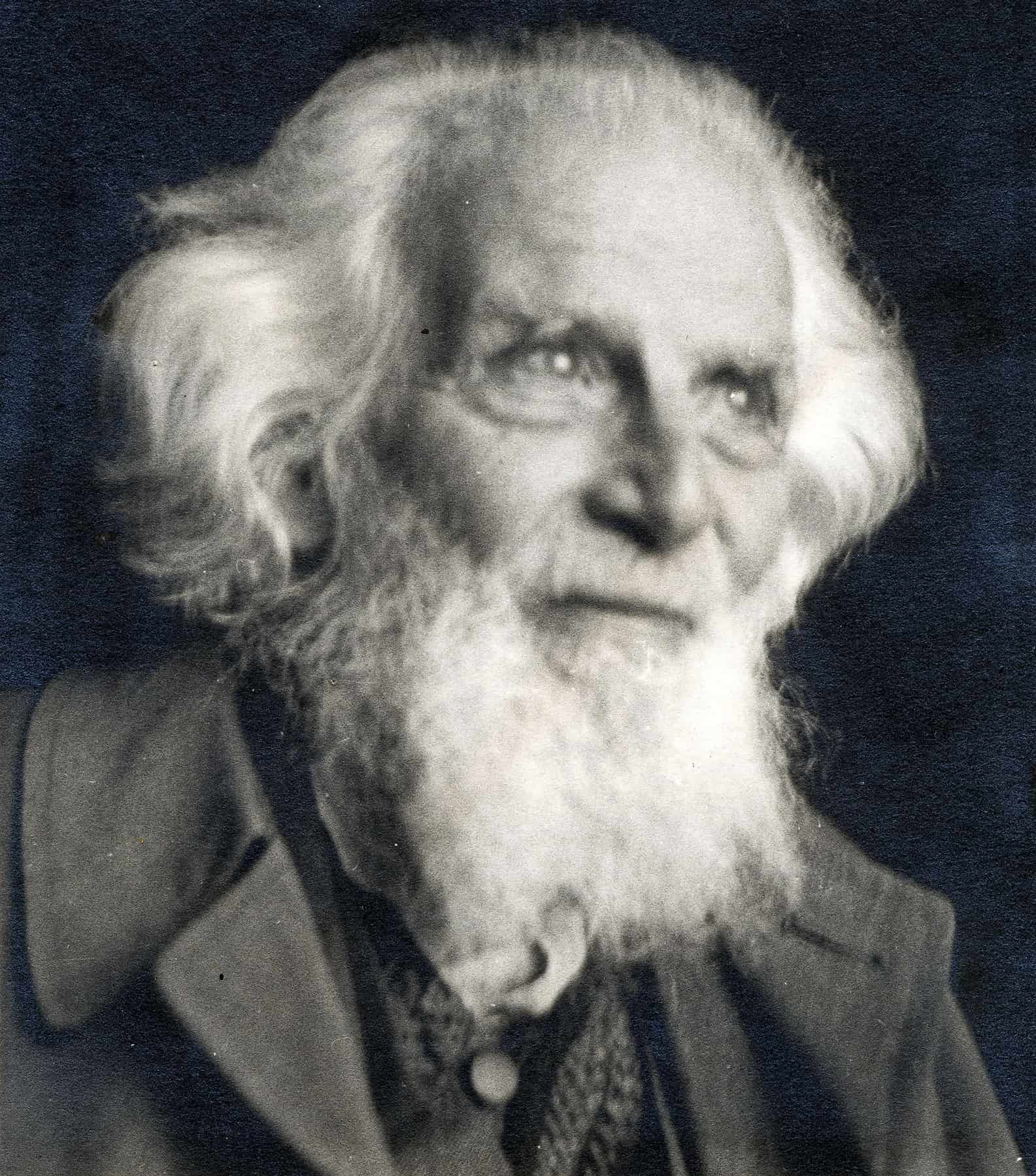
For centuries across classical antiquity, whenever philosophers from Plato and Xenophon to Jean-Jacques Rousseau debated whether a single visionary lawgiver could completely re-engineer human nature—eliminating greed, luxury, and private ambition to forge an egalitarian community of invincible citizen-soldiers—they pointed to one name: Lycurgus of Sparta. Credited with transforming a chaotic, lawless Peloponnesian state in the eighth or seventh century BC into the most feared military machine on Earth, Lycurgus created the total-state constitution known to the Spartans as the Great Rhetra—before pulling off the ultimate final trick to ensure his fellow citizens could never repeal his laws after he died.
Myth or Man? The Uncle Who Refused to Steal a Crown
Even in antiquity, the biographer Plutarch opened his famous Life of Lycurgus with a candid admission: almost nothing could be said about the lawgiver that was not disputed by historians, with dates for his life ranging anywhere from the ninth to the seventh century BC, and the Oracle of Delphi herself wondering aloud when Lycurgus entered her temple whether she should address him as “a god or a man.”
According to Spartan tradition, Lycurgus was a prince of the Eurypontid royal house (one of Sparta’s two co-ruling dynasties). When his older brother, King Polydectes, died suddenly, Lycurgus briefly became king—until he learned that his brother’s widow was pregnant. When the scheming queen secretly sent a message offering to drink a potion to abort her unborn baby if Lycurgus promised to marry her and keep the throne for himself, the honorable Lycurgus pretended to agree, telling her not to endanger her health with potions because he would personally dispose of the infant the moment it was born. Months later, when the baby boy was born while Lycurgus was eating dinner with the Spartan magistrates, attendants brought the newborn to him; instead of harming the child, Lycurgus lifted his nephew high in his arms, placed him on the royal chair, named him Charilaus (“Joy of the People”), and stepped down to serve merely as the boy’s loyal regent.
The Four Pillars of the Lycurgan Revolution (The Great Rhetra)
After traveling to Crete, Ionia (where he allegedly collected the poems of Homer), and Egypt to study foreign constitutions, Lycurgus returned to Sparta armed with a divine mandate from the Oracle of Delphi—the Great Rhetra—and overhauled every political, economic, and domestic institution of Spartan life:
- A Balanced Mixed Constitution (Two Kings, Gerousia, and Apella): To prevent both royal tyranny and mob rule, Lycurgus placed a twenty-eight-member Senate of elders over age sixty (the Gerousia) as a stabilizing counterweight between Sparta’s two hereditary kings and the citizen assembly (the Apella), later supplemented by five annually elected overseers called Ephors.
- Equal Land Redistribution and Banning Gold & Silver: Seeing that a tiny handful of rich families owned all the land while the poor starved, Lycurgus persuaded the aristocrats to pool all the farmland of Laconia and divide it into 9,000 completely equal lots (kleroi) worked by enslaved state serfs (Helots) so every Spartan citizen had the exact same agricultural income. Next, he outlawed all gold and silver coins—replacing them with heavy, brittle iron spits (pelanor) quenched in vinegar so the metal couldn’t even be reforged into tools! Because buying a small luxury item required an ox-cart to haul a thousand pounds of worthless iron bars, bribery, theft, robbery, and foreign luxury imports vanished from Sparta overnight.
- Mandatory Common Mess Halls (Syssitia) and Black Broth: To prevent rich men from eating gourmet feasts behind closed doors at home, Lycurgus decreed that every citizen—including the Kings—must eat dinner together every night in fifteen-man military mess tents (syssitia), dining on the infamous Spartan black broth (melas zomos) boiled from pork, pig’s blood, salt, and vinegar. (When a wealthy nobleman initially rioted against this law and a hot-headed youth named Alcander struck Lycurgus in the face with a stick and blinded one of his eyes, the calm Lycurgus didn’t execute the boy; he invited Alcander to live in his own house as his attendant until the ashamed youth became his most devoted disciple!)
- The Agoge and Athletic Spartan Women: At age seven, every healthy Spartan boy was taken from his mother to live in communal military barracks (the Agoge), walking barefoot in a single cloak summer and winter to train for war. Simultaneously, unlike Athens—where women were kept locked indoors weaving wool—Lycurgus ordered Spartan girls to exercise outdoors alongside boys: running footraces, wrestling, and throwing the javelin and discus, reasoning that only strong, healthy, independent mothers could give birth to strong warriors.
The Final Oath at Delphi and Voluntary Starvation
Once his system was running smoothly and Sparta had grown disciplined and prosperous, the elderly Lycurgus worried that after he died, future generations might grow lazy and vote to repeal his tough laws. So he summoned the two Kings, the Senate, and all the citizens of Sparta to a solemn assembly.
He announced that he needed to travel one final time to the Oracle of Delphi to consult the god Apollo on one remaining question. Before he set foot on the road, however, he made the Kings, the Senators, and every citizen swear a sacred, unbreakable oath by the gods: that they would keep and obey all of Lycurgus’s laws without changing a single word until Lycurgus returned home to Sparta in person.
Swearing the oath gladly, the Spartans waved goodbye. Arriving at Delphi, Lycurgus asked Apollo if his laws were good and sufficient to ensure Sparta’s virtue and happiness; when the Oracle answered that his laws were excellent and Sparta would remain the most glorious city in the world as long as it kept the constitution of Lycurgus, the old lawgiver wrote down the prophecy, sent it by courier back to Sparta, and then voluntarily stopped eating—starving himself to death at Delphi (and ordering his body cremated and his ashes scattered into the sea so nobody could ever carry even his dead bones back to Laconia), trapping his countrymen in their sacred oath forever and securing five hundred years of Spartan dominance.