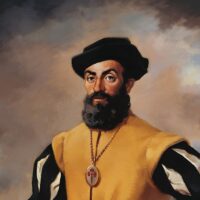
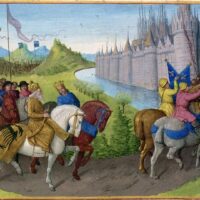
Marco Polo was born on September 15, 1254, in Venice. At the age of 17, the Venetian merchant embarked on a 24-year journey with his father and uncle across Russia, Asia, and eventually to China. Marco Polo was the first to bring knowledge of the Far East to Europe. His accounts, immortalized in The Book of the Marvels of the World, spread throughout royal courts and influenced great explorers like Christopher Columbus. Marco Polo died on January 8, 1324, also in Venice.
What were Marco Polo’s main achievements?
- Exploration: He traveled thousands of miles across Asia, documenting his experiences.
- Cultural exchange: His writings introduced Europeans to Asian cultures and technologies.
- Diplomacy: He served as an envoy for Kublai Khan, fostering relations between East and West.
Marco Polo and the Passion for Exploration: A Legacy from His Father
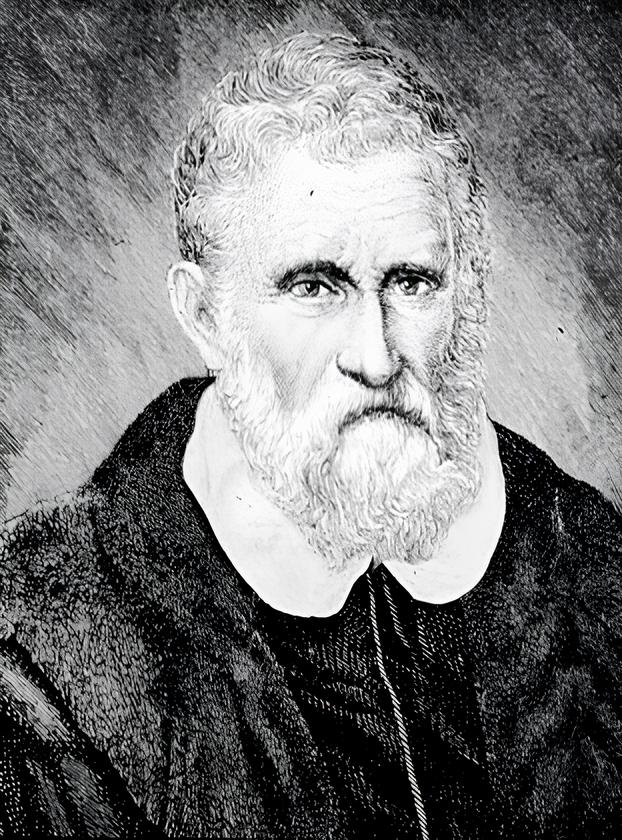
At a time when Venice was a prosperous city dominating Byzantium, its wealthy merchants took advantage of the opportunity to trade with Muslims who controlled the Silk Road. However, some, like Niccolò Polo, ventured further. Marco’s father continued his journey with his brother Matteo all the way to China. There, he met the Mongol Emperor Kublai Khan, the grandson of Genghis Khan. After a 15-year absence, Niccolò returned to Venice with a prestigious mission: he had been entrusted by Kublai to convey a message of goodwill to the Pope and to request scholars who could share Latin knowledge with the East.
However, upon his return to Venice, Niccolò found not his wife but a son named Marco, around fifteen years old. The noble Venetian woman had passed away prematurely a few years earlier. It is uncertain whether Marco was born shortly before or after his father’s departure. Despite a delay caused by the Pope’s election, Niccolò Polo and Matteo Polo departed again two years later, this time accompanied by young Marco.
Marco Polo’s Journey: A 24-Year Odyssey
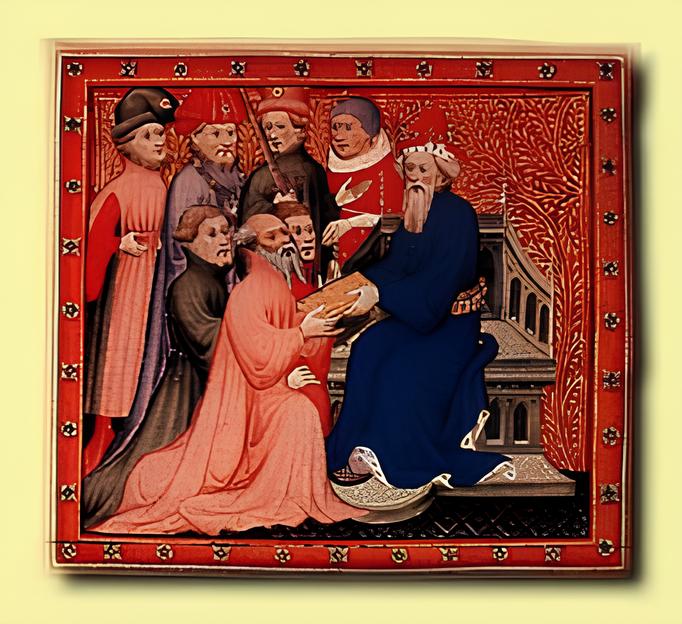
At the end of 1271, Marco Polo left Venice with his father and uncle, unaware that he would not return until he was 41 years old. He was 17 at the time. After traveling through Israel and Iran to reach Central Asia, the three men crossed the Gobi Desert and arrived in Cambaluc in 1275. There, they joined the court of Emperor Kublai Khan. For 16 years, they followed the Emperor through the largest cities and the most remote regions. Kublai, a refined ruler who had broken with the systematic massacres of his ancestors, appreciated the cultural contributions of the Venetians. Marco Polo gradually mastered Chinese and became a diplomat.
He was even said to have been the governor of the city of Yangzhou for three years. However, Marco, his father, and his uncle missed Venice and asked the Emperor to let them return.
Kublai finally agreed when he needed someone to escort a Mongolian princess to Iran. The Venetians, experienced travelers, were chosen to accompany her. After crossing Sumatra and India, they delivered the young woman and then continued their journey to Italy.
Upon their return to Venice, the city was at war with Genoa. On September 8, 1298, Marco Polo commanded a galley in a naval battle between the two powers. The Venetian fleet suffered a crushing defeat, and Marco was taken prisoner. While imprisoned, he shared his cell with Rustichello of Pisa, a Genoese writer, to whom he dictated his accounts.
What regions did Marco Polo visit?
- Persia (modern-day Iran)
- Central Asia (including the Pamir Mountains)
- China (Cathay)
- Southeast Asia (including India and Sumatra)
Marco Polo and Book of the Marvels of the World: Written in a Cell
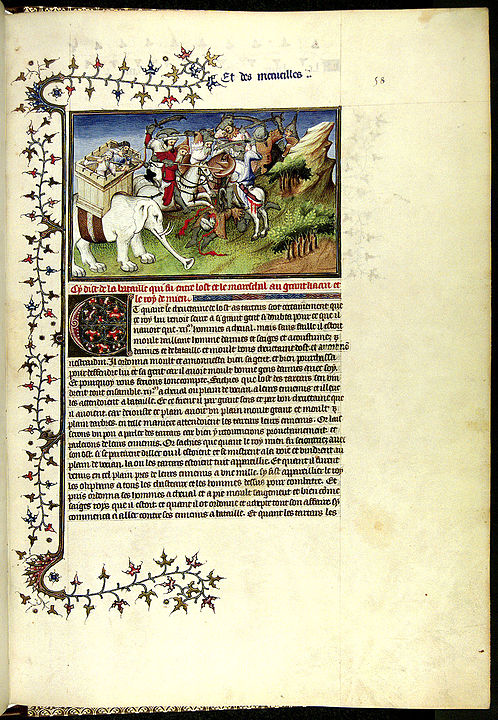
Thus, Description of the World, later renamed The Book of Marvels of the World, was born in the French language. After Marco Polo’s release in 1299, the book spread throughout Europe and was translated into multiple languages. Written at a time when Europeans knew little about the Far East, except for a few merchants who rarely ventured beyond the Silk Road, the book provided exceptional knowledge. Many geographical details it contained were later verified.
For example, the introduction of paper money by the Emperor and the use of coal by the Chinese were details that drew attention and made the account credible.
However, some claimed that the story was entirely fabricated. They pointed to the absence of mentions of the Great Wall of China, the importance of pork in Chinese cuisine, or the practice of foot-binding among Chinese women. They argued that the detailed descriptions of landscapes, whose accuracy could not be questioned, had been reported to Marco by Muslims who knew the region far better than Christians.
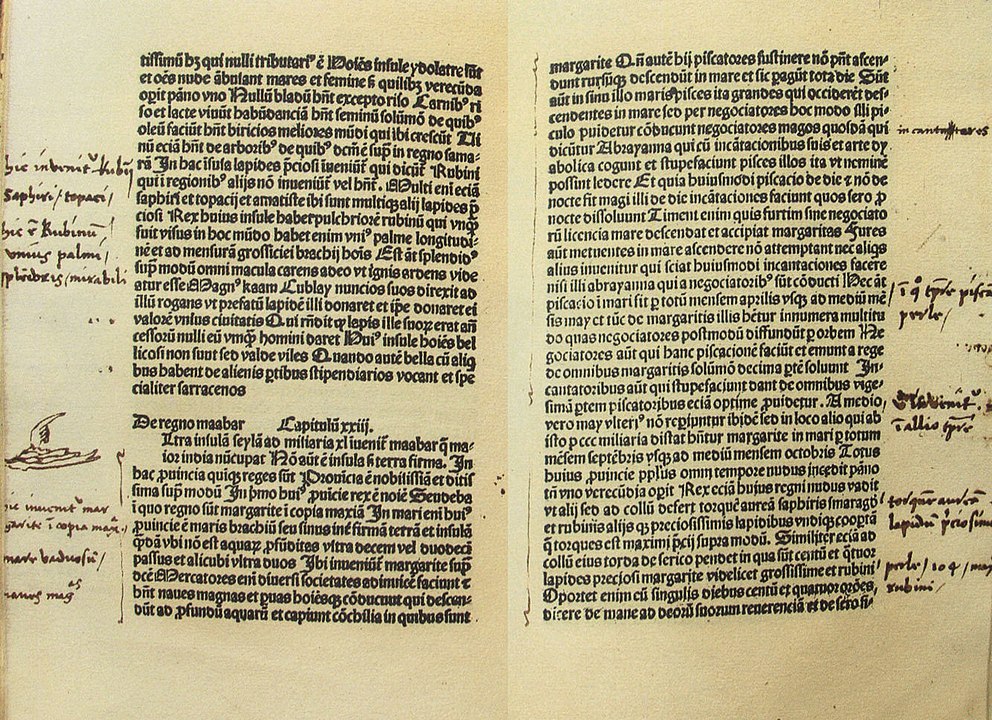
Nonetheless, it remains plausible that many details were embellished. For instance, the limited size of the Great Wall at that time, the seclusion of women, and other arguments address these accusations. It is important to remember that the text was written by a novelist at a time when epic tales were in vogue, and, especially in the absence of printing, the text was likely altered by scribes over time.
Moreover, the text underwent numerous manipulations, especially in the 16th century, and the original manuscript has been lost. Despite the debates that continue to surround Marco Polo’s account, there is no doubt about his importance in Medieval Europe and later in the Renaissance. His work contributed to the establishment of new routes to the East, reducing reliance on caravanserais. It was under the influence of this work that Christopher Columbus set sail westward to discover a new route to the Indies.
Marco Polo: Key Dates
September 15, 1254: Marco Polo is born in Venice
The son of noble Venetian merchants, Marco Polo is born either in Venice or Dalmatia. At the time of his birth, it is unclear whether his father is present or already en route to China. Legend has it that his father left without knowing his wife was pregnant. In any case, Marco Polo will live alone with his mother until adolescence, before she passes away.
1269: Marco Polo’s father returns
After fifteen years of absence, Marco Polo’s father and uncle return to Venice. Emperor Kublai Khan had tasked them with requesting scholars from the Pope. The Pope’s death and the wait for the election of his successor delayed them. More importantly, Niccolo learns that his wife passed away during his journey, leaving behind a son, Marco, whose existence he may not have known about.
1271: Marco Polo departs for China
Two years after their return to Venice, Matteo and Niccolo Polo decide to leave again for the Mongol Empire to avoid Kublai Khan’s impatience. The men, tasked with bringing scholars to teach Latin knowledge to the Mongols, had been delayed by the death of Pope Clement IV in 1269. Gregory X, elected in 1271, sends two monks to China, but they abandon the mission due to turmoil in the countries they must traverse. At only seventeen years old, Marco Polo follows his father Niccolo on a journey that will last 24 years and inspire the “Book of the Marvels of the World.”
1295: Return to Venice
After twenty-four years of traveling throughout the East, including sixteen years with Mongol Emperor Kublai Khan, Marco Polo, his father, and his uncle return to Venice. The Emperor finally allows them to leave when he needs their naval expertise. Until 1298, Marco Polo seems to stay in his hometown, mingling with Venetian nobility.
September 8, 1298: Marco Polo is imprisoned during a naval battle
As Venice and Genoa had been at war for several years, Genoa attacks the enemy fleet. Despite having superior numbers, the Venetian fleet suffers a heavy defeat. Leading a ship, Marco Polo is captured by the Genoese, while the Venetian fleet commander is killed. During his imprisonment, the merchant and explorer dictates his travel accounts to his cellmate, Rustichello of Pisa.
The Book of the Marvels of the World, or Description of the World, written in French, quickly spreads throughout Europe despite the absence of the printing press. It leaves a lasting impression on its readers, notably inspiring future explorers like Christopher Columbus.
January 8, 1324: Death of Marco Polo
The Italian traveler and merchant Marco Polo dies in Venice at the age of 70.