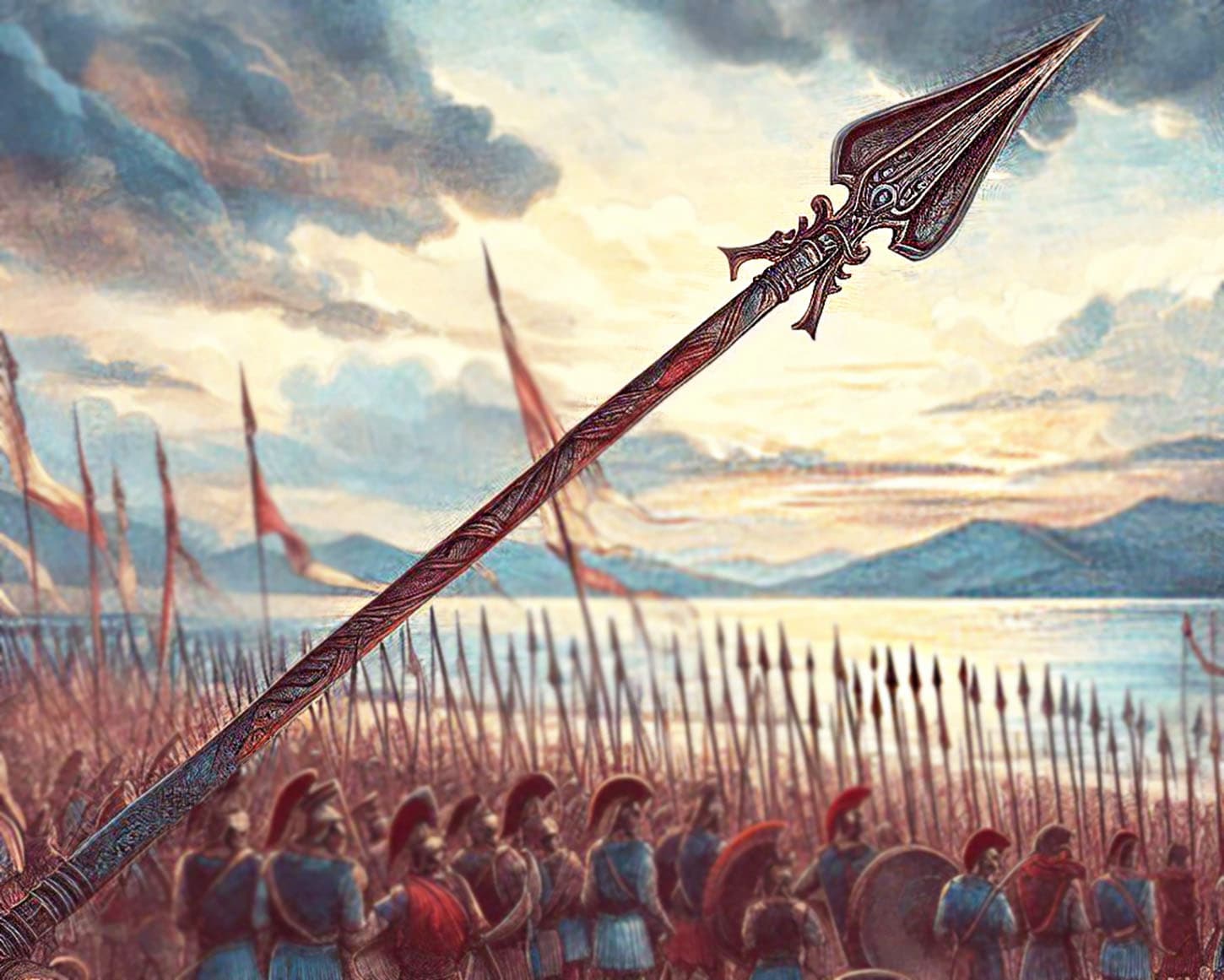
The Misericorde Dagger at a Glance
What is the origin of the Misericorde dagger?
The Misericorde, also known as the u0022dagger of mercy,u0022 was originally designed in the 12th century as a long and narrow dagger that was primarily used to bring a merciful end to the life of a fatally wounded knight. The word Misericorde comes from the Latin word u0022misericordiau0022 meaning u0022act of mercyu0022 and later adopted by the French as u0022miséricorde.u0022
What were the primary uses of Misericorde during the Middle Ages?
The Misericorde dagger was primarily used in the Middle Ages to end the suffering of fatally wounded knights or their horses on the battlefield. It was also used during jousting contests to end a match in the event of an injury, and it was mandatory equipment for the Knightly Order of the Hospitallers. The Misericorde was phased out in favor of daggers with a larger blade that could be used for slashing and cutting.
How is Misericorde dagger different from Stiletto?
Misericorde and Stiletto are both considered daggers, but there are key differences between the two. While Misericorde has a long blade with a cross-section that is flat, triangular, or square and a round, disc-shaped handguard, Stiletto has a triangle blade with a small hilt and a crossguard. Misericorde was primarily used for merciful killing of wounded knights, while Stiletto was employed as an assassin’s weapon or for self-defense.
The misericorde dagger, also referred to as the “dagger of mercy,” had its origins in the 12th century and was primarily employed to bring a merciful end to the life of a fatally wounded knight. This was because the knife of this edged weapon was just narrow enough to go through the gaps and cracks in the armor. The misericorde dagger, or mercy dagger, was a sort of long and narrow dagger often used by knights and warriors in the Middle Ages, namely the 14th and 15th centuries. Around this time the rondel dagger appeared as a variation of the misericorde with a thicker blade used for fighting.
- The Misericorde Dagger at a Glance
- What is the origin of the Misericorde dagger?
- What were the primary uses of Misericorde during the Middle Ages?
- How is Misericorde dagger different from Stiletto?
- A Symbol of Swift Death
- History of the Misericorde Dagger
- Description of the Misericorde Dagger
- Misericorde vs. Stiletto
- Distribution of Misericorde
- Significance of the Misericorde Dagger
- Misericorde Dagger in Popular Culture
A Symbol of Swift Death
Misericorde was designed to be a stabbing weapon, used on a wounded enemy who could no longer fight, to end their suffering quickly and humanely. This included the wounded horses on the battlefield.
As such, the poets of the medieval ages associated the murderous misericorde with “pity,” using it as a symbol of kindness. The weapon’s name has its roots in the Latin word miseria, “wretchedness.”
History of the Misericorde Dagger

The word misericorde comes from the French miséricorde (“mercy”), which in turn is derived from the Latin word misericordia, which means “act of mercy.” The French called it a coup de grâce, the “blow of mercy.”
The misericorde dagger did not become an integral part of military armor until the later Middle Ages, during the 14th and 15th centuries. It was widely used throughout Europe until the early 17th century.
The Knightly Order of the Hospitallers used the misericorde the most often since it was a piece of mandatory equipment. When complete plate armor was no longer used, the misericorde was phased out in favor of daggers with a larger blade that could also be used for slashing and cutting.
Before the 13th century, depictions of this cold weapon in manuscripts and sculptures were very uncommon, and when they did appear, they almost always depicted the misericorde being used in warfare.
During the Crusades and throughout the Middle Ages, the Misericorde dagger was a crucial weapon for dispatching wounded foes. In the event of an injury during a jousting contest, a knight may use the dagger to end the match and save more bloodshed.

Created in Paris in the mid-1240s for Louis IX of France, in the Morgan Bible, daggers and misericordes are nearly as common as swords in various war scenes, but the text gives no indication of how they were worn in times of peace.
In the Charter of Arras (of a French town), written in 1221, the term “misericorde” occurs for the first time in connection with daggers:
“Quicumque cultellum cum cuspide, vel curtam sphatulam, vel misericordiam, vel aliqua arma multritoria portaverit”
Charter of Arras, 1221.
In 1302 and 1303, the French chronicler Guillaume Guiart uses the same term to refer to the dagger once again:
“Plusieurs piétons François ala,
Guillaume Guiart, 1302.
Qui pour prisonniers n’ont pas cordes,
Mais coutiaux et misericordes,
Dont on doit servir en tiex festes.”
Description of the Misericorde Dagger
The misericorde dagger possessed a long blade with a cross section that was flat, triangular, or square and a round, disc-shaped handguard.
Because of its length, experts and historians sometimes refer to the weapon as a short sword rather than a dagger. 8–16 inches (20–40 cm) was a common range for the length of a misericorde.
The blade was lozenge-shaped or triangular. The weapon was a typical product of the weaponsmiths. The framework was strong but rather thin, allowing strikes to pass through the cracks in the armor.
It was small enough to stow away discreetly and deadly enough to end the life of a wounded foe in an instant.
In the misericorde dagger, the handle is worked differently. The handguard was designed with a round plate shape, which was also present at the pommel. This handguard served as both the hilt and the handle.
This made it possible to keep hold of the dagger despite attempts to dislodge it and reduced the blade’s tendency to slide during a stroke.
The misericordes can be broken down into two categories: fighting knives with a single edge and daggers with two edges. The prominence of ornamental elements is another distinguishing feature of this weapon compared to other daggers.
Misericorde vs. Stiletto
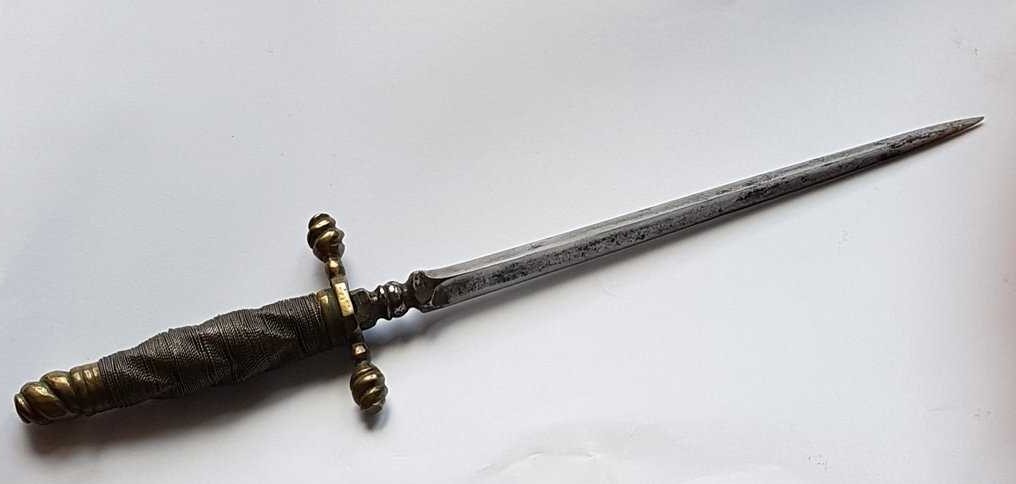
A stiletto, a small dagger with a triangle portion often employed as an assassin’s weapon or for self-defense, is not to be confused with the misericorde dagger. Stilettos feature a triangle blade and a thinner overall profile than misericordes, which often have a thicker blade with a rounder pommel.
While both stilettos and misericordes are considered daggers, there are key distinctions between the two. Stilettos were developed in the late 15th century, during the Renaissance. But in the 12th century, misericordes were already in use to humanely kill a wounded knight or animal.
Therefore, it is believed that stilettos were developed from misericordes to be a longer and narrower dagger; hence, they were favored by medieval assassins. There was also a “rondel dagger” with larger blades used from the 14th century onward.
Both misericordes and stilettos are designed to pierce tough materials like armor or heavy clothes with their long, thin blades and sharp, pointed tips. The design of their blades allows them to more easily slip between armor plates and into crucial body parts. They are mostly distinguished by their size, blade, and purpose of usage.
Distribution of Misericorde
Misericorde first emerged in the arsenals of Germany, Persia, and England in the 12th century. The weapon was used in the Holy Roman Empire and in many areas of Europe. They were in the armament of the German, English troops.
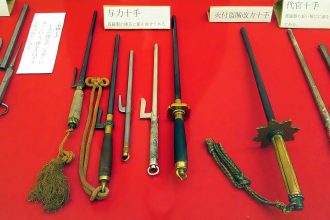
In Japan, they’ve been using a weapon similar to the misericorde since the 11th century. In the early 12th century, it reached its zenith of popularity, earning the moniker “eron toshi” (literally “destroyer of knightly armor”).
It was carried in the left hand and slung over the right hip, behind the belt. The warriors were taught a unique style of combat while wearing the “eron-kumi-uti” armor. It took practice to utilize the dagger effectively while maintaining control of the opponent with one hand.
Significance of the Misericorde Dagger
In the past, not everyone agreed with the decision to use the misericorde. According to some, using such a weapon to carry out a mercy killing was immoral and violated the chivalric code of honor. But others claimed that it was a technique that should be used sparingly and only when absolutely required since it helped stop the agony of injured warriors.
Modern audiences for the misericorde dagger are mostly academics and collectors of medieval blades. Some specimens of this object date back to the 14th century, making it an extremely uncommon and expensive find. Today, the misericorde dagger is still widely recognized as a potent emblem of medieval chivalry and combat.
Misericorde Dagger in Popular Culture
The misericorde dagger has made appearances in many media throughout the spectrum of popular culture.
Inspired by the misericorde dagger and stiletto, Arya Stark wields a little sword known as Needle in George R. R. Martin’s “A Song of Ice and Fire” novel and the TV series Game of Thrones.
There is a book named “Misericorde,” also known as “Mercy Series Book One,” by Cynthia A. Morgan, which was published in 2020.
The Misericorde dagger is an uncommon weapon used in the action role-playing video game Elden Ring.
References
- Ancient Armour and Weapons in Europe: From the Iron Period of the Northern Nations To The End Of The Thirteenth Century – John Hewitt – Google Books
- Andrzej Nadolski: Arms and costume of Polish knights in the Middle Ages. Warsaw: Ossolineum, 1979, p. 94. ISBN 83-04-00108-X.
- The Routledge Companion to Medieval Warfare, Routledge. Jim Bradbury. 2004. ISBN 978-0-415-22126-9.