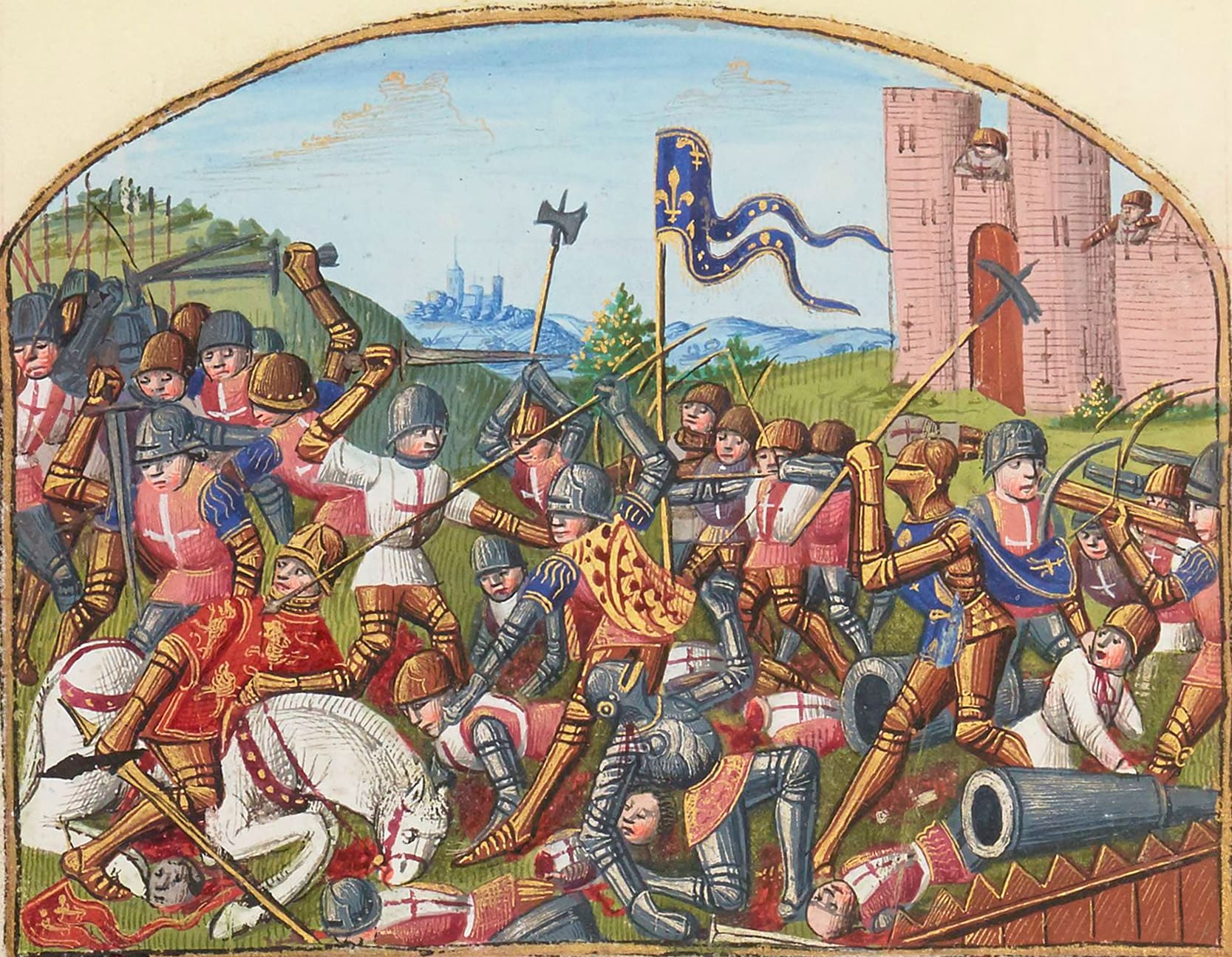
As the year 1943 progressed, the military situation for the Germans in World War II became more dire. The Allies were getting ready to conquer Italy when the Soviets scored a major victory at Stalingrad on the Eastern Front. The German army was starting to lose ground. The Nazi dictatorship stiffened in 1944 following the Normandy invasion and the Soviet onslaught. The German general staff decided to take action as defeat seemed more and more certain. In preparation for peace talks with the Allies, they plotted Operation Valkyrie, Adolf Hitler‘s death, and the collapse of the Third Reich. German resistance members made their last effort to overthrow Hitler in a conspiracy on July 20, 1944. Hitler was unharmed by the explosion, and the coup’s plotters were promptly arrested and put to death. Then, Heinrich Himmler and the Gestapo led a wave of brutal repression against any and all opponents.
- Why was Operation Valkyrie planned?
- Who were Operation Valkyrie’s organizers?
- What were the preparations for Operation Valkyrie?
- How did the assassination attempt of July 20, 1944 unfold?
- How did the attempted coup d’état of July 20, 1944 take place?
- What were the results of Operation Valkyrie?
- What were the reactions to Operation Valkyrie?
Why was Operation Valkyrie planned?
The Nazi Party was established in February 1920, a time of political and economic unrest, and came to power on January 30, 1933. Adolf Hitler became Chancellor of the Reich in a Germany devastated by the Great Depression. When President Hindenburg passed away on August 2, 1934, he took over as head of state. This selection as the new German leader under the title of “Führer” ultimately led to the demise of the Weimar Republic and the rise of the Third Reich. Eventually, the Nazi Party was recognized as the only legitimate political organization in Germany. After Hitler’s invasion of Poland and Stalin’s subsequent signing of the German-Soviet Pact, World War II officially began that year. Starting in 1943, Germany saw a string of military defeats that ultimately undermined the Führer’s position. Hitler had been the victim of multiple failed assassination attempts dating back to 1938. The assassination and putsch attempt known as “Operation Valkyrie” failed to kill Adolf Hitler. The conspirators wanted to remove the Nazi system so that law and order could be restored, the Führer’s dictatorship could be ended, the war could be turned back against Germany, and peace could be speedily negotiated with the Allies.
Who were Operation Valkyrie’s organizers?
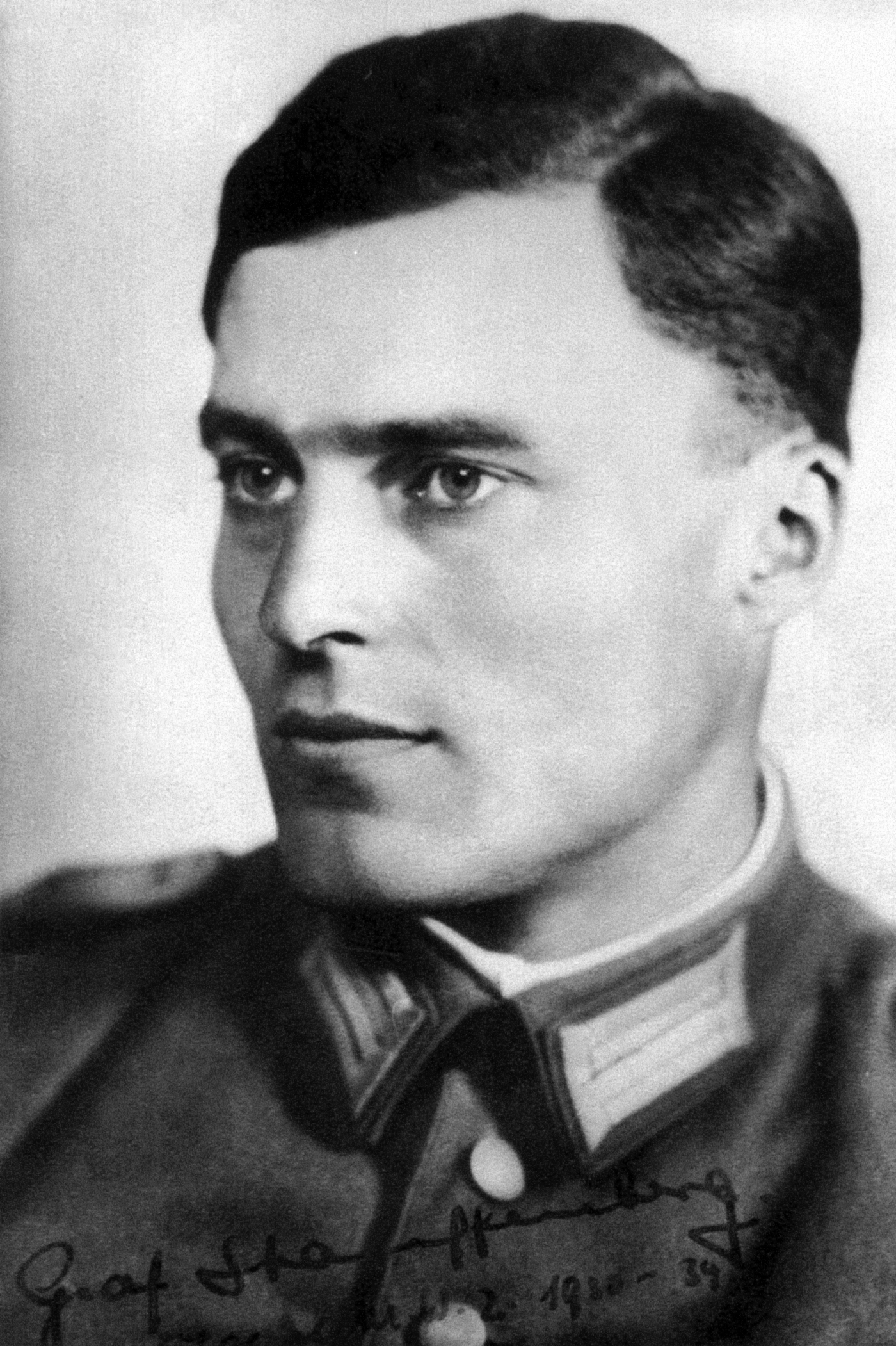
Officers in the German Wehrmacht and some of their country’s leading thinkers conceptualized and planned Operation Valkyrie. Some of the general staff disapproved of Führer’s choices after Stalingrad. The Third Reich’s downfall seemed imminent, yet they still tried to rescue everything they could. They quickly became a part of the Kreisau Circle, a group of 1938-formed intellectuals who discussed life in a post-Nazi Germany. Generals Olbricht and Fromm were among the several high-ranking commanders involved in the plot. Included in this group were Henning von Tresckow, Rudolf-Christoph von Gersdorff, Werner von Haeften, and Count Claus von Stauffenberg. They were essential to Operation Valkyrie since they were responsible for Hitler’s assassination. Furthermore, former chief of staff Ludwig Beck and former mayor of Leipzig Carl Goerdeler were also engaged. The scheme also included assistance from other members of the internal resistance against the Nazis. Among them were Peter Yorck von Wartenburg, Eugen Gerstenmaier, and Helmuth James von Moltke.
What were the preparations for Operation Valkyrie?
People generally agree that there were two major phases to the failed putsch on July 20, 1944. The first was the assassination of Adolf Hitler; the second was the seizure of power and the establishment of a new regime. It was in the summer of 1943 that General von Tresckow and Count von Stauffenberg agreed to resurrect an emergency plan from 1940 called Operation Valkyrie. The idea was to employ General Fromm’s reserve force to seize control of the key cities. With his promotion to Chief of Staff on July 1, 1944, Claus von Stauffenberg gained access to Hitler and his inner circle. Attending meetings in the Führer’s primary residences of Berghof and Wolfsschanze on July 6, 11, and 15. Three times he had explosives with him but chose not to detonate them, mostly because Himmler was not around. Before Hitler was killed, the conspirators hatched a plan for a transitional administration to take power when the Nazis were toppled. Key posts were held by Ludwig Beck, the Reich President, and Carl Friedrich Goerdeler, the Chancellor of the Reich. As the coup approached on July 19, General Olbricht sent a warning to the key conspirators.

How did the assassination attempt of July 20, 1944 unfold?
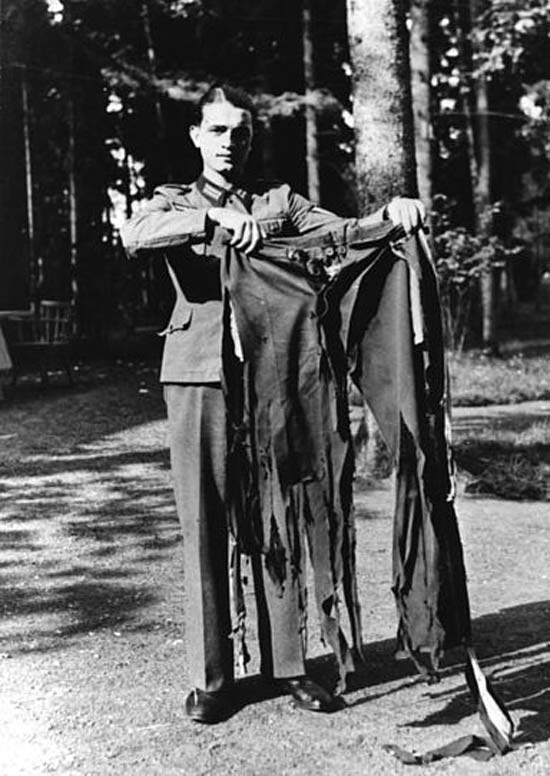
Colonel von Stauffenberg and Oberleutnant von Haeften traveled to the Wolfsschanze in Rastenburg, East Prussia, on July 20, 1944. Upon entering the “Wolf’s Lair,” they were informed that their scheduled meeting with Hitler had been moved forward in anticipation of Mussolini’s arrival. When only one of the two explosives intended for the assault could be detonated in time, Stauffenberg gave the other, still unprimed, to Haeften. Once inside, he positioned the bomb beneath the table at the Führer’s feet. On the other hand, an officer pushed the briefcase too far, and it slid under the table and became stuck behind a sturdy leg. The colonel vanished suddenly, and the bomb went off at 12:42. Four individuals were killed, although nobody was really targeted. Lucky for him, Adolf Hitler escaped with just minor wounds, including scrapes and minor burns. Even after seeing the magnitude of the destruction, Stauffenberg and Haeften left the Wolfsschanze certain that their assault had been successful. At 1:15 p.m., they boarded a plane to Berlin in preparation for the start of Operation Valkyrie, with the assumption that Hitler had already been assassinated.
How did the attempted coup d’état of July 20, 1944 take place?
Although several conspirators were holding a meeting in Berlin, the situation was unclear for a while in the afternoon. If the assault had happened, and if Hitler had survived, the details were murky. Friedrich Olbricht went against General Fellgiebel’s recommendation and postponed the measure. In the afternoon, at about 4:30, they were joined by Stauffenberg and Haeften, who confirmed the Führer’s death. At long last, Operation Valkyrie got underway. The coup plotters seized government buildings and detained SS members from Paris to Prague. Yet again, the operation was a failure since not all cops were given their instructions. The Bendlerblock, where the Wehrmacht was commanded, was the meeting place for the chief conspirators. However, Hitler was informed of the scheme, and word of his survival reached Berlin very soon. In Prague, Vienna, and Paris, supporters of the military putsch halted activities due to widespread chaos. The Bendlerblock was encircled by Führer forces at about 11 p.m. There had been no success in the coup.
What were the results of Operation Valkyrie?
After finding that Hitler was still alive, General Fromm, who was in charge of the reserve army, turned against the conspirators. Just before midnight, he ordered his soldiers inside the Bendlerblock and arrested everyone there. He had his erstwhile associates, including Olbricht, Haeften, Stauffenberg, and Beck, killed quickly to keep them from betraying him. The Führer made a radio address the following day, promising the total destruction of the traitors. Due to the defeat of Operation Valkyrie, the German resistance was put through brutal repression. Heinrich Himmler, leader of the SS and Gestapo, orchestrated this. Nearly 5,000 alleged regime opponents were imprisoned, tortured, and prosecuted by the Nazis in the weeks that followed. Following their trials, several of them were executed by hanging in Reich prisons. Most of the conspirators were given death sentences and put to death by Judge Roland Freisler. A few of them, like Henning von Tresckow and Günther von Kluge, took their own lives instead. Their families were sent to extermination camps, where most of the conspirators perished. It was the height of Nazi horror.
What were the reactions to Operation Valkyrie?
The failure of Operation Valkyrie further strengthened Adolf Hitler’s standing in the eyes of the people, and the conspirators’ goal of bringing down the Third Reich only made it more authoritarian. Fearful of the impending arrival of the Red Army, the population and the military united behind their Führer. The Wehrmacht was subjugated, and the traditional military salute was substituted with the Nazi salute. Support for Hitler became strong in Germany as political indoctrination and Nazi propaganda reached unprecedented heights. Nonetheless, the action was seen from afar by the Allies and Russia. Ten years later, in 1952, at the conclusion of the Remer trial, those responsible for the attempt on Hitler were hailed as heroes. Angela Merkel paid tribute to them and opened a permanent exhibit at the German Resistance Memorial on June 28th, 2014. Their deaths had shown the world that German officers opposed the Nazis.
Bibliography:
- Burleigh, M. (2012). The Third Reich: A New History. London: Pan Macmillan. ISBN 9780330475501.
- Page, Helena (1993). General Friedrich Olbricht: Ein Mann des 20. Julis. Bonn: Bouvier Verlag. ISBN 3-416-02514-8.
- Jones, Nigel (2008). Countdown to Valkyrie: The July Plot to Assassinate Hitler. Frontline. ISBN 978-1-84832-508-1.
- Rüthers, Bernd (2005). Spiegelbild einer Verschwörung – Zwei Abschiedsbriefe zum 20 July 1944. Juristenzeitung 14. pp. 689–698.
- Fest, J. (1997). Plotting Hitler’s Death: The Story of German Resistance. New York: Henry Holt and Company. ISBN 9780805056488.