Nestled on the fertile southwestern slope of the Hill of Moreh overlooking the sweeping green expanse of the Jezreel Valley in northern Israel lies the ancient settlement of Shunem, preserved today as the Arab village of Sulam just south of Nazareth and Afula. Occupying one of the most strategic agricultural and military crossroads of the Southern Levant—guarded by Mount Tabor to the northeast and Mount Gilboa to the south—Shunem boasts an unbroken archaeological and historical record spanning more than three thousand five hundred years, from the war chariots of Egyptian Pharaohs and Philistine armies to the famous literary accounts of Hebrew kings and prophets.
Bronze Age Origins: Thutmose III and the Amarna Letters
Long before Shunem appeared in Hebrew narratives, it was a thriving fortified Canaanite town documented in the royal archives of New Kingdom Egypt. The name Shunem (meaning “Two Resting Places” or possibly derived from an ancient Canaanite deity) makes its earliest historical debut in the fifteenth century BC carved onto the monumental topographical lists of Pharaoh Thutmose III at the Temple of Karnak in Luxor, following his famous victory over a Canaanite coalition at nearby Megiddo around 1457 BC.
A century later, during the fourteenth century BC reign of Pharaoh Akhenaten, Shunem appears prominently in the Amarna Letters—the clay cuneiform diplomatic correspondence discovered in Egypt. According to Letter EA 250 and EA 365, the Canaanite ruler of nearby Shechem, Lab’ayu, attacked and destroyed the town of Shunem (written in Akkadian cuneiform as Šunama). After Shunem’s destruction, its rich surrounding wheat fields in the Jezreel Valley were converted into direct crown property belonging to the Egyptian Pharaoh himself. In Letter EA 365, Biridiya, the prince of Megiddo, wrote proudly to Pharaoh reporting that while other lazy local mayors refused to help, he alone had brought three hundred corvée laborers and ox-plows to cultivate the Pharaoh’s royal grain fields at Shunem.
The Battlefield Camp of the Philistines and the Shunammite Figures
Because Shunem sat on the gently rising northern flank of the Jezreel Valley with abundant freshwater springs and a clear view across the plain toward the spring of Harod at the foot of Mount Gilboa, it served as a natural military staging ground. In the eleventh century BC, when the combined city-states of the Philistines marched inland to crush the fledgling kingdom of King Saul, the Philistines pitched their main war camp right at Shunem, looking directly across the valley five miles south at Saul’s Israelite army camped on Mount Gilboa—just before the decisive battle in which Saul and his son Jonathan fell.

In later historical and literary traditions of the region, Shunem became famous for three remarkable female figures:
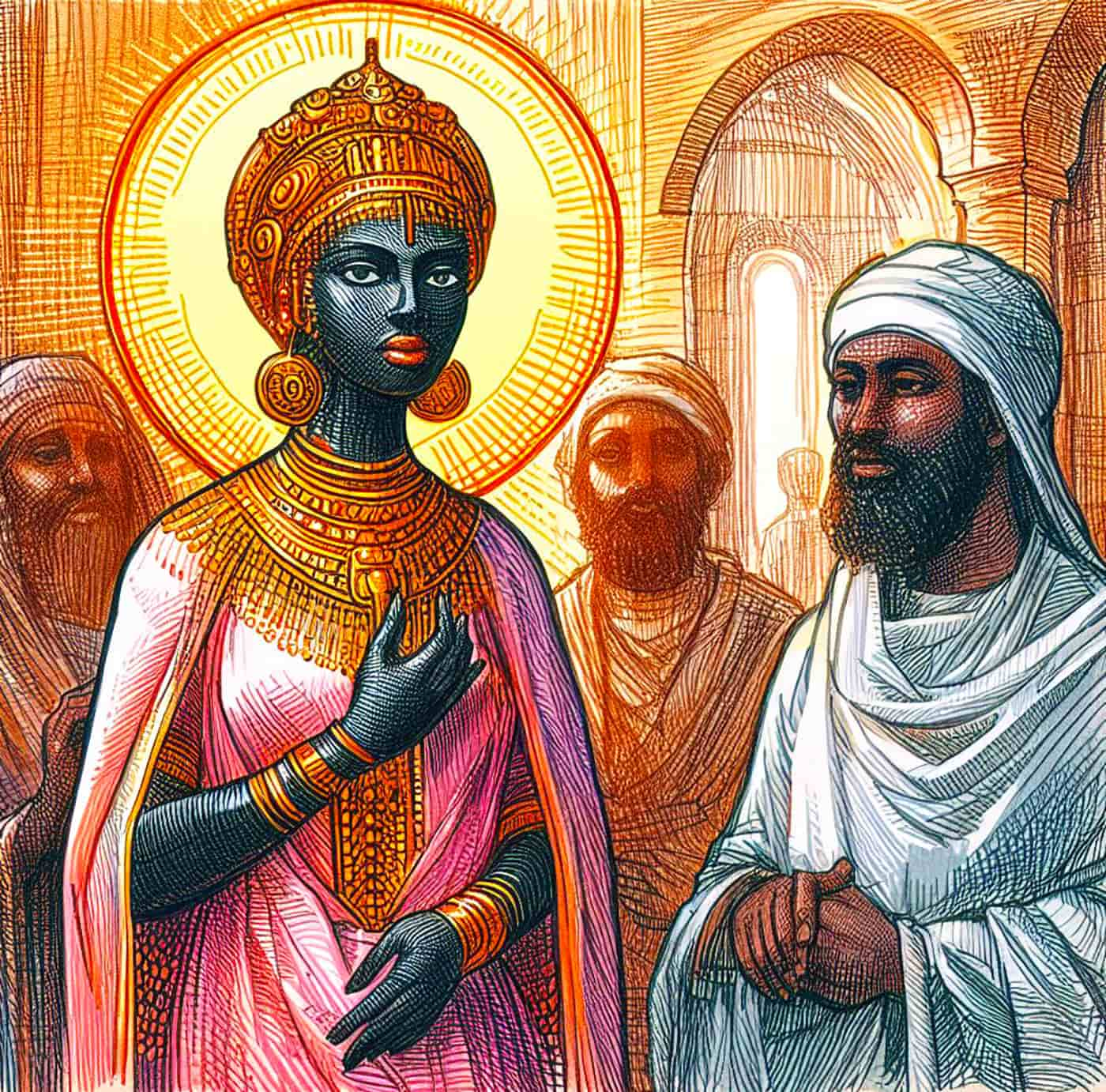
- Abishag the Shunammite: Chosen from Shunem for her extraordinary beauty and poise to serve as the personal nurse and attendant to the aged, frail King David in his final days in Jerusalem, Abishag became such a potent symbol of royal legitimacy after David’s death that when David’s elder son Adonijah asked to marry her, the new King Solomon viewed the request as a plot to claim the throne and had Adonijah executed.
- The Wealthy Woman of Shunem: In ninth-century BC accounts surrounding the prophet Elisha, whenever Elisha walked across the Jezreel Valley between Mount Carmel and the Jordan River, a prominent, wealthy noblewoman of Shunem invited him to dine and built a furnished upper guest chamber on the roof of her house—complete with a bed, table, chair, and oil lamp—specifically for the traveling prophet, who subsequently blessed her with a son and later revived the boy after he suffered fatal sunstroke in his father’s harvest fields.
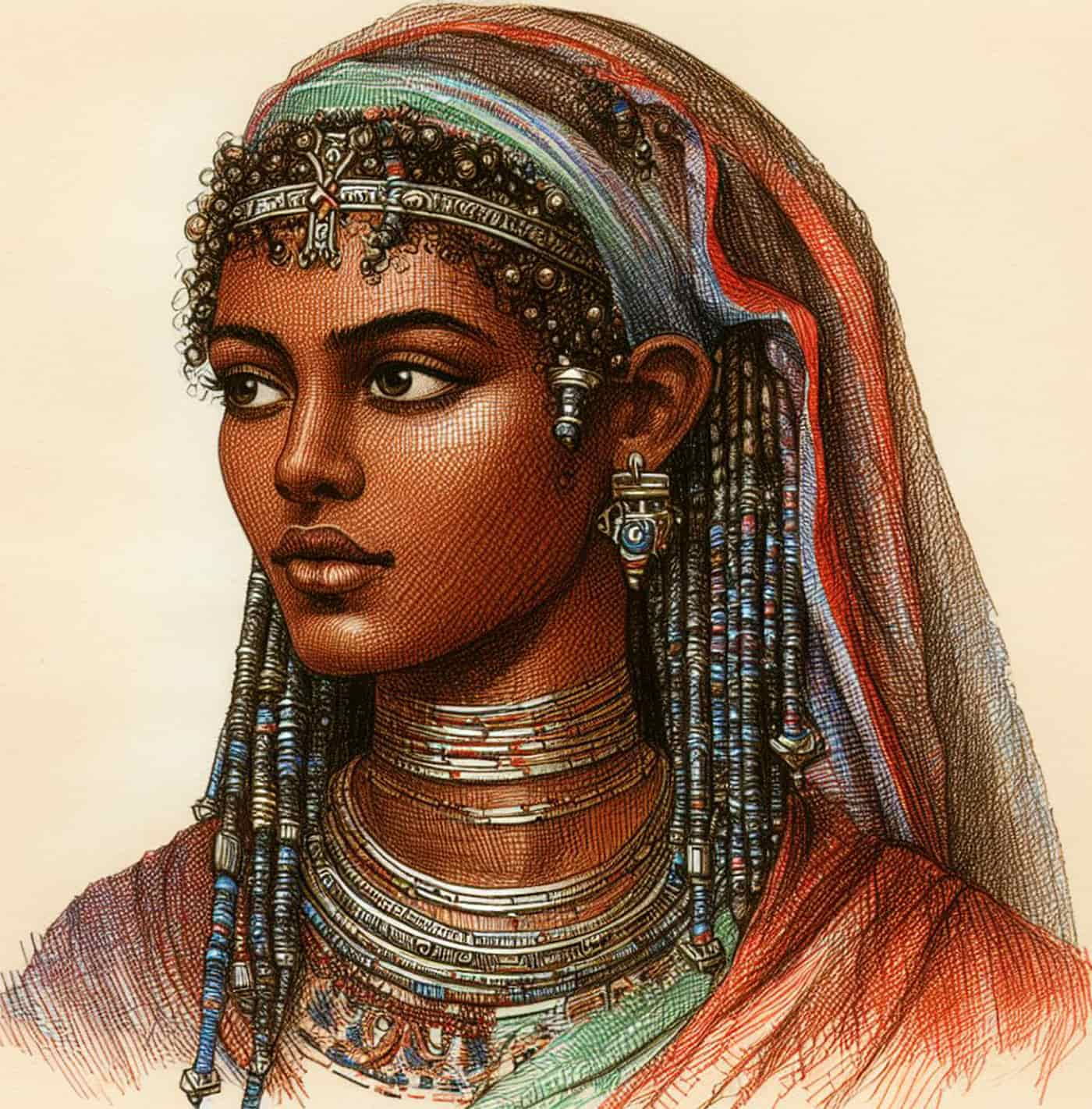
- The Shulamite of the Song of Songs: Many historical geographers and linguists identify the poetic heroine of the Song of Songs—the “Shulamite”—as a dialect variant of “the Shunammite,” linking her directly to the famous beauty and lush vineyards of Shunem.
From Roman Sulem to Modern Archaeological Excavations
During the Roman and Byzantine eras, the fourth-century church historian Eusebius of Caesarea noted in his Onomasticon that ancient Shunem was still a thriving village located five Roman miles south of Mount Tabor, known to the locals of his day as Sulem—virtually identical to the name of the modern village of Sulam that sits atop the ancient tell today.
Modern salvage excavations conducted inside Sulam by the Israel Antiquities Authority have cut through layers of history confirming its continuous habitation: unearthing Early and Late Bronze Age pottery, Iron Age basalt olive presses and storage jars from the era of the kings of Israel, Hellenistic and Roman masonry, lavish Byzantine mosaic floors, and medieval Crusader and Mamluk fortifications—proving that the freshwater springs on the slope of Moreh have sustained human life without interruption fornearly four millennia.