Intricate rules for who should succeed whom, palace intrigues, constantly shifting borders, Western and Eastern capitals, a plethora of adversaries, etc. There are many intriguing aspects of Roman history and the empire itself. The Roman Empire, which began its expansion throughout Europe, Western Asia, North Africa, and the Mediterranean in the 8th century BC, left behind several technologies that remained in use long after its fall in the 5th century AD. Urban centers all around the globe, for instance, still include examples of several old architectural achievements. Learn about five Roman innovations that were decades ahead of their time, proving that the Romans’ engineering and craftsmanship left an indelible mark on the contemporary world.
The sewers
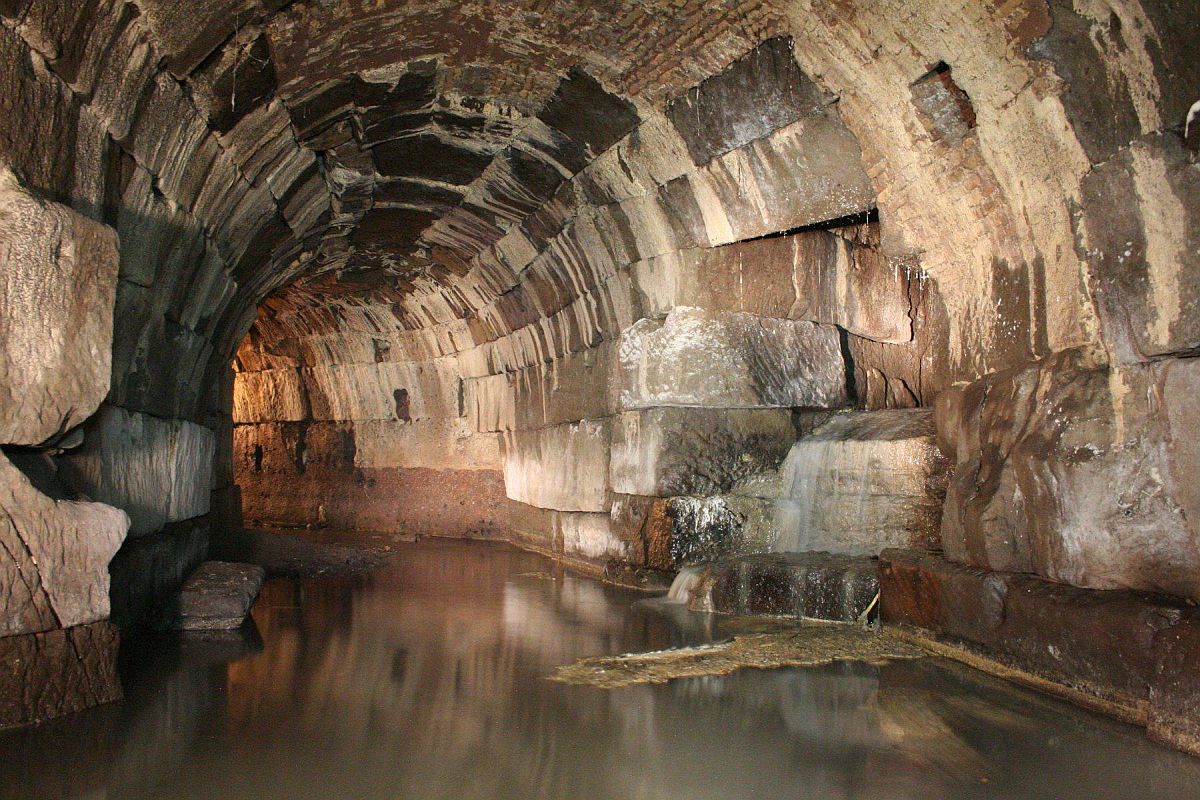
Archaeologist Ann Olga Koloski-Ostrow, often known as the “Queen of Latrines” among her peers for her dedication to studying ancient hydraulic engineering, argues in an essay for The Conversation (2015) that the Etruscans constructed the city of Rome’s first subterranean sewers approximately 500 BC. Once the Romans conquered a city, they often built similar buildings out of stone that had been intricately carved by the prehistoric peoples of the Italian peninsula. The researcher notes, the length and breadth of the major sewer, the Cloaca Maxima (“the great sewer”), in several towns, notably Rome, equal the size of the main sewage pipes in many cities today. Still, she keeps in mind that modern sanitation standards make it impossible to replicate the original function of these historic galleries.
Sewers’ primary purpose in modern times is to remove garbage from populated regions. Their primary function at the time, however, as shown by ancient digs in the Italian capital, was to drain the city’s surplus standing water and prevent street flooding. Particularly when the neighboring Tiber overflowed, as it did regularly, it was drained via the Cloaca Maxima. The galleries were not concealed under all residential areas; although some homes had direct access to the concealed drainage system, others just dumped their garbage into the streets and rinsed their dirty water down the drain. Ann Olga Koloski-Ostrow noted that throughout the ancient towns of Pompeii, Herculaneum, and Ostia, there were very few linked private or public restrooms. All of it made its way to the river via a system of tunnels.
Roads and concrete
All roads lead to Rome; omnes viae romam ducunt.

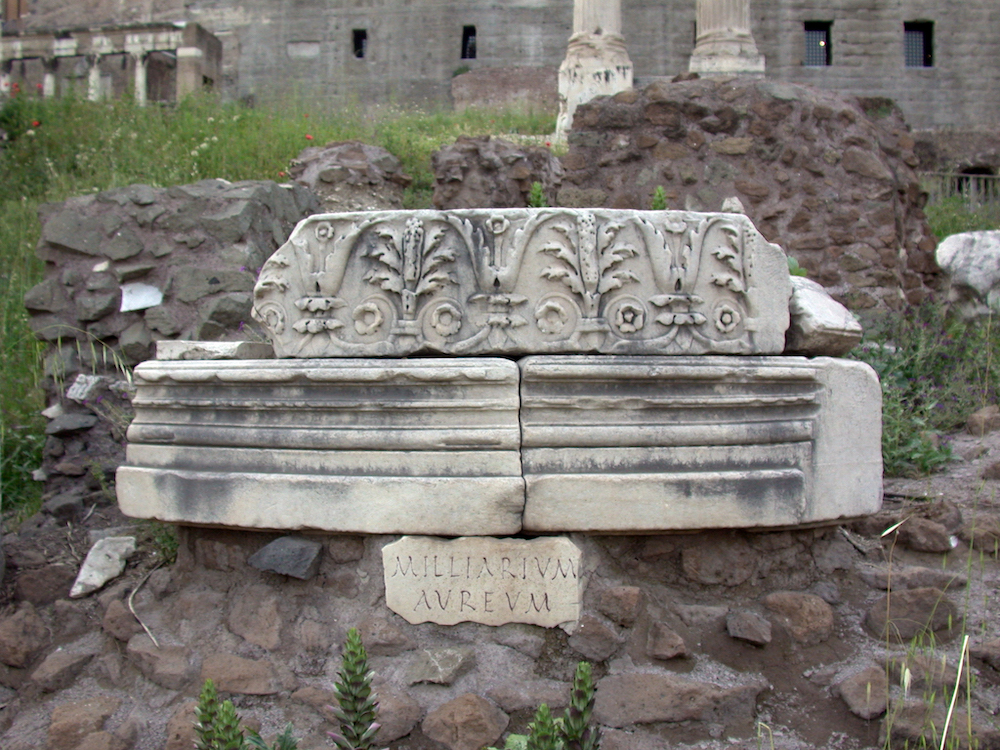
By 200 AD, the Romans had built nearly 263,500 miles (80,000 km) of roadways (the exact figures differ according to the sources), divided into twenty-nine streets, beginning at zero in the Roman Forum, where the Milliarium Aureum (also known as the Golden Milestone) is now located. And it doesn’t even account for the miles of dirt roads that have been built. The Romans used pretorian, vicinal, and private roads, but their construction method is a well-guarded secret. Some roads from 2,000 years ago are still in use, which begs the question of how contemporary concrete may dissolve in a matter of years when exposed to salt water. The topic was investigated further by scientists at the Lawrence Berkeley National Laboratory at the University of California, USA, and their results were published in 2013.
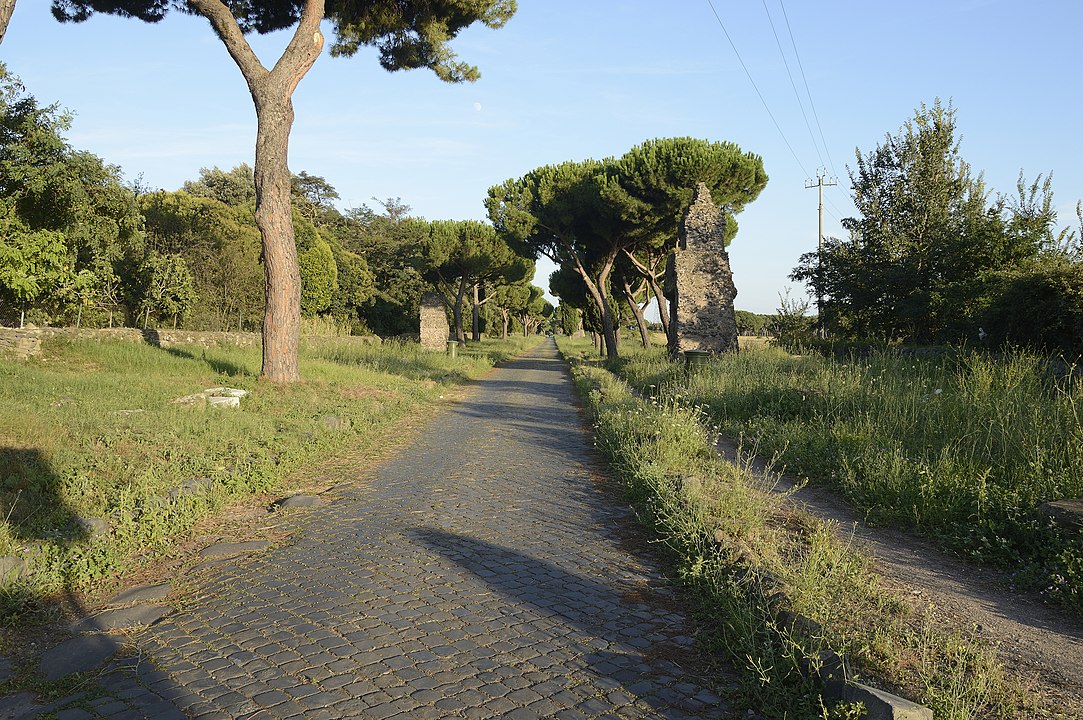
Their research revealed that the original mortar was made from a combination of lime, rock, and volcanic ash. And then they submerged it in salt water to fortify it even further. As a consequence of the chemical reaction, a “strong calcium aluminum silicate hydrate” was produced, which ensured the continued stability of not just their roads but also their structures, such as the Colosseum. Although it would be incorrect to claim that Roman engineers developed concrete, it was obvious that traditional manufacturing methods were refined during the empire’s heyday, resulting in a material that was both adaptable and immensely robust. In addition to being perfectly straight, the roadways had a little incline and were accompanied by gutters. These made sure that rainwater and fallen objects would not pool on the trail. Ingenious!
Bound books
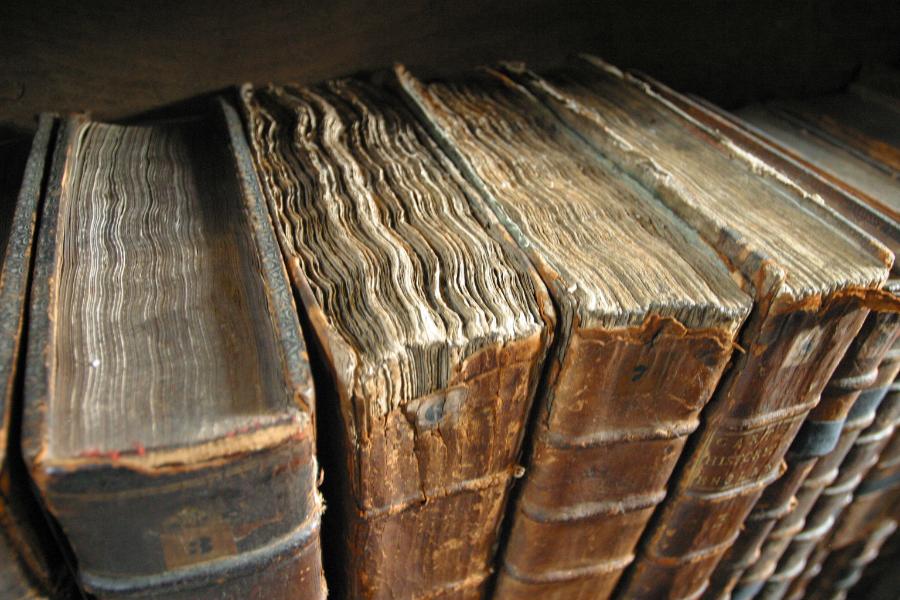
The Romans weren’t the first to record their history on paper; cuneiform, the first writing system, dates back to about 3,300 BC. They may, however, be responsible for the decline in the use of papyrus scrolls (which may measure up to 33 feet or 10 meters in length) and heavy clay tablets. Julius Caesar, probably around 85 AD, would have ordered one of the first bound books, a codex, an assembly of ancient wax tablets and layers of papyrus held together by a leather link. This would have been necessary due to the difficulty of transporting and storing texts or the fragility of documents. To make the wax’s impressions, a “stylus” was used, a tool with a sharp edge. Eventually, lighter animal skins took their place. The early Christians used this method for creating codices of the Bible and other holy writings.
Surgical tools
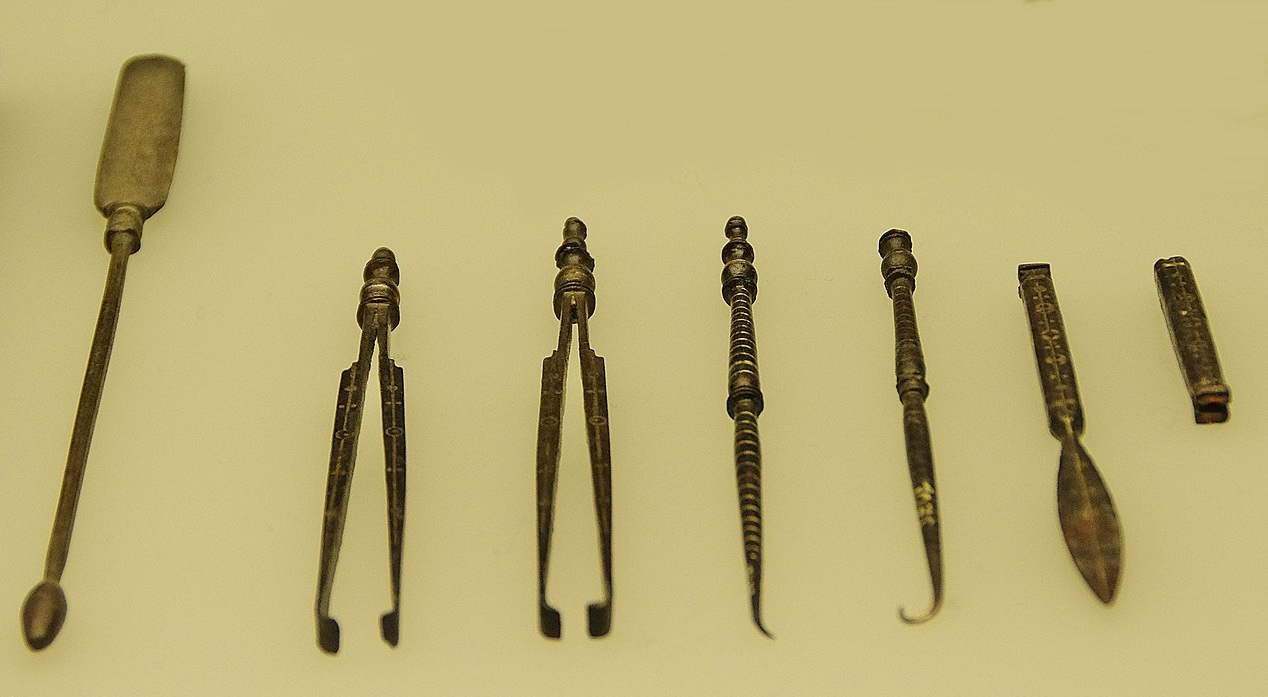
The Romans learned about medicine from the Greeks and Egyptians, but they also invented much of the equipment used in the field throughout the Roman Empire, initially out of stone and bronze and then out of iron, according to a 2012 paper published in the Archive of Oncology. The “corvus” (scalpel), “cyathiscus” (or “Spoon of Diocles” for projectile extraction), “volsella” (tweezers to remove bone fragments), “ferrum candens” (cautery), “paxilius” (fracture treatment), “trepan” (treatment of traumatic brain injury), “hooks,” “bone drills,” and “lever pliers” all contributed to the development of modern surgery. History suggests that Galen of Parma, physician to numerous Roman emperors, whose books would have remained references until the 1500s, mentions “vaginal and rectal specula, catheters, probes, and curettes” in his medical treatises.

House heating
One of the finest luxury items of the present day is under-floor heating. However, the hypocaust system was already being used by the Romans as an early technique for heating dwellings. Outdoor fireplaces supplied the hot air that was piped into the basements of buildings that were elevated on piles or concrete walls. The higher floors were heated by ducts in the walls, while smoke was removed via vents in the ceiling. An idea that had been noted before in the buildings of other civilizations but which the engineers of the Roman Empire took to heart and developed. The system was also rather expensive, so it was often reserved for use in public buildings, mansions of the wealthy, and spas. The idea is still utilized today, for example, in Turkish baths, with little change from the original.
Other concepts developed by the Romans, such as the layout of cities (centuriation) or the construction of buildings (insulae), could still be cited. However, it must be emphasized that many of these ancient developments, as has been pointed out, cannot be attributed solely to them. For example, the Romans did not make the first calendar, but the fact that they used it so much (the Julian calendar) may have inspired other cultures to make their own.
Bibliography:
- Kacharava, D. (1990). “Archaeology in Georgia 1980-1990 (Post-Prehistoric to Pre-Mediaeval)”. Archaeological Reports. doi:10.2307/581171. JSTOR 581171.
- K (2014-10-01). History of the World in 1,000 Objects. Penguin. ISBN 978-1-4654-3663-4.
- Littlewood, R. Joy (2006). A commentary on Ovid: Fasti book VI. OUP Oxford. ISBN 978-019-927-134-4.
- Izzet, Vedia (2007). The Archaeology of Etruscan Society. Cambridge University Press. ISBN 978-110-732-091-8.
- Rance, Caroline (2015-12-15). The History of Medicine in 100 Facts. Amberley Publishing Limited. ISBN 978-1-4456-5004-3.
- Maynard, Charles W. (2006-01-15). The Technology of Ancient Rome. The Rosen Publishing Group, Inc. pp. 36, 51. ISBN 978-1-4042-0556-7.