We often explore the historical processes that led to the current state of the globe. We highlight individuals, events, and initiatives that have had a lasting effect on our culture. It’s not the same this time around. All of the historical ideas discussed in this article have ultimately failed, and in many instances, this was actually for the best. If not mountains, at least ships across the Alps can be moved by faith in technology. Here are three ambitious projects designed to shape the planet but never implemented.
Atlantropa: A new supercontinent
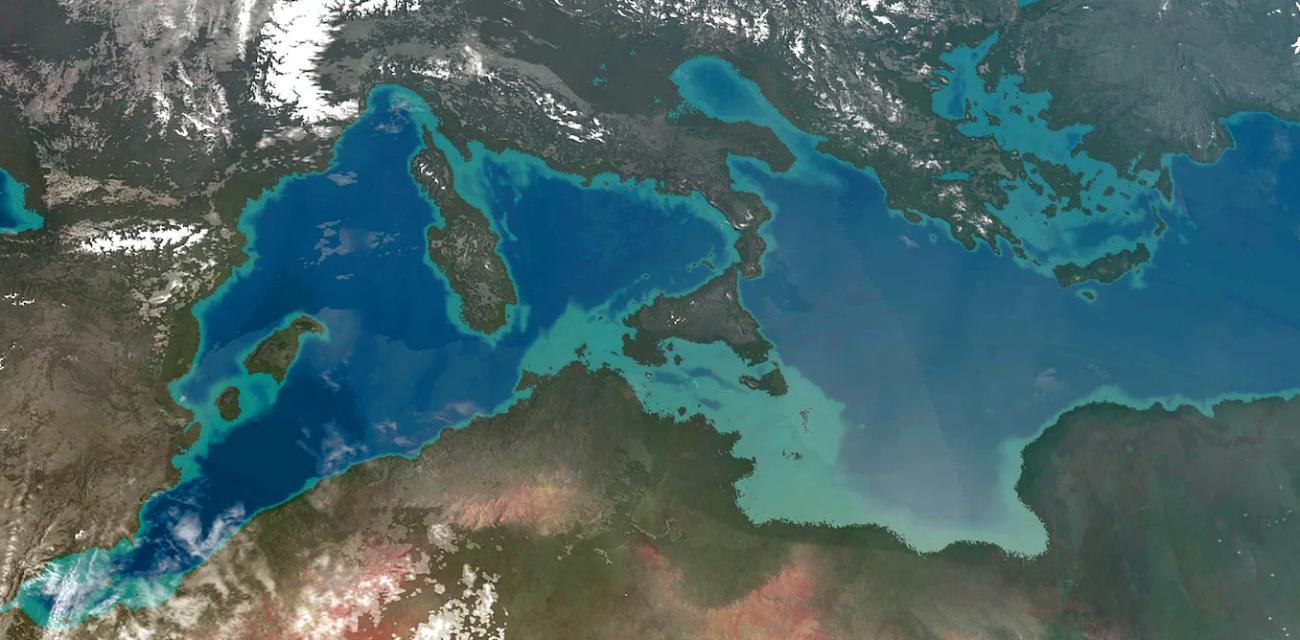
The designs of Bavarian architect Herman Sörgel, for instance, call for enormous dams to be built in the Strait of Gibraltar and the Dardanelles. The Mediterranean Sea would be walled off from its most major tributaries and so be largely drained. Sörgel, an architect for the Bavarian government who was born in Regensburg in 1885, proposed the massive undertaking in the 1920s. If “Atlantropa” had existed, people may have walked to Africa from Europe.
Sörgel considered himself a pacifist who intended his efforts to contribute to a peaceful global order. There were imperialist undertones to his plan, since he was thinking primarily of exploiting Africa for its raw materials and minerals to benefit Europe’s economy. If the sea level had been lowered by 330 to 655 feet (100 to 200 m), an additional livable region the size of Spain would have been exposed along the beaches.
The visionary also believed that the enormous dams would provide an abundance of renewable energy, more than enough to power the whole new supercontinent. This was to be supplied by a hydroelectric power plant at the massive dam located 18 miles (30 km) off the coast of Gibraltar.
He was unable to publish his work because the National Socialists rejected his designs. When the war ended, Sörgel had renewed faith that Atlantropa would one day be built. It was still an ideal world, however. That is understandable given the state of knowledge presently.
The human and environmental costs would have been huge, since all Mediterranean ports except Venice, which Sörgel planned to link to the sea by a canal, would have been cut off. If sea levels had risen by one meter over the world as a result of Atlantropa, the repercussions on climate and ecosystem would have been nearly unimaginable.
Whether Atlantropa could have been realized in this shape is an open issue at the end. If a dam of the required proportions would have held permanently is a matter of reasonable doubt. Herman Sörgel’s death in 1952 signaled the end of the development of the Atlantropa project, also known as Panropa.
Crossing the Alps by ship
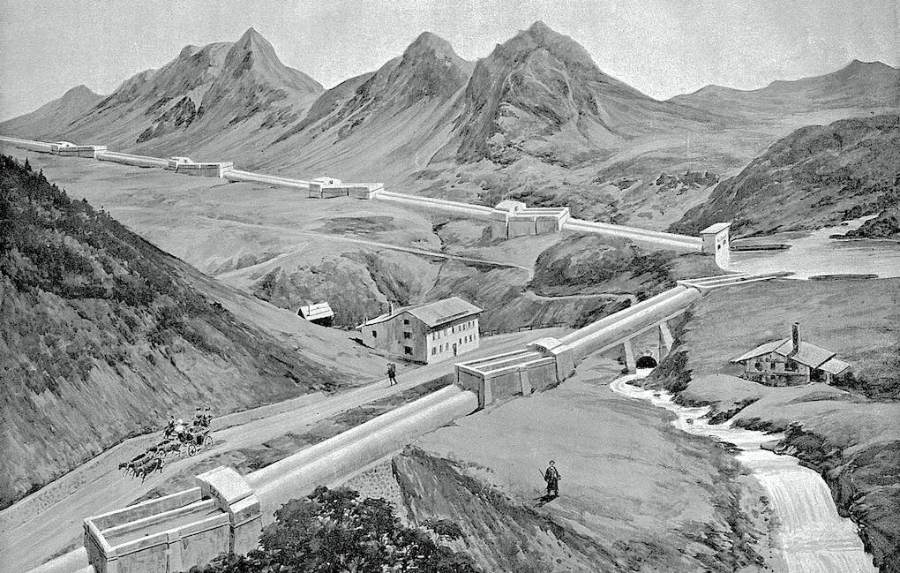
A river over the Alps, connecting the Mediterranean and Lake Constance, was another incredible-sounding proposal that was never built but whose impacts would not have been as devastating. Pietro Caminada, an Italian engineer, envisioned a water route from Basel to Genoa that would stretch approximately 370 miles (600 km) in the early 20th century.
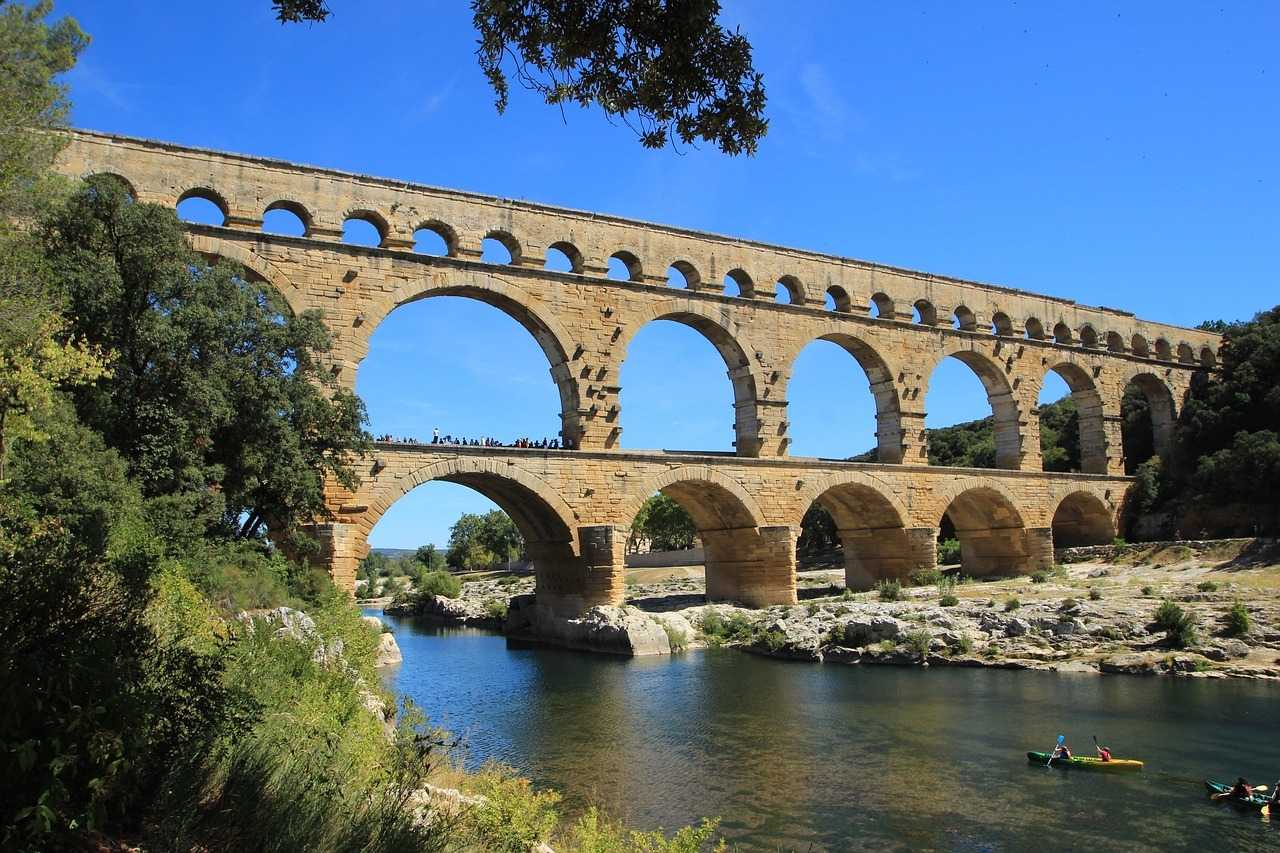
Caminada devised a novel pipe system with a complicated set of locks to handle ships 165 feet (50 m) in length, despite the difference in altitude. In inclined tubes, the concept was that the rising water would act as an additional propulsion source for the ships. Water flows back and forth between two tubes in this setup.
The designs had been judged practical by experts, and all that was left for Caminada to do was to begin building. The railroad, with its transalpine lines, was seen as the future of transportation, but by the time World War I began, at the latest, such massive projects were put on hold.
Controlling climate by computer
Geoengineering, or the intentional manipulation of Earth’s climate system, is another area where massive interventions in nature and the environment have been and are being planned. A long time before the word was coined, there were actual proposals that make us scratch our brains now.
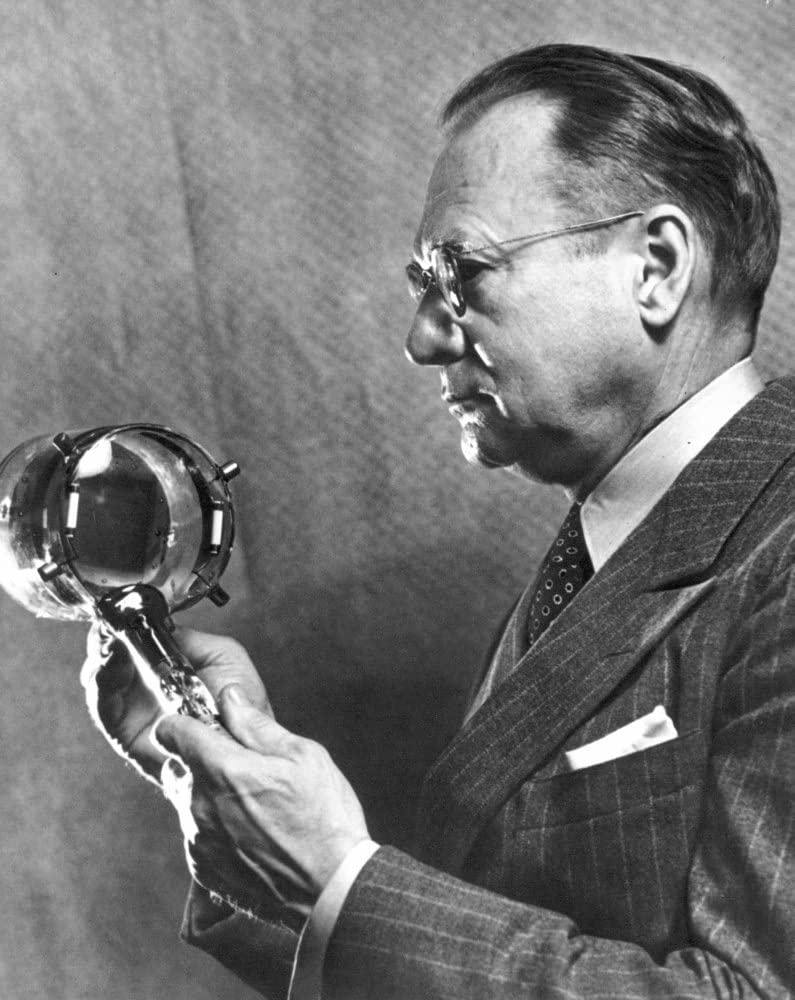
In his seminal 1945 work “Outline of Weather Proposal,” television co-inventor Vladimir Zworykin proposed that Earth’s climate and weather events might, in theory, be controlled and regulated using computer models. By doing so, he foresaw the eventual realization of numerous concepts, such as the manipulation of clouds, that had previously been considered.
Nonetheless, he said in his paper that this was not enough. He planned to manipulate ocean currents and the planet’s energy system as a whole. John von Neumann, a founding father of computer science, was persuaded that strategic involvement in the climate system could be achieved using computer models, which Zworykin demonstrated to him.
This seems like an example of overconfidence in science and technology. At this point, we can at least make educated guesses about future climate change thanks to sophisticated computer models, but we have a long way to go before we can implement any kind of global climate intervention or change.