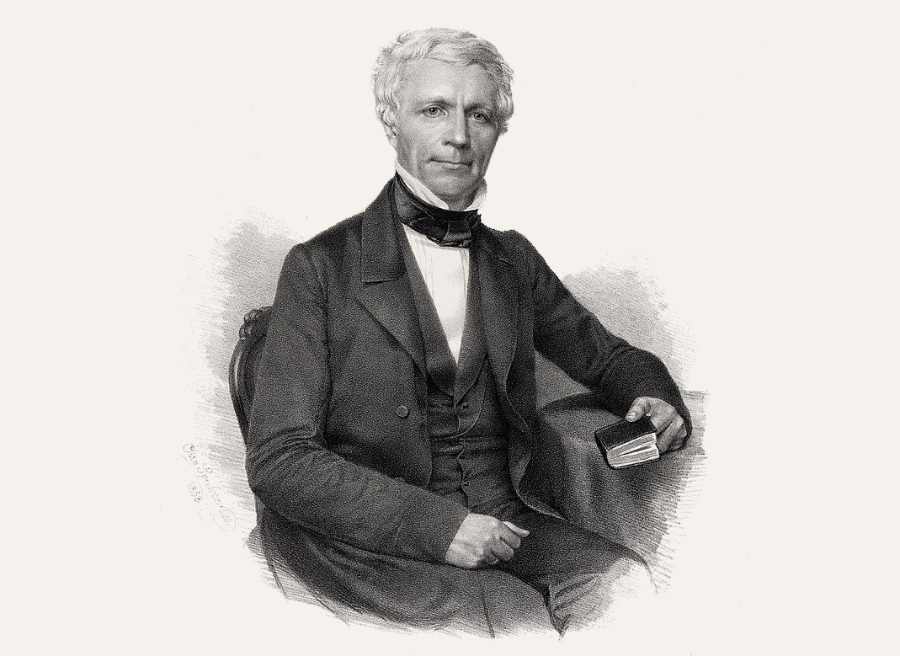
A religious scholar made the first Advent wreath. The traditional Advent wreath is a dense wreath, often crafted from fir foliage, and adorned with four candles. The one before it, however, by Hamburg theologian Johann Hinrich Wichern, included a great deal more adornment with candles. This is the importance of the Advent tradition and its historical background.
The custom of decorating a home with an Advent wreath dates back to the 19th century. The Protestant-influenced Hamburg orphanage Rauhen Haus, founded in 1833 by Johann Hinrich Wichern, placed special emphasis on the holiday season. The kids were constantly asking Wichern in the days leading up to Christmas when Christmas would arrive. Foreseeing this inquiry, he fashioned a Christmas calendar of sorts in 1839 to help the youngsters pass the time.
The Pagan origin of the wreath
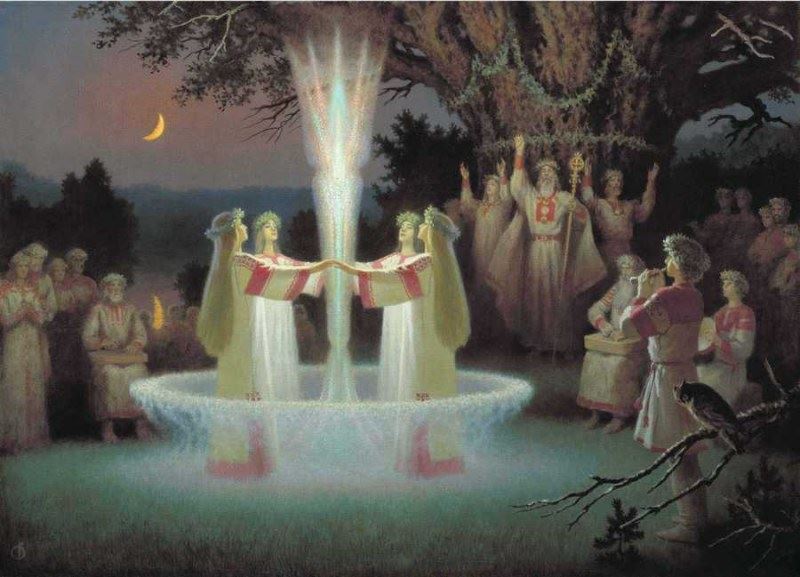
Historically, wreaths were created in Europe for use in pagan ceremonies connected to the four seasons and the celebration of new life. The Roman link of the wreath with honor and virtue was adopted by Christianity as its own. The object was later used by many cultures, including the ancient Romans, and found its way all the way to the Advent wreath of Christianity.
Leaves, flowers, and branches could be woven together to form a wreath, which could be worn around the head. It was customary to wear the wreath on special events and religious holidays. Similar to how characters from Roman and Greek mythology, as well as Roman and Greek kings and heroes, were shown wearing wreaths in art throughout the Middle Ages, so too did the Virgin Mary and other saints.

A lighted wagon wheel was the first Advent wreath
Unlike modern Advent calendars, which tally the days from December 1st to Christmas Eve, he used a wagon wheel with as many candles as there were days between the beginning of Advent and Christmas Eve. Every year, the number of days between the first Sunday of Advent and Christmas Eve varies between 22 (when Christmas Eve occurs on the fourth Sunday of Advent) and 28 (when Christmas Eve occurs on the Saturday following the fourth Advent). They numbered 23 in 1839.
The content of the first wreath
To honor those who have passed away, Wichern placed the wreath in the orphanage’s chapel. It was lit with 19 thin red candles and 4 large white ones. A fresh candle was lit each day of Advent, with smaller ones used throughout the week and larger ones reserved for Sundays. In this manner, the kids could keep track of the time until Christmas. One beneficial byproduct of the wreath was that it helped kids acquire basic counting skills.
The Advent wreath becomes a global phenomenon
Until the turn of the century, the wreath was not widely used in Protestant churches or private homes unless it was additionally decked with fir foliage. It is also believed that the first wreath was displayed in a Catholic church in Cologne in 1925. Since at least the immediate postwar period, it has been widely available in every imaginable form all around the globe.
These days, you may get wreaths in a wide variety of materials, from terrycloth to plastic to porcelain to portable, collapsible wreaths. One thing that they all have in common is that, unlike the Wichern wreath, these wreaths only contain four candles, one for each Sunday in Advent. Since a wreath would need to be 3 to 7 feet (1 to 2 meters) in diameter to hold more than twenty candles, the rest have been abandoned throughout time.

However, the Wichern custom is maintained in the Rauhen Haus in Hamburg. This is where you may see the first-ever Advent wreath, created by Johann Hinrich Wichern in 1839.
The color of fir is a symbol of optimism
It’s likely that the Advent wreath’s continued popularity today may be attributed to the depth and clarity of the symbolism it conveys. The circle, with no beginning and no end, is a symbol of eternity and infinity, as well as, in Christian belief, the resurrection and, not to be forgotten, community.
One interpretation of the wreath’s four candles is that they represent the four cardinal points of the world. In the middle of ice and snow, in the cold and darkness, new life prepares itself, and the evergreen fir in winter is a cipher of that hope. Furthermore, there is a light in the early winter darkness that grows stronger each Sunday—a symbolic representation of the hope the Christians have in Jesus.
The non-Christian origin of the Advent wreath
The Advent wreath actually evolved from a non-Christian practice. In the early Middle Ages, maids and servants could cite an unwritten rule that said they were exempt from working outdoors in the bitter winter. For this purpose, they would remove a wheel from the wagon they used to transport farm equipment to the fields from its storage spot in the barn and hang it either from the roof ridge or within the home above the chimney. However, evergreen branches were added to the design of the wheel since it was also thought of as a representation of the sun, and its return in the spring was hoped to be signaled by their presence.