Across the globe, thoroughbred horse racing blends centuries of aristocratic heritage, multi-million-dollar bloodlines, and breathtaking athletic endurance. While thousands of flat and jump races are contested every year from Tokyo to Buenos Aires, a select group of historic events stands apart as the ultimate tests of speed, stamina, and horsemanship. These prestigious races define international breeding standards, draw hundreds of thousands of spectators in formal attire, and award purses that reach into the tens of millions of dollars.
The Kentucky Derby: The Run for the Roses
Held annually on the first Saturday in May at Churchill Downs in Louisville, Kentucky, the Kentucky Derby is the longest continuously held sporting event in the United States, having run without interruption since 1875. Known colloquially as The Most Exciting Two Minutes in Sports, the Grade I stakes race tests three-year-old thoroughbreds over a distance of one and one-quarter miles on a dirt track. As the opening leg of the American Triple Crown—followed swiftly by the Preakness Stakes in Maryland and the Belmont Stakes in New York—the Derby carries unmatched cultural weight, famous for its twin spires, the singing of My Old Kentucky Home, mint juleps, and the blanket of more than four hundred red roses draped over the winning colt or filly.
The Royal Ascot Gold Cup and the Epsom Derby
In the United Kingdom, the birthplace of modern thoroughbred racing, prestige is measured in royal patronage and historical pedigree rather than prize money alone. Founded in 1780 by the twelfth Earl of Derby, the Epsom Derby is contested each June over a grueling, undulating one-and-a-half-mile turf course at Epsom Downs in Surrey. Its challenging camber and downhill turn at Tattenham Corner have made it the blueprint for every other “Derby” race worldwide.
Just weeks later, attention shifts to Berkshire for Royal Ascot, founded by Queen Anne in 1711. Attended each afternoon by the British monarch arriving in a horse-drawn carriage procession along the straight mile, the meeting reaches its pinnacle on Thursday with the Ascot Gold Cup. Contested over an exhausting distance of two and a half miles, the Gold Cup is the premier showcase for elite stayers, held under one of the strictest formal dress codes in the world inside the Royal Enclosure.
Prix de l’Arc de Triomphe: Europe’s Turf Championship
On the first Sunday of October, the eyes of the international racing world turn to the Longchamp Racecourse along the banks of the Seine in Paris for the Prix de l’Arc de Triomphe. Inaugurated in 1920 to revive French thoroughbred breeding after the devastation of World War I, “The Arc” is universally regarded as Europe’s most prestigious weight-for-age turf race. Open to colts and fillies aged three years and older over a classic distance of two thousand four hundred meters, the race pits the summer’s best three-year-old Derby winners directly against seasoned older champions across Longchamp’s demanding uphill and downhill turf contours.
The Melbourne Cup: The Race That Stops a Nation
In the Southern Hemisphere, no sporting event commands the cultural devotion of the Melbourne Cup. Run at Flemington Racecourse in Victoria on the first Tuesday of November since 1861, the race is so deeply woven into Australian life that the day is an official public holiday across metropolitan Melbourne. Unlike weight-for-age championships, the Melbourne Cup is a grueling two-mile (three thousand two hundred meter) handicap race for horses aged three and older, meaning official handicappers assign heavier lead weights to superior horses to give every entrant an equal chance at the finish line, regularly attracting elite European and Japanese stayers to compete for its eight-million-Australian-dollar purse.
The Grand National: The Ultimate Test of Steeplechasing
While flat racing celebrates pure velocity, the Grand National at Aintree Racecourse near Liverpool stands as the supreme monument of National Hunt jump racing. First run in 1839, this marathon handicap steeplechase covers four miles and two and a half furlongs, requiring horses and jockeys to clear thirty formidable spruce-dressed fences across two circuits of the track. Iconic obstacles such as Becher’s Brook, The Chair, and the Canal Turn, followed by a punishingly long run-in from the final fence, have made the Grand National a global television spectacle where stamina, jumping accuracy, and sheer grit triumph over raw speed.
The Breeders’ Cup Classic, Dubai World Cup, and Saudi Cup
In the modern era of international aviation, end-of-season and winter championship races have revolutionized the financial landscape of the sport. Established in 1984, the Breeders’ Cup World Championships rotates among premier North American tracks each November, culminating in the seven-million-dollar Breeders’ Cup Classic over one and a quarter miles, which routinely decides the American Horse of the Year title.
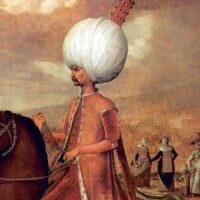
Meanwhile, the Middle East—where the genetic foundation of all thoroughbreds originated centuries ago through the Darley Arabian, Godolphin Arabian, and Byerley Turk stallions—now hosts the richest races on earth. In 1996, Sheikh Mohammed bin Rashid Al Maktoum launched the Dubai World Cup, now run under the floodlights of the magnificent Meydan Racecourse for a twelve-million-dollar purse. In 2020, Riyadh raised the stakes even higher by inaugurating the Saudi Cup at King Abdulaziz Racecourse, offering a staggering twenty-million-dollar purse over one thousand eight hundred meters of dirt, drawing champion thoroughbreds from America, Japan, and Europe to compete on a single global stage.