Ahlspiess at a Glance
What is the ahlspiess and where did it originate?
The ahlspiess, also known as the awl pike, is a medieval polearm characterized by a relatively thin, large spike at its point. It was used to stab and pierce through chain mail and plate armor, making it one of the earliest anti-armor weapons. The weapon originated in Switzerland or Upper Burgundy during the 15th century, similar to the origin of the Lucerne hammer and the Swiss halberd variation voulge.
What was the advantage of the ahlspiess over other weapons?
The advantage of the ahlspiess was that it concentrated the energy onto a small point, enhancing the chances of penetrating the armor. As a spear-like battle weapon, the long ahlspiess was able to easily pierce most chain mail. However, the plate armor was not sufficiently penetrated until a knight rode at full speed to the encounter.
Why was the ahlspiess a risky weapon to use?
The ahlspiess offered little capability compared to more powerful polearms of the same period, such as the poleaxe. There was only one way of using an ahlspiess: thrusting. The soldier’s life was on the line every time he thrust the weapon, as it had limited utility in combat beyond close-range attacks. When the soldier delivered a stabbing strike with the awl pike, he closed the gap with his adversary and therefore reduced his chance of protecting himself from an incoming attack.
What were the main parts of the ahlspiess’ design?
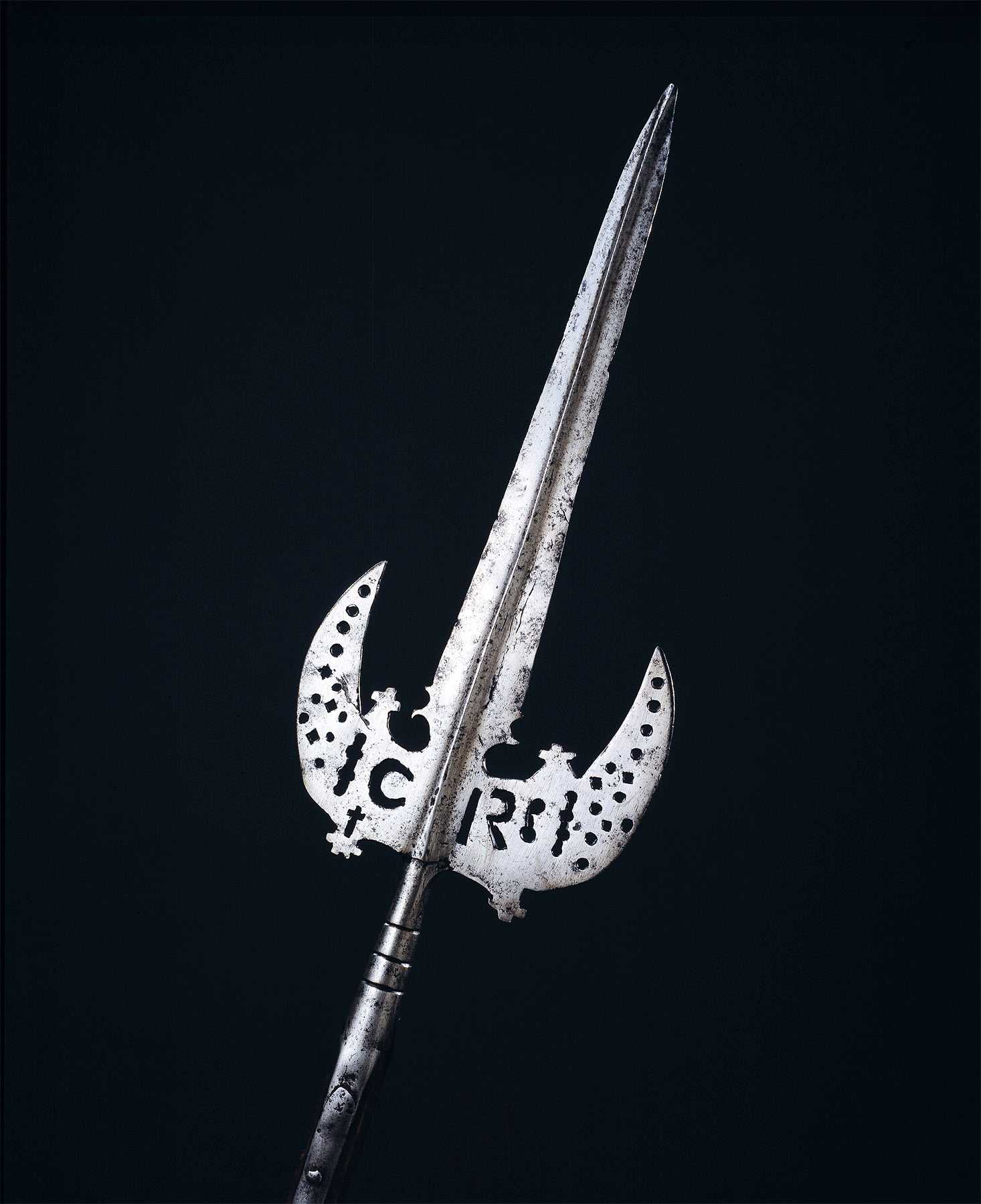
In its original form, the ahlspiess consisted of three main parts: a long spike, a rondel guard, and a wooden shaft. The spike was 20 inches in length and square or rhombic in form, and it was used to pierce the weak spots in the armor. The rondel guard was a metal disk that fit over the shaft for hand protection and amplified the force of the fighter’s strikes, although it was not always effective. Some versions of the ahlspiess did not even have the rondel guard, and the more basic and affordable variants only had a regular shaft without any rondels.
How was the ahlspiess used in battle?
The ahlspiess was used mainly in Germany, Switzerland, and Austria. The weapon was effective because it could be used to target the gaps in the plate armor, or one could pierce straight through it. However, due to the risk of fighting with an ahlspiess, soldiers wielding the weapon were often seen shielded by pikemen and other halberdiers in the front lines. Swiss soldiers who wielded the weapon were highly respected.
In Western Europe during the 15th and 16th centuries, the ahlspiess, also known as the “awl pike,” was a striking spear characterized by a relatively thin, large spike at its point. This little-known edged weapon could be used to stab and pierce through chain mail and plate armor. As an armor-piercing pike, the medieval polearm was one of the earliest anti-armor weapons. The length of its shaft varied from 40–70 inches (1–1.8 m) and the total length of the weapon was around 80–100 inches (2–2.5 m). It was used mainly in France, Germany, Switzerland, and Austria.
- Ahlspiess at a Glance
- What is the ahlspiess and where did it originate?
- What was the advantage of the ahlspiess over other weapons?
- Why was the ahlspiess a risky weapon to use?
- What were the main parts of the ahlspiess’ design?
- How was the ahlspiess used in battle?
- The Origin of the Ahlspiess
- The Advantage of the Ahlspiess
- Ahlspiess Was a Risky Weapon to Use
- The Ahlspiess’ Design
- The Rise and Fall of the Ahlspiess
| Ahlspiess | |
|---|---|
| Type of weapon: | Polearm |
| Other names: | Awl pike |
| Region of origin: | Switzerland |
| Distribution: | Mainly France, Germany, Switzerland, and Austria |
| Total length: | 80-100″ (2-2.5 m) |
| Weight: | 8–10 pounds (3.5–4.5 kg) |
The Origin of the Ahlspiess
By the 15th century, the ahlspiess had likely made its debut in Switzerland or Upper Burgundy, similar to the origin of the Lucerne hammer and the Swiss halberd variation voulge. By this time, plate armor and chain mail had become commonplace.
The weapon was equipped with a steel warhead, which made it a half-spear, half-dagger.
This meant that more penetrating force was required in the available Renaissance weaponry. The same requirement gave birth to some cold weapons like the bec de corbin, flamberge sword, or spadone.
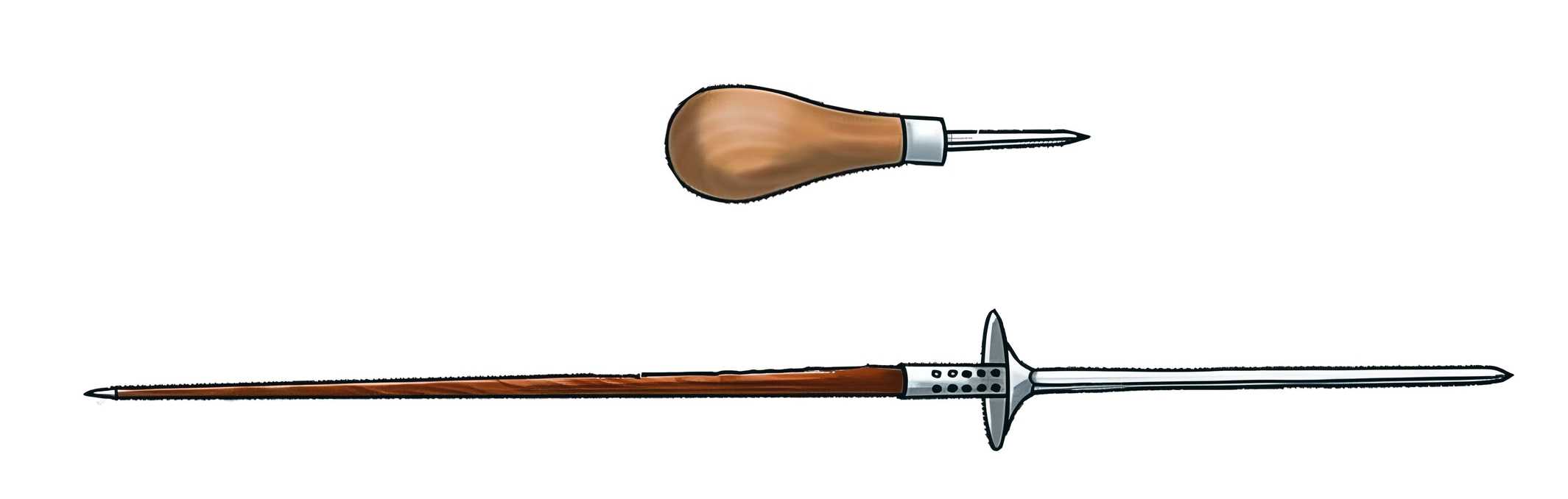
Then, skilled Swiss or Burgundian workers screwed a faceted steel spike (up to 20 inches; 50 cm) that looks like an awl onto a wooden shaft, hence the name awl pike. Therefore, the German name “ahlspiess,” which translates to “spear-awl” or “awl pike,” was given to this new weapon.
— What is an awl?
An awl is a slender spike with a handgrip, resembling a screwdriver, used for marking surfaces or piercing small holes in materials such as leather or wood.
The Advantage of the Ahlspiess
The similarities between the awl and this piercing weapon are striking. The concept behind crafting an “awl pike” was to concentrate the energy onto a small point, thereby enhancing the chances of penetrating the armor.
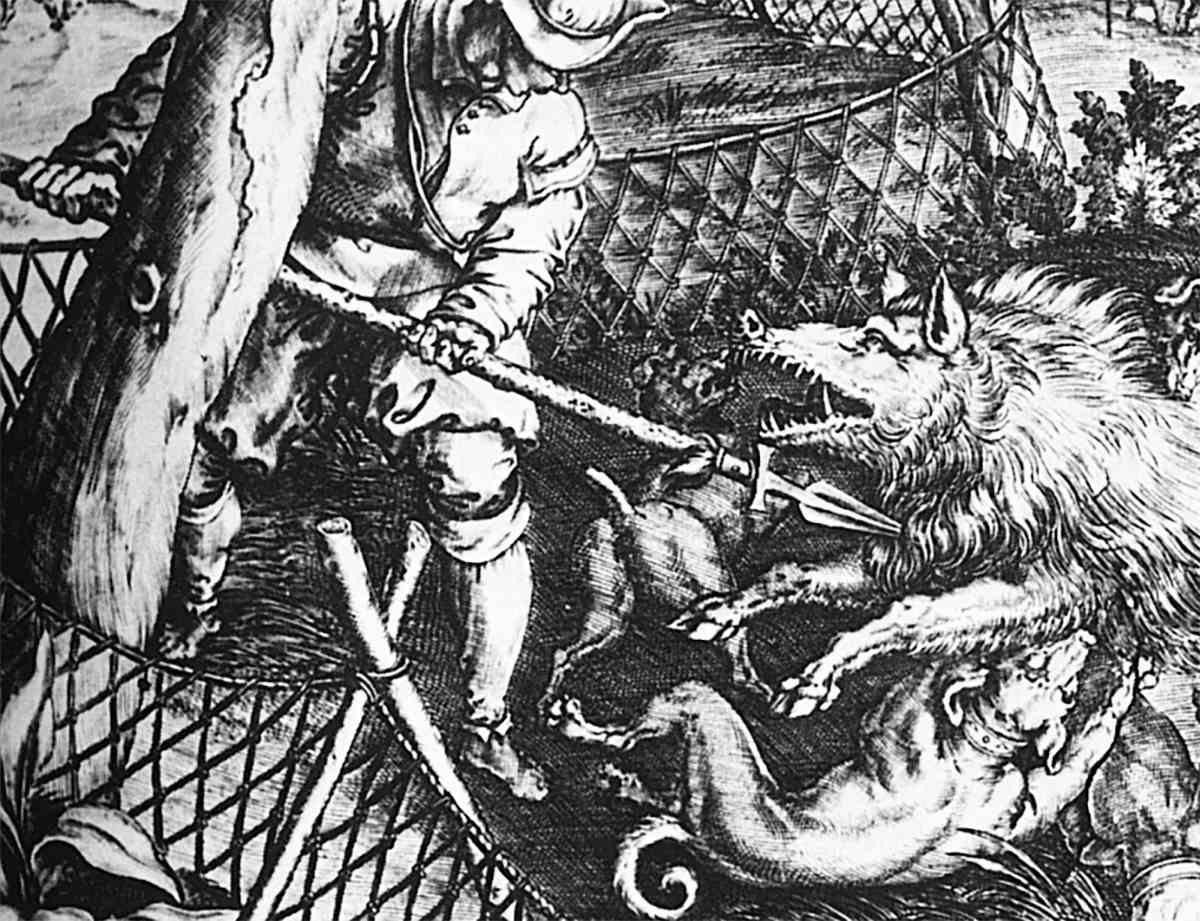
The weapon could be used to target the cracks and chinks in the plate armor, or one could pierce straight through it.
As a spear-like battle weapon, the long ahlspiess was able to easily pierce most chain mail. However, the plate armor was not sufficiently penetrated until a knight rode at full speed to the encounter.
Nonetheless, you could keep trying because the long steel spike was not easy to shatter. But the primary drawback was the weapon’s great weight. Therefore, you had to give your all with every strike.
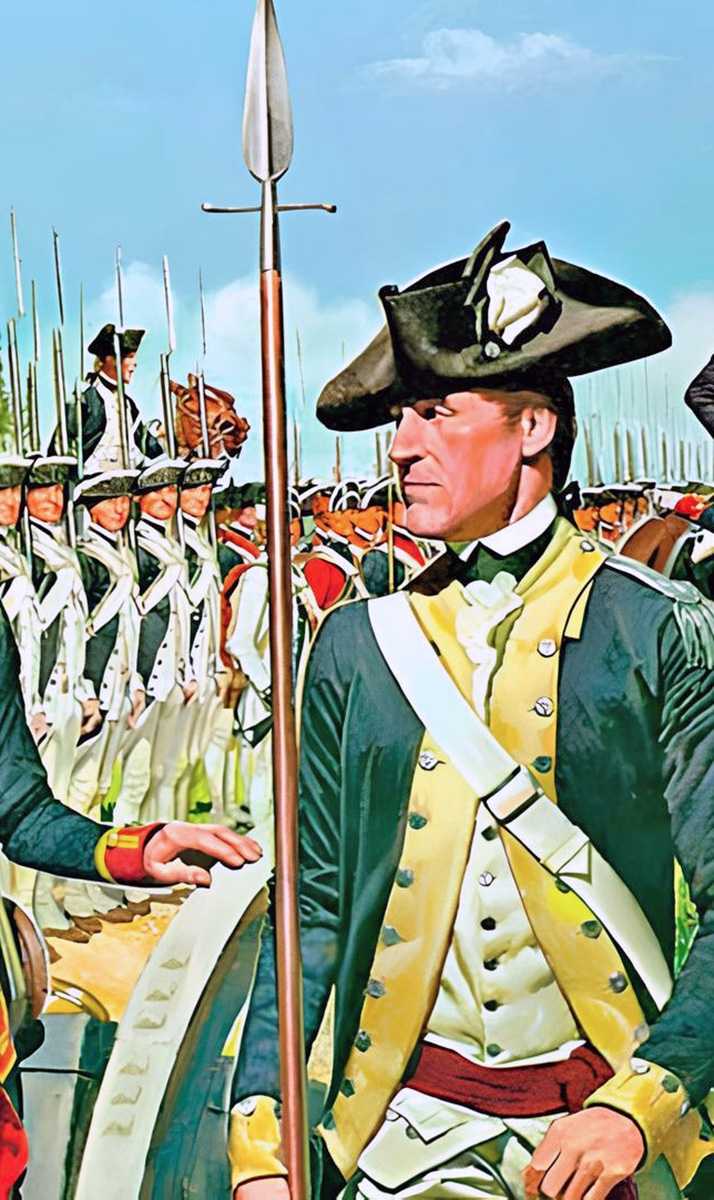
The weapon was effective because it could be used to target the cracks and chinks in the plate armor, or one could pierce straight through it.
Ahlspiess Was a Risky Weapon to Use
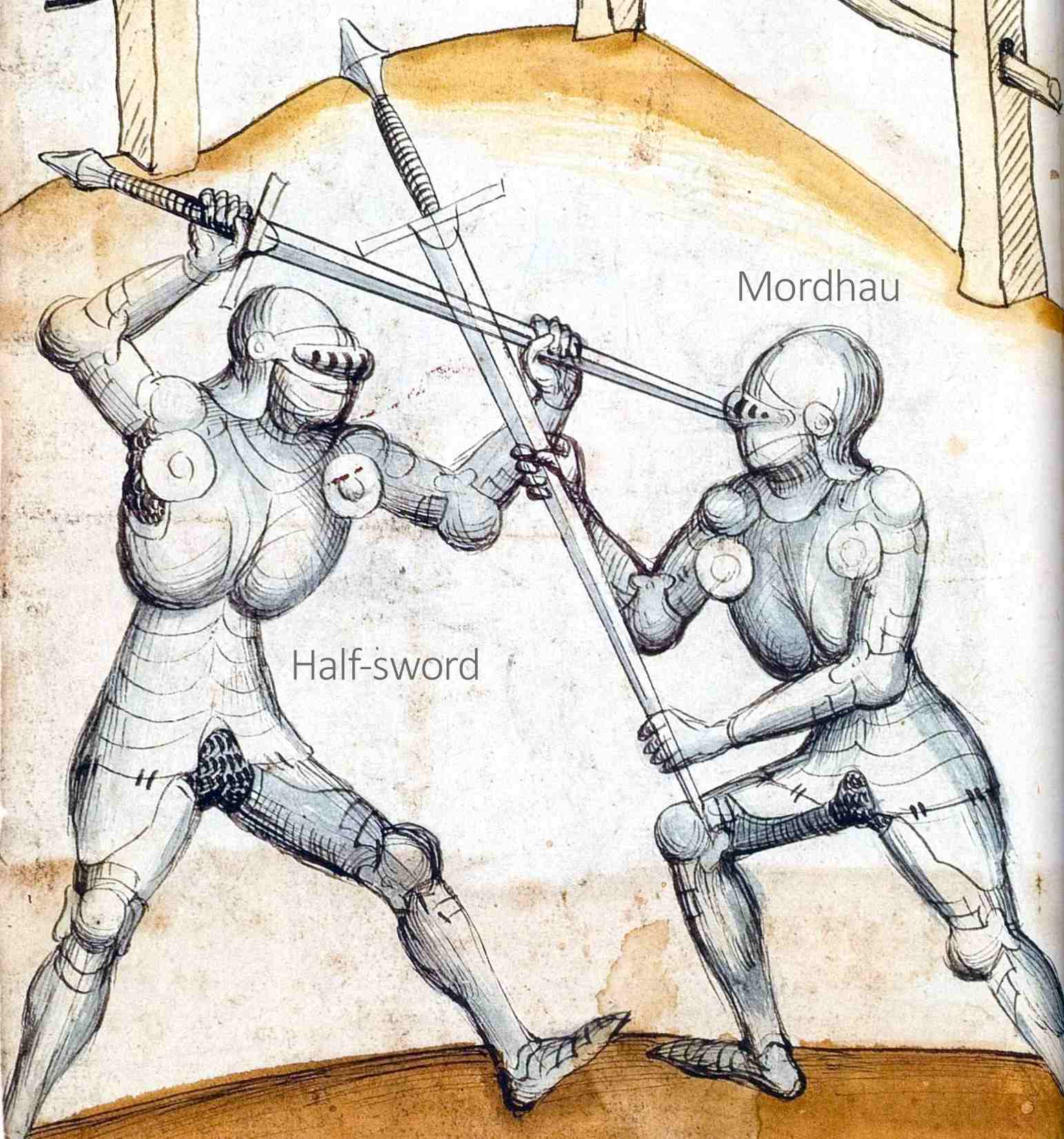
The ahlspiess offered little capability compared to more powerful polearms of the same period such as the poleaxe. There was only one way of using an ahlspiess: thrusting. Because all this weapon could do was perform stabbing.
The soldier’s life was on the line every time he thrust the weapon since it had limited utility in combat beyond close range attacks.
When the soldier delivered a stabbing strike with the awl pike, he closed the gap with his adversary and therefore reduced his chance of protecting himself from an incoming attack.
Unfortunately, there was no other way around this because shields were never meant to be used with two-handed weapons in Europe. This is why the soldiers wielding ahlspiess in the front lines were often seen shielded by pikemen and other halberdiers.
Due to the risk of fighting with an ahlspiess or awl pike, Swiss soldiers who wielded the weapon were highly respected.
In Old Swiss (which differed a bit from Old German), the weapon was called a “spear-awl.”
The Ahlspiess’ Design
In its original form, the ahlspiess consisted of three main parts:
- Long spike
- Rondel guard
- Wooden shaft
The spike of an ahlspiess was 20 inches (0.5 m) in length, and it was square or rhombic in form. The variants with rounded spikes were also available. The nickname “awl pike” for this two-handed pike came from this component. The infantryman used the “awl” to pierce the weak spots in the armor.
Under ideal conditions, it was usually feasible to pierce the armor with a stabbing strike. However, compared to the Lucerne hammer, which was of comparable length but could penetrate plate armor, the awl pike was a bit of a letdown.
A rondel guard was a metal disk that fit over a shaft for hand protection. It did double duty by shielding the fighter’s hand and amplifying the force of his strikes. Sometimes, there were two rondel guards. However, the effectiveness of the rondel was questionable. This was because the fighter had a low chance of surviving once he moved his body forward to thrust but missed the enemy.
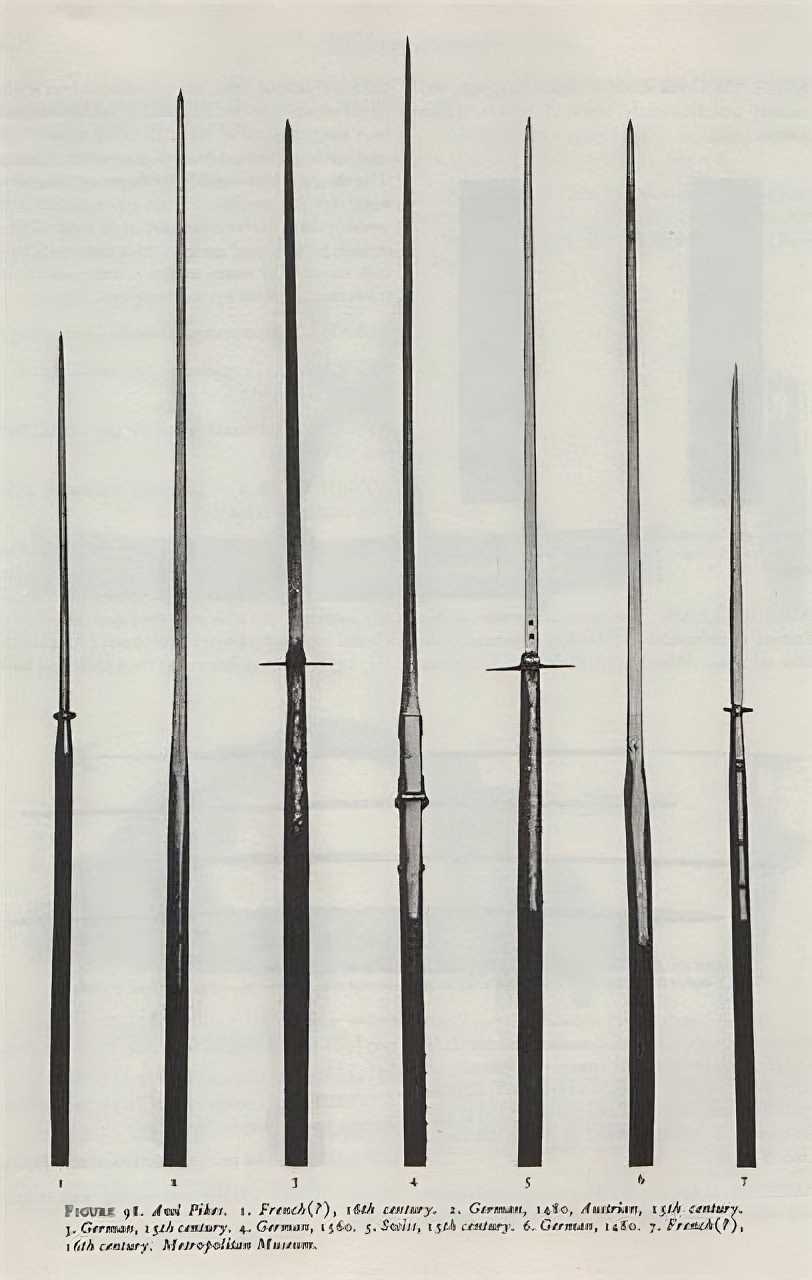
Therefore, some versions of the ahlspiess did not even have the rondel guard. Furthermore, the more basic and affordable variants only had a regular shaft without any rondels.
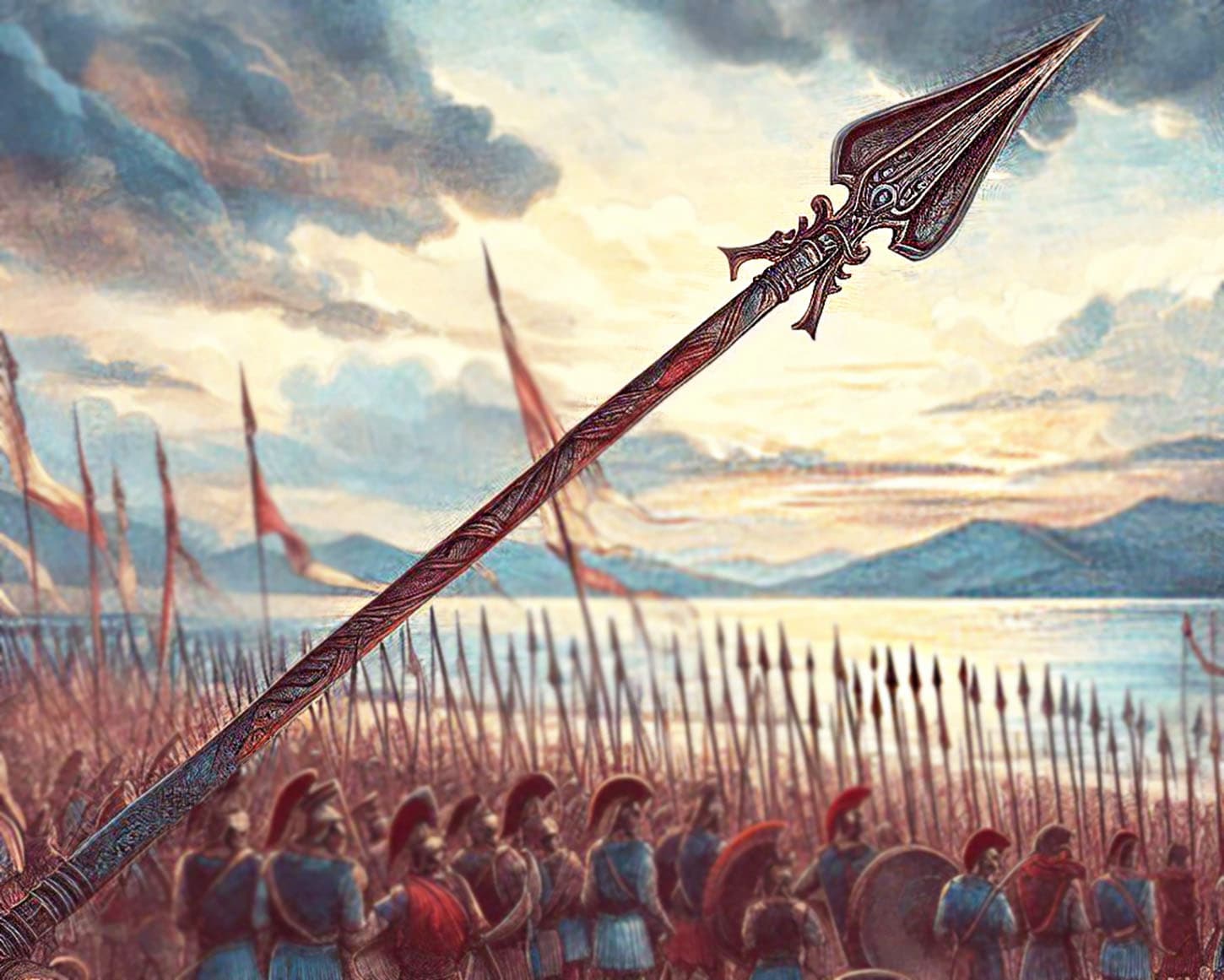
With the shaft measuring from 60 to 70 inches (1.5–1.8 m), the overall length of the ahlspiess was over 80 inches (2 m). While using the weapon at long and intermediate ranges, the infantryman’s primary protection was his or her distance from the enemy. The fighter wielding an awl pike felt at home among the pikemen ranks with a weapon longer than 6.5 feet (200 cm).
The Rise and Fall of the Ahlspiess
By the 17th century, the necessity for such highly specialized weapons had dissipated.
The ahlspiess weapon was easy to produce on a budget and could be utilized by a large number of troops. To battle the knights, even the average infantryman could afford this European military weapon.
In addition to the lengthy and cumbersome pikes and chopping halberds, fighters armed with ahlspiess could rapidly and efficiently stab the adversary at a medium distance.
Ahlspiess grew in popularity in Western Europe, where its benefits were most useful to the infantry. The awl pike was also widely used in France, England, Burgundy, Austria, and the Czech Republic, in addition to Switzerland.
During the 15th and 16th centuries, this lesser-known form of spear was widely utilized.
Ahlspiess was utilized in jousting contests along with poleaxes because of its fame. Some versions had a shorter shaft and were shaped more like a sword. This variant of the weapon was specifically used in the jousting tournaments. It was called a candeliere or “candlestick” in Italian because of its similarity to a candle. The spike of this variant was rather circular.
The weapon became obsolete with the widespread use of firearms and the decline of armored knights on the battlefield. The value and utility of long polearms declined. The ahlspiess fell out of favor in the 17th century, when the simple and inexpensive pike took its place, and the weapon became employed exclusively for fencing practice.
References
- Hafted Weapons in Medieval And Renaissance Europe: The Evolution of European Staff Weapons Between 1200 and 1650 – John Waldman – Google Books
- A Glossary of the Construction, Decoration and Use of Arms and Armor: in All Countries and in All Times – George Cameron Stone, July 2 1999.
- Customs and Culture in Poland under the Last Saxon King: Selections from Opis obyczajów za panowania Augusta III by father Jędrzej Kitowicz, 1728-1804: Kitowicz, Jędrzej, Swan, Oscar E.: 9789633862759: Amazon.com: Books