The Beguines materialized as a devout and communal movement within the confines of the Low Countries, encompassing contemporary realms of Belgium, the Netherlands, and portions of France and Germany, throughout the epoch of the Middle Ages. The name “Beguine” initially denoted females inhabiting semi-monastic enclaves, wholly dedicating their existence to supplication, altruism, and benevolent endeavors benefiting their localities. The movement later expanded to include men as well, who were known as “Beghards.”
Key Takeaways: Beguines
- During medieval times in Europe, there existed a religious movement known as the Beguines. These were ordinary women who desired to lead lives of devotion, prayer, and service, all without committing to formal religious vows.
- Distinct from official monastic orders or established religious bodies, the Beguines enjoyed a level of autonomy. This freedom allowed them to pursue their spiritual journeys while playing an active role in society.
Half-Religious, Half-Secular Communities
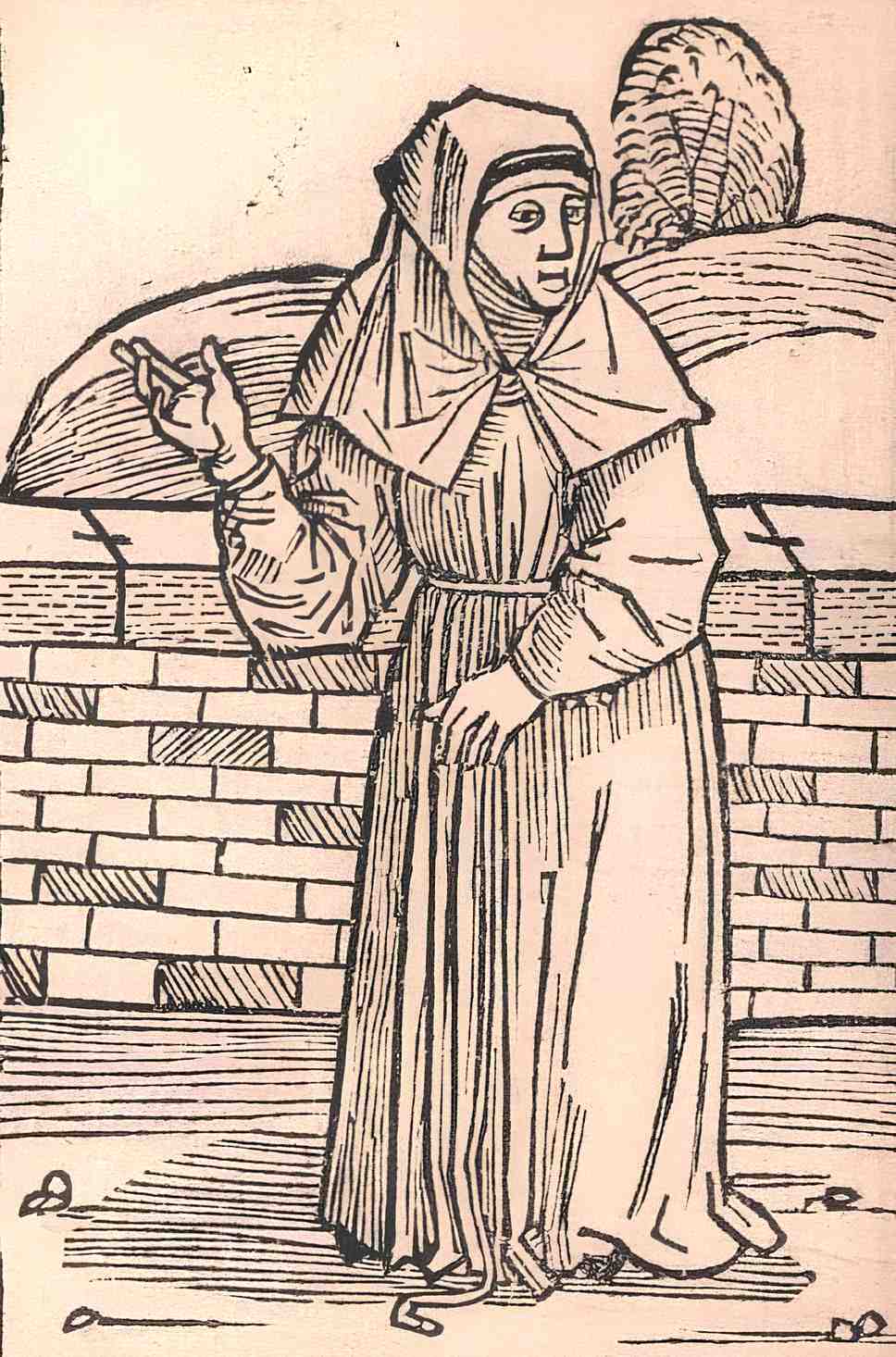
This community, renegade for its time, was born at the end of the 12th century. Within the feudal tapestry of society, women found themselves ensnared beneath the dominion of patriarchal rule, confronted with a binary juncture: matrimonial union or embracement of the ecclesiastical fold.
Nonetheless, the reverberations of the Crusades cast men afar, while conventual sanctuaries stood in scant supply, necessitating a dowry as an entry fee. What fate, then, awaited these women sentenced to a life of chastity? Unity beckoned as the answer! Thus unfurled the beguinages—a hybrid confluence of spiritual devotion and worldly existence.
A charter of 1065 mentioned the existence of an institution similar to the Beguinage in Vilvoorde (Belgium). In the annals of history, the first beguinage arose in Liège in the year 1173, and a second soon after in Oignies (Pas-de-Calais), both revolving around the devout Marie of Oignies.

The term “beguines,” shrouded in etymological enigma, congregated around the ethos of evangelical poverty akin to the Mendicant Orders, which concurrently thrived in a pious Europe.
Yet, their commitment refrained from formal vows, liberating them to practice their faith in an unparalleled manner, emancipated from constraints. As evangelists, they disseminated their creed, embarking on the translation of the Scriptures and other divine manuscripts into vernacular French, imparting wisdom through their pedagogical endeavors.
Nearly a Million Beguines in Europe in the Early 14th Century
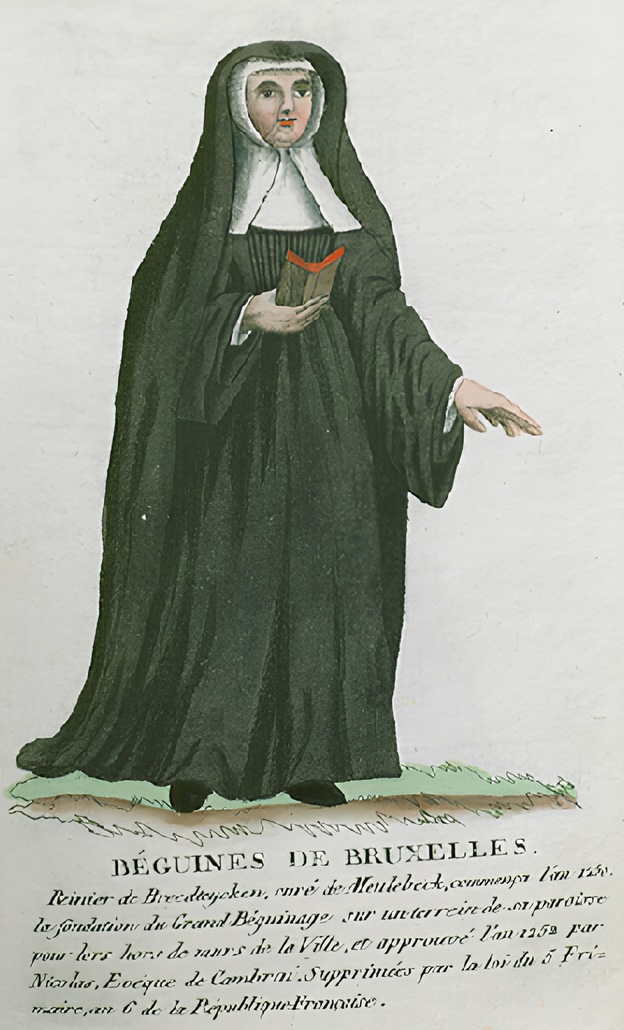
During the subsequent century, this movement expanded its influence across Europe. Letters penned by Pope John XXII in 1321 revealed a remarkable presence of 200,000 beguines residing solely in Western Germany.
At the zenith of their prominence in the early 14th century, approximately one million Beguines’ voices echoed throughout the continent. In France, upon his return from the crusades in 1264, Saint Louis embraced them under his protective wing, gifting them parcels of land nestled in the heart of Paris.

This gesture emancipated them from feudal constraints and empowered them to flourish beyond the bounds of subjugation. The grand beguinage of Paris flourished into a sanctuary, where the noise of male yielded to the resilience of steadfast women—a haven not of confinement, but of empowerment.
Neither Subjected to Male Authority nor to That of the Church
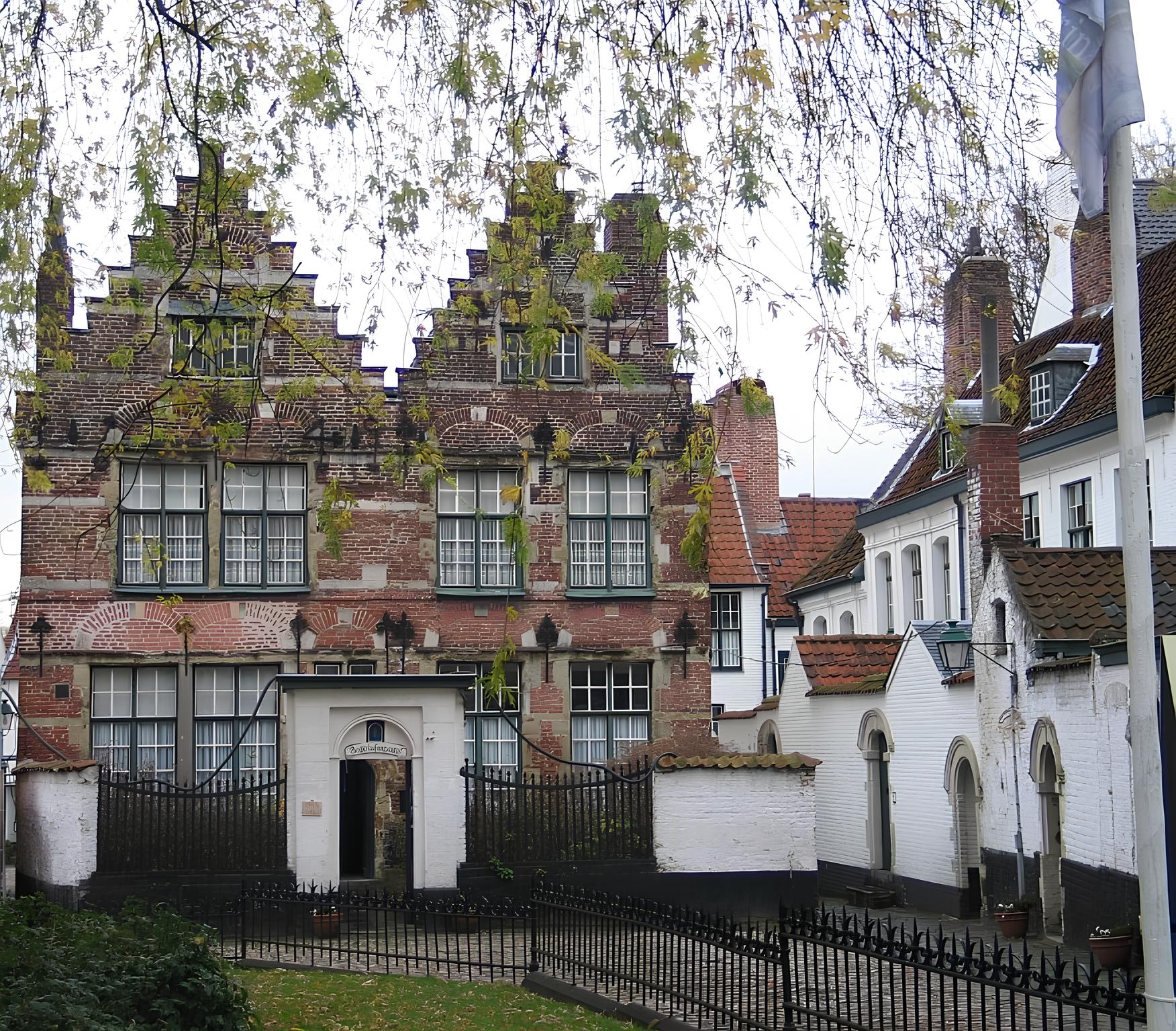
Within the confines of these walls, the beguines, free in their exploration of the urban expanse, resided in self-governance. While diligently enacting Christian benevolence, they were also vested with the prerogative to engage in labor.
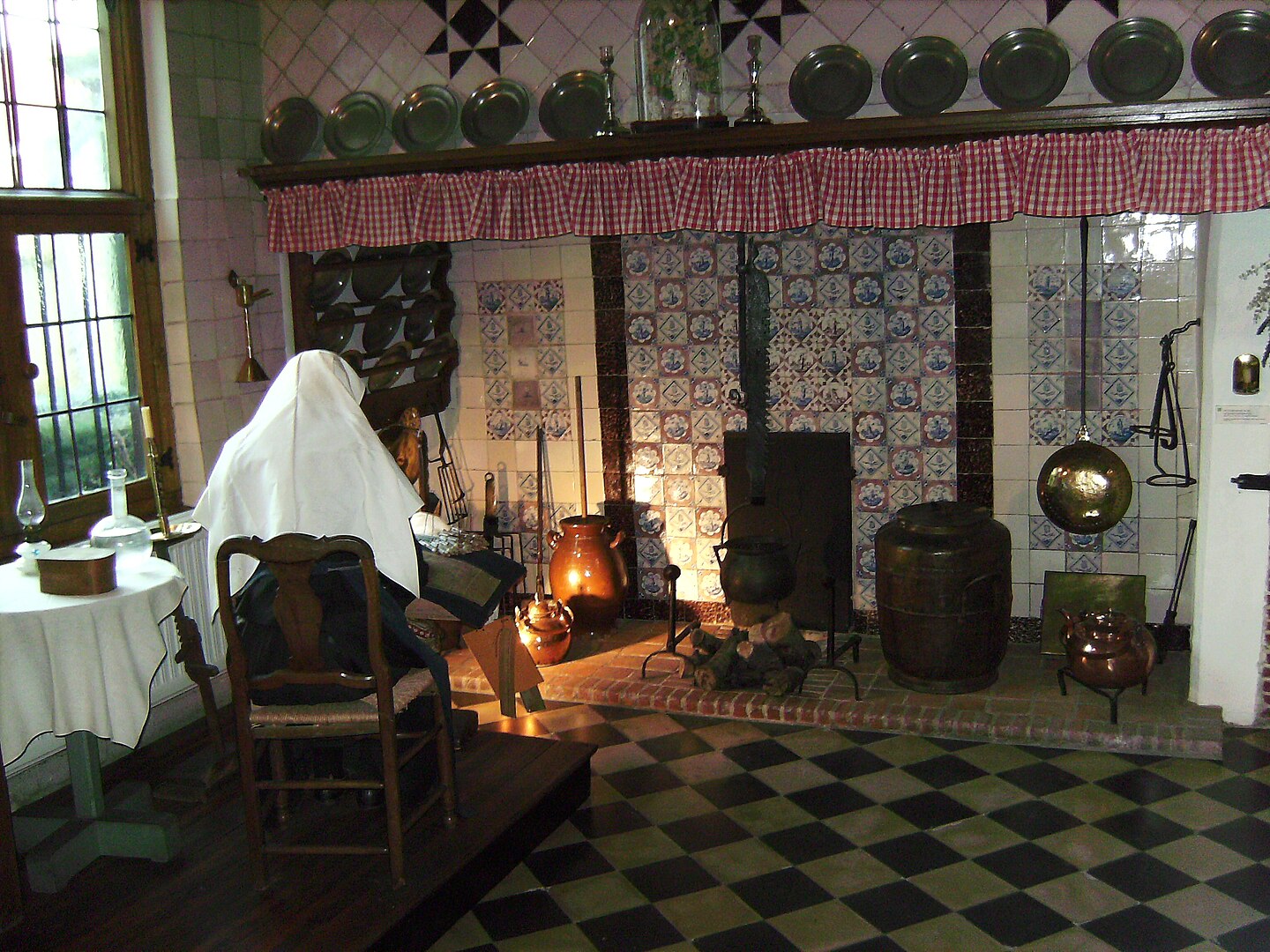
On occasion, they instituted infirmaries and transition into the roles of caregivers, frequently inaugurating diminutive ateliers dedicated to the crafts of pottery, weaving, textiles, and the art of candle making.
These communal enclaves appointed a “grand dame” who presided over the beguinage for a span of several years, as determinations coalesced during expansive convocations reminiscent of plenary assemblies. This marked an exceptional manifestation of democratic custom during that epoch.
These women attained a state of near-complete autonomy ensconced within the core of the Medieval era. They remained unburdened by marital bonds and unaffected by male dominion or ecclesiastical authority.
Their endeavors encompassed gainful employment, astute management of possessions, and the ability to bequeath these endowments to their fellow beguines. This was a freedom that women had lost for a very long time. Long before these concepts became trendy, the beguines embodied sisterhood and solidarity.
Changing View Under Pressure From the Church
As substantiation of their assertion, certain prominent figures within the movement exhibited no reluctance in taking up the quill, an infrequent occurrence for women during that era. Inspired and often mystical, grappling with metaphysical questions, they even dared to write in vernacular languages—a departure from recognized Latin.
Predictably, these unconstrained women unsettled many establishments. Particularly the ecclesiastical establishment, which, subsequent to an initial consent, curtailed their emancipatory endeavors.
Their piety lived apart from any ecclesiastical authority, as well as their ideal of poverty, made them suspicious. Apprehensions arose that they might lead astray the monks, with whom they frequently partook in prayers, from the righteous path and their vow of chastity.
In the year 1244, the Archbishop of Mainz mandated a regulation upon beguinages, stipulating the exclusion of individuals below the age of 40, ostensibly to “forestall the misemployment of liberty by younger beguines.”
Certain individuals paid the price for their self-reliance with their lives. Instituted in 1231, the Inquisition consigned notable personalities to the pyre, including Lutgarde of Treves in 1231, and Marguerite Porete in 1310. In the subsequent year, the Council of Vienne classified the beguine movement as heretical.
The impetus suffered a bust; numerous communities found themselves compelled to shutter their homes and forfeit their possessions. In Paris, the royal beguinage ceased operations in November of 1317.
It would subsequently reemerge with markedly stringent regulations before succumbing to disintegration circa 1470. Universally, these autonomous collectives metamorphosed into secluded enclaves governed by stringent directives or vanished altogether.
Notable Beguines
- Agnes Blannbekin (Around 1250 – d. 1315)
- Marguerite Porete (Around 13th century – d. 1310)
- Colette of Corbie (1381 – d. 1447)
- Juliana of Liège (1193 – d. 1258)
- Margareta of Magdeburg (1237 – d. 1270)
- Mechthild of Magdeburg (Around 1207 – d. 1282/1297)
- Ida of Nivelles (1190 – d. 1237)
- Marie of Oignies (Around 1177 – d. 1213)
- Maria van Oosterwijck (Around 1470 – d. 1547)
- Gertrud of Ortenberg (Between 1275 and 1285 – d. 1335)
- Marcella Pattyn (1920 – d. 2013)
- Marguerite Porete (Around 1250/1260 – d. 1310)
- Christina of Stommeln (1242 – d. 1312)
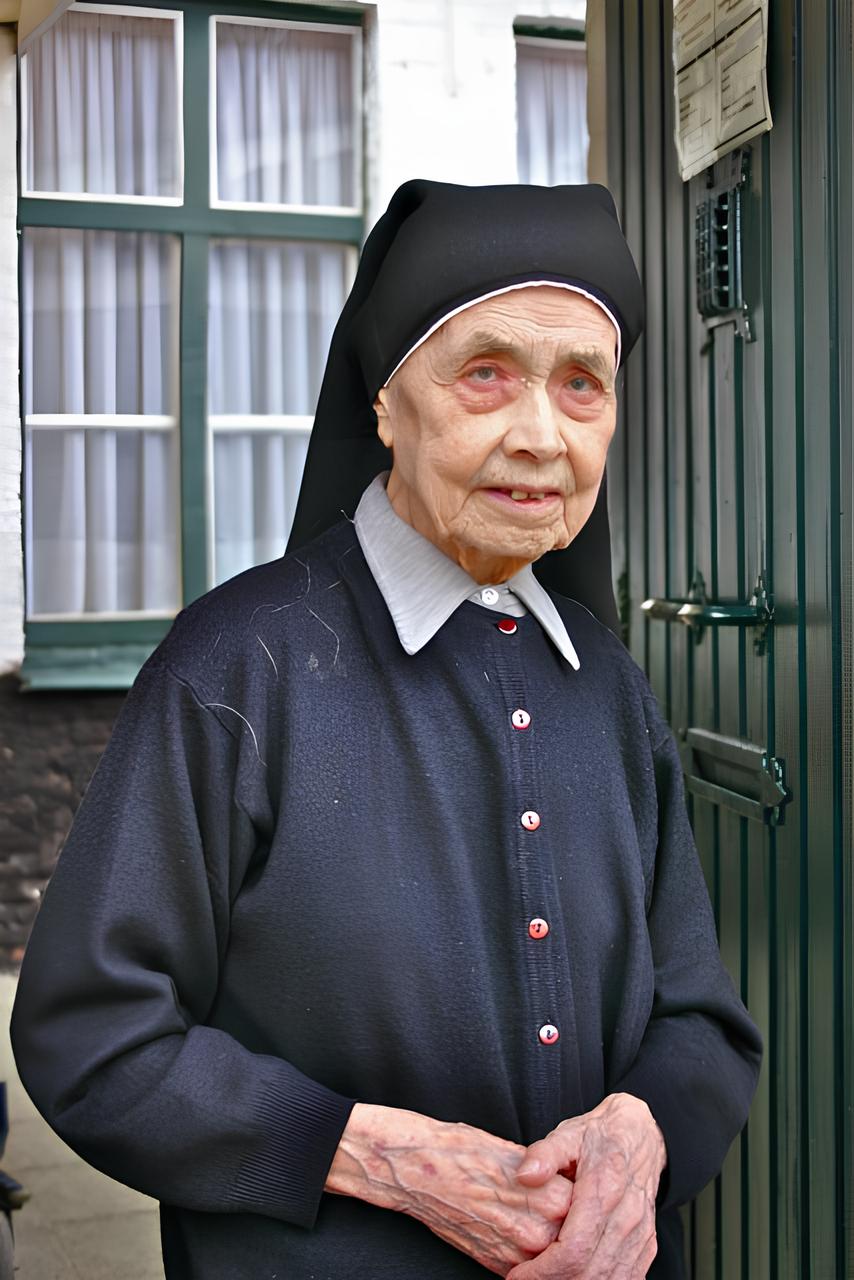
Marcella Pattyn: The Last Beguine Died in 2013
Only the beguine residents of the Netherlands and Belgium survived the persecution thanks to two papal decrees. The initial one, issued by John XXII in 1319, safeguarded those in the Brabant province, while the second, granted by Clement VI in 1343, extended protection to those in Holland.
Their survival was secured through a willingness to distance themselves from certain radical ideals and embrace a closer alignment with the Church. This shift marked a farewell to their previous autonomy as the beguines realigned themselves.
As the 19th century drew to a close, Belgium still counted 600 of these women among its ranks. However, the last beguine bid farewell to the world a century later, precisely on April 14, 2013, in Kortrijk. With her passing, the curtain fell on the era of these pioneering religious women, who defied conventions well ahead of their time.