Mostly in the Yucatán Peninsula and the adjacent Caribbean islands, you can find cenotes, which are circular karst holes filled with the cleanest water. There are around 2,000 such “wells” in this area, according to government statistics. Unofficial estimates put their total population at around 5,000. One of the most frequented cenotes is Ik Kil or Ik-Kil. Its formation predates the era of Mayan civilization. The lake served as both a supply of potable water and a setting for horrific ancient ceremonies. Cenote Ik Kil is now a section of the eponymous archaeological park. It’s developed into a tourist destination with the proper facilities.
What is Ik Kil?
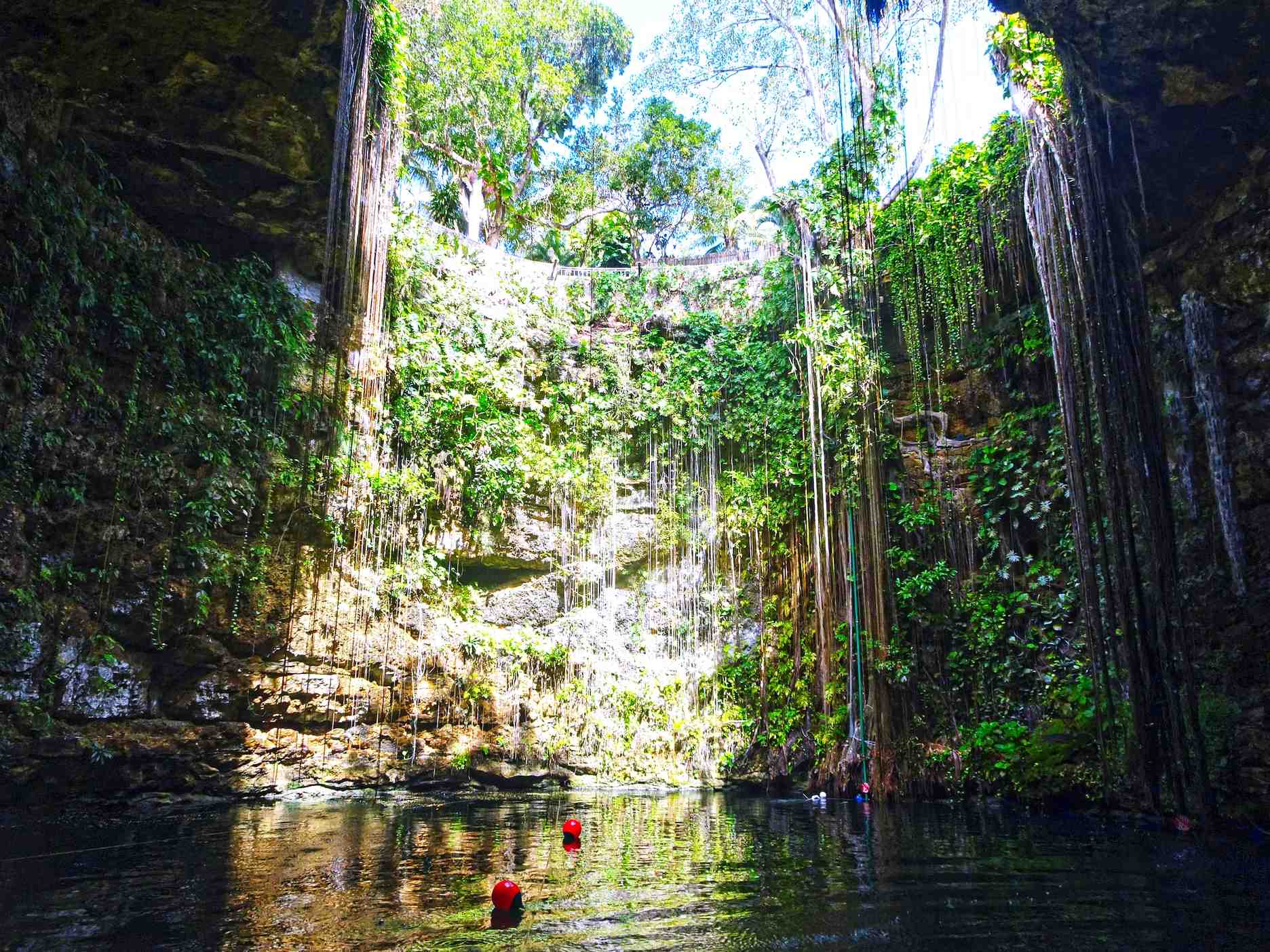
Ik Kil (or “Sacred Blue Cenote”) is one of the oldest examples of open cenotes. Limestone is the predominant rock type on the Yucatán Peninsula. Here, the wind and rain can really beat down the rocks. Water eroded the limestone over thousands of years, creating caves. Then, when subjected to the weight of tropical downpours, the arches of these caves collapsed, giving rise to cenotes.
Spanish speakers were the first to use the term “cenote.” The Mayan word “dzonot,” meaning “well,” served as the basis for this term. A literal translation of “Ik Kil” is “the place of the winds”. The visitors can sense a gentle breeze as they descend into the Ik Kil from the sun-warmed dirt above.
Ik Kil’s Function
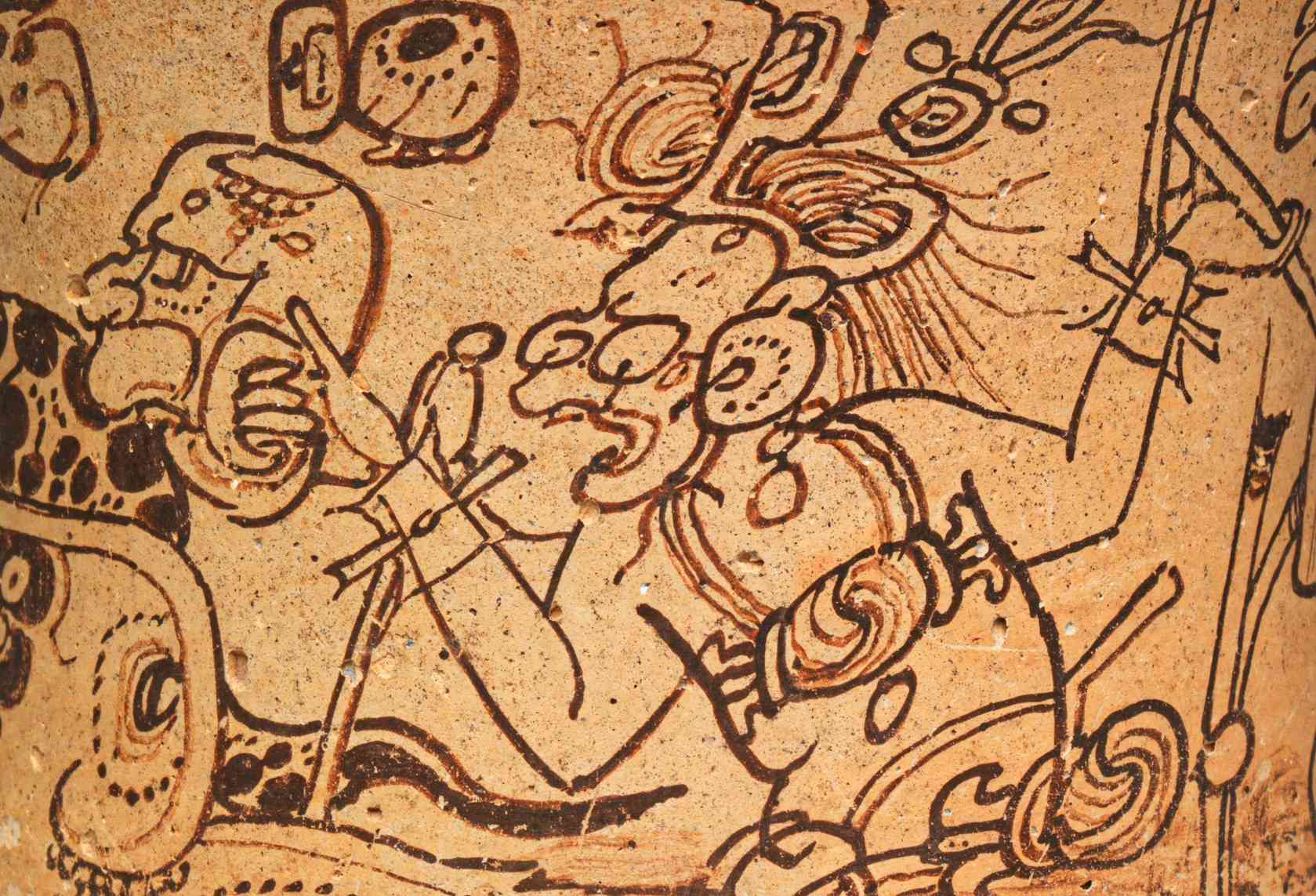
The ancient locals of Yucatan relied on natural wells as their primary supply of drinkable water due to the region’s lack of rivers and lakes. However, it was not the extent of their usefulness. For the Maya, cenotes also served as portals to the afterlife.
Mayans worshipped the rain deity Chaac in this cenote while offering human and animal sacrifices. Numerous jewelry remains, along with human and animal skeletal remains, were discovered at the bottom of Cenote Ik Kil.
The closeness to Chichen Itza, an ancient archaeological site that almost every tourist to Mexico hopes to see, is a major factor in Ik Kil’s appeal. These two destinations are often paired together in tour packages.
It is a Holy Site After All
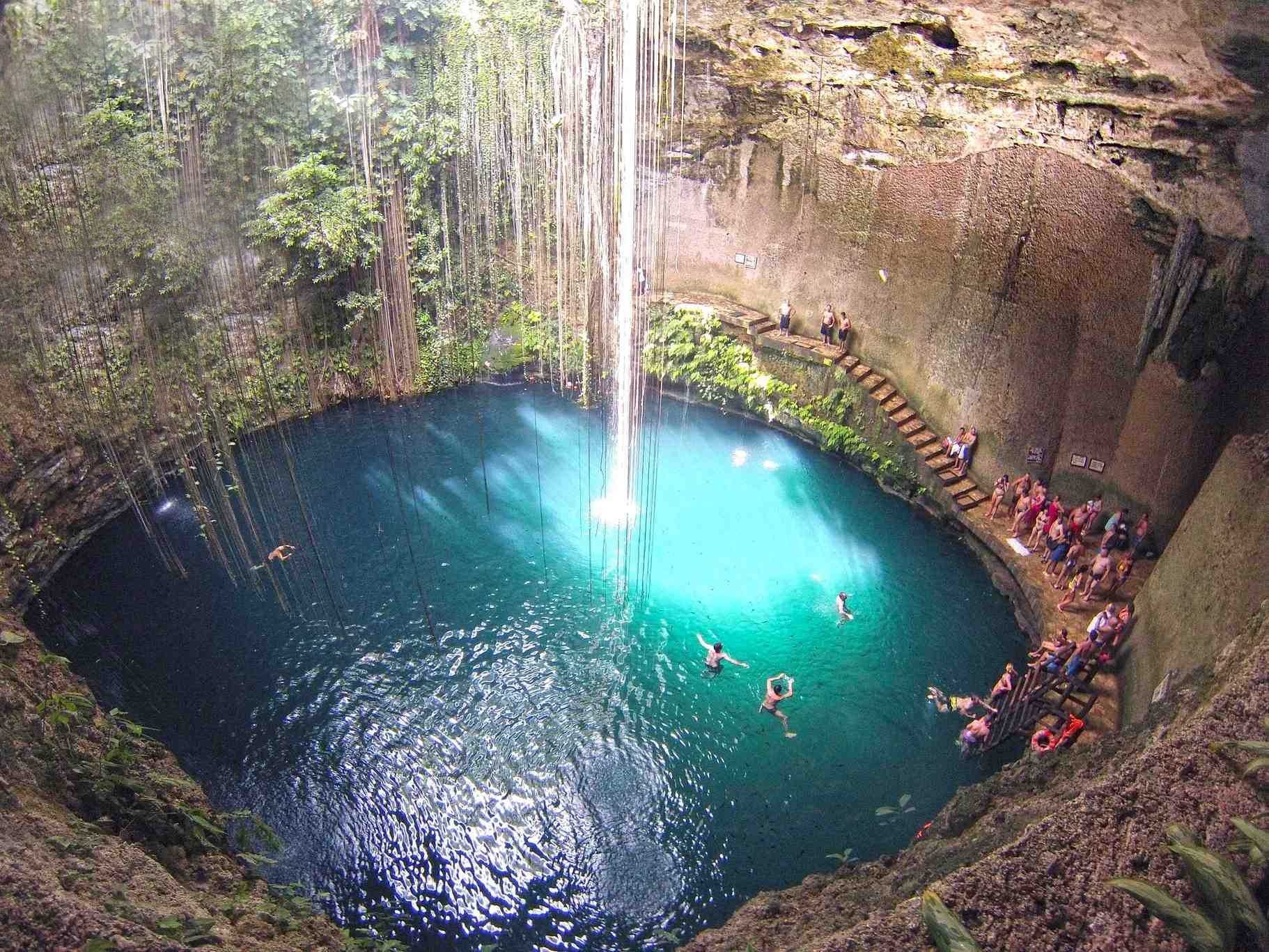
Surrounding the Ik Kil at ground level are rare flora and large trees. The area is perfect for avian life. Toucans, parrots, and other species of birds are common sights here. The internal structure of the cenote is much more intriguing. The turquoise color comes from the sky being reflected in the clean water.
Liana plants (a woody vine) also grow down from the trees that are growing above the pit and reach the water’s surface. It is forbidden to touch the plants around Ik Kil. Security personnel are strictly enforcing this rule all over the place.
How Big is Ik Kil?
The Yucatan Peninsula is home to dozens more cenotes than Ik Kil. However, it is without a doubt one of the largest and deepest.
Cenote Ik Kil is 130 feet deep, and from the water to the ground, it is measured at 85 feet. To put this into perspective, you can place a 20-story building inside Ik Kil. The whole sinkhole is 197 feet in diameter.
This karst lake is completely devoid of any areas of shallow water. Life jackets are available for people who don’t feel confident in their swimming skills.
Reaching Down to Ik Kil
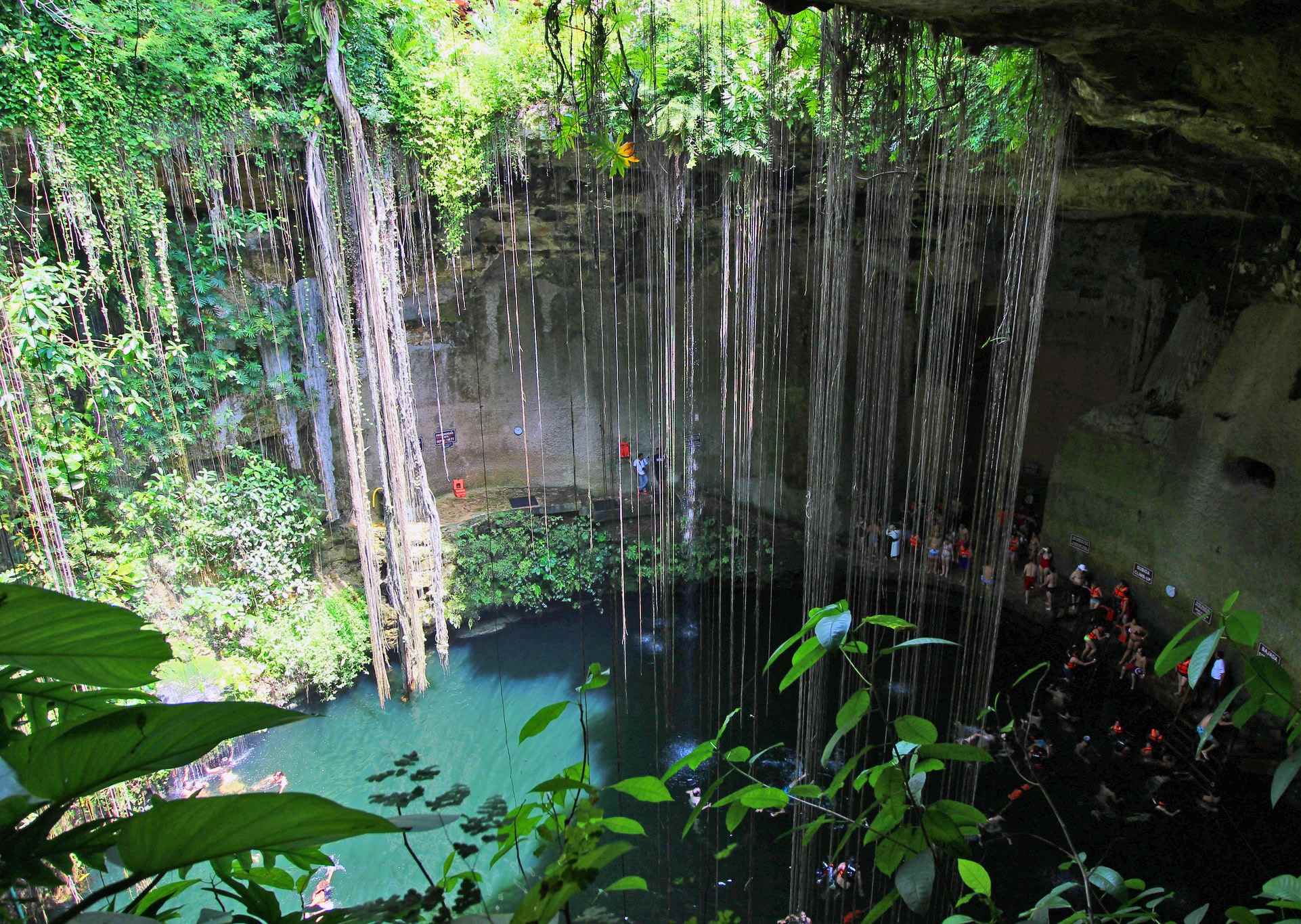
Ik Kil is reached through a spacious stone stairway. Take your time as you make your way down it. The swimmers’ continual splashing causes the stairs to become dangerously slippery. There are wooden ladders designed specifically for use in the water.
Year-round, the water temperature is between 70 and 80 degrees Fahrenheit in Ik Kil. Swimming in Ik Kil is often praised for how chilly the water is compared to the ground temperature.
The lake’s local residents deter some tourists from entering the water. Because black catfish live in this clean, blue water, along with plankton. However, the fish act quite calmly, as if they are completely oblivious to us.
The Recent Popularity of Ik Kil
It’s hard to imagine, but until recently, Cenote Ik Kil was known only to Mexicans, seasoned visitors, and scientists. The Red Bull tournaments launched this place to stardom. A diving contest was conducted there in 2014, and competitions were staged there in 2010 and 2011.
The participants jumped from a height of 80 feet above ground level and performed a variety of acrobatics as they descended to the ground below. In the present, leaping is only allowed from specially constructed platforms.
The cenote’s ecosystem is safeguarded in every manner it can. Everyone should take a quick shower before getting in the water to remove any traces of makeup, sunscreen, or bug spray, since these products may have a negative impact on marine life.
Directions to the Ik Kil Cenote
Cenote Ik Kil is located outside of Pisté, in the northern Yucatan Peninsula municipality of Tinum. It sits close to the Valladolid highway, not far from the Chichen Itza ruins.
Around 3 miles separate Chichen Itza and the Ik Kil; 4 miles separate Pisté and the city of Valladolid; and 25 miles separate Valladolid and Mérida.
From the Chichen Itza visitor center, various minibuses go to the nearby Ik Kil. If you want to go from Valladolid to Ik Kil, you should go to the bus terminal and look for the Oriente bus. You can take a bus from Merida to Pisté and then a cab to the cenote. No buses or minibuses go between Pisté and Ik Kil.
Bicycling is another popular option for getting around Yucatan and seeing various sites along the way to the cenote. There is a bike rental shop on practically every corner.
The landmark is accessible every day, all the way until 5:00 p.m. Travel experts advise coming to the cenote before 11:00 a.m. or after 4:00 p.m. to avoid the hordes of tourists. The tours usually include the shower and bathroom facilities. But life jackets and lockers for valuables are available for an additional fee.
The admission price is cash only, and paying with local currency should come in handy. However, the exchange rate for dollars is quite disadvantageous in Mexico.