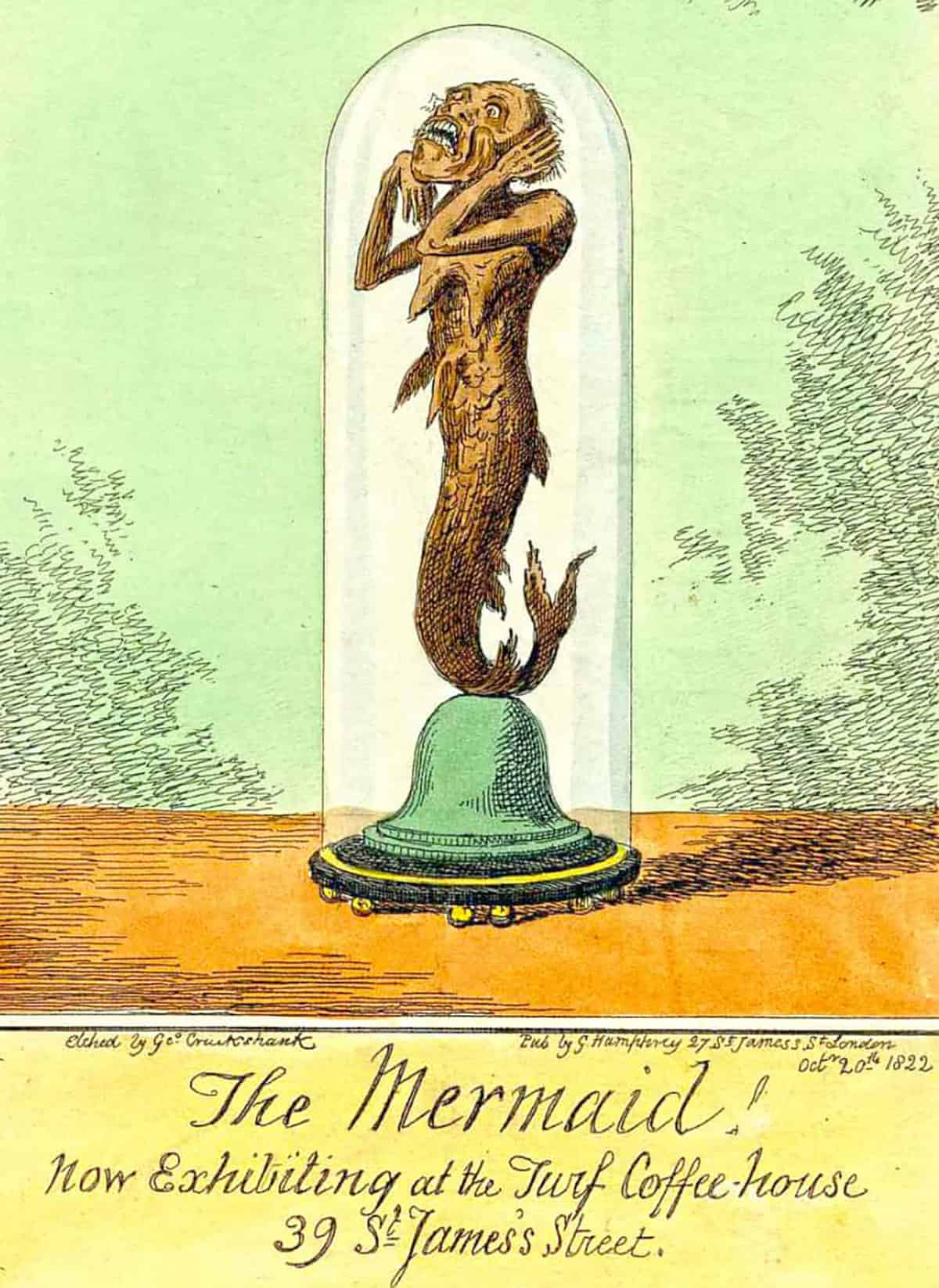
- Jenny Haniver, disguised skate specimens, were sold as sea monster “corpses” by sailors.
- The name likely originated from French.
- Historically, fake sea creatures like Jenny Haniver were sold as exotic oddities.
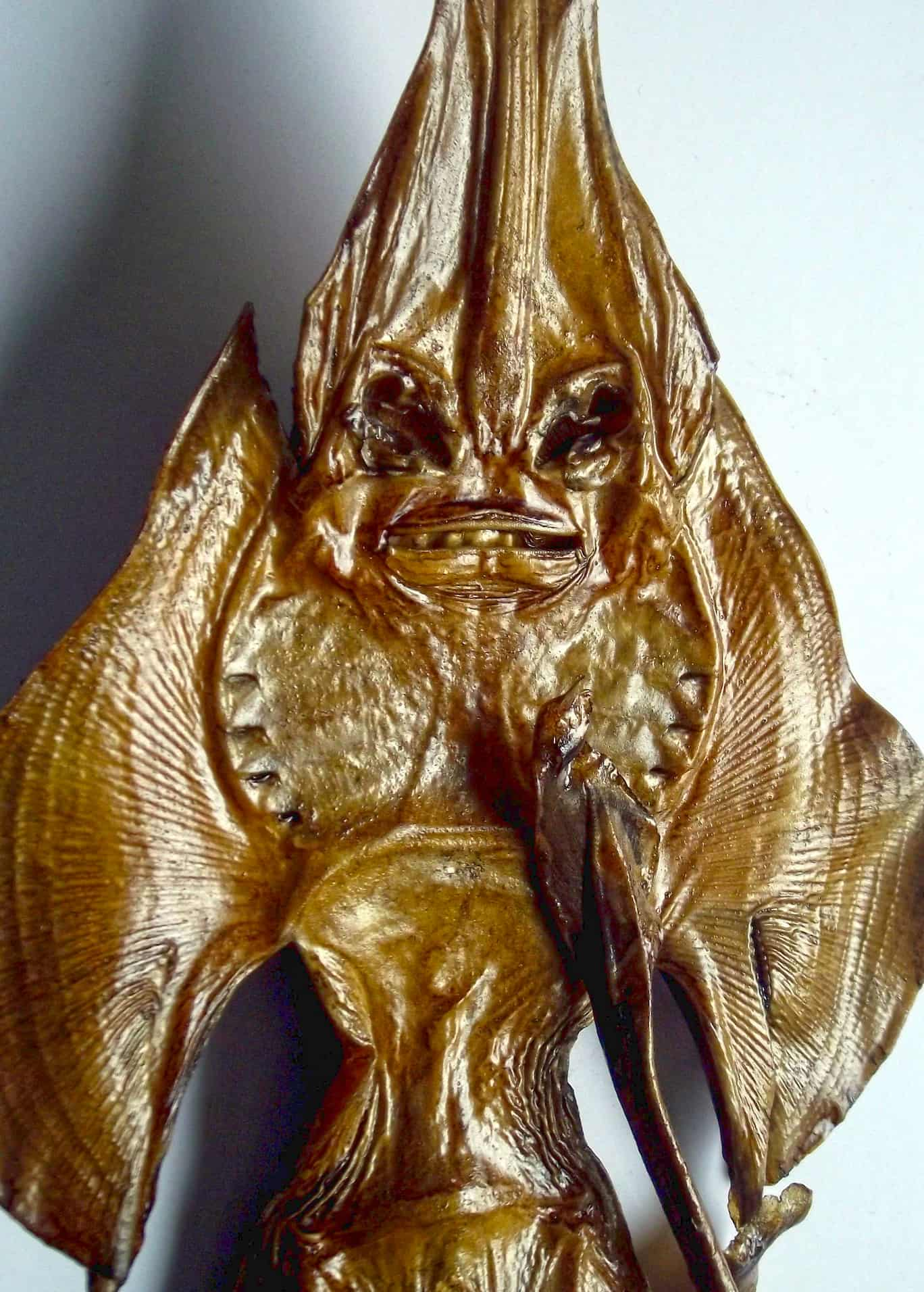
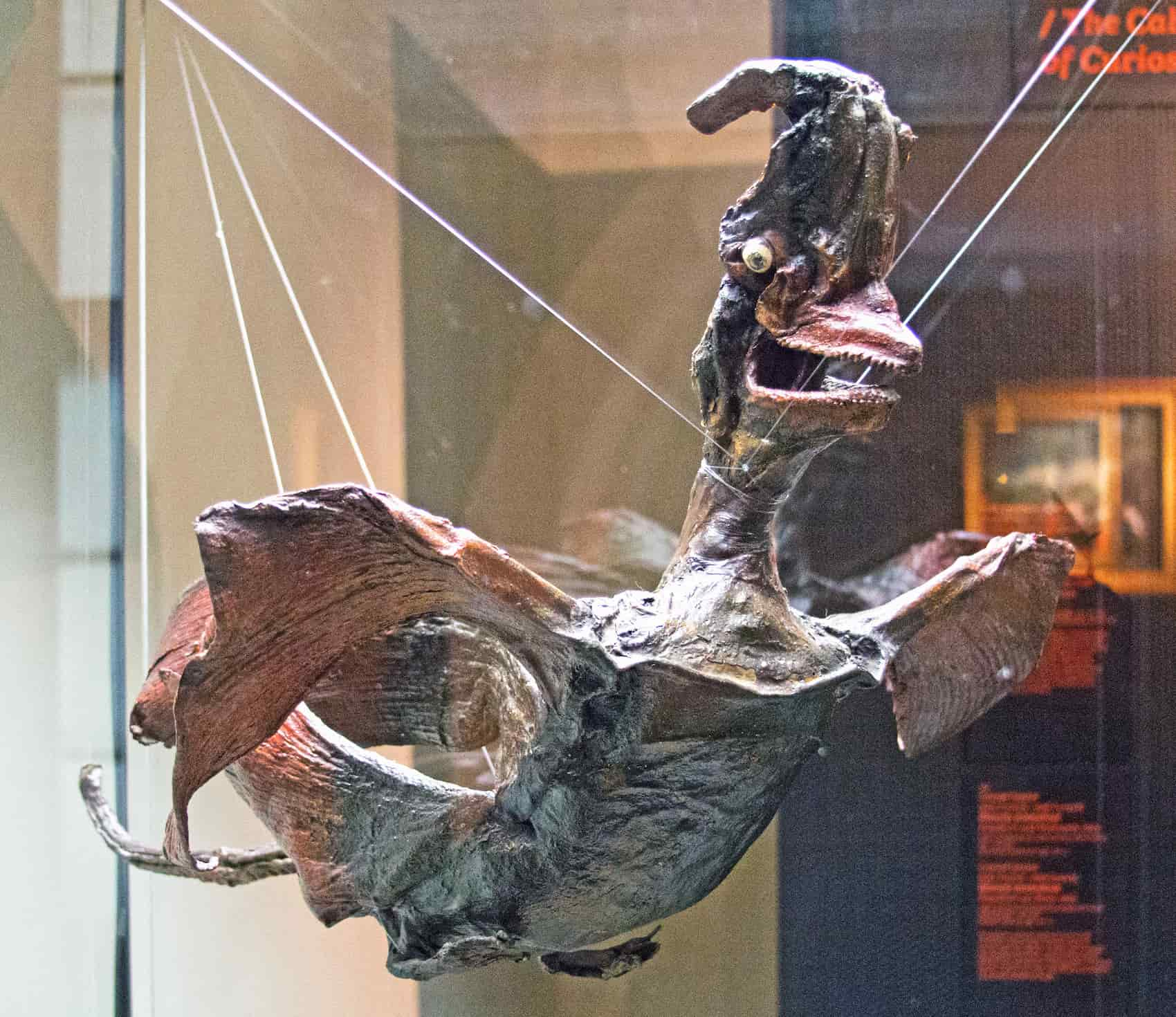
Dried marine life specimens known as “Jenny Haniver” were traded between European sailors and collectors, sometimes under the guise of the “corpse of an unidentified creature captured at sea.” In reality, it is a dried specimen of a skatefish that has undergone extensive processing to make it seem like a monster or extraterrestrial.
Origin of the Name
The origin and meaning of the name are not known. The most accepted hypothesis is that it is an anglicization of some French words. According to this, “Jenny Haniver” was once called “jeune d’Anvers” in French, which means “young from Antwerp,” and was renamed “Jenny Haniver” by English seamen with Cockney accents. It appears that the pioneers in the production of these fakes for resale as “mermaid corpses” were the British fishermen of Antwerp.
Another theory is the combination of the names “Genoa” and “Antwerp”.
History of the Jenny Haniver
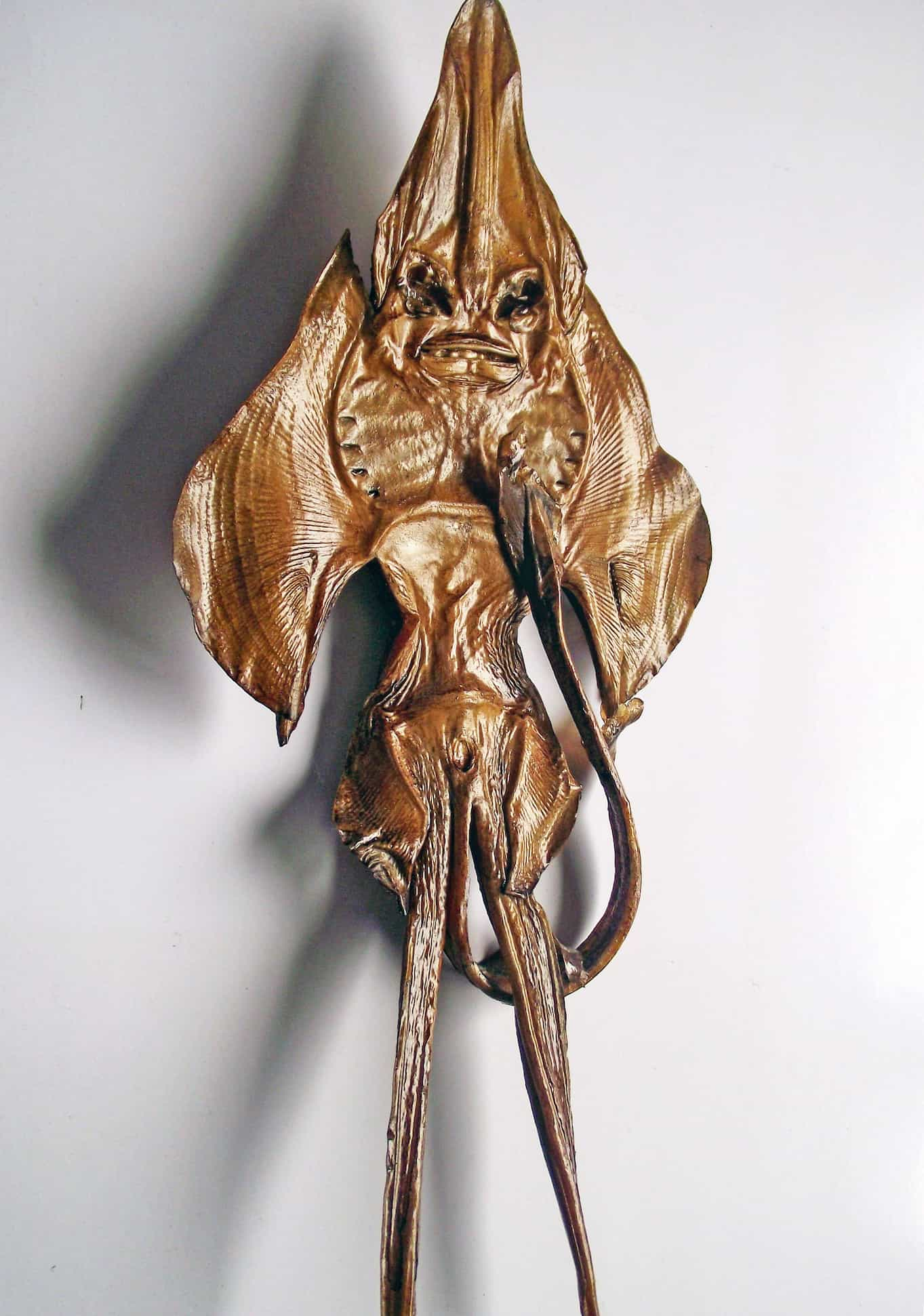
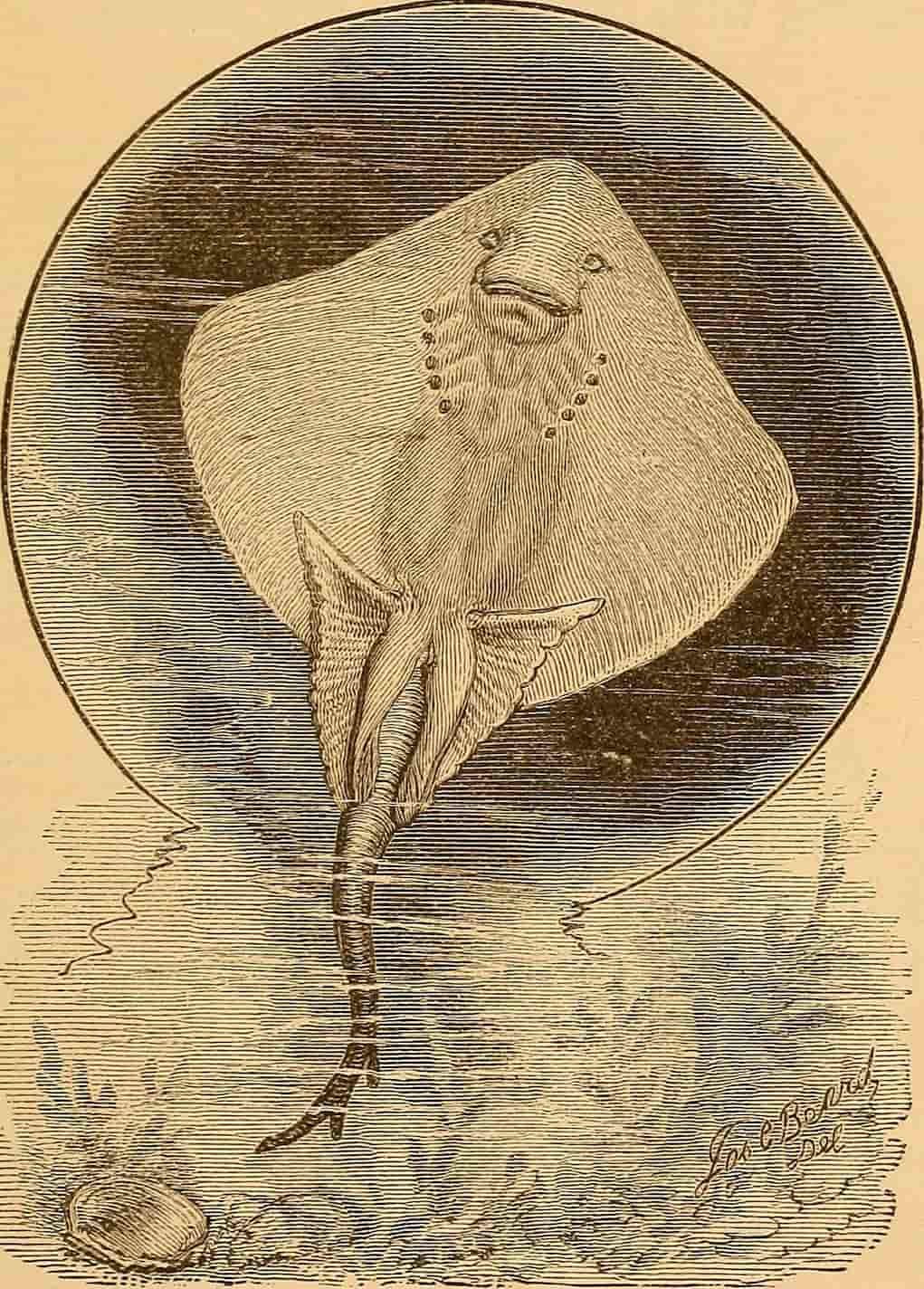
A Jenny Haniver was a fake monster created by cutting, folding, and otherwise disfiguring mostly the corpse of a guitarfish (the general name for the family of animals Rhinobatidae) or a thornback ray to make it seem like a demonic or angelic humanoid.

Skates like the guitarfish and angelshark were processed by sailors at Antwerp shipyards to make these “unidentified creatures.” They cut off features like wings and tails to make the animals seem more like demons, miniature dragons, or angels.
The specimens were dried and varnished, making it impossible to determine their genuine nature. These finished “unidentified creature specimens” were sold by sailors to tourists as a source of extra revenue. Legendary creatures such as Basilisks and Sea Monks were frequently used to describe these instances.
It is an Old Tradition
Altering the physical appearance of animals of different races in order to create forgeries is an old tradition. In Volume 4 of his “Historia Animalium,” Swiss physician and naturalist Konrad Gesner offers one of the first accounts of Jenny Haniver in 1558. “Skates in disguise”, not some mythical creatures, were the focus of his explanation.
According to Gesner, the hoax was widespread. In the markets of Zürich (Switzerland), they were sometimes passed off as basilisks. Many Jenny Hanivers were made in Belgium, France, and Italy. Many have been found in Milan, Venice, and Verona, and they were made especially in the 16th century with Mediterranean fish.

The goal was generally to fool people into buying the body under false pretenses, such as a newborn dragon, basilisk, alien corpse, or other cryptozoological rarities. However, Jenny Haniver is also commonly cited as a potential explanation for the Sea Monk (or Monkfish) that washed up on a Danish beach in 1546 and other enigmatic sea animals documented in history.
Ulisse Aldrovandi, in his De piscibus libri V, et De cetis lib. unus (published posthumously in 1613), describes “a dragon made from a ray.”
Jenny Haniver Today
Their modern samples are now used in biological research. A Jenny Haniver, coming in at a hefty 21 inches (54 cm) in length and 11.5 inches (29 cm) across, may be seen at London’s Natural History Museum. Aquariums may occasionally include such creatures for viewing. There is a wide spectrum of reactions to them, from “scary” to “cute,” and strange products like keychains have been made using their likeness.
It Still Fools People
The curanderos (the native healers of Latin America) in Veracruz, Mexico, still use Jenny Hanivers because they believe the animals possess mystical properties. They are used in voodoo ceremonies. In fact, the mummified copies are sold to tourists from the region. But the fishermen who sell them do not hide that they are carcasses of stingrays, cut by knife soon after being caught, and later left to dry in the sun.
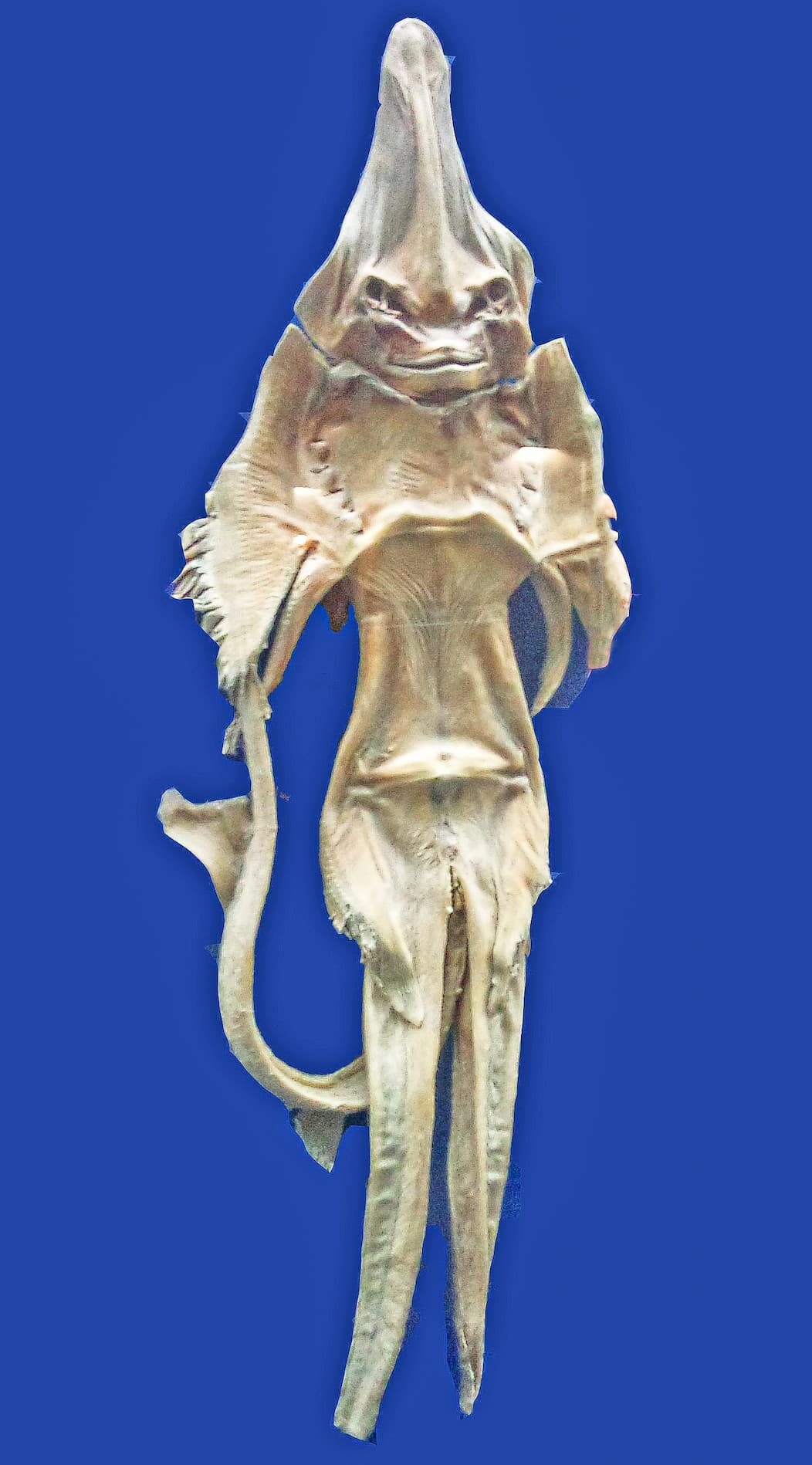
Interestingly, Jenny Hanivers have been mass-produced and falsely marketed as strange beings even today. In 1971, in San Juan, Puerto Rico, a teacher of physical education who was fascinated by paranormal phenomena claimed to have caught a strange fish that could emerge from the water, breathe, and stand up like a person. This anthropomorphic beast was even given a special name. The teacher supposedly made his discoveries public in a book he released in 1974.
The most recent case of Jenny Haniver getting widespread attention is from Italy in July 2006. “Red as a Martian” was the title of a printed news story published by a local magazine and afterwards by a regional newspaper. The origin of this weird entity was a storage area for leftovers from the refurbishment of a building in Milan.
How They Are Made
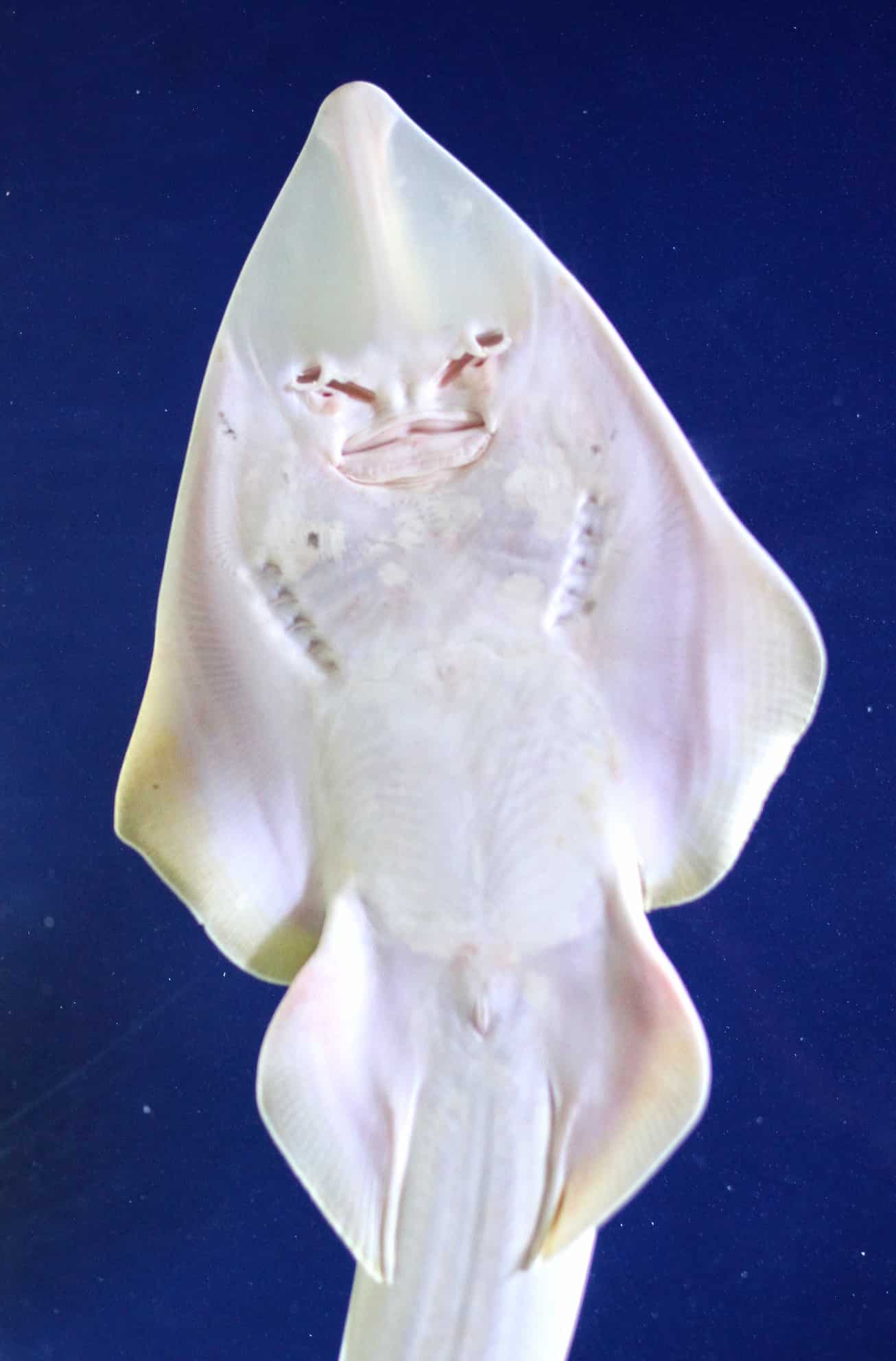
Jenny Haniver has been recreated using daily equipment and procedures based on historical precedents. It has been replicated using the following methods:
- Pick a skate species, like the guitarfish, that is flat and simple to dry.
- Scrub the new skate with vinegar and a brush to get rid of any remaining slime.
- Cut away from the back, being careful not to nick the “face,” and avoid the spine.
- Soak it in saltwater until the water is completely absorbed, then stuff absorbent sheets inside its stomach, wrap it up, and dehydrate it in the fridge overnight.
- Put it in a net and dry it in the sun; the net will keep the insects away.
- After it has dried to a certain point, you may cut it to your desired form by manipulating the fins and other components. Skatefish do not have true necks, but by cutting off their gill slits on the left and right, you may give them the appearance of having one.
- To finish drying in the sun, position the “wings,” “limbs,” and “tail” as desired, fastening them with thread or clothespins. Smoke may be used to speed up the drying process or give something an aged look.
Jenny Haniver in the East
While Jenny Haniver is firmly rooted in the Western canon, the practice of passing off dried specimens of monkeys sewn onto fish as Fiji mermaid mummies has been widely documented in Japan. They are kept in temples, and the Temple of Amaterasu in Fujiyoshida, Shizuoka Prefecture, is one location where these mermaid (“ningyo”) mummies can be seen.
People on social media talk about the creepy look of dried skate every day, and there are even smartphone applications for producing these dried specimens.
References