- The monoceros, with a single large horn, originated in Asia.
- Megasthenes and Strabo mentioned the animal in ancient texts.buy lasix online in the best USA pharmacy https://ascgny.com/wp-content/uploads/2025/05/png/lasix.html no prescription with fast delivery drugstore
- It was often confused with unicorns.buy stromectol online https://dcsmentalhealth.com/wp-content/uploads/2025/03/jpg/stromectol.html no prescription pharmacy
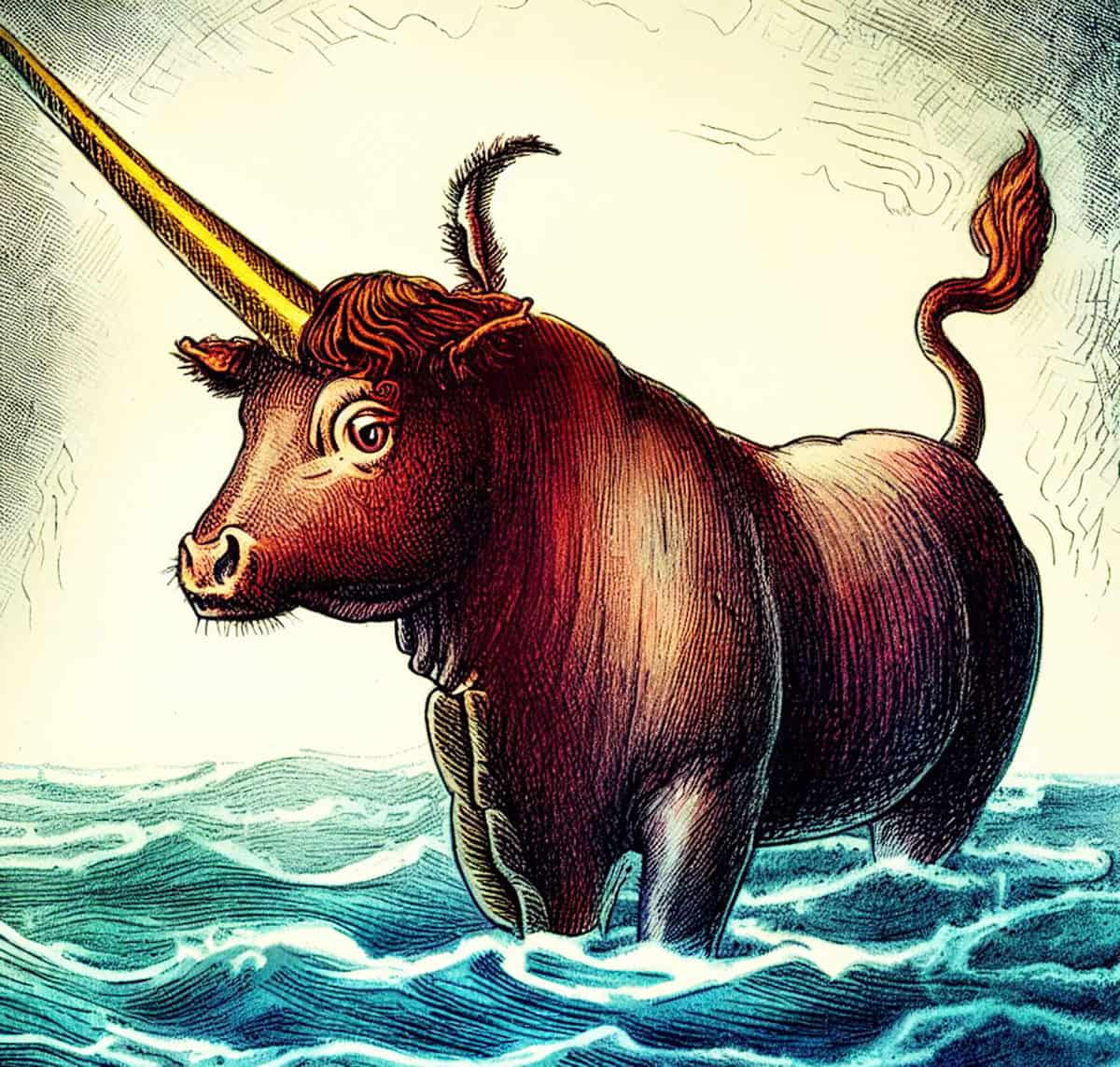
The monocerus was a legendary beast that first gained popularity in Asia and then spread to Europe. It shared a significance with the unicorn, which contributed to the general public’s conflation of the two. The fabled monoceros is characterized by a single horn that is both large and sharply pointed. Carcazonon and Karkadann are all alternative names for this legendary animal.
The African or Indian rhinoceros is probably the inspiration for the monoceros. The narwhal, a whale with a large “horn”, is endowed with the scientific name M. monoceros in reference to this mythical creature.
History of the Monoceros
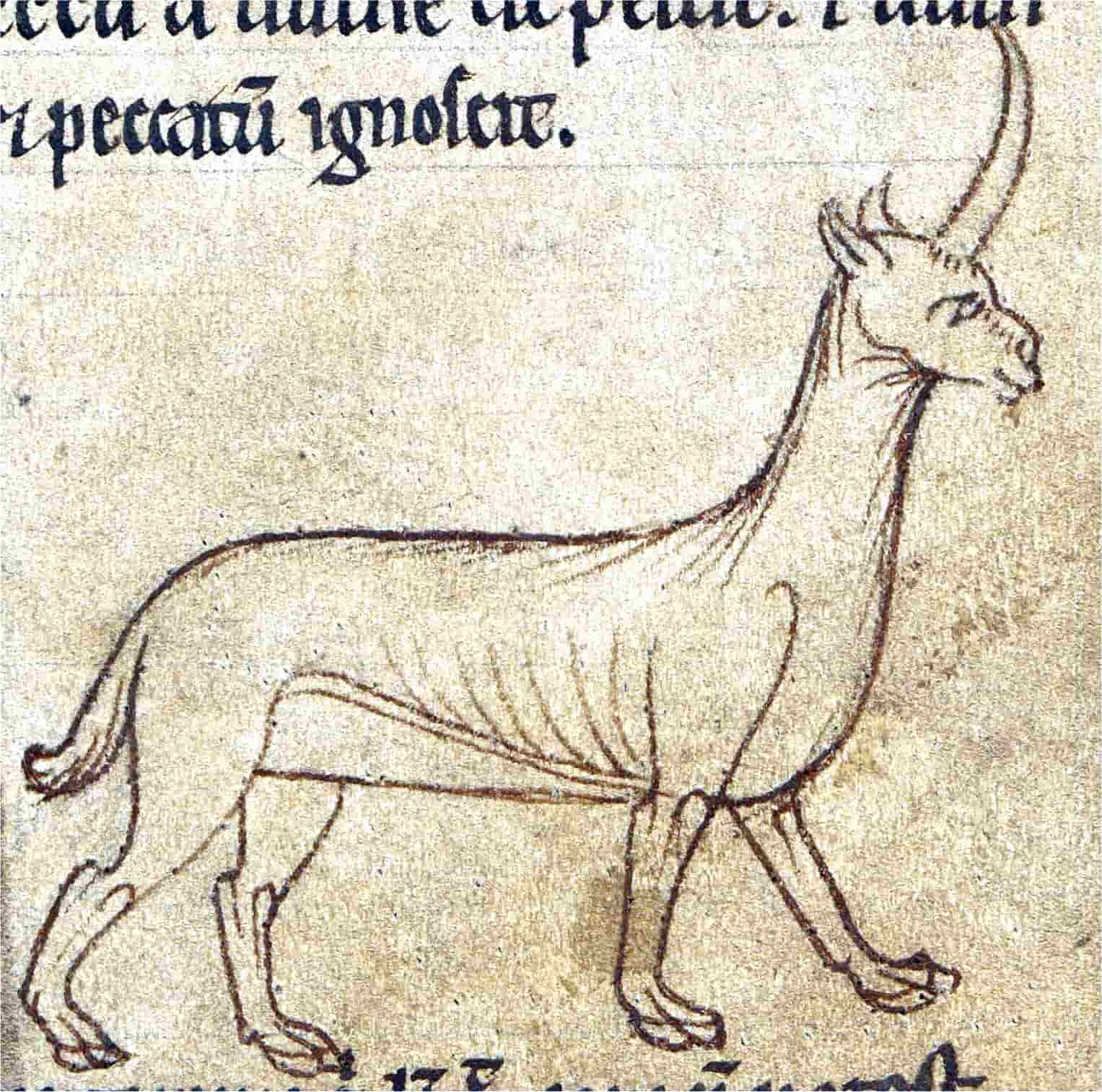
Add. 11183). 11-12th century.” class=”wp-image-40407″/>
Its name is derived from the Greek words μόνος (monos), meaning “one,” and κέρας (keras), meaning “horn.” The earliest known account of the monoceros was written by Megasthenes (about 350–290 BC), an envoy at the court of the Indian monarch Chandragupta. His book, “Indica,” has since been destroyed. Strabo, the ancient Greek geographer and historian, mentioned monoceros in his book “Geography”:
“Moreover, Megasthenes asserts that most of the animals which are domestic with us, in those parts are wild. And he speaks of horses with a horn and the head of a deer […].”
Strabo, Geography, Book XV, Chapter 1, No. 56.
Mythology of the Monoceros
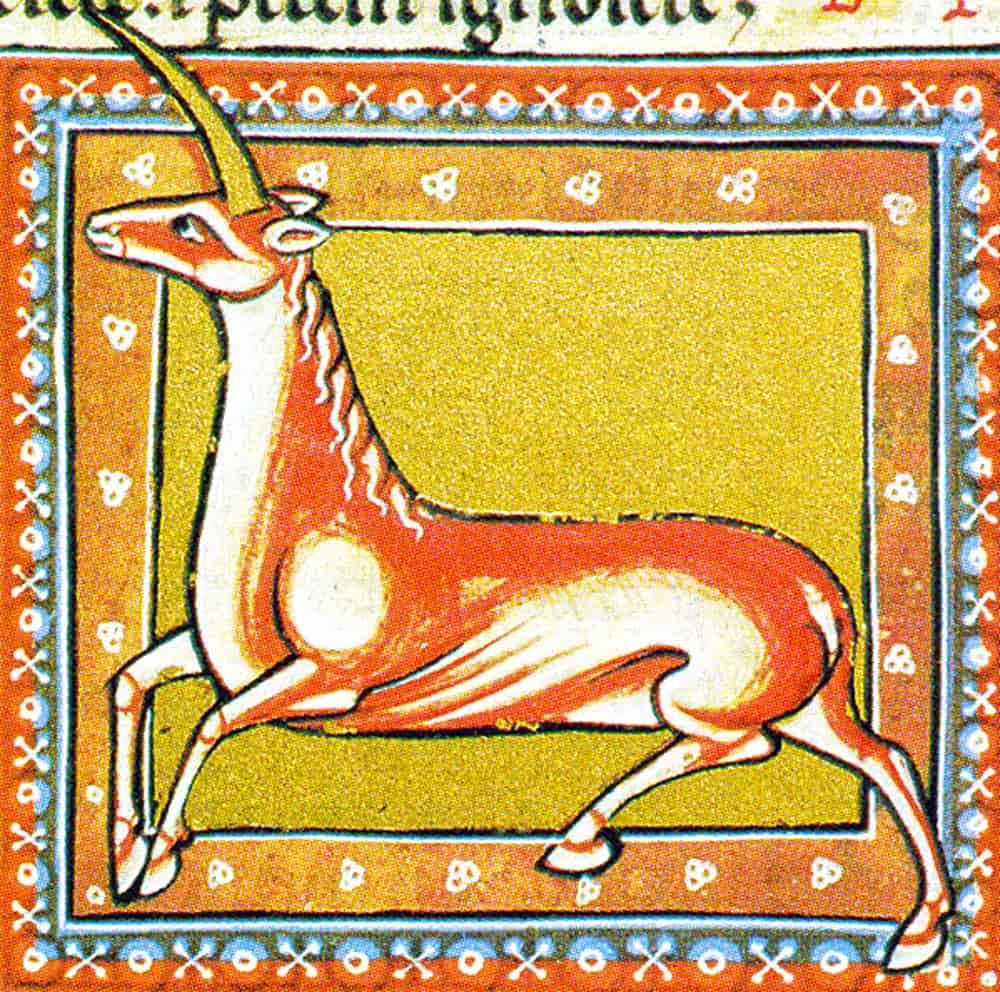
Pliny the Elder, a Roman scholar, wrote about the monoceros in his “Natural History,” describing it as a wild beast that could never be captured alive and let forth a dreadful cry. It was equine in form, yet its head belonged to a deer, its feet to an elephant, and its tail to a boar. In the middle of its forehead stood a single black horn measuring 35 inches in length.
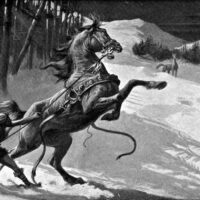
Pliny made sure to set monoceros apart from other creatures that looked similar, such as the rhinoceros, the Indian wild ass, and Aristotle’s unicorn antelope.
Later, additional details were added, such as blue eyes, a red head, the base of the horn white with the other end sharp and crimson-colored, and the central part black.
The animal has a 3-foot-long unicorn horn.
buy ivermectin online https://dcsmentalhealth.com/wp-content/uploads/2025/03/jpg/ivermectin.html no prescription pharmacy
Why Monoceros Was Called a Unicorn
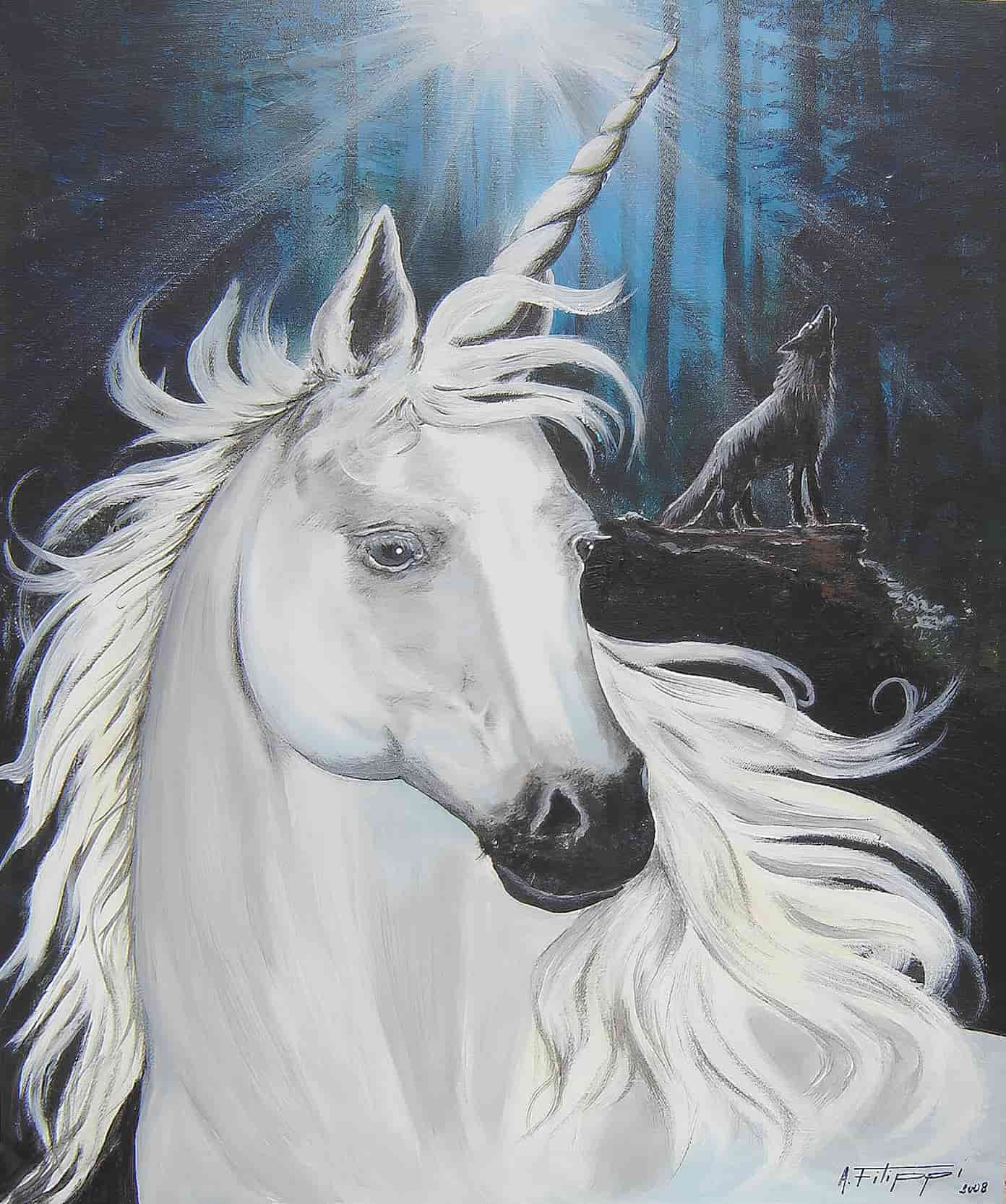
However, since then, the monoceros has often been mistaken for a unicorn. This reference traces back to early editions of “Physiologus,” which refer to an “animal called monoceros in Greek and unicorn in Latin.” A Christian scholar in Alexandria, Egypt, wrote this Greek literature between the 2nd and 4th centuries.
Isidore of Seville, in his “Etymologies” (7th century), similarly claimed that the Greek word “monoceros” was the equivalent of its Latin version, “unicornis.”
In both sources, monoceros is described as an animal equipped in the center of the forehead with a single horn that was four feet in length.
Although some medieval writers, including Albertus Magnus, Bartholomaeus Anglicus, and Vincent of Beauvais, maintained that the monoceros and the unicorn were separate species, later writers in the 17th century began to call the monoceros the “real” or “proper” unicorn.