Mehen, whose name means “he who is coiled,” is a god in ancient Egyptian mythology. He is the protective snake god who watches over Ra’s sun boat. During the nighttime voyage through the Duat (the Underworld), the sun god was shielded by Mehen’s coils. This was because both the sun and the wicked deity Apophis symbolized the unending fight between good and evil. Had Apophis succeeded in stopping Ra’s boat and flipping it over, the world would have ended and darkness would have returned.
Mehen wrapped himself around Ra to shield him from Apophis.
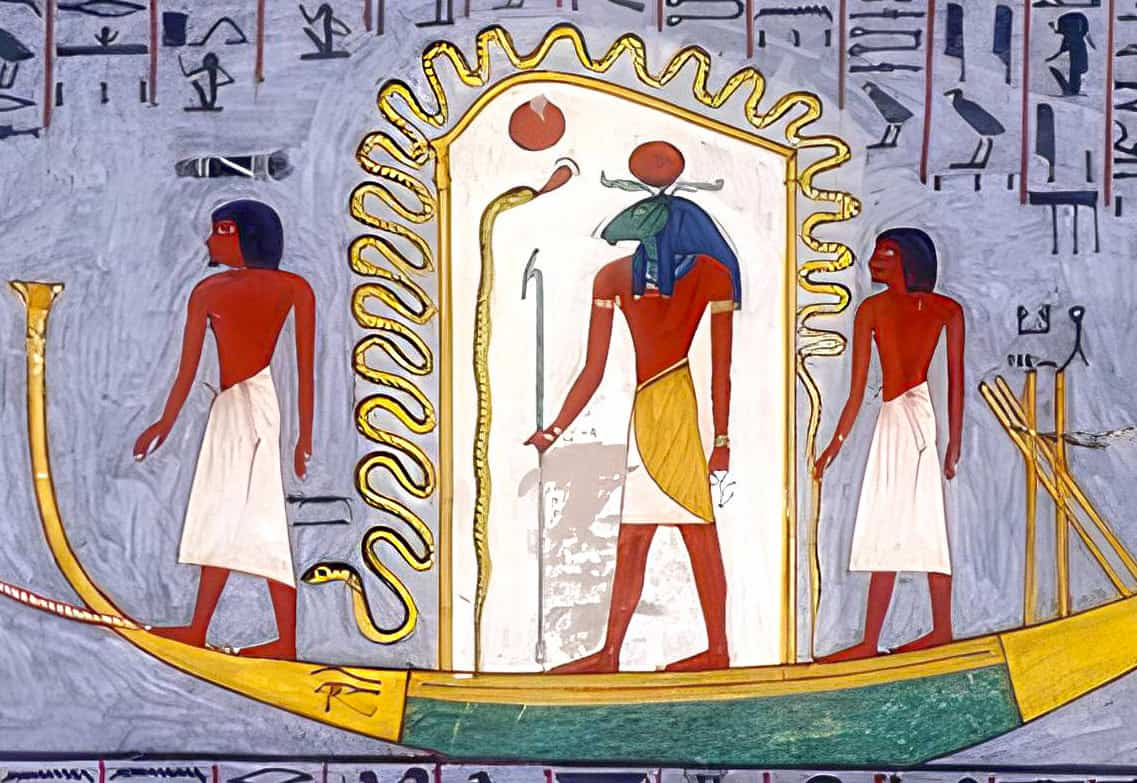
From the copy of the Book of Gates in the tomb of Ramses I (KV16).” class=”wp-image-42807″/>
Apophis managed to devour the sun at least once because the guardian of the solar boat, Mehen, actually failed in his duty. However, as shown in Ramesses IX’s tomb, Mehen caused Ra to emerge out of a hole in Apophis’ belly, enabling the sun god to finish his trip and be reborn again.
References to Mehen in History
The Old Kingdom’s (2700–2200 BC) Pyramid Texts, Coffin Texts, and papyri all include references to the primeval deity Mehen, and it’s possible that his devotion extends back to at least the Predynastic Period.
In the New Kingdom (1550–1352 BC), a law was established that enabled the dead to take part in Ra’s nighttime voyage, but only if they were buried very deeply in the earth; this gave rise to the concept of hypogea (“underground”).
The whole Egyptian creation myth began around 3100–2686 BC.
The snake deity Mehen is prominently featured in scenes from the literary work Amduat. There is also a funerary text called the Book of Gates found in the pharaoh tombs in the Valley of the Kings. There are twelve scenes in Amduat that correspond to the twelve hours of the night, and the Book of Gates text describes the journey of the sun god and the pharaoh across the sky at night.
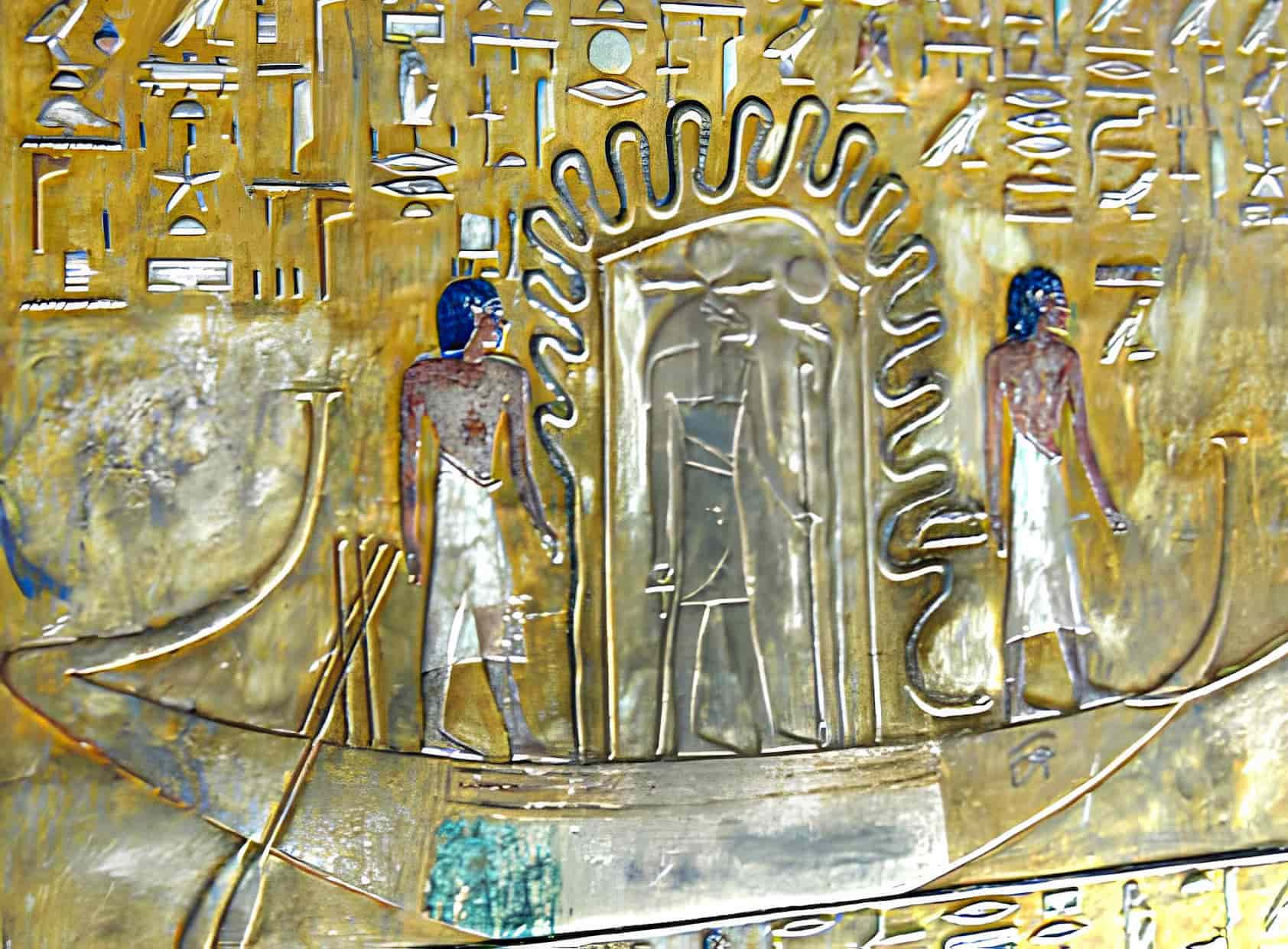
In the Valley of Kings, this iconography is found inside the tombs of the following pharaohs:
- Ramesses I: In his tomb, the solar boat of Ra with a ram’s head, called Auf-Ra, is depicted in the “third hour” of the Book of Gates. Both are protected by the god Mehen and the minor deities Sia and Heka.
- Horemheb: In this tomb, the Book of Gates is partially missing, yet you can see the snake Mehen multiple times.
- Seti I: His tomb has one of the most richly adorned types of Books. There are many depictions of the Book of Gates in which Mehen and other deities stop Apophis from blocking Ra’s journey.
- Ramesses VI: It is filled with depictions of Mehen painted with impeccable craftsmanship. The full versions of the Books of Gates, Heavens, and Caverns may be found here.
- Thutmose III: The Twelve Hours of the Night of the Amduat are represented here with Ra’s boat protected by Mehen.
Since the sun’s nighttime voyage became the most common magical-religious motif in burial depictions, Mehen was often shown in them.
Ra’s voyage had to be closely guarded by Mehen due to widespread Egyptian anxiety over the possible end of the world. The Egyptians also believed that they would be reincarnated by following the sun’s path, thereby vanquishing death.
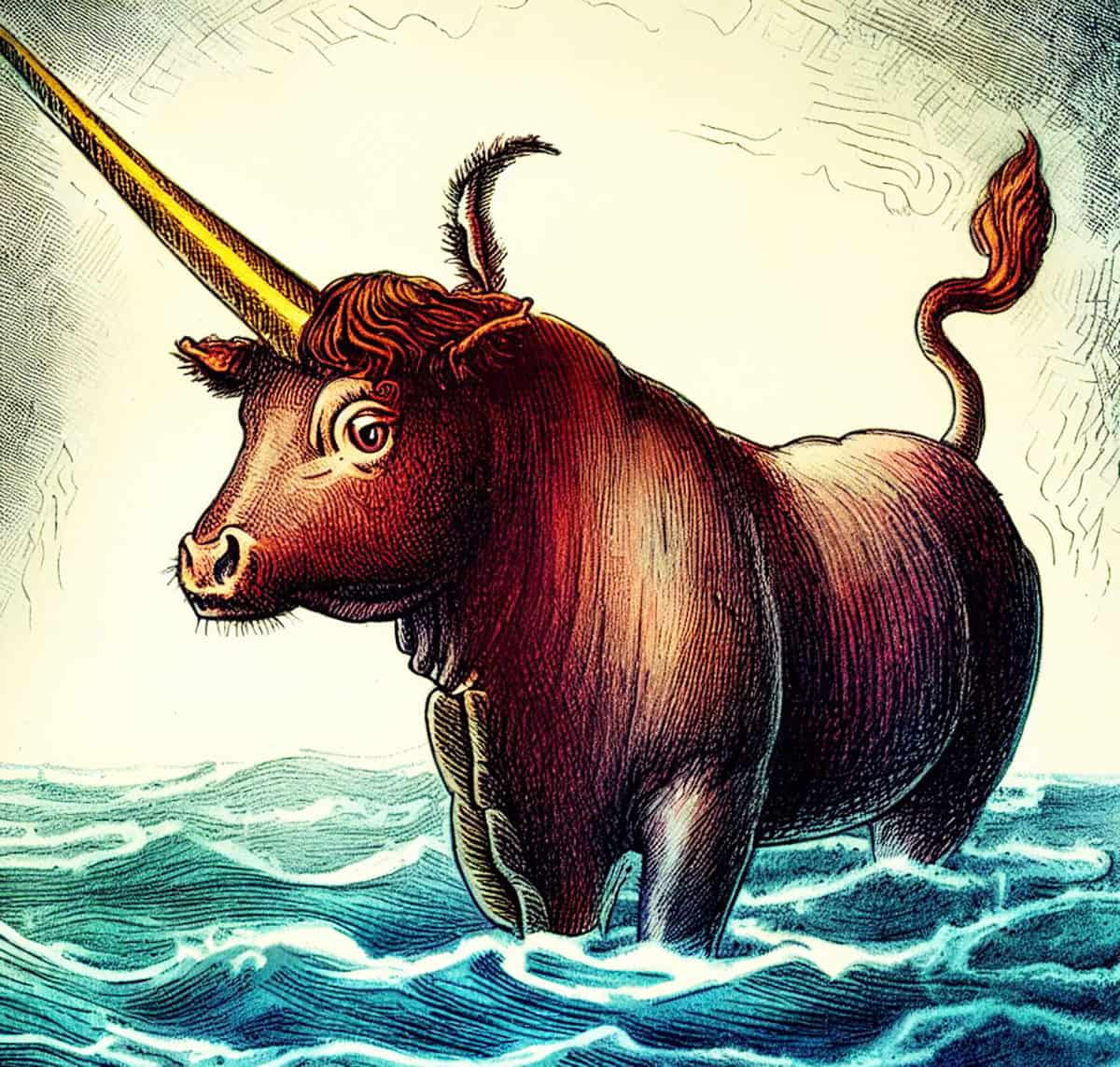
While the pharaoh, accompanied by Ra and the guardian deities, marched triumphantly towards his own rebirth and that of his predecessors, others in Egypt were still dying.
Mehen is Also an Ancient Egyptian Board Game
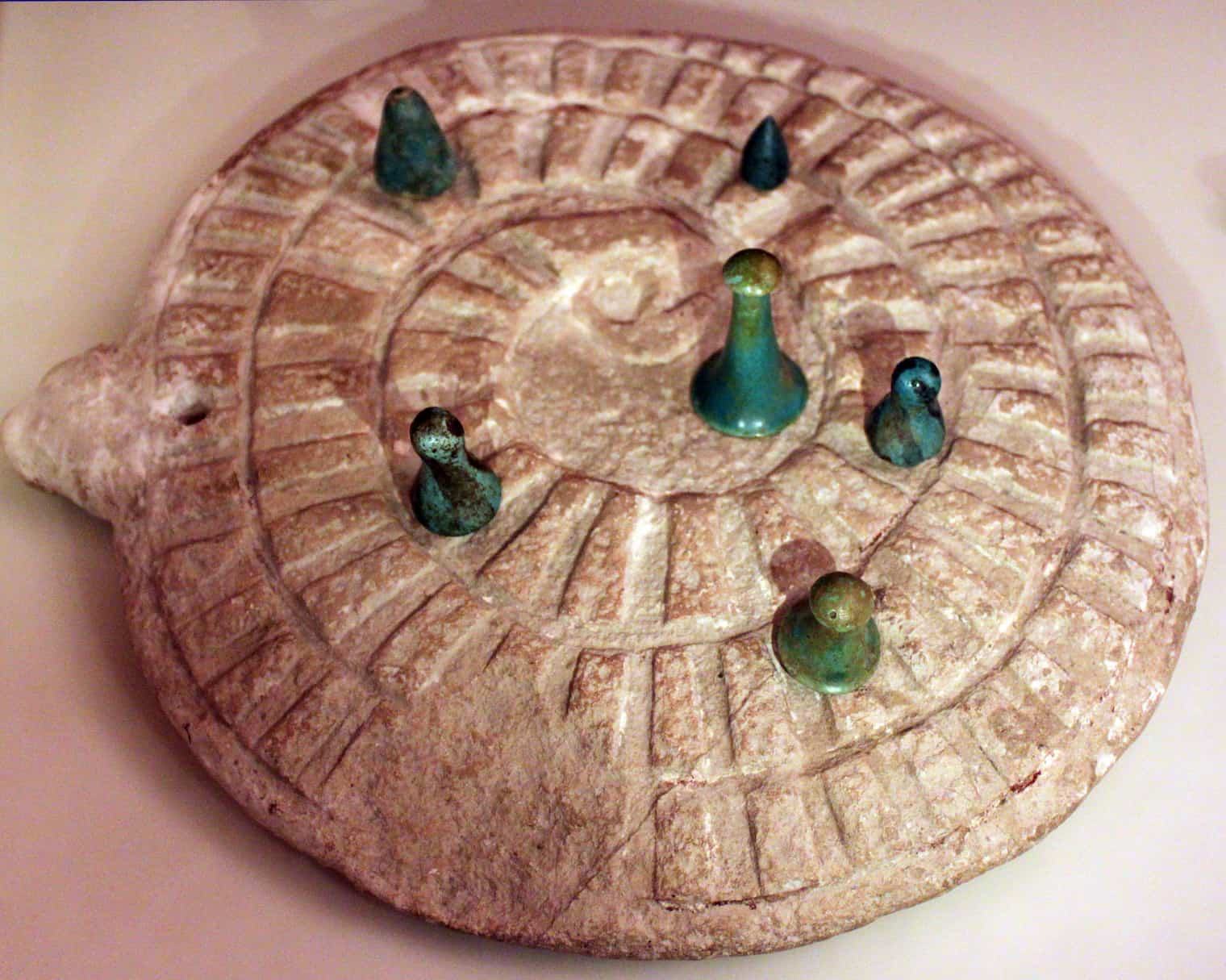
Also originating in the Old Kingdom (2700–2200 BC), the board game called Mehen is said to have had a sacred significance beyond that of a simple pleasure due to its intimate association with the snake deity. It is speculated that this board game was a ceremony that took place between the deity Mehen and the dead, with the winner being spared from a poisonous bite.
How It Was Played
In a game of Mehen, to establish who would go first, dice were thrown, and the highest-rolling player would get the first turn. By rolling the dice, players advanced from the snake’s tail to its head. If they made it to the head, they became a lion or lioness and had to make their way back to the tail. After the transformation, each point of the dice was counted as a double. The winner of Mehen was the first one to reach the tail.
The goddess Mafdet also took part in the game. Her mission was to keep the pharaoh safe as the pharaoh tried to rescue Ra. Six lions and six sets of marbles were used in this game.