- The haggis animal, a mythical creature, is inspired by a Scottish dish.
- The haggis animal myth includes tales of giant specimens.
- American tourists once believed wild haggis were real animals.
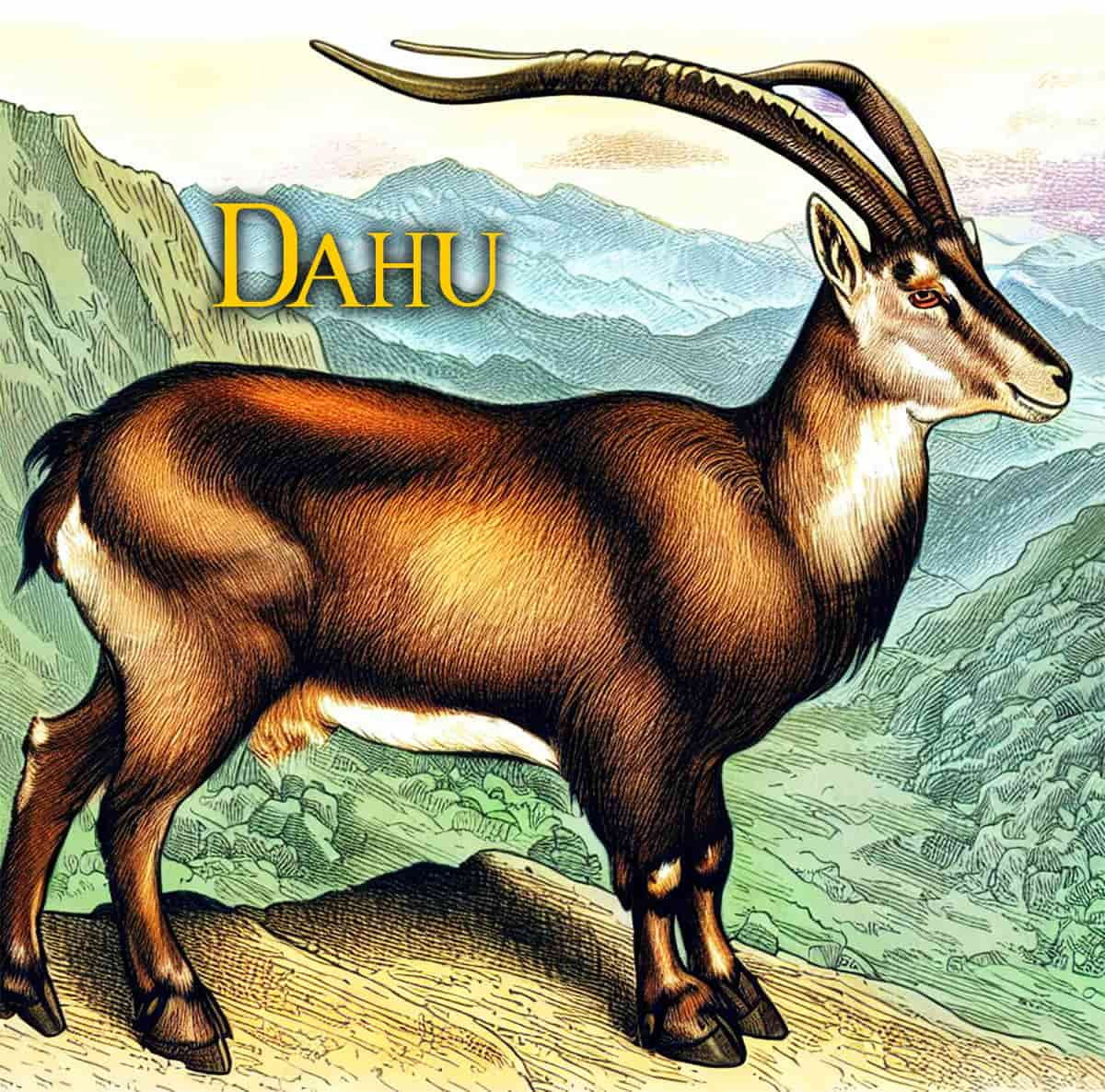
The haggis animal, also known as Haggis scoticus (a satirical classification), is a made-up animal with roots in the Scottish Highlands. The Scottish staple food known as haggis is thought to have originated from this animal. In the tale, the wild haggis animal is a bird whose wings have atrophied through the course of development, and it lives entirely on the mountainside, where it has developed parts of its three or four limbs more than others, much like the mythological mountain animal known as the “Dahu” (a mountain goat).
The Myth of the Haggis Animal
It’s hard to say for sure where this myth got started. But haggis has been a classic Scottish food, and its components have long been a source of mystery for curious visitors. Thus, the myth of the haggis animal was allegedly developed in response to unending questions from foreigners about what goes into this food.
The food actually contains the internal organs of a sheep (heart, lungs, and liver).
It is a mythical beast from Scottish legends.
In this myth, the biggest haggis animal ever recorded weighed 25 tons and was supposedly caught in 1893 at the foot of the Highlands peak, Ben Lomond. However, the same wild creature is smaller than a goose or a heron in some tellings of the legend.
This made-up animal is a bird with atrophied wings, like an ostrich; however, there are a few different takes on this description. The wild haggis can run quickly over the mountains thanks to its three or four legs, two of which are longer on one side and the others shorter, depending on the variant. That’s why the fabled Dahu goat appears to be evocative of this beast.
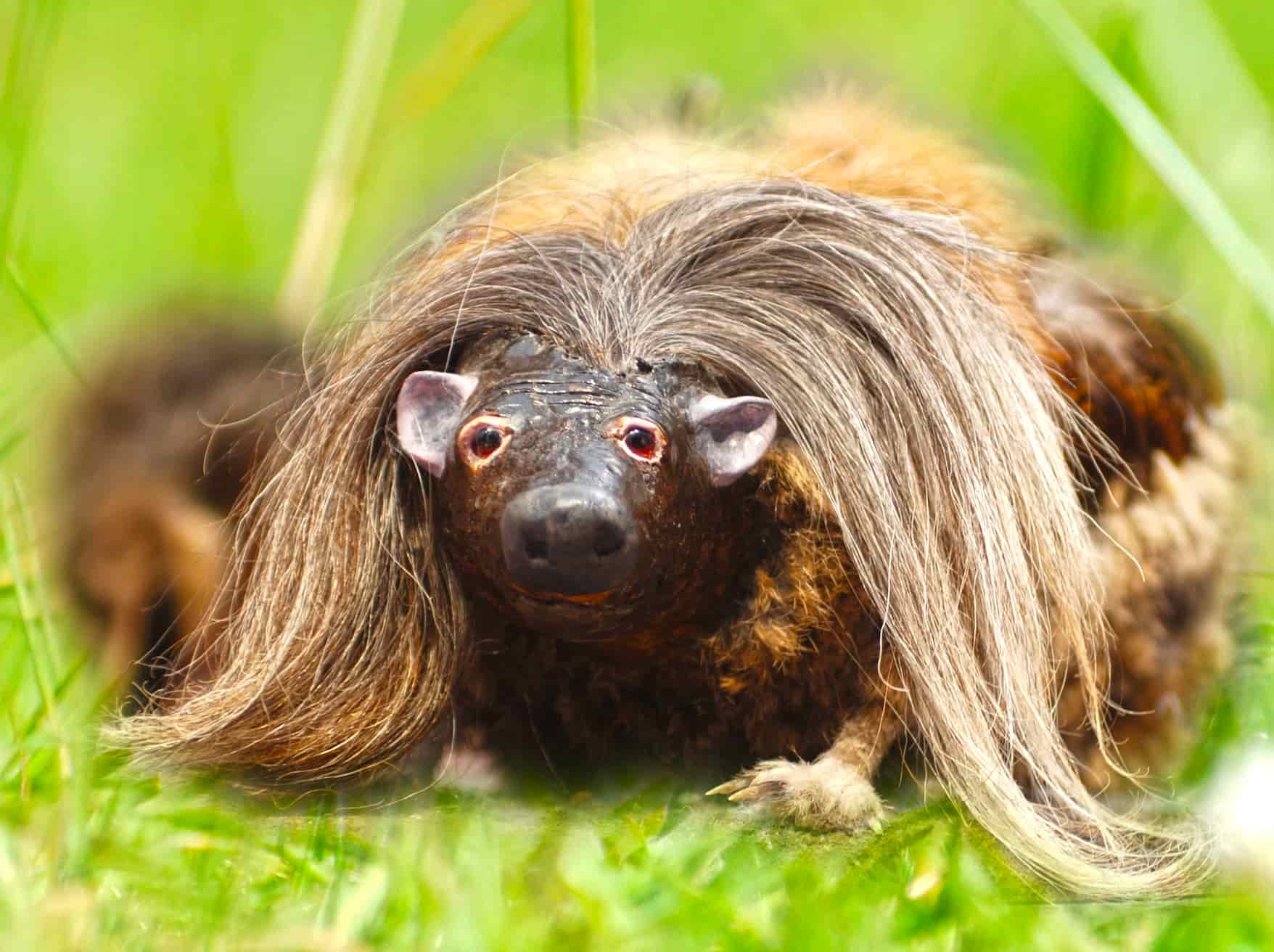
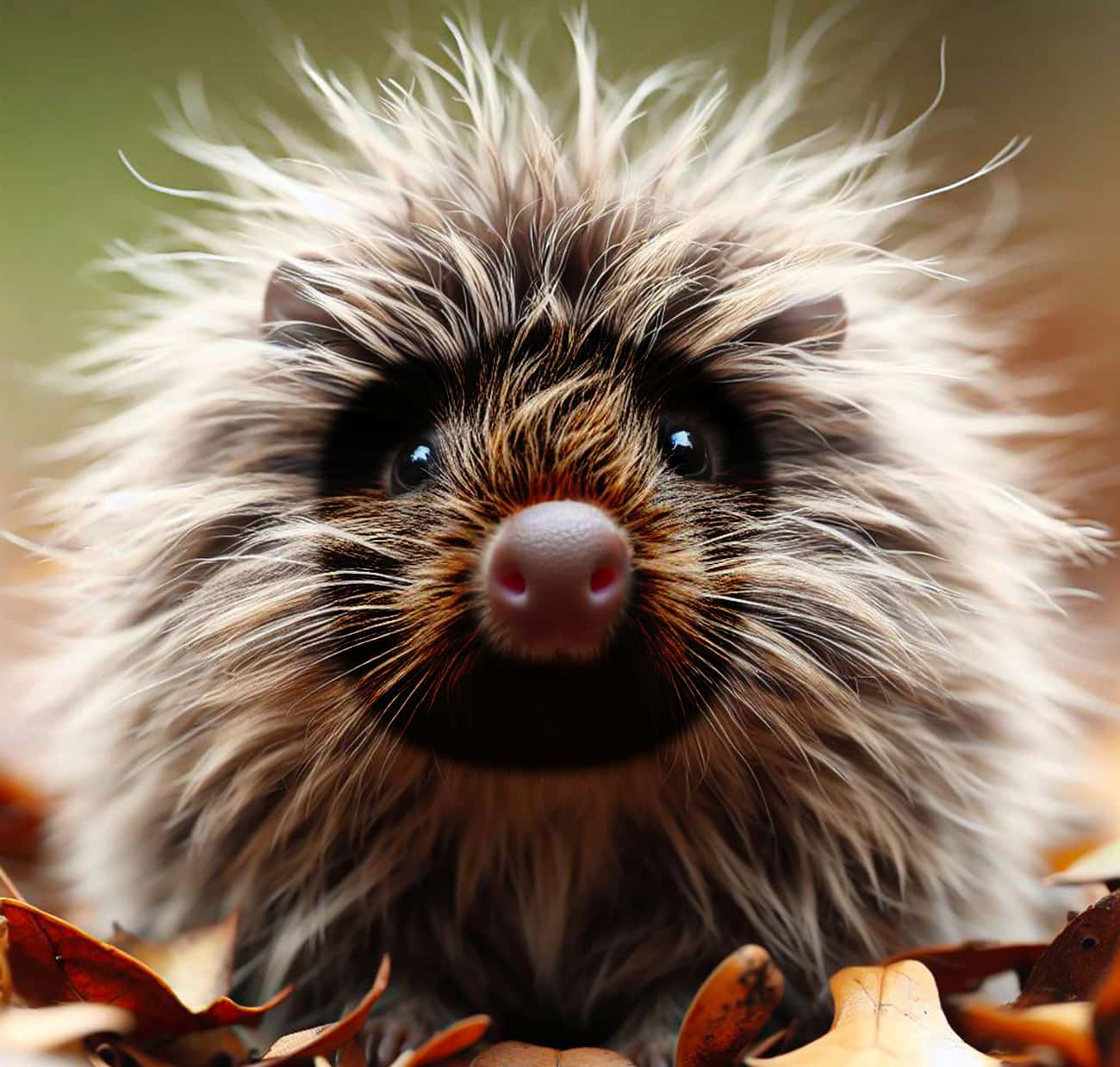
The wild haggis is often shown as a little, wiry-haired, four-legged, and shaggy-maned rodent.
Where Does the Haggis Animal Live?
The haggis animal is said to live only in remote, hilly areas.
Legend has it that they spend much of their time dozing off on the calluna plants (a low-growing evergreen shrub that also grows in the United States).
Depending on which side of its body is shorter, a haggis animal can only gallop either clockwise or counterclockwise around the mountain. This tendency to run in only one direction lies in the anatomy of the animal.
The Scots say that “if you turn around, you’ll find the haggis animal” waiting for you.
According to that, one certain haggis traverses the mountain clockwise due to its larger left legs, and the other haggis chooses to go counterclockwise due to its larger right limbs. Some accounts state that when disturbed, both sexes also flee in opposite directions: males clockwise, females counterclockwise.
They are also reported to be excellent swimmers, able to attain speeds of up to 35 knots (40 mph) by utilizing their powerful legs to push themselves through the water.
Reproduction
The male of one species cannot mate with a female of the other species in their natural environment without first being balanced on his hind legs so that he points in the same direction as the female, making him fall over her.
However, some argue that the species is sexually dimorphic, while others say it is hermaphroditic (having both reproductive organs). According to legend, this creature may produce little haggises, or “wee yins,” as it is called in Scottish.
People Think That They Are Real
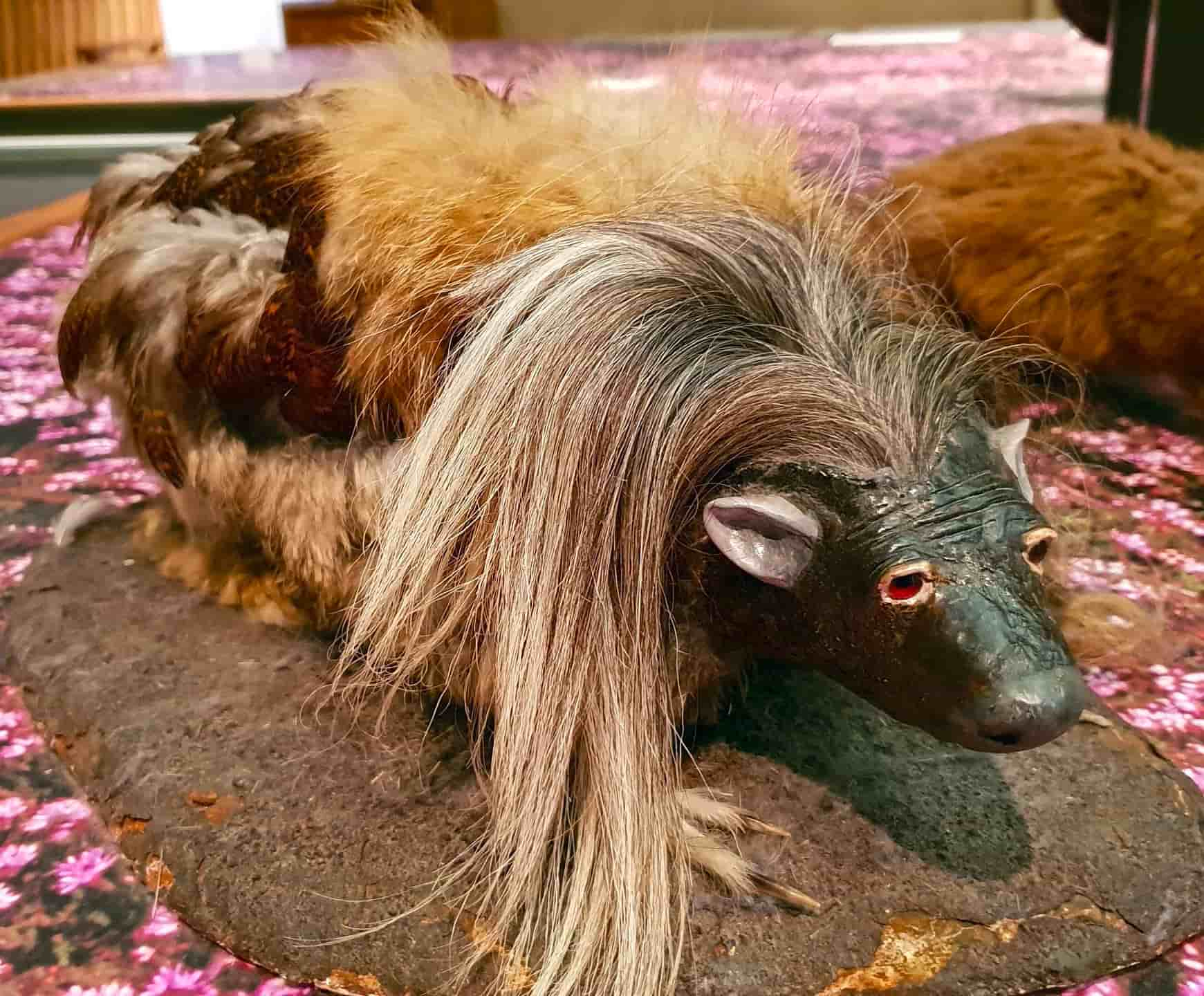
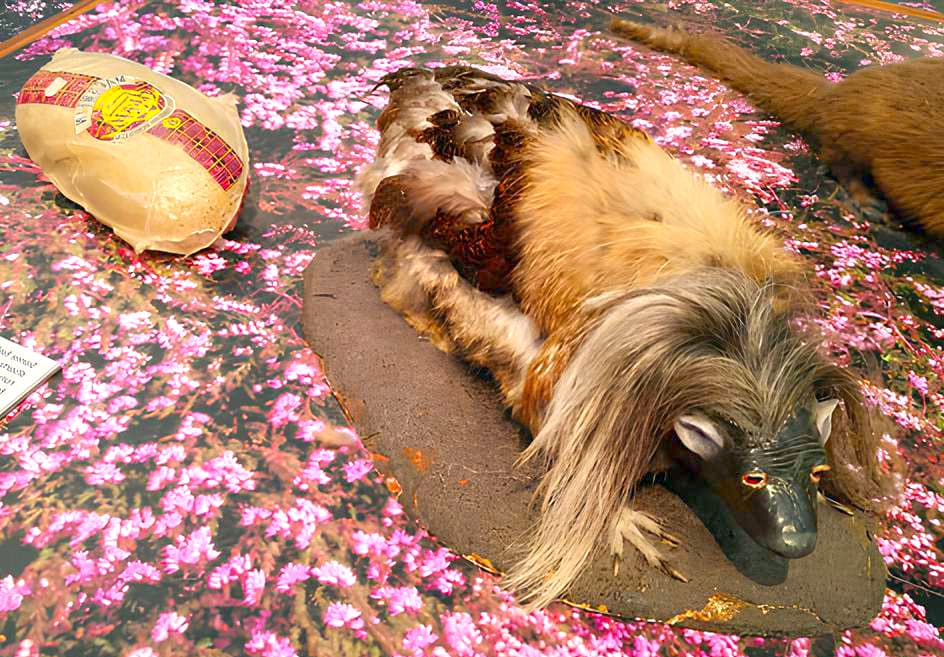
The Kelvingrove Art Gallery and Museum in Glasgow is home to a solitary haggis animal preserved in taxidermy. A plaque identifies it as the Haggis scoticus and describes its appearance, which is shaggy and with short legs.
In all seriousness, however, the wild haggis is just a funny, made-up animal; there’s no evidence to suggest it really exists. However, some American tourists believe the opposite.
A poll of 1,000 American tourists in Scotland in 2003 found that every 1 in 3 tourists thought the wild haggis was a genuine animal, and more than 1 in 5 tourists thought they could catch one. Since it’s a myth, no wild haggis has been found in Scotland.