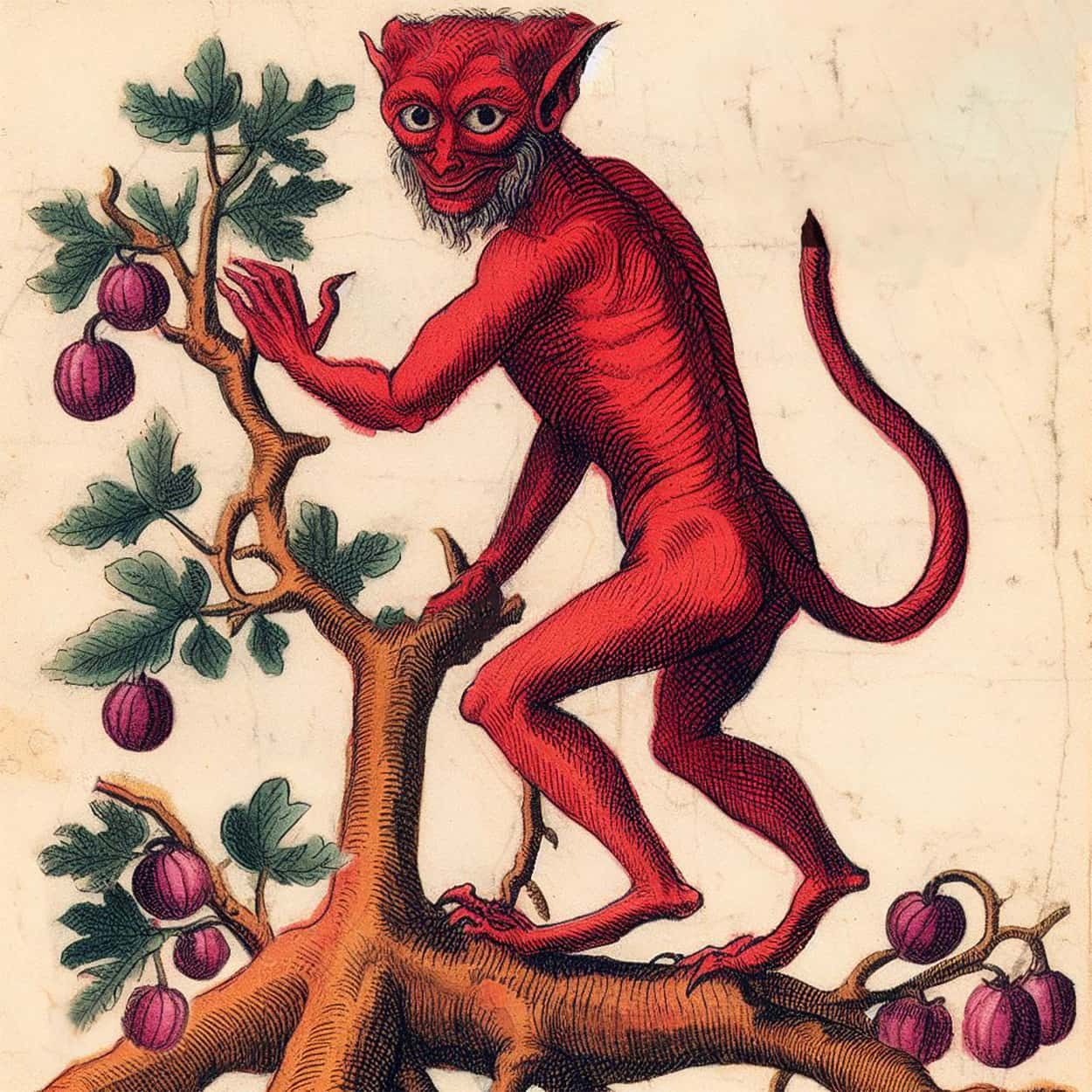
Indigenous Australians tell stories of a vampire-like monster called the Yara Ma Yha Who. Also written as Yara-ma-yha-who, it looks like a furry, red-skinned dwarf that stands about 4 feet (1.2 m) in height. Like snakes, it has a broad, toothless mouth and eats its prey whole. Like an octopus tentacle, it may attack its prey through the orifices or suckers at the tips of its arms and legs.
His Method of Hunting
Humans are a staple food for the Yara Ma Yha Who. This totally evil male demon watches the ground above a leafy tree, often a fig tree, seeking prey. When a traveler gets too close, it attacks and drains his blood from its orifices, rendering him immobile on the ground.
The passersby rarely died immediately from these injuries, but they were left weakened, allowing the furry creature to finish them off at a later time. Like a snake, it leaves its prey for a while before returning to swallow it.
The Yara Ma Yha Who finishes its meal with a dance of good fortune, some water, and a snooze, and then regurgitates the victim, who is still very much alive although somewhat shorter in stature and redder in appearance.
How to Escape from Yara Ma Yha Who
One conceivable part of the story is that the Yara-ma-yha-who does not run quickly, so if the unfortunate victim manages to trick it into thinking it is dead, they may be able to get away. However, if a person were attacked multiple times by this creature, the person would grow shorter in height, their hair would cover their entire body, and eventually, they would transform into another yara-ma-yha-who.
Since the Yara Ma Yha Who is only active during the day, the victim must play dead until sundown. Children were always told not to resist when encountering this monster because their injuries were seldom severe enough to make escape impossible. Conserving their strength offered the best chance of survival, enabling them to flee after the initial attack.
Historical Origin
Yara Ma Yha Who is a popular myth in the Australian mythology of the aboriginal people who have been living on the continent for several millennia. It has been said that unruly children were taught stories about this monster. Young children who may stray from the tribe were warned about the Yara Ma Yha Who, and mischievous youngsters were warned that it could come and take them away.
Some European Australians today also tell the stories of this creature to their children.
The Thing with the Fig Trees
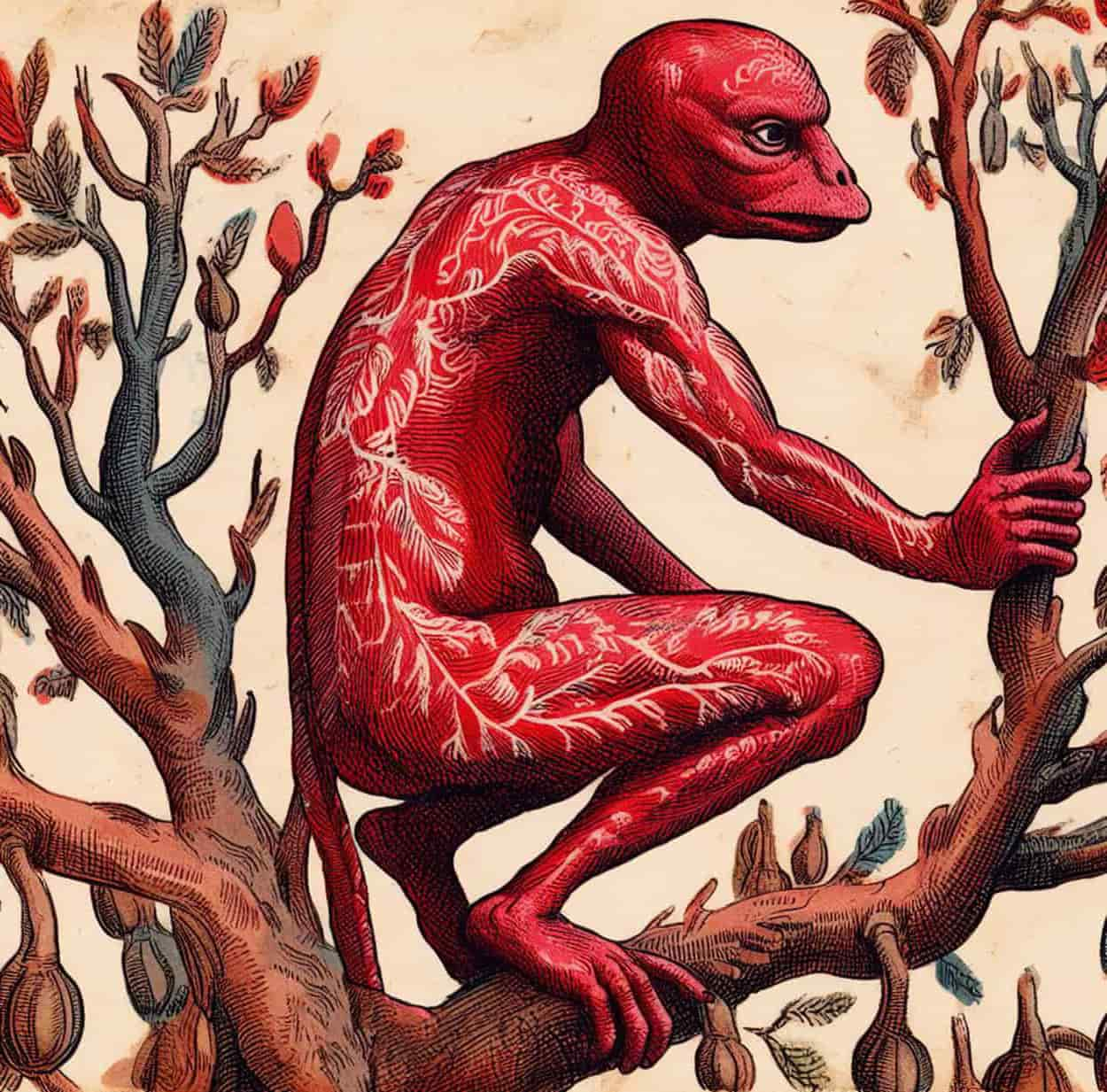
In other versions of the story, the monster looks like a little red frog-like humanoid with a huge head, a gaping mouth, and no teeth other than suckers on the hands and feet. It’s also a permanent resident of the fig trees, specifically the strangler ones.
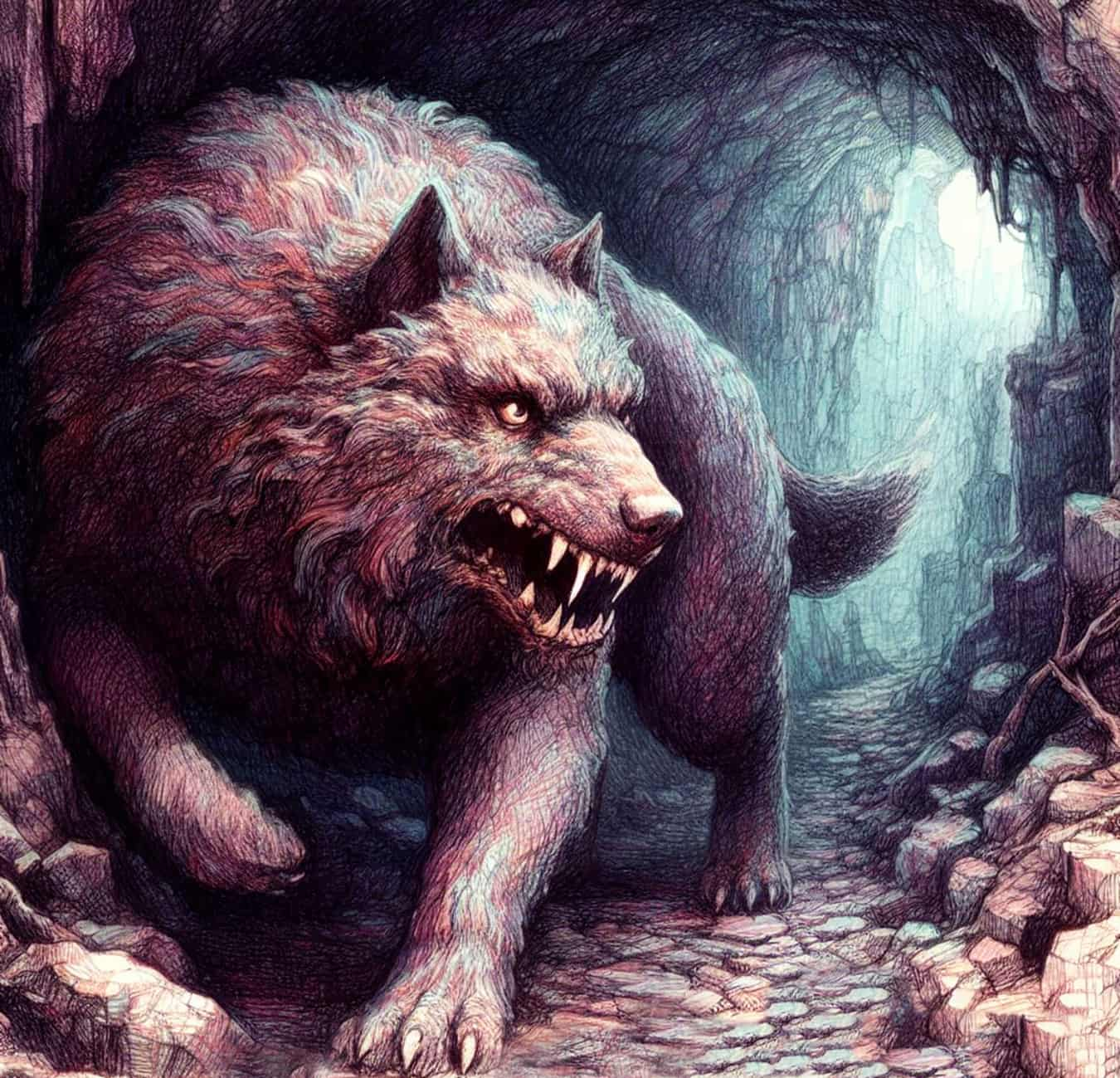
The Yara Ma Yha Who tests its victims’ life signs by prodding them with a stick. If the person remains motionless, the creature leaves briefly, returning to tickle the victim under the neck or arm. Children are advised not to resist since the Yara Ma Yha Who might swallow and then vomit them. After vomiting, it rests, providing the victim with a chance to escape.
When the Yara Ma Yha Who fails, the fig tree spirit slays him by reaching his head through his ear and causing a mumbling noise that ends in a sudden death. In its final form, the spirit is now a gloomy fungus that hangs from the trees at night.
The mythological stories of numerous cultures around the world include fig trees in their legends, probably due to their large, spreading branches, which impose some sort of forceful and scary appearance on the onlookers.