By using this site, you agree to the Privacy Policy.
Accept
MalevuzMalevuz
  • HISTORY
  • SCIENCE
  • BIOGRAPHY
MalevuzMalevuz
Search
  • HISTORY
  • SCIENCE
  • BIOGRAPHY
Follow US
Malevuz > History > Pulk: The National Sled of the Sami People
History

Pulk: The National Sled of the Sami People

Hrothsige Frithowulf
ByHrothsige Frithowulf
History Editor
Hrothsige is a history writer at Malevus. He has a bachelor's in history from the University of Exeter. Hrothsige's areas of historical interest encompass the ancient...
- History Editor
17 November 2023
Share
5 Min Read
SHARE

Pulk is a kind of covered sled that Nordic people use to get from one place to another. “Pulk” is a loanword from the Finnish word “pulkka.” In turn, the term came from Sami, where it is pronounced “puhlke.” Russian and other languages have also acquired this term, which is pronounced “bolk” or “bolok.” Due to its Sami origin, it’s more right to say that pulk is the national sled of Sami.

Contents
  • The Use of Pulk
  • Pulk as a Toy
  • Pulk with Dogs: Skijoring

The Use of Pulk

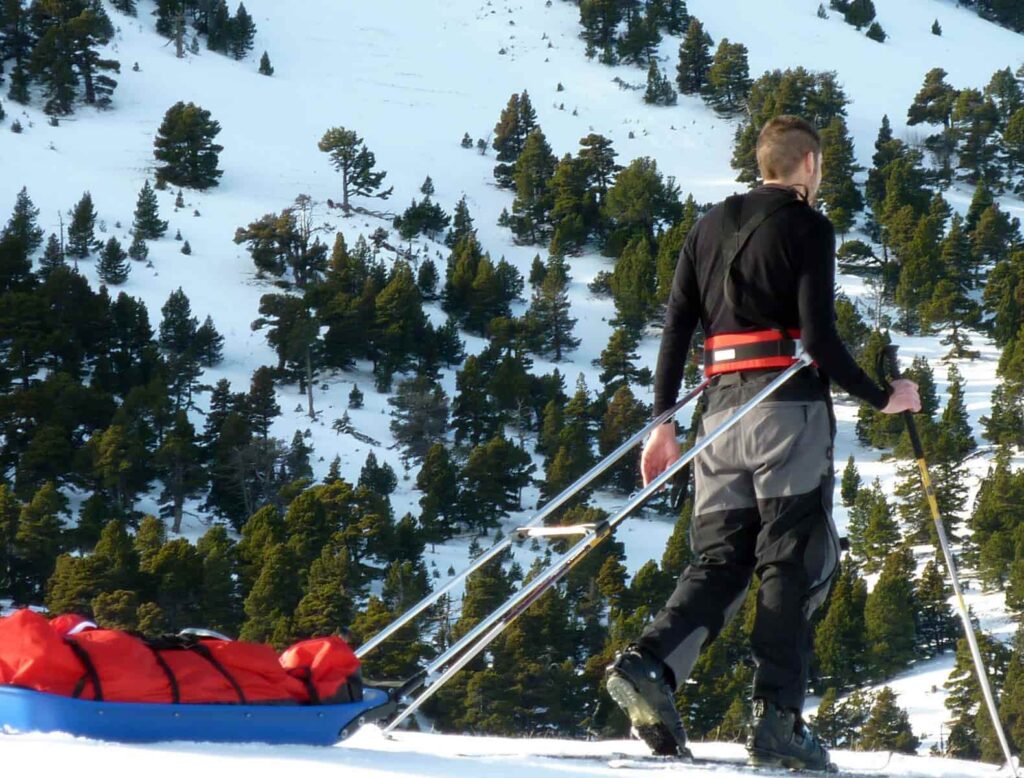
Nordic ski tourer towing a plastic pulk in the Vercors Massif, France.
Nordic ski tourer towing a plastic pulk in the Vercors Massif, France. (Orisonic, cc by sa 3.0, cropped)

In sports and travel, a “pulk” is a lightweight sled that a person or animal (often a dog) may use to pull a small cargo. There are pulks for strolls and picnics, pulks for kids to ride, pulks for expeditions, tourist activities, and more. Rescue workers also make use of this device to move people and cargo to areas that are otherwise unreachable.
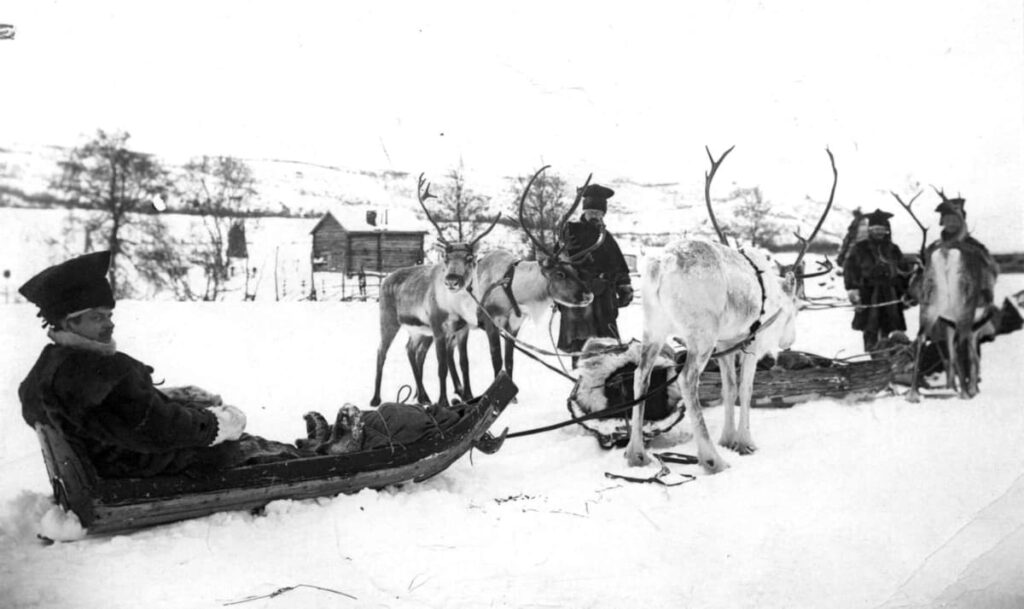
Ride in a pulk with reindeer.
Ride in a pulk with reindeer. The Norwegian Museum of Cultural History.

When traversing lengthy distances in snowy or icy terrain, mountain pulks are used to carry supplies and equipment. A pulk of this type is drawn along by use of traces or harnesses. Nordic people initially used the pulks for transporting goods, a tent and people, and they now fulfill a variety of tasks. Modern versions are made of plastic instead of the traditional wood.
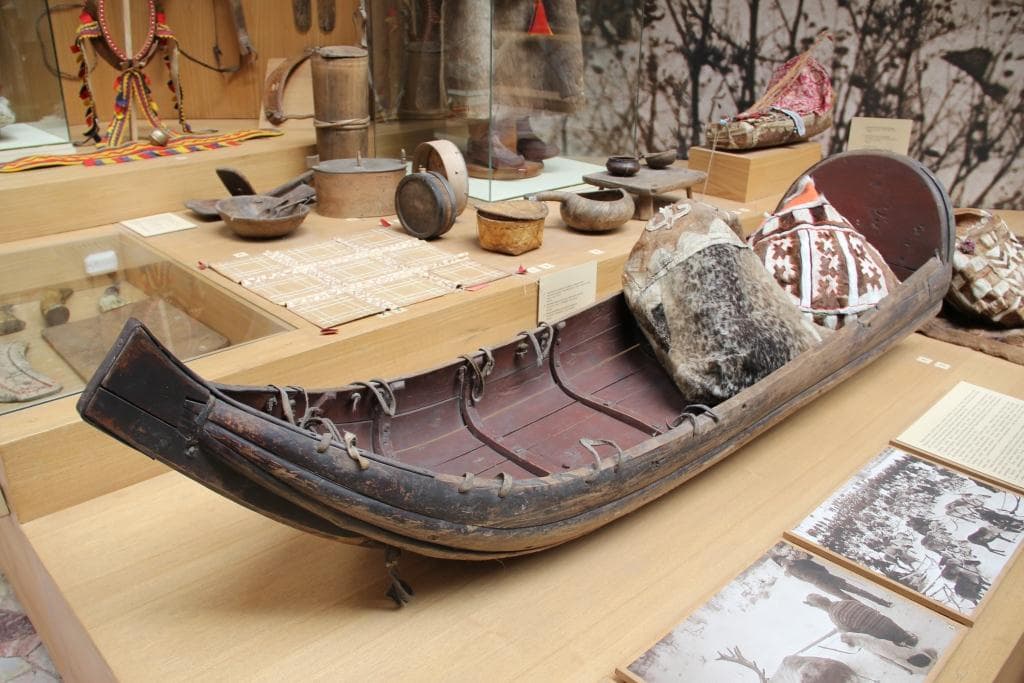
A Sami pulk or ahkio
A Sami pulk or ahkio.

Two kinds of mountain pulks are usually brought up when Nordic people talk about them: “ahkio” and “toboggan.” These two types are separate; the first one originated with the Sami of northern Sweden, while the second one is associated with the Innu and Cree of northern Canada. The Segebaden pulk, with its boat-like hull, is the principal ahkio type, while the Rimfors pulk, with its equally broad bow and stern, is the most famous toboggan model.
More Read

ghost army jeep 1
Overview of the mysterious “Ghost Army” that fought in WWII
Brunswick Manifesto: The Intimidation of Paris in 1792
Why Are Owls Associated with Halloween?
The Story of Opium

In Finnish, all larger pulks are called “ahkio” and it is used for cargo transportation; the United States Army also uses this same name for a snow sled pulled by humans. The word comes from Old Norse “akjo”.
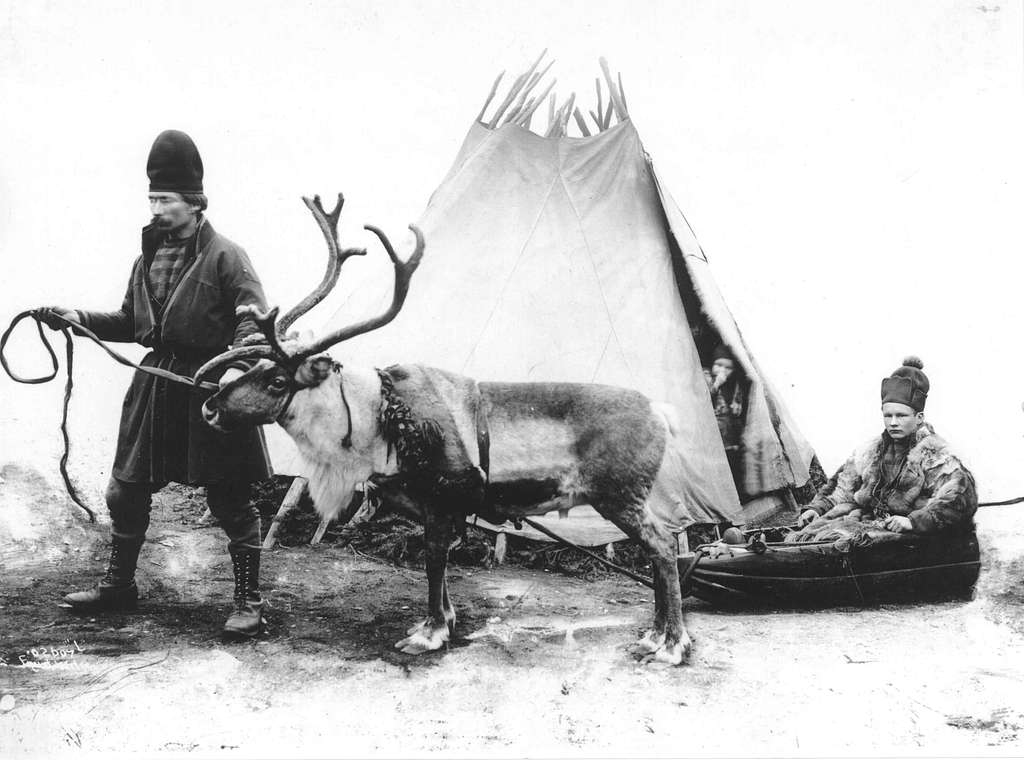
Man and reindeer with a pulk. Jämtland, the 1890s.

Finland’s longest toboggan run is located in Saariselkä, where a downhill pulk competition have been held since a long time. The hill is more than 3900 feet long.

Pulk as a Toy

When going skiing in Norway or Sweden, it is usual practice for parents to pull little children on pulks. For downhill skiing and snowboarding, pulks are a kid-friendly winter toy. These days, the word “pulk” is most often linked with plastic sleds and other winter outdoor toys in Finland and Sweden.
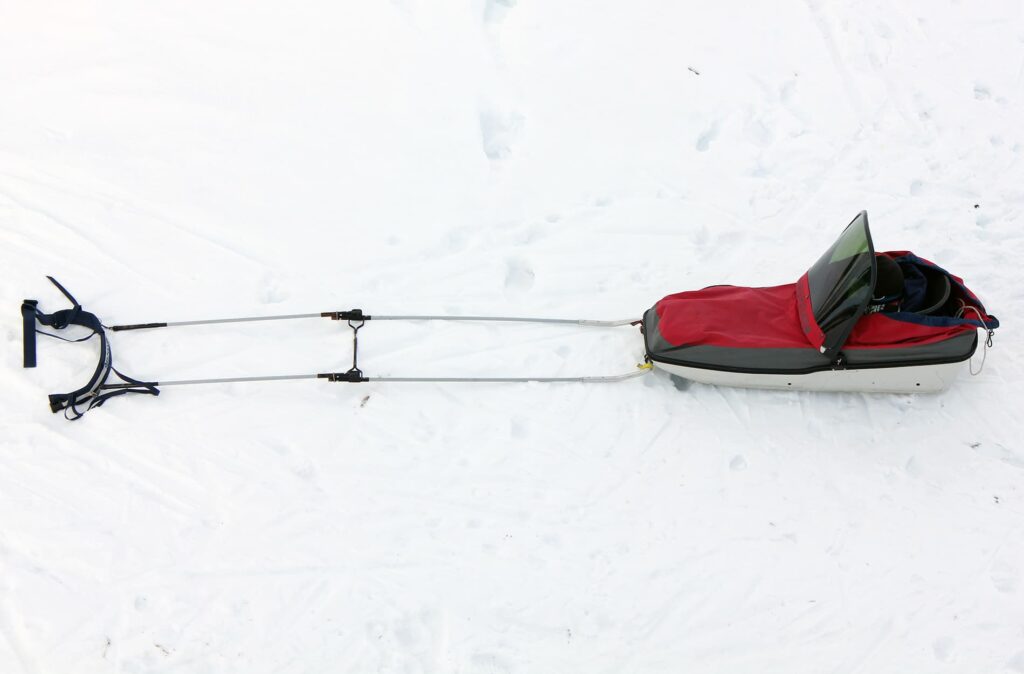
pulk for children
Pulk for children. (Øyvind Holmstad, cc by sa 3.0, cropped)

Activities like downhill sledding on snowy slopes are made possible by a smaller pulk. Although most pulks designed for children do not have fastenings, they may be useful for moving stuff on snowy terrain. However, fastenings may be required in areas with thick snow or on slopes. One alternative to the classic toy pulk includes disc-shaped “saucers.”
More Read

da-vincis-aerial-screw-helicopter
Aerial Screw: Leonardo da Vinci’s Helicopter
Independence of Morocco: End of French protectorate
Clergy and Religion During the French Revolution
Classical Elements: Four Elements and Their History
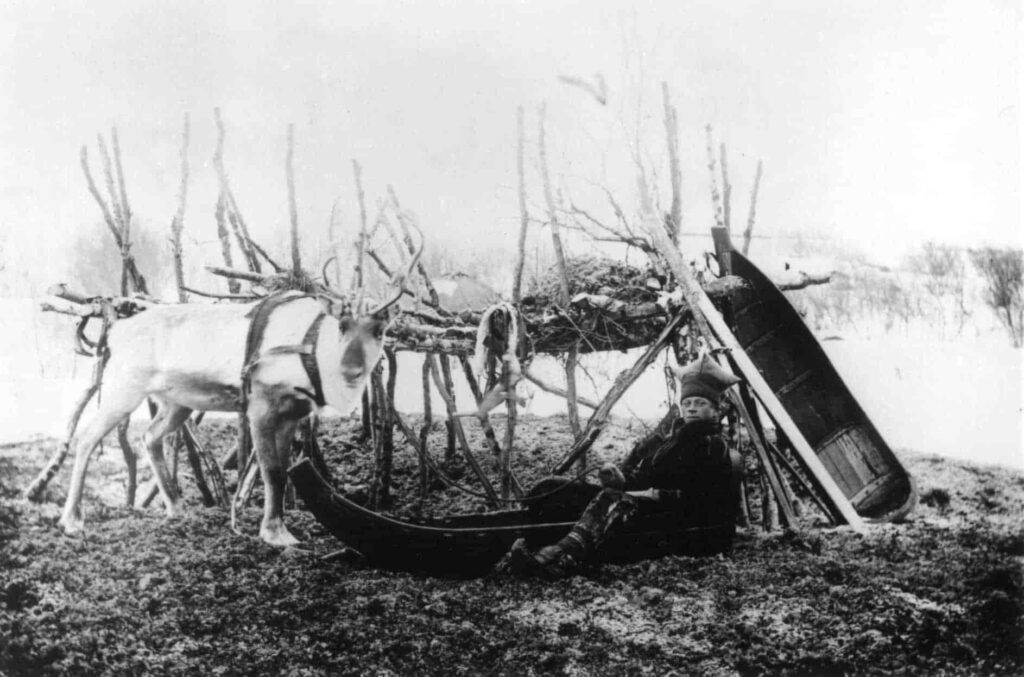
pulk 4
A pulk with reindeer in front of a moss warehouse, at the doctor’s farm. Solheim, Kirkenes, Sør-Varanger, Finnmark, 1896.

Pulk with Dogs: Skijoring

Dogs, horses, or even motorcycles pull pulks or are skijored in the Nordic form of dog sledding, which involves the musher skiing behind the dog. Although dog teams do participate in certain events, most pulk contests feature a single canine.

The limit for the weight of the pulk per dog is around 45 pounds, and the distance covered in this sport may be anywhere from 3 to 15 miles. This pastime activity is known as skijoring, which comes from the Norwegian word skikjøring, meaning “ski driving.” At the 1928 and 1932 Winter Olympics, pulk dog racing and skiing were both showcase events.
Share This Article
Email Copy Link Print
ByHrothsige Frithowulf
History Editor
Hrothsige is a history writer at Malevus. He has a bachelor's in history from the University of Exeter. Hrothsige's areas of historical interest encompass the ancient world and early Europe, along with the history of modern culture.
Previous Article sled, sleigh Curious History of Sleds and Sleighs
Next Article Fólkvangr: Freyja's Meadow Fólkvangr: Freyja’s Meadow and Its Symbolic Significance

Latest News

985px Landing of Lieutenant James Cook at Botany Bay 29 April 1770 painting by E Phillips Fox

Top 10: The Greatest Knights in History

Knights were the medieval equivalent of elite soldiers, and many…

List
3 November 2026
Charles Rolls driving a Peugeot 1896
List

10 of the Craziest Laws in History

For more than 4,000 years, humans have devised new laws…

18 October 2026
Ikinci Meksika Imparatorlugu
History

Why Did the Second Mexican Empire Collapse?

The Second Mexican Empire did not collapse because of a…

14 April 2026
A painting depicting Aboriginal Tasmanians attacking John Allen’s Milton Farm near Great Swanport in 1833.
History

Colonialism in Tasmania

The colonization of Tasmania was not a simple story of…

14 April 2026

You Might Also Like

The Empress Dragoons at the Battle of Hanau
History

Hussars, Cuirassiers and Dragons Under Napoleon

27 October 2026

Battle of Marathon: Greek victory in 490 BC

11 December 2025
Christmas in Denmark
History

Christmas in Denmark: Traditions, Celebrations, and History

9 December 2023
Scissor Gladiator
History

Scissor Gladiator and Everything About Them

11 October 2023
  • Privacy Policy
  • About us
  • Editorial Standards

© Malevuz. All Rights Reserved.

Welcome Back!

Sign in to your account

Username or Email Address
Password

Lost your password?