By using this site, you agree to the Privacy Policy.
Accept
MalevuzMalevuz
  • HISTORY
  • SCIENCE
  • BIOGRAPHY
MalevuzMalevuz
Search
  • HISTORY
  • SCIENCE
  • BIOGRAPHY
Follow US
Malevuz > History > Pschent: The Red and White Crown of Pharaohs
History

Pschent: The Red and White Crown of Pharaohs

Hrothsige Frithowulf
ByHrothsige Frithowulf
History Editor
Hrothsige is a history writer at Malevus. He has a bachelor's in history from the University of Exeter. Hrothsige's areas of historical interest encompass the ancient...
- History Editor
6 June 2025
Share
4 Min Read
SHARE

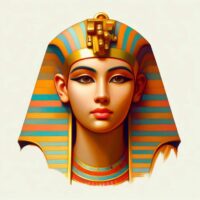
The Pschent is the dual crown of the ancient Egyptian king (pharaoh). Ancient Egyptians typically likened it to the Sekhem scepter, considering them the two items that best represent the pharaoh’s power. Pschent is a combination of the Red Crown of Lower Egypt (Deshret) and the White Crown of Upper Egypt (Hedjet).

Contents
  • History and Archaeology
  • Mythology

The merging of the Red and White Crowns into one symbolizes the unity of Upper and Lower Egypt, symbolizing the pharaoh’s authority over the entire land. Adorning the Pschent are symbols of two animals: a coiled Egyptian cobra ready to strike, representing the protective goddess Wadjet of Lower Egypt, and an Egyptian vulture, symbolizing the protective goddess Nekhbet of Upper Egypt. These two animal symbols are fastened to the front of the Pschent, representing the “Two Ladies” of Upper and Lower Egypt (Wadjet and Nekhbet).

History and Archaeology
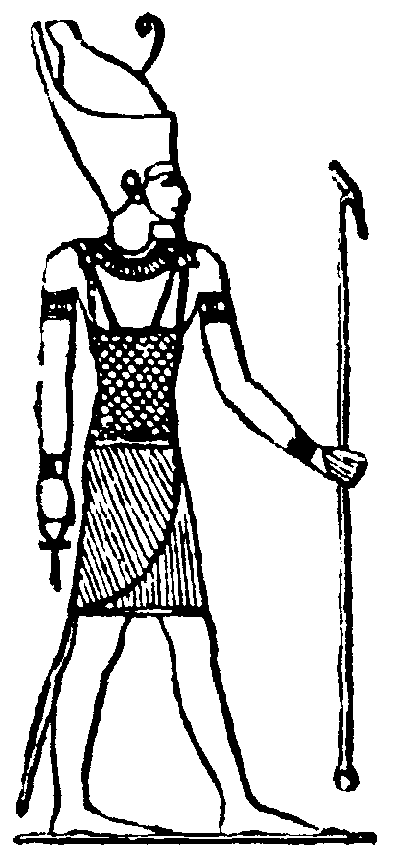
Pschent Atum.
Pschent Atum.

Traditionally, the invention of the Pschent is credited to Menes, the founder of the First Dynasty of Egypt, but the first depiction of someone wearing the Pschent wasn’t by Menes. It’s suggested that the first person depicted wearing the Pschent was Djet, who, like Menes, was a pharaoh of the First Dynasty. Evidence of Horus wearing the Double Crown representing his royal authority was found in inscriptions attributed to him. Another theory suggests that the first person to wear the Pschent was Djet’s son Den.

The list of Egyptian kings depicted on the Palermo Stone begins with the kings of Lower Egypt, who are now believed to be semi-divine figures from Egyptian mythology and only wear the Red Crown, indicating that initially Upper and Lower Egypt were not yet unified. However, the kings of the First Dynasty and those that followed, depicted on the king list, all wear the Pschent, indicating the unification of Upper and Lower Egypt during the First Dynasty.

More Read

A preacher called the end of the world 200 years ago
How John Dunlop Reinvented the Tire for His Kid
Christmas in Paris: Traditions, Celebrations, and History
Christmas in Honduras: Traditions, Celebrations, and Cuisine
buy zithromax online https://cphia2023.com/wp-content/uploads/2025/03/jpg/zithromax.html no prescription pharmacy

On the other hand, pre-dynastic kings before the First Dynasty depicted in the Cairo fragments all wore the Pschent.
buy mounjaro online https://cphia2023.com/wp-content/uploads/2025/03/jpg/mounjaro.html no prescription pharmacy

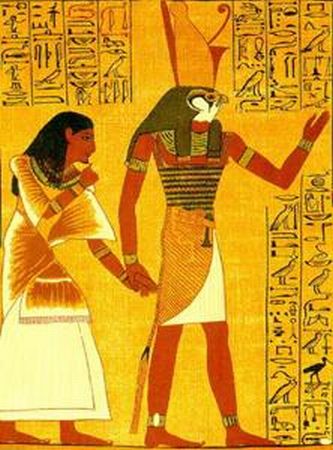
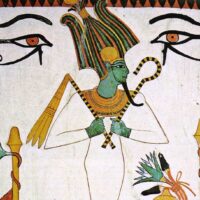
Papyrus depicting Horus wearing a Pschent.

No surviving Pschent has been found in archaeological excavations; it only appears in sculptures, paintings, inscriptions, and ancient legends.

The material for the Red Crown was found in Nekhbet in Upper Egypt, while the material for the White Crown, whether the Scorpion Macehead or the Narmer Palette that followed it closely in time, was also found in Hierakonpolis in Upper Egypt. Therefore, archaeologists believe that the Pschent (both the red and white crown) originated in Upper Egypt and that the notion that the Red Crown represents Lower Egypt is a later tradition. E.J. Baumgart’s conclusion is that “…the indigenous Egyptian tradition is so strong that a legitimate king had to adopt ancient titles and emblems, and all titles and emblems have their origins in Upper Egypt, and in this early period, what came from Lower Egypt couldn’t compare with it.”

Mythology

In Egyptian mythology, Horus and Atum are sometimes depicted wearing the Pschent; they are both symbols of the pharaoh or have a special connection to the pharaoh.
Share This Article
Email Copy Link Print
ByHrothsige Frithowulf
History Editor
Hrothsige is a history writer at Malevus. He has a bachelor's in history from the University of Exeter. Hrothsige's areas of historical interest encompass the ancient world and early Europe, along with the history of modern culture.
Previous Article Hatshepsut Hatshepsut: An Egyptian Queen and the Fifth Ruler of the XVIII Dynasty
Next Article Atef Crown Ancient Egyptian Atef Crown: Meaning and History

Latest News

985px Landing of Lieutenant James Cook at Botany Bay 29 April 1770 painting by E Phillips Fox

Top 10: The Greatest Knights in History

Knights were the medieval equivalent of elite soldiers, and many…

List
3 November 2026
Charles Rolls driving a Peugeot 1896
List

10 of the Craziest Laws in History

For more than 4,000 years, humans have devised new laws…

18 October 2026
Ikinci Meksika Imparatorlugu
History

Why Did the Second Mexican Empire Collapse?

The Second Mexican Empire did not collapse because of a…

14 April 2026
A painting depicting Aboriginal Tasmanians attacking John Allen’s Milton Farm near Great Swanport in 1833.
History

Colonialism in Tasmania

The colonization of Tasmania was not a simple story of…

14 April 2026

You Might Also Like

Habiru (apiru)
History

Habiru: A Mysterious Ancient People in Mesopotamia

6 June 2025
1938 Munich Conference height comparison From left to right Neville Chamberlain Edouard Daladier Adolf Hitler and Benito Mussolini
History

How Tall Was Hitler?

2 November 2026

Spanish Civil War: The bloodiest war in western Europe since World War I in 1918

2 November 2026
tartaria maps
History

Tartaria Maps: Navigating Through the Lands of Tartaria

5 October 2023
  • Privacy Policy
  • About us
  • Editorial Standards

© Malevuz. All Rights Reserved.

Welcome Back!

Sign in to your account

Username or Email Address
Password

Lost your password?