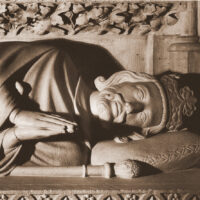
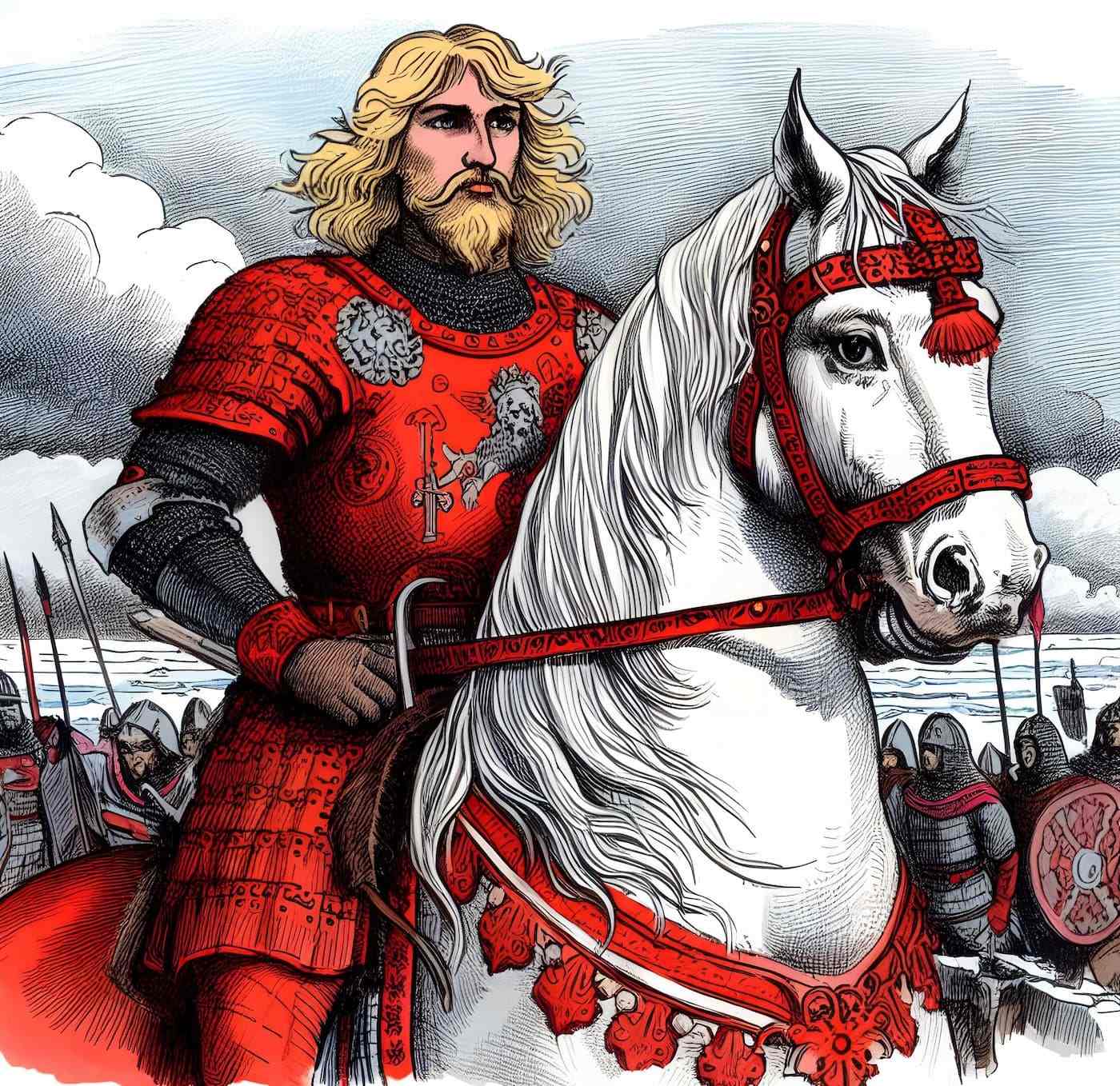
Charles II the Bald (823–877) was King of the Franks (843–877) and later Emperor of the West (875–877). He was the son of Louis I the Pious and the grandson of Emperor Charlemagne. With the help of his brother Louis the German, he defeated his older brother Lothair at the Battle of Fontenoy in Puisaye (841) and signed the Treaty of Verdun (843) with them, becoming King of West Francia. The reign of Charles the Bald was marked by Viking invasions, Franco-Germanic wars, and the rise of feudalism. After the death of Emperor Louis II (875), he received the imperial crown and acquired Provence. During the ceremony in 877, he is said to have had his head shaved as a sign of submission to the Church, earning his nickname “the Bald.”
Key Facts about Charles the Bald
He was a significant patron of the Carolingian Renaissance, fostering learning, arts, and culture at his court.
Charles the Bald: King of West Francia
Born in Frankfurt am Main in 823, Charles the Bald was the son of Louis I the Pious (himself the son of Charlemagne) and his second wife, Judith of Bavaria. Appointed at a young age as Duke of Alemannia, he became King of Aquitaine and received numerous territories in West Francia from his father.
Upon Louis the Pious’ death in 840, Charles and his brother, Louis II the German, rebelled against their eldest brother Lothair I, the designated heir of the Empire. In 842, they pledged mutual support through the Oaths of Strasbourg. These oaths are likely the first treaties formulated in the “vulgar” language, meaning in both Romance and Germanic tongues.
This fraternal union allowed the succession war to end the following year with a treaty, the Treaty of Verdun, which divided the Empire into three kingdoms. Charles received West Francia, the western part of the Empire, to the west of the Meuse, Saône, and Cévennes. However, in 855, Lothair died, and a new conflict arose between Charles II, his brother Louis, and the sons of the deceased. Louis proclaimed himself King of West Francia and accused his brother Charles of leaving the kingdom in the hands of the Vikings. Charles, exiled in Burgundy, managed to gather an army and expel Louis from his kingdom. He later reconciled with his brother and regained his title as king.
The subsequent territorial division favored Charles, who expanded his kingdom by acquiring Provence and part of Lotharingia, shared with his brother. In 875, after the death of Emperor Louis II, the last son of Lothair, Charles II, supported by Pope John VIII, had himself crowned Emperor of the West in Rome on Christmas Day.
In the following month, January 876, he obtained the title of King of the Lombards.
The division of the empire was not peaceful, and Charles often clashed with his brothers over territory. He formed alliances and waged wars with both Lothair I and Louis the German throughout his reign. His relationship with his nephews, such as Louis II of Italy, was also strained.
A Reign Marked by the Beginnings of Feudalism
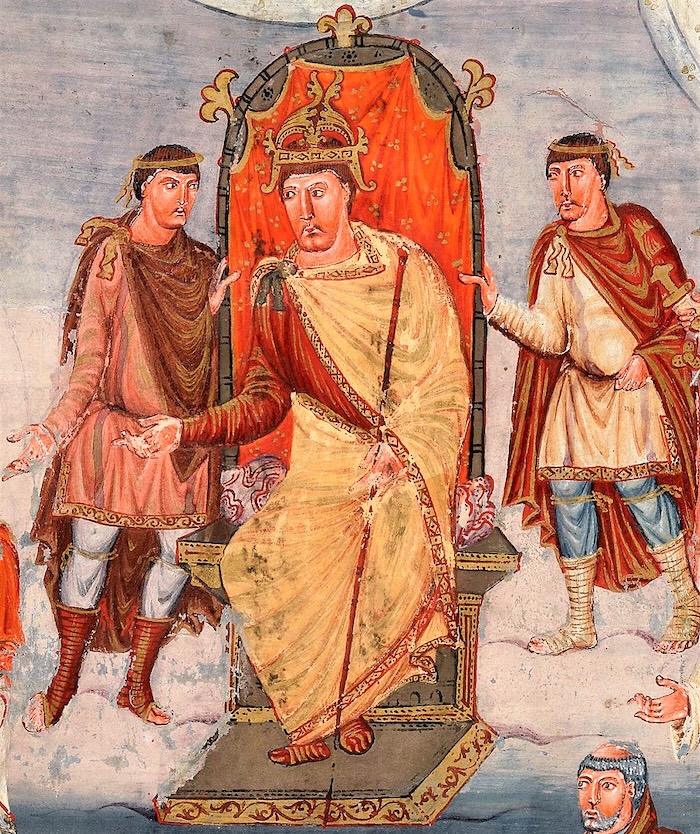
During his reign, Charles II had to deal with the insecurity caused by attacks from the Normans, who landed on the coasts, sailed up the rivers, and pillaged cities (such as Rouen, Bordeaux, Paris, and Tours), as well as attacks from Muslims in the Rhône Valley. These invasions led to the consolidation—foretelling feudalism—of large territorial entities led by hereditary chiefs.
With the support of the Church and his advisor Hincmar, Charles II worked to continue Charlemagne’s efforts to preserve the country’s religious culture. He also sought to organize his kingdom by establishing the heredity of offices (the honores) through the Capitulary of Quierzy (877). This essential text sheds light on the nature of royal power and the evolution of vassalage, as well as comital and episcopal offices.
One of Charles’ most notable acts was the Capitulary of Quierzy, issued in 877, which granted hereditary rights to the nobility in West Francia. This document is seen as a significant step in the development of feudalism, as it allowed nobles to pass their lands and titles to their heirs, reducing the king’s direct control over them.
The Death of Charles the Bald
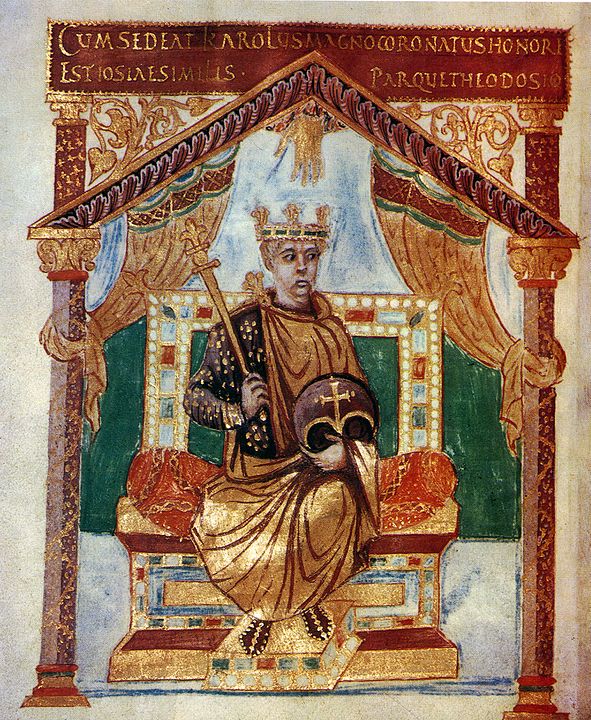
The emperor did not have time to counter the rebels. Charles II died in the Alps on October 6, 877, during a campaign against the son of Louis the German, Carloman. His own son, Louis II the Stammerer, succeeded him as king, but the imperial throne remained vacant until 881, when Charles III the Fat was crowned.