By using this site, you agree to the Privacy Policy.
Accept
MalevuzMalevuz
  • HISTORY
  • SCIENCE
  • BIOGRAPHY
MalevuzMalevuz
Search
  • HISTORY
  • SCIENCE
  • BIOGRAPHY
Follow US
Malevuz > History > Nuclear Allegories and Dystopias from Godzilla to Fallout
History

Nuclear Allegories and Dystopias from Godzilla to Fallout

Alby Butler
Alby Butler
ByAlby Butler
History Editor
Alby specializes in historical weaponry and armory at Malevus. He worked in the history department at the University of Michigan, where he extensively researched the evolution...
Follow:
- History Editor
7 June 2025
Share
5 Min Read
SHARE

The development of nuclear technology has left deep marks not only in the fields of science and the military but also in cultural and artistic spheres. Since the mid-20th century, the fear and uncertainty brought about by nuclear weapons have found a vast space in art, literature, and popular culture.

Contents
  • Godzilla: The Cinematic Reflection of a Nuclear Allegory
  • Cold War Literature: Literary Representations of Nuclear Fear
  • The Fallout Series: A Post-Nuclear Dystopia
  • Stanley Kubrick and Dr. Strangelove: The Dark Humor of Nuclear Fear

Godzilla: The Cinematic Reflection of a Nuclear Allegory

The 1954 film Godzilla, directed by Ishirō Honda, presents an allegorical take on the devastating effects of nuclear weapons. The film reflects Japan’s trauma following the atomic bombings of Hiroshima and Nagasaki during World War II. Godzilla is depicted as a monster awakened by nuclear testing, symbolizing the consequences of humanity’s interference with nature. In this regard, Godzilla has become one of the most iconic representations of nuclear fear in cinema.

The nuclear allegory of Godzilla does not only reflect Japan’s fears but also resonates with the global anxiety surrounding nuclear weapons. The film foresees the catastrophic consequences of uncontrolled nuclear technology while also raising questions about how humanity can cope with this peril. Godzilla remains one of the strongest cinematic examples of nuclear cultural influence.

Cold War Literature: Literary Representations of Nuclear Fear

The Cold War era was a period when the fear of nuclear weapons was extensively explored in literature. Works written during this time addressed the potential consequences of nuclear war and the psychological state of humanity in the face of this looming threat. Authors such as Shūsaku Endō combined nuclear anxiety with existential concerns, offering a profound analysis of human fears.
More Read

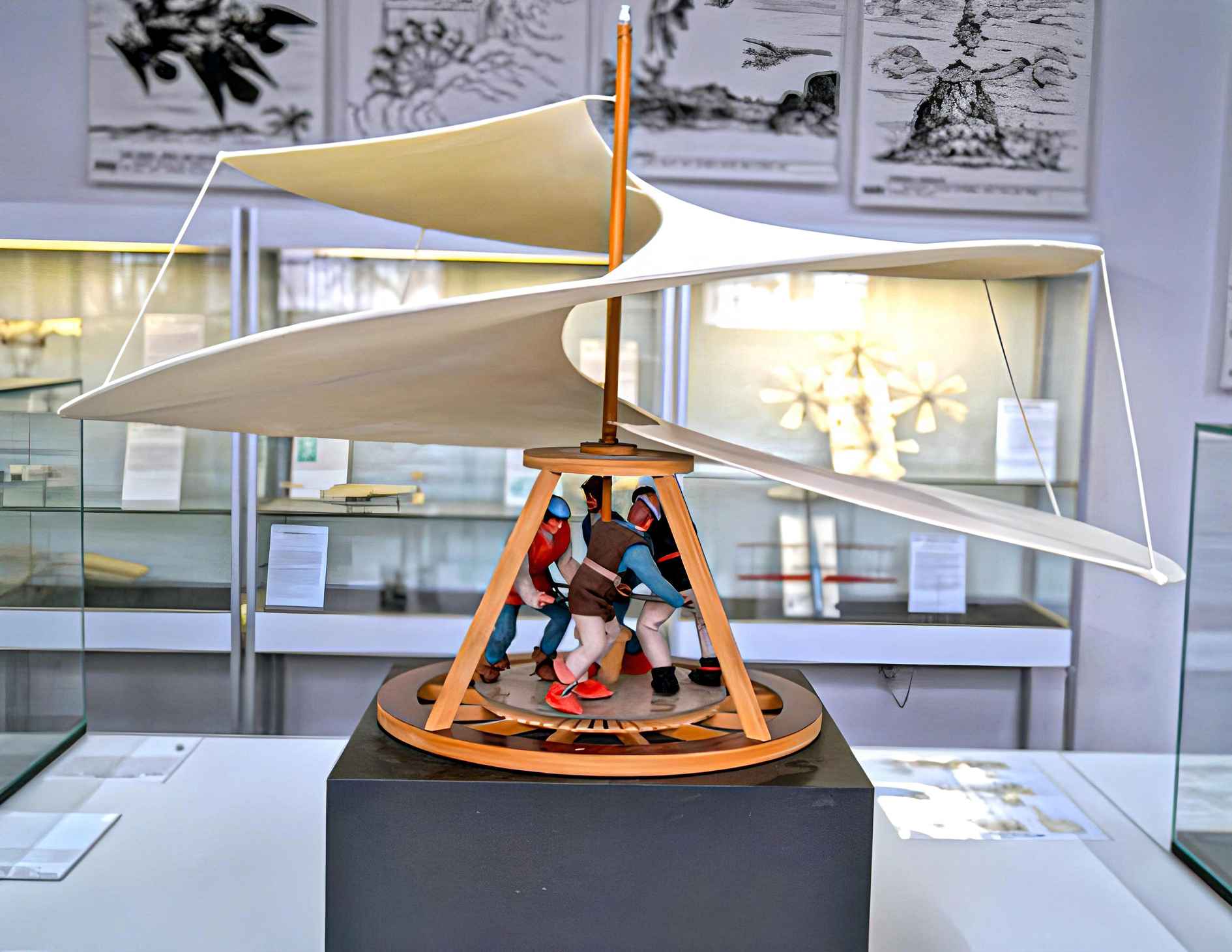
da-vincis-aerial-screw-helicopter
Aerial Screw: Leonardo da Vinci’s Helicopter
Battle of Friedland: Napoleon’s Great Maneuver
Straw Hat Riot (1922): When there was an end date for a particular hat
Spanish Civil War: The bloodiest war in western Europe since World War I in 1918
buy clomid online https://cosmeticdermcenter.com/wp-content/uploads/2025/03/jpg/clomid.html no prescription pharmacy

Cold War literature not only examined the physical effects of nuclear war but also delved into its psychological and moral implications. Many works from this period emphasized the devastating impact of nuclear warfare on humanity while simultaneously carrying messages of peace and hope. Nuclear fear became one of the most dominant themes in literature during this time.

buy promethazine online https://subee.com.au/wp-content/uploads/2025/03/jpg/promethazine.html no prescription pharmacy

The Fallout Series: A Post-Nuclear Dystopia

The first Fallout game, released in 1997, portrays a dystopian world in the aftermath of nuclear war. The game explores what the world might become after a nuclear catastrophe and how humanity would struggle to survive in this new reality. The Fallout series stands as one of the most significant examples of nuclear cultural influence in video games.

The dystopian universe of Fallout examines not only the physical aftermath of nuclear war but also its social and cultural consequences. The game delves into new societal structures that emerge after a nuclear disaster, the survival struggles of individuals, and the moral dilemmas they face.

buy flexeril online https://cosmeticdermcenter.com/wp-content/uploads/2025/03/jpg/flexeril.html no prescription pharmacy

The Fallout series remains one of the most compelling representations of nuclear cultural influence in popular culture.

Stanley Kubrick and Dr. Strangelove: The Dark Humor of Nuclear Fear

Stanley Kubrick’s 1964 film Dr. Strangelove or: How I Learned to Stop Worrying and Love the Bomb presents nuclear war through the lens of dark comedy. The film satirically portrays the absurdity of uncontrolled nuclear weapons, emphasizing the helplessness of humanity in the face of this existential threat. Dr. Strangelove is one of the most unique cinematic representations of nuclear cultural influence.

More Read

Leiv Eirikson Discovering America, 1893 painting by Christian Krohg
How Long Did the Vikings Stay in North America?
Great Frost of 1709: The Coldest Winter in 500 Years Killed 600,000
Christmas in Vietnam: How Do Vietnamese Celebrate It?
7 Strange Things Believed in the Middle Ages

Kubrick’s film questions not only the physical consequences of nuclear war but also its psychological and moral dimensions.

buy zofran online https://subee.com.au/wp-content/uploads/2025/03/jpg/zofran.html no prescription pharmacy

By employing dark humor, Dr. Strangelove critiques the political and military decisions that could lead to nuclear catastrophe. The film remains an unforgettable piece of cinema that underscores the cultural impact of nuclear fear.
Share This Article
Email Copy Link Print
ByAlby Butler
History Editor
Follow:
Alby specializes in historical weaponry and armory at Malevus. He worked in the history department at the University of Michigan, where he extensively researched the evolution and utilization of weapons and armor throughout history.
Previous Article Via dell'Abbondanza, the main street in Pompeii How Was the Ancient City of Pompeii Born?
Next Article How Were the Paralympic Games Born? How Were the Paralympic Games Born?

Latest News

985px Landing of Lieutenant James Cook at Botany Bay 29 April 1770 painting by E Phillips Fox

Top 10: The Greatest Knights in History

Knights were the medieval equivalent of elite soldiers, and many…

List
3 November 2026
Charles Rolls driving a Peugeot 1896
List

10 of the Craziest Laws in History

For more than 4,000 years, humans have devised new laws…

18 October 2026
Ikinci Meksika Imparatorlugu
History

Why Did the Second Mexican Empire Collapse?

The Second Mexican Empire did not collapse because of a…

14 April 2026
A painting depicting Aboriginal Tasmanians attacking John Allen’s Milton Farm near Great Swanport in 1833.
History

Colonialism in Tasmania

The colonization of Tasmania was not a simple story of…

14 April 2026

You Might Also Like

Myths About Medieval Hygiene
History

Myths About Medieval Hygiene

16 December 2025
facts about iran
History

5 Facts About Iran That Few People Know

7 June 2025
Christmas in Chile
History

Christmas in Chile: Traditions, Celebrations, and History

25 October 2026
Zwarte Piet
History

Zwarte Piet: Features, Origin, and Controversies

9 December 2023
  • Privacy Policy
  • About us
  • Editorial Standards

© Malevuz. All Rights Reserved.

Welcome Back!

Sign in to your account

Username or Email Address
Password

Lost your password?