Before modern medicine and the widespread use of antibiotics, a simple insect bite could lead to a patient’s death. In some societies, the absence of medical solutions often compelled individuals to seek the guidance of shamans, occultists, sorcerers, and/or traditional practitioners to find potential cures for minor injuries.
In Egypt, traditional healers had their own methods for treating patients.
If we know bread for its nutritional qualities and values, it also has other virtues that have been very useful in the history of ancient Egypt. According to some sources of scientific research, the Egyptians used the method of moldy bread as an antibiotic for more than 5000 years before the invention of antibiotics to treat wounds or other dermatological issues.
Moldy Bread: Penicillin to Prevent Infections
In Europe, as well as in the rest of the world, moldy bread and cheese were used as dermatological entities to treat wounds. Some sources suggest that in ancient times, hot wine, mustard seeds, and moldy bread were products used to address skin issues or injuries. Specifically, hot wine served as an alcohol substitute, mustard seeds helped alleviate pain, and moldy bread aided in preventing microbes due to its antiseptic properties containing penicillium family microbes.
Hippocrates (460–370 BC), the father of medicine, used this approach for a very long time in medieval Europe. It is through texts detailing such practices that researchers have traced the origins of this medical trend. Hippocrates attests that this method originated in ancient Egypt, as observed in certain discovered medical papyri.
Ancient Egypt Used Moldy Bread to Heal Wounds
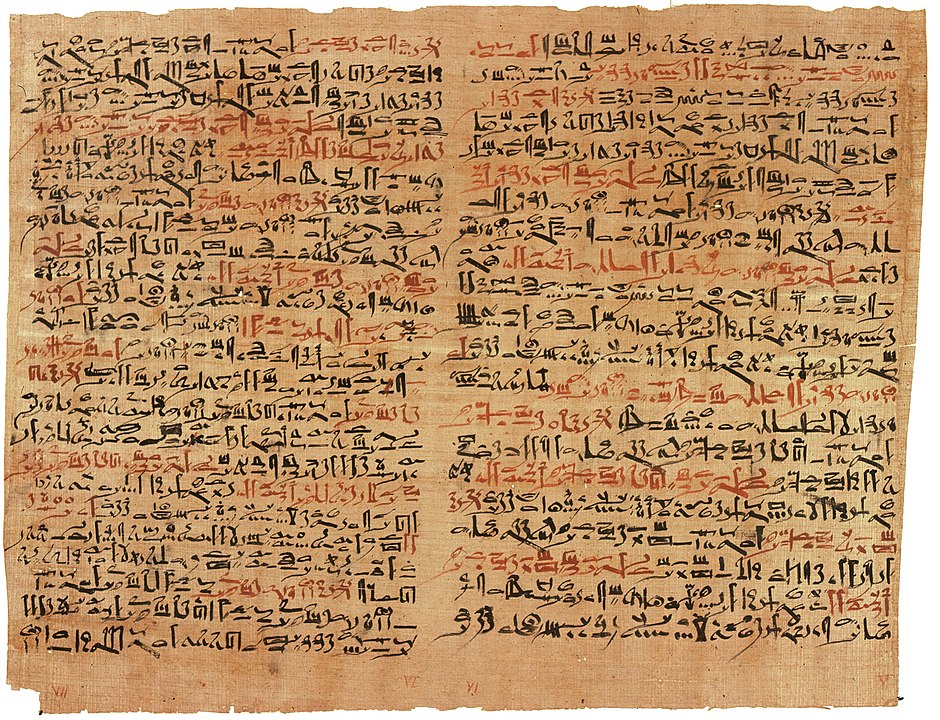
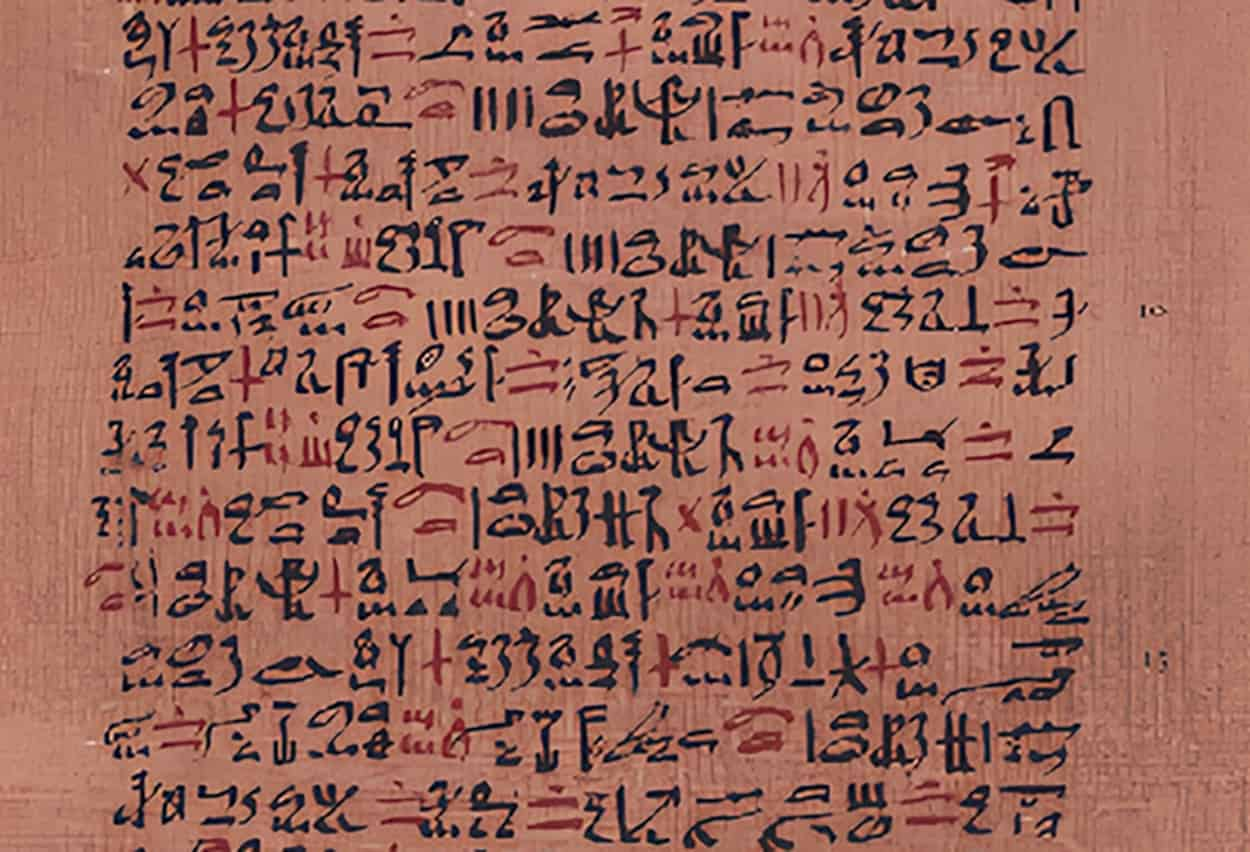
According to the JDDG (Journal of the German Society of Dermatology), the Edwin Smith Papyrus (Book of Wounds), a medical papyrus, discusses the history of early wound treatments and cites ancient Egypt as the source. In this context, they employed moldy bread as an antiseptic solution. The text mentions, “Moldy bread was used for purulent wounds and can, in a way, be regarded as the first kind of penicillin due to the antibiotic substances later found therein.”
Ancient Egypt was indeed a well-organized society with an impressively hierarchical medical structure. Both Greek and Roman accounts from those who lived in this region attest that Egyptian physicians, whether male or female, treated nearly all diseases and received their salaries from the Pharaoh.
This arrangement functioned as a kind of health insurance of that era, as the population did not bear the cost of medical care; it was the responsibility of the Pharaoh.
Additionally, according to the renowned Greek historian Herodotus (450 BC), each doctor focused on “a single disease.
” It was among these Egyptian specialists that dermatologists or dermatology experts recommended the use of moldy bread for treating wounds due to its aforementioned penicillin content.
Why Is it Said That Moldy Bread Contains Penicillin?
While the bread itself does not contain penicillin, it is crucial to note that its composition reveals the presence of specific chemical components, such as yeast or sourdough. In yeast or sourdough, there is the potential presence of vitamin B, along with other vitamins and trace elements:
- Thiamine
- Pantothenic acid
- Biotin
- Folic acid
- Zinc
- Magnesium
- Silicon
- Selenium
All these elements contribute to the bread molding when exposed to air for several days. This mold develops with the assistance of bacteria and fungi, particularly those belonging to the penicillium family, which actively combat other bacteria. The Egyptians, having observed this phenomenon, recommended this practice for individuals with wounds. It is crucial to clarify that the bread itself does not secrete this mold; instead, the surrounding elements contribute to the molding process. This emphasizes the concept that ‘Nothing is lost, nothing is created, everything is transformed (Antoine Lavoisier).‘
—>The ancient use of moldy bread is considered an early example of the use of antibiotics. The discovery of penicillin by Sir Alexander Fleming in the 20th century built upon this historical knowledge, leading to the development of modern antibiotics and revolutionizing medicine.
Does Egyptian Bread Differ from Modern Bread?
The difference in the bread of the ancient Egyptians lies both in the manufacturing process and the composition of the bread. It is important to note that Egyptian bread was made with a variant of durum wheat, namely triticum urartu, or emmer wheat, and triticum turgidum, or rivet wheat. In contrast, our bread is typically made from common wheat or soft wheat known as triticum aestivum.
Furthermore, Egyptian bread was leavened without yeast, in contrast to ours, which typically contains yeast. Therefore, using our moldy bread to cover wounds is not recommended. Our bread contains numerous chemical elements that, instead of aiding in wound healing, could worsen the condition and potentially lead to more serious pathologies. Additionally, Egyptian bread was manufactured using clay pots baked on hot ashes, while our bread involves machines that, despite hygiene efforts, may harbor microbes or bacteria.
Featured Image: Malevus.com