- Astomi were mouthless people in Indian and Western mythologies.
- They survived on aromas, following a breatharian lifestyle in ancient times.
- They symbolized “monstrous races” in Romanesque art and literature.
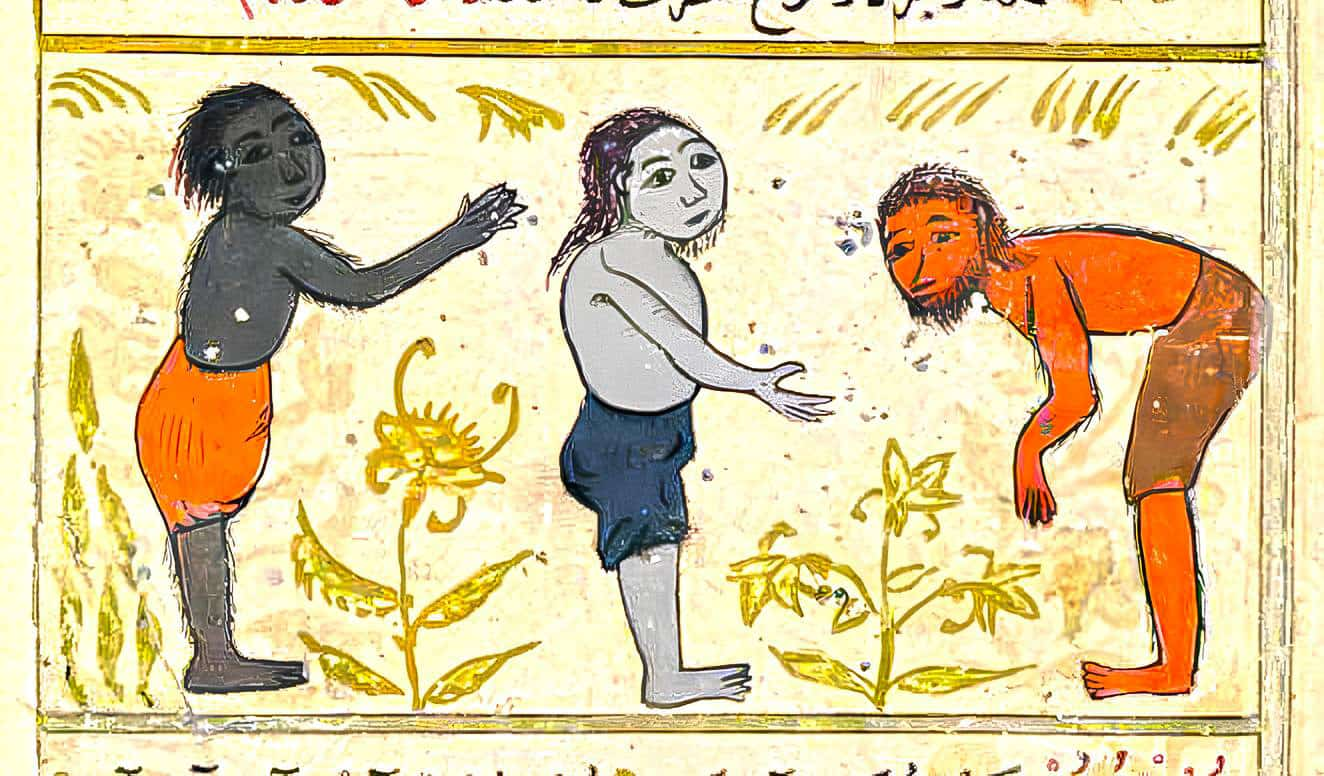
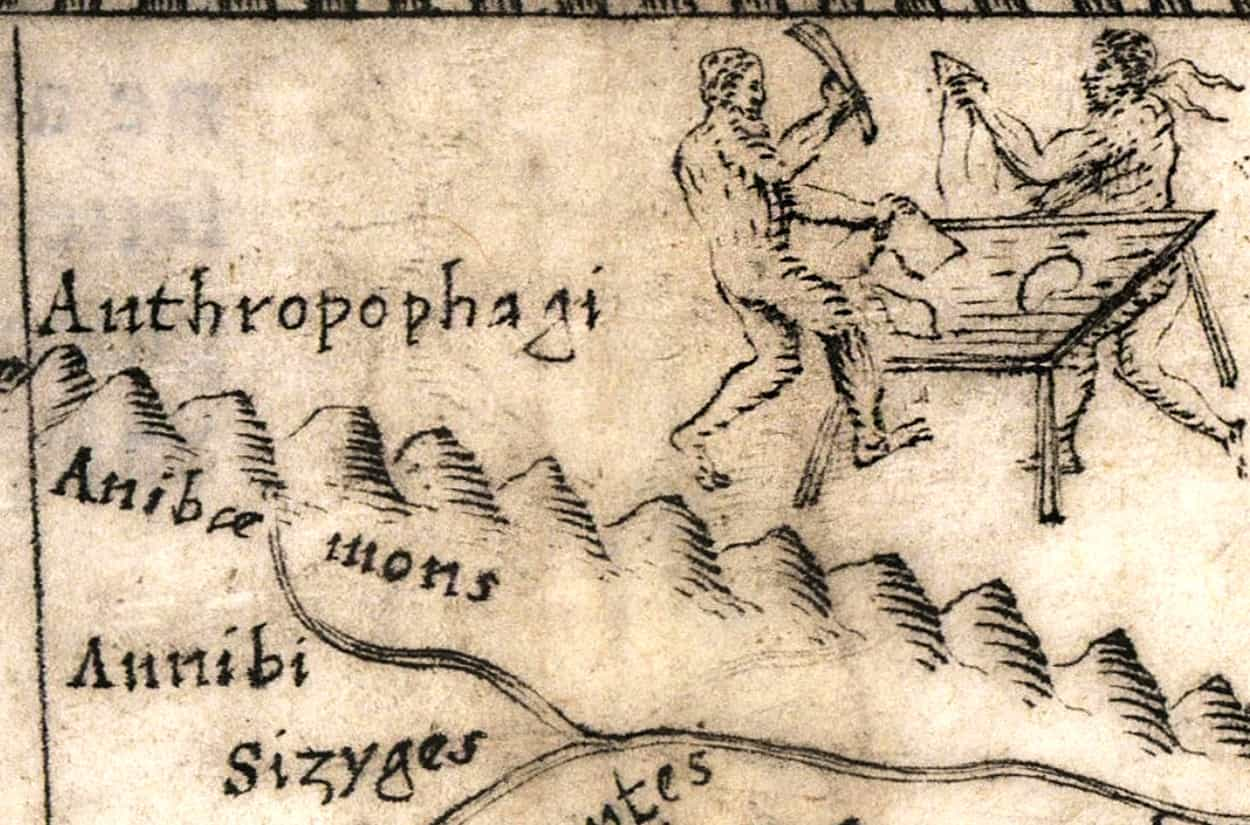
The Astomi (sometimes spelled Astomoi; the name comes from the Ancient Greek άστομα, meaning “mouthless”) are a mythological people that allegedly lived in antiquity and also in the Middle Ages. The Astomi get their name because they have no physical mouth. It was perhaps through Indian mythology that they made their way into Western literature. These odor-eaters were named Homo astomus in the Middle Ages.
What Is Astomi (or Astomoi)?
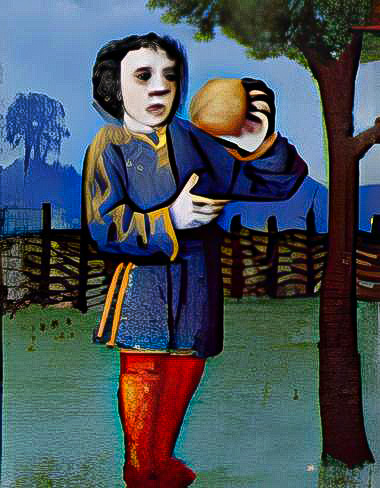
Book VII of Pliny the Elder’s “Naturalis Historia” (“Natural History”), published in 77 AD, is devoted to anthropology and includes the following description of the Astomi people:
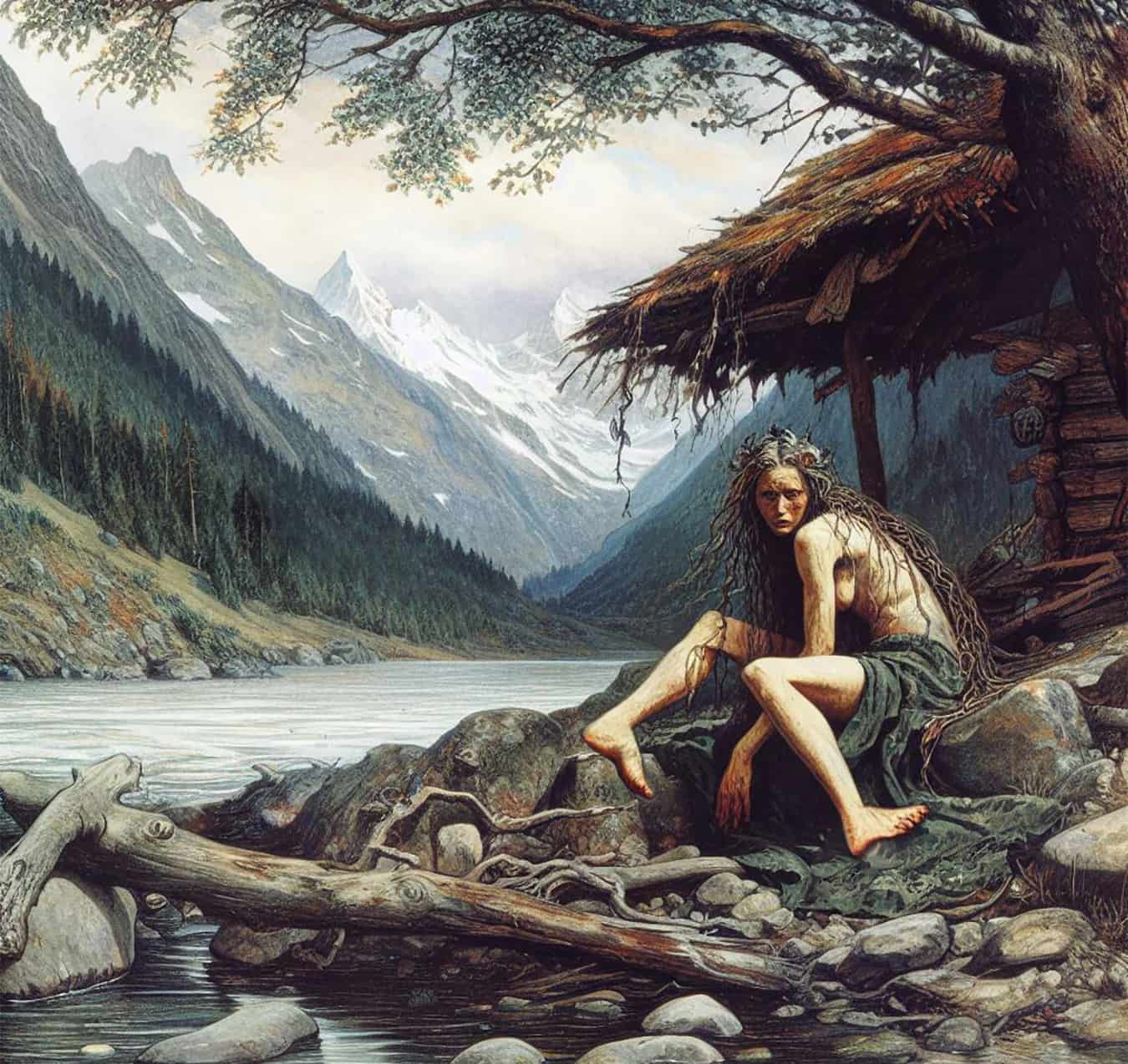
At the very extremity of India, on the eastern side, near the source of the river Ganges, there is the nation of the Astomi, a people who have no mouths; their bodies are rough and hairy, and they cover themselves with a down plucked from the leaves of trees. These people subsist only by breathing and by the odors which they inhale through the nostrils. They support themselves upon neither meat nor drink; when they go upon a long journey, they only carry with them various odoriferous roots and flowers, and wild apples, that they may not be without something to smell at. But an odor, which is a little more powerful than usual, easily destroys them.
Pliny the Elder, The Natural History, BOOK VII.
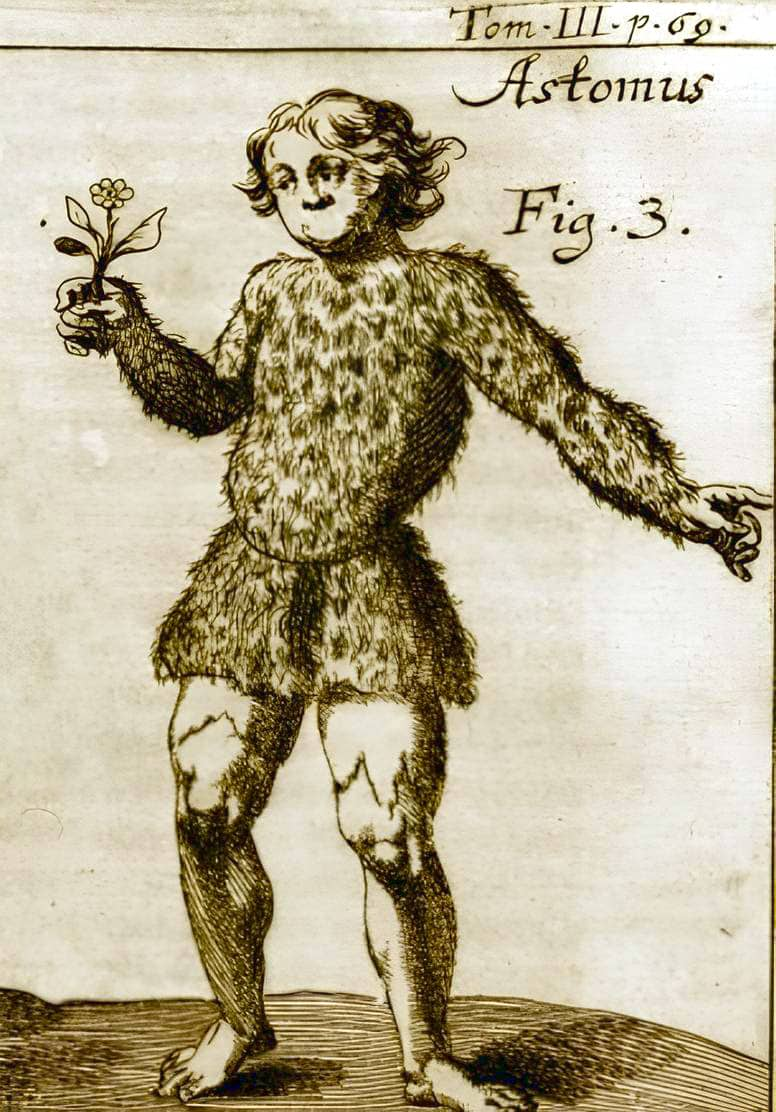
Pliny states that the Astomi may be found in northern India, close to where the Ganges River originates. They wrap themselves in tree leaves since they are completely covered with hair. The Astomi have no appetite or thirst. They get all of their nutrition by doing deep nose dives into flower beds, root cellars, and fruit trees. They bring wild apples with them on long travels to keep their sense of smell sharp.
Pliny cites a statement by Megasthenes, a Greek historian, in his “Indica” that suggests a powerful stench is all that is needed to kill them. Megasthenes, as reported by Strabo (a Greek historian), claims that the Astomi are domesticated. They get by on the aroma of smoked meat, fresh produce, and flowers.

Where Did Astomi Live?
Geographer Gaius Julius Solinus (3rd century) and grammarian Aulus Gellius (2nd century AD) both mention the Astomi, as well as the Renaissance scholar Petrarch. Other later authors include Thomas of Cantimpré (13th century) and John of Mandeville (14th century).
The Astomi, according to Mandeville’s writings, inhabit the nearby island of Pitan. They are small in stature, but not smaller than the Pygmy people.
Astomi exists in Hinduism, and it also claims that they are an ancient race of people who do not need to eat or drink at all and survive their lengthy journeys by constantly inhaling the aroma of apples, roots, and flowers they carry with them. They can die due to unpleasant odors.
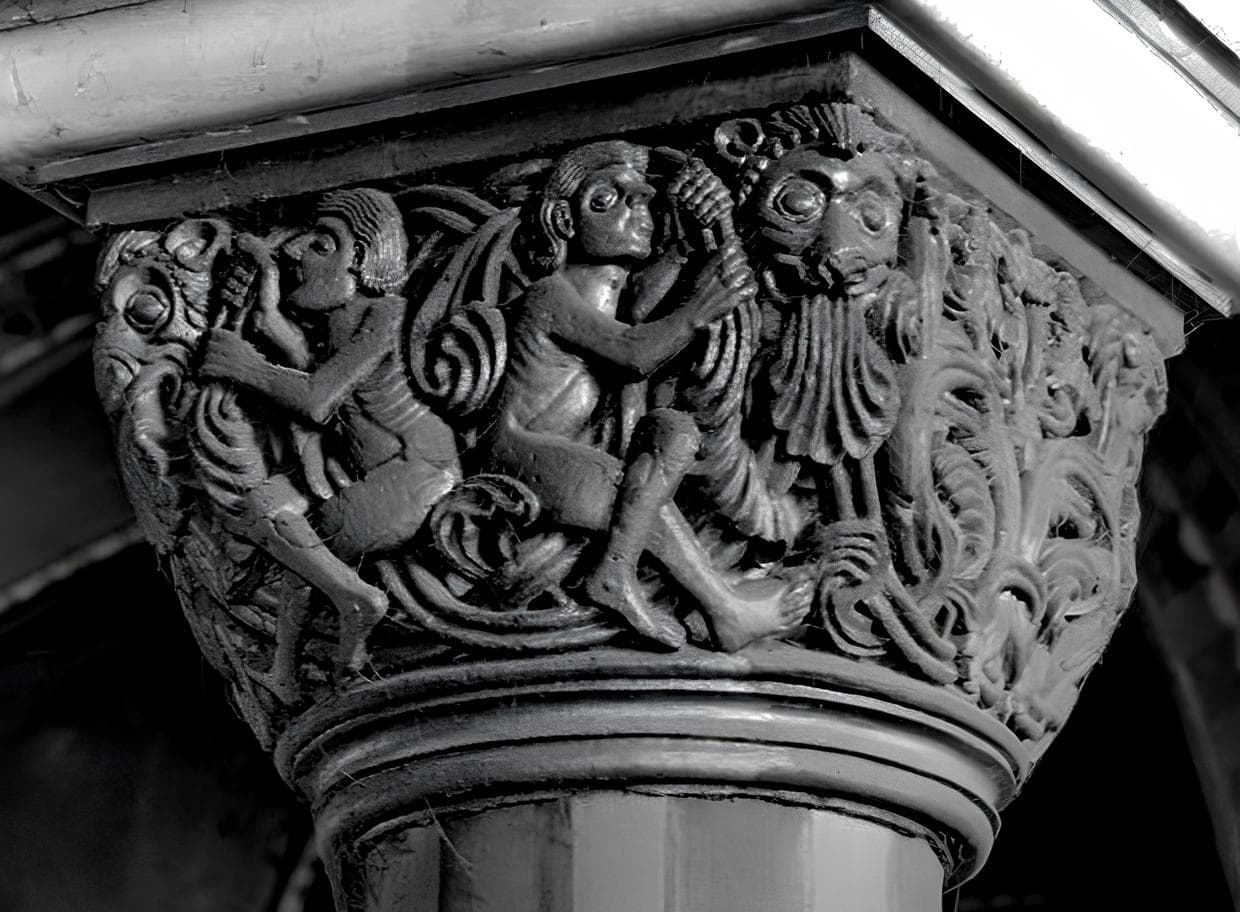
Augustine of Hippo’s non-divine wilderness is populated by “monstrous races,” and in Romanesque art, the Astomi often symbolize these races. One such specimen may be seen on a capital (architecture) from the 12th century in the westwork of Maastricht’s Basilica of Saint Servatius in the Netherlands.
Astomi Followed Breatharianism
What Astomi people internalized was called “breatharianism“. The Hindu idea of “prana” (energy or lifeblood) is the basis for the belief that real breatharians don’t need to eat or drink anything other than the sun’s rays, air, and energy to sustain life.
There have been various practices like this throughout ancient times. For instance, fruitarianism entails avoiding leafy greens and animal products in favor of a diet consisting primarily of seeds, fruits, berries, and nuts that doesn’t harm the plant. The strictest fruitarians will only eat fruits that have naturally fallen from the trees, rather than risking plant or tree damage.
The Bible’s account in Genesis 1:29 suggests a religious basis for this practice, where God commanded Adam and Eve to eat only fruit in the beginning. This points to the fact that fruitarianism was a practice that ancient people probably engaged in prior to the publication of the Bible.