The Battle of Muret occurred on September 12, 1213. It was part of the Albigensian Crusade aimed at suppressing heresy, particularly the Cathar movement, and played a pivotal role in the conquest of southern France. The alliances formed were driven not by religious conviction but by political interests and territorial ambitions. Despite being outnumbered, the Crusaders emerged victorious against the opposing armies. Peter II of Aragon lost his life in the battle.
What Was the Background to the Battle of Muret?
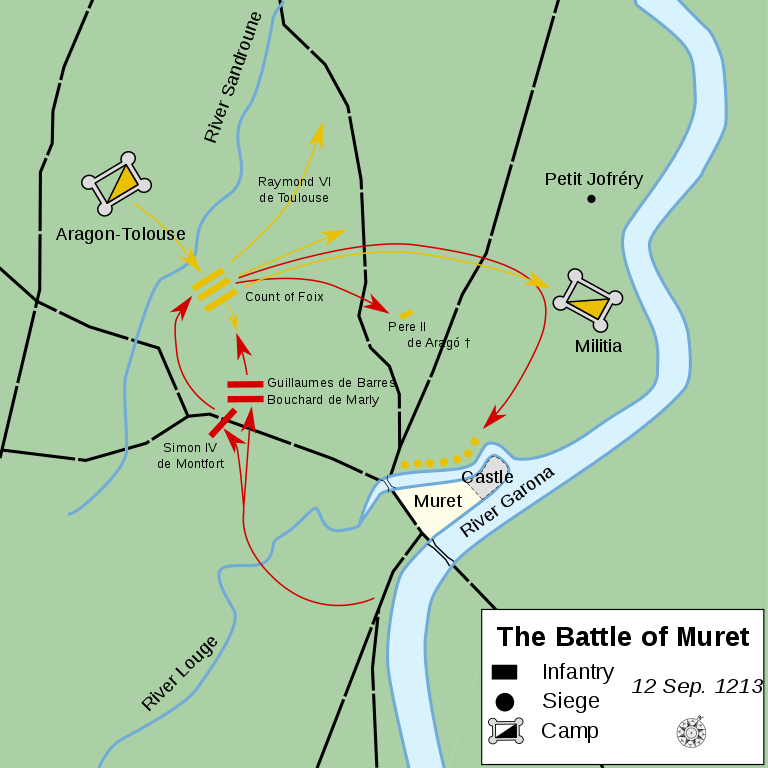
On September 12, 1213, the Battle of Muret took place on the plain of Muret, in Haute-Garonne. It occurred within the context of the Albigensian Crusade, proclaimed by the Catholic Church to suppress the Cathar heresy. This Christian religious movement was gaining momentum, causing concern in Rome about potential future challenges to its authority. The Battle of Muret followed the sieges of Béziers and Carcassonne in 1209.
What Was the Albigensian Crusade?
The Albigensian Crusade, led by the Catholic Church from 1209 to 1229, pitted the Crusaders (Kingdom of France, Papal States, and the Duchy of Austria) against the Cathars and their allies (notably the County of Toulouse, the Crown of Aragon, and the County of Astarac). Primarily unfolding in the southern region of France, specifically in Languedoc, this historical episode is more aptly characterized as a territorial conquest, given the dissent and pretexts cited for engaging in the conflict.
It is worth noting that Catharism also has Christian origins. In contrast to Catholicism, its adherents advocated for a life founded on benevolence and spiritual development, eschewing material wealth. The Cathars rejected Catholic sacraments and the concept of private property. Similarly, Valdism also contested the deviations and corruption within the Catholic Church. At the conclusion of the Crusade, Languedoc became a possession of the King of France.

Who Took Part in the Battle of Muret?
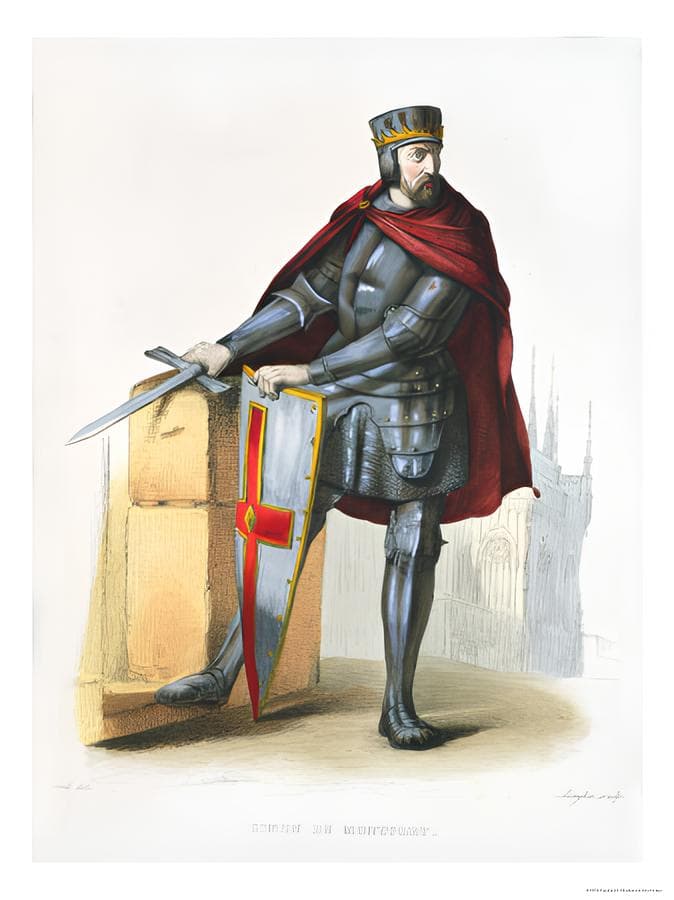
The Battle of Muret witnessed the confrontation between the Crusaders and various belligerent factions, including the counties of Toulouse, Comminges, and Foix, as well as the Crown of Aragon. Leading the Crusaders was Simon de Montfort, supported by allies Guillaume III, Alain de Roucy, and Bouchard de Marly. They faced opposition from Peter the Catholic (or Peter II), Raymond VI, Raymond Roger Trencavel, and Bernard IV. The Crusaders numbered approximately 1,000 to 2,000 men, while their adversaries commanded armies ranging from 5,000 to 22,000 men.
How Did It Go?
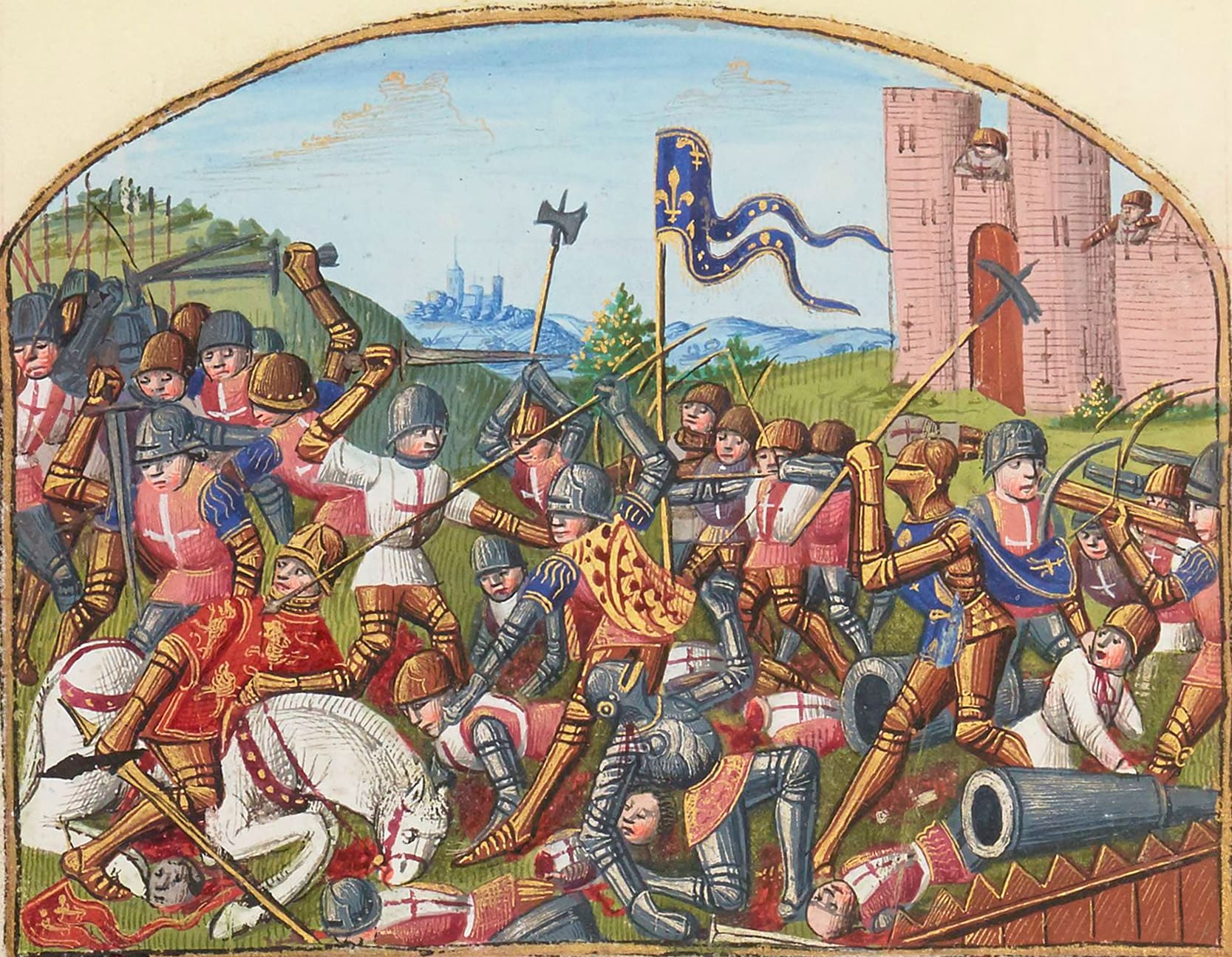
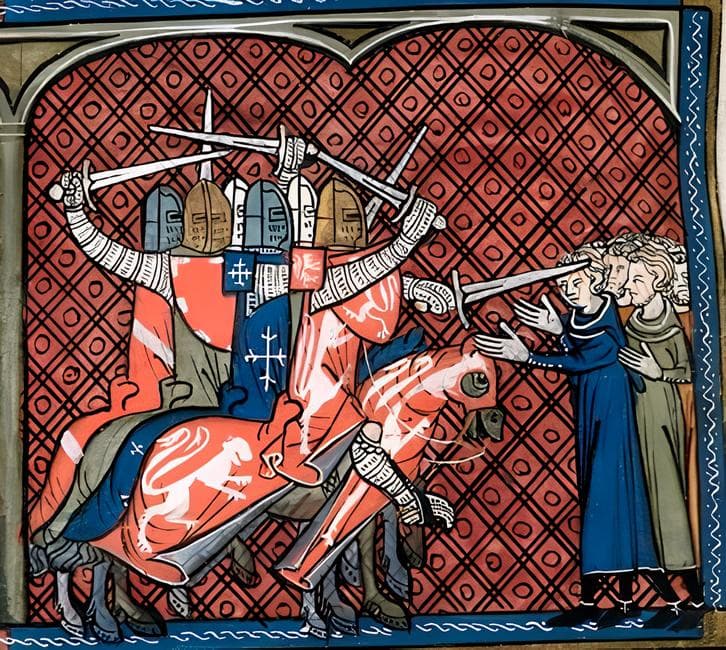
With such numerical superiority, Peter II of Aragon refused to completely besiege the city of Muret, defended by about thirty men under Simon IV de Montfort. Peter II dismisses any negotiation and urges Simon de Montfort into battle. The latter’s strategy involves simulating a retreat before outflanking the Toulousian troops, catching them completely off guard. The flanking attack is successful.
The Crusaders manage to break through the first line of defense and reach the second.
Nicknamed the “Moor’s Bane” after his victory at Las Navas de Tolosa, Peter II of Aragon loses his life in the Battle of Muret, slain by Alain de Renty. His army is scattered. Raymond VI of Toulouse, foreseeing defeat, hastily flees with a portion of his men.
Who Won?
Against all expectations, the Battle of Muret resulted in a victory for the Crusaders and, consequently, the defeat of the Cathars and their allies, despite being more numerous. It is estimated that the Crusaders lost fewer than 10 soldiers, while the opposing camp mourned 5,000 to 10,000 dead and wounded. Many of them are believed to have perished by drowning. Historians attribute this outcome to the recklessness of Peter II of Aragon and multiple strategic errors, particularly in terms of troop coordination.
What Were the Consequences of the Battle?
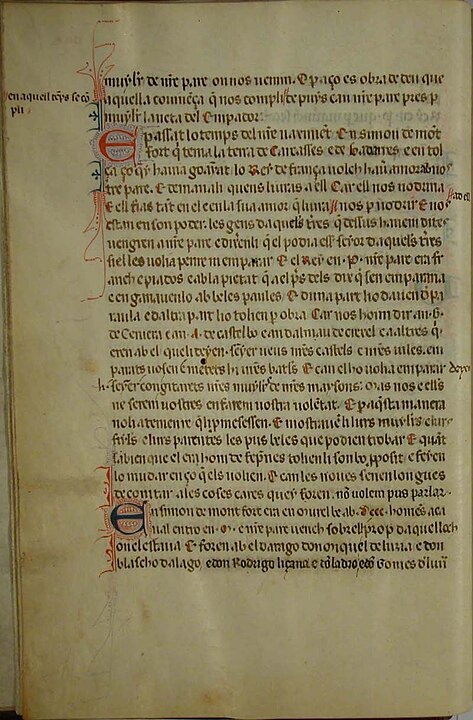
In the year of our Lord Simon de Montfort, he was in Murel with about 800 horsemen, and our father came upon him near the place where he was. With him were from Aragon Don Miquel de Luzia, Don Blascho d’Alagó, Don Roderich de Liçana, Don Ladro, Don Gomes de Luna, Don Miquel de Roda, Don G. de Puyo, Don Azmar Pardo, and others from his household, many of whom we cannot recall. But we remember well what they told us—who had been there and knew what happened. Except for Don Gomes, Don Miquel de Roda, Azmar Pardo, and some from his household who perished, the others abandoned him in the battle and fled. In Catalonia, Dalmau de Creixell, Huguet de Mataplana, En G. d’Orta, and Berenguer de Castellbisbal fled with the rest. However, we know for certain that Don Nuno Sanxes and En G. de Montcada, sons of En G. R(?). and Na G. de Castelviy, were not in the battle. Instead, they sent a message to the King to wait for them, but the King refused and fought the battle with those who were with him.
The original text is in Old Catalan:: Crònica del rei en Jacme.
Following the Battle of Muret, Jacques, the son of Peter II of Aragon, was captured by the Crusaders while still a child. At the request of the pope, however, he was released and placed under the guardianship of the Templars. This defeat of the Aragonese crown contributed to the strengthening of the Capetian monarchy.
Raymond VI of Toulouse, then the count, was compelled to travel to England to meet with John Lackland. The Battle of Muret marked a pivotal moment in the Albigensian Crusade, as the forces of Toulouse were effectively decimated.