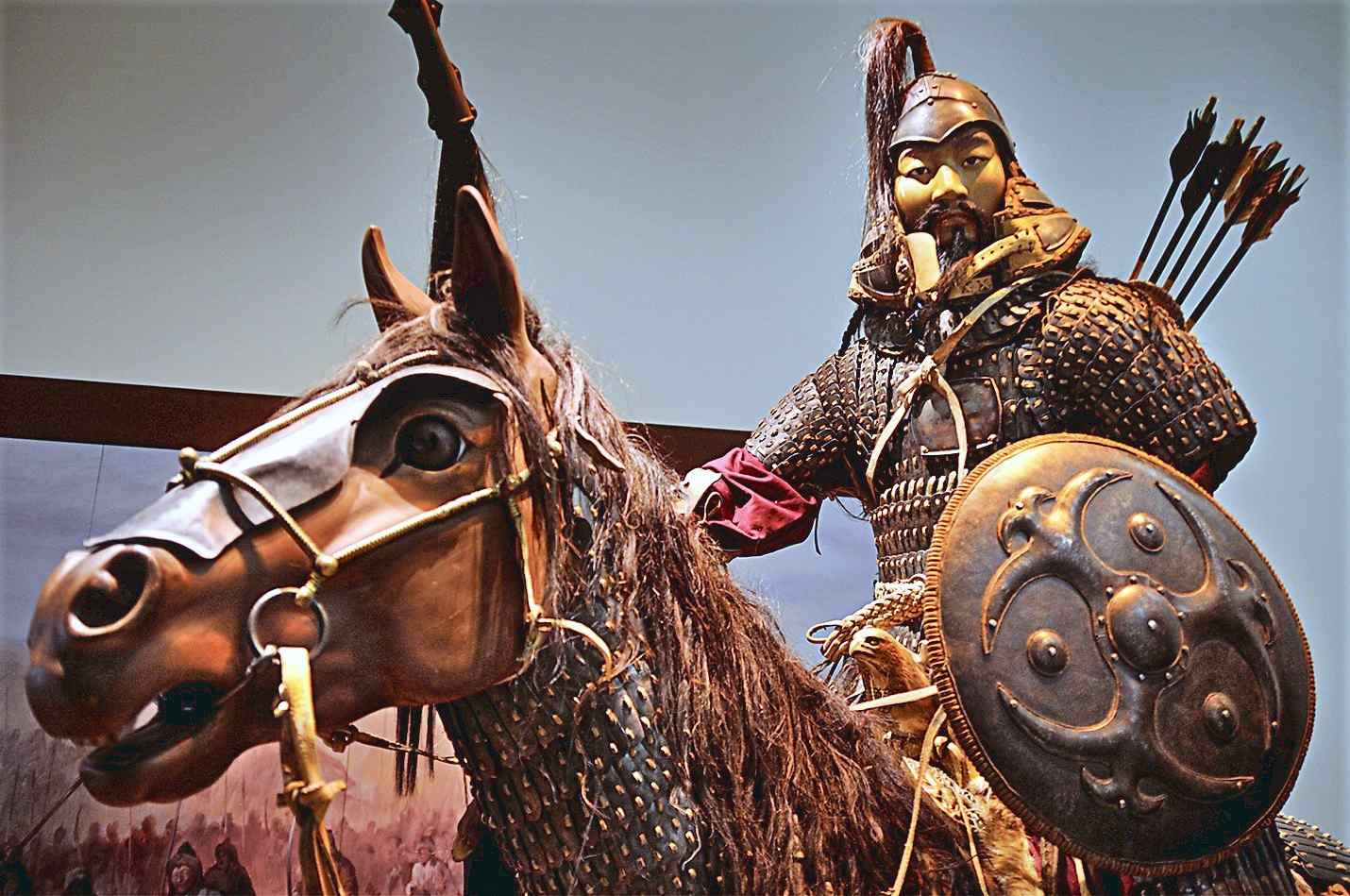
Typically made of metal, a buckler shield (German: faustschild; French: boce; Italian: brochiero) is a tiny round shield measuring between 8 and 16 inches (20–40 cm) in diameter. The primary use of this cold weapon was to complement a sword or spear. A buckler supported a handle on its backside. They were single-handed shields that the warrior held in his fist, thus the name “fist shields.”
History of the Buckler Shield
The buckler shields first appeared in Europe among the Byzantines (the Eastern Romans) in the 8th century and then spread across the continent.
Both the Celts and the Franks reportedly used this small shield. The shield was widely used in Western Europe throughout the 12th and 13th centuries. This era includes the first documented use of the term in French literature.
The buckler shield spread to Germany and England in the 14th century. The oldest of the manuscripts from the 13th to mid-14th centuries on the art of sword fighting describes the “sword and buckler” approach. This specific manuscript is Royal Armouries Ms. I.33 (the earliest known surviving European combat manual from the 1320s) from the ducal library in the German city of Gotha.
Widely Used Throughout Europe
The information in this book suggests that buckler combat was widely practiced throughout Europe at the time. The Italian style of fencing, which also included the buckler combat method, acquired significant clout among the elite in the 16th century.
In this period, the shield was in vogue. The young men and women of that era wore it on their sword belts and took it wherever they went. The shield could be slung over the shoulder or hung from a belt, or it could be attached to the hilt of the sword.
At the end of the 16th century, this shield was no longer used by the Venetian fencing school. They armed their left arm with a parrying dagger. The use of the sword and buckler tactic was discontinued after this.
A Wide Range of Shapes and Constructions
Buckler shields often included wooden canvas with metal reinforcements like iron strips of varying widths and a metal or shield boss set in the center. Both the wood and the metal used in the shield benefited from being painted or tinned. Brass rivets were often used as fasteners. The boards were similar in thickness to the Scandinavian buckler shields, at about 0.24–0.32 inches (6-8 mm).

In other versions, the whole shield was made up of a single metal plate or many metal pieces. There were also versions where the shield’s base was made of leather and it was outfitted with several metal pieces.
The majority of bucklers were round, although the German author Hans Talhoffer’s (1420–1490) fencing book, as well as miniatures and bas-reliefs, often show a broad range of designs.
Who Used the Buckler Shield?
Many historical records show that bucklers were more often used than other shields by both the upper and lower classes and by military forces.
In Spain, the use of a sword and buckler together was common. When it came to foot combat, the buckler was king in both Germany and England.
How Useful Was It?
Due to the increased use of pikes, spontoons, halberds, ahlspiessen, and crossbows by infantry in the late Middle Ages, shields were no longer used. In fact, not all 16th-century fighters wore heavy armor either, and this lowered their chances of survival.
It took tremendous finesse to block an arrow with a buckler, and a shield weighing just roughly 2.2 pounds (1 kg) wouldn’t have been enough to stop the strikes of a polearm or flamberge either.
However, the buckler’s use in warfare against one-handed weapons, the primary weapon of medieval infantry, was incontestable. Any pikeman could easily carry a short, edged weapon with him, but carrying his buckler behind his back would still provide a significant advantage on the battlefield.
This shield acted as both a passive defense and a secondary weapon against attackers. Because of its lightweight and rounded design, the shield was simple to use. Due to its strength and sharp edges, a buckler could be used to deflect an attack and then immediately counter it.
References
- I.33 collection – Royal Armouries
- Medieval Swordsmanship: Illustrated Methods And Techniques by John Clements, 1998 – Goodreads