Only a fraction of the carbon dioxide emitted by burning coal, oil, and natural gas stays in the atmosphere. Rest goes into carbon sinks like seas and forests. The only issue is whether these “silent heroes” will support long-term climate change policies. Without nature’s aid, the carbon dioxide emitted by burning coal, oil, and natural gas would have raised Earth’s surface temperatures far more than ever recorded. Some of this greenhouse gas has been trapped by natural filters in the seas and forests. These carbon sinks vary a lot, but they work on a similar principle: they transform carbon dioxide in the air into other carbon molecules, which are no longer greenhouse gas and can’t fuel the climate.
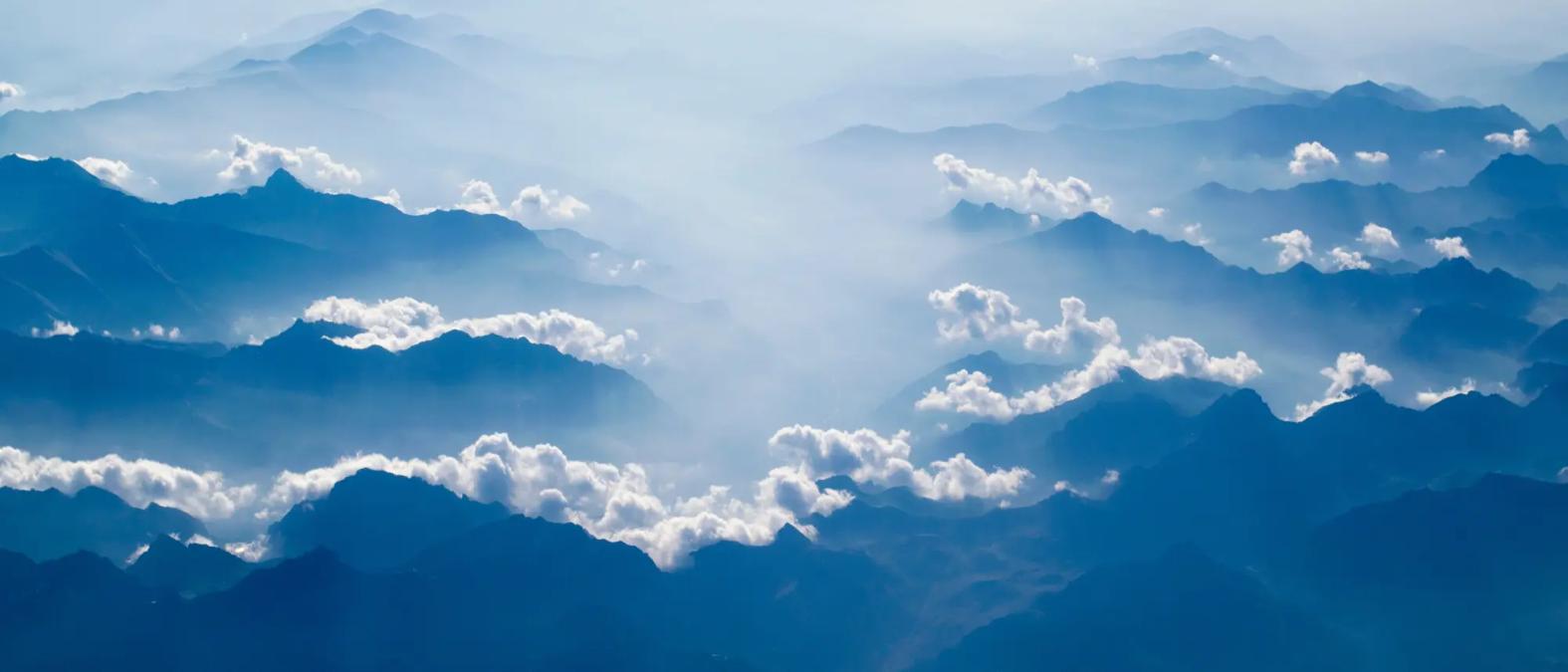
Oceans as Carbon Sinks
Oceans are important carbon sinks. They still absorb a quarter of the carbon dioxide from fossil-fuel power plants, oil and gas heating, internal combustion engines, and organic sources. In water, carbon dioxide forms carbonic acid. However, extracting this carbon dioxide from the air acidifies the waters.
But this whole process can’t be sped up since carbon dioxide enters the water via the ocean surface which can’t be enlarged. Surface water can hold only so much carbon dioxide. The greenhouse gas can only be absorbed as long as there is fresh water available. This needs constant sea currents. But the speed of the currents restricts air-water interaction. Nevertheless, the seas can absorb 73 to 93% of human-produced CO2 today if thousands of years are given.
Weathering as a Carbon Sink
Weathering is the second way of oceans extract CO2 from the air. The breakdown or dissolution of rocks and minerals on the surface of the Earth is known as weathering. Basalt combines with carbonic acid in waters with carbon dioxide to generate bicarbonate, which stays dissolved in saltwater. Weathering act as a carbon sink by storing the CO2 in sediments which reduces the atmospheric carbon dioxide.

Long-term, oceanic processes keep the climate steady. The carbon dioxide boosts the temperatures. This heat speeds weathering, which reduces atmospheric carbon dioxide and slows climate change. Basalt weathers more slowly at cooler temperatures, removing less CO2 from the air.
Even after big swings, the climate can still stabilize. But since the sea’s climate sink only works over millennia, we need something faster than that. The excavators, wheel loaders, and other machinery can increase natural weathering. With artificial weathering, you could finely ground basalt and disperse it offshore. Artificial weathering can collect 20 to 30% of the CO2 emitted by humanity.
Artificial Weathering
This carbon sink would be a natural process in which rock flour weathers, permanently absorb carbon dioxide from water. Four tons of ground olivine basalt remove one ton of carbon from water, which is reabsorbed as carbon dioxide. Ten billion tons of carbon are emitted annually by burning oil, gas, and coal, thus 40 billion tons of rock may counterbalance this.
Theoretically, you could crush a Matterhorn-sized basalt mountain into powder every year and scatter it in the ocean. That would offset 50% of our CO2 emissions today. This number seems idealistic, yet it’s comparable to current mining. This procedure also works in cold water. Any rocks near the shore would be good enough as this would also save the transport expenses.

Algae as a Carbon Sink
There are more carbon sinks hiding in the oceans. In theory, the iron fertilization in the Southern Ocean might boost algae development. After dying, many of these species fall to the ocean floor, removing carbon dioxide from the climate cycle. This method mirrors the natural process: During cold times, rains fall and strong winds push continent dust to the Southern Ocean. This dust’s iron is scarce and functions as fertilizer for the algae. This technique likely only works in the Southern Ocean, where phosphate and nitrate are plentiful. Iron fertilization would also swiftly deplete these chemicals in other waters. Iron fertilization might offset 10% of current CO2 emissions alone in the Southern Ocean.
However, the adverse effects have barely been studied. No one knows whether humans have already destroyed this carbon sink of the Southern Ocean: Large whales spread fertile feces in the ocean. And due to whale hunting, most of this fertilizer is disappearing, and this carbon sink may be less efficient now.
On the other hand, another carbon sink may be emerging in the waters. Climate warming seems to be extending the low-oxygen zones. Algal blooms are fertilized by the extra nutrients and in oxygen-free zones, dead creatures settle at the bottom, where oxygen-breathing organisms can’t break them down. Dead algae sink to the ocean floor and depending on environmental circumstances, these sludge layers of algae become shale or petroleum over millions of years.
The price for such a carbon sink is significant, however, since the sludge replaces a whole ecosystem with an underwater desert where fish, crabs, squid, and many other animals cannot thrive.
Permafrost
The biosphere on land recovers around 25% of human-caused carbon dioxide emissions from the air. However, this is not steady for all parts of the world. Permafrost in Siberia and North America stores massive quantities of carbon that plants formerly scooped out of the air as carbon dioxide and transformed into leaves, timber, roots, and other biomass. Microorganisms destroy carbon sink leftovers as it thaws in summer. Methane, a strong greenhouse gas, is produced first. If temperatures rise, permafrost thaws longer and generates more methane, turning the carbon sink into a carbon source.
This occurs if methane from the earth quickly rises through reed stalks. On the way, other microbes feed on methane and produce carbon dioxide. In Siberia’s permafrost soils, there are giant patches of microbes, each releasing varied quantities of greenhouse gases.
Higher temperatures allow permafrost plants more time to thrive in the summer, while also increasing the carbon dioxide which speeds up the growth and thus, the vegetation absorbs more carbon dioxide as a result. This means, tundra is another carbon sink source.
Wetlands
Same for different latitudes’ wetlands. Microorganisms degrade plant material in these marshes to create methane, which is progressively broken down and turned into carbon dioxide. The plants also extract and store carbon dioxide as biomass. Since plant remnants are only transformed partly into greenhouse gases, the soil biomass grows slowly and wetlands remain a carbon sink. Still, wetlands’ contribution to climate balance is small.
Forests
Trees fare much better. Forests are one of the greatest CO2 sinks. Land plants remove 120 billion tons of carbon from the air each year, half of which is permanently stored and half exhaled. Tropical forests store 40% of the 60 billion metric tons of carbon, while temperate forests store 25%. Forests are the land’s largest carbon sink. But most of the carbon stored in plants is released as a greenhouse gas when the leaves fall off or the plants die, thus vegetation stores only two to three billion metric tons of carbon yearly over the long term. This accounts for a quarter of human-caused CO2 emissions.
Forests are called “green lungs” because they take in carbon dioxide and exhale oxygen, whereas our lungs do the reverse. Not all forests are good carbon sinks. In a commercial forest, foresters cut down trees and when their wood is burnt, the trees no longer store the carbon dioxide. If wood is used for furniture, structures, or construction, the carbon sink effect is extended, but not permanently. Because forest wood no longer migrates into the soil to function as a carbon sink again.
Unused woods are the most efficient carbon sink, but they’re dwindling. Climate change further stresses certain woodlands. Prolonged drought at the beginning of the 21st century prompted insect infestations on Canada’s Pacific coast, destroying forests the size of Montana. These areas become carbon sources instead.
Does Reforestation Hurt the Environment?
The Paris Agreement wants more forests planted to halt climate change. However, for a real impact, huge barren regions like the Sahara must be forested. In theory, groundwater could reforest an area the size of the United States. But there are side effects: The subtropical heat would drain the water from these newly woods and most would fall on the Sahara again. A minor part would wind up in the seas, and when this happens it would raise sea levels 13 cm by 2100.
A desert that had little flora reflects most sunlight into space. However, dark woodlands absorb more radiation and heat. For instance, this might affect wind systems and monsoon rains in India. Computer studies reveal that Saharan woodlands might absorb so much more sunlight that global temperatures would actually soar. Reforesting the Sahara might generate a carbon sink but also warm the global temperatures.
Reforestation as a carbon sink is overrated in other regions of the globe, too. In principle, 11.5 square miles (30 million square km) might be reforested globally, the size of Africa. If this forest expands and isn’t chopped down again, it might absorb two-thirds of our greenhouse gas emissions.
Much of the possible reforestation area is currently utilized for fields and pastures and will be required for food in the future. The carbon sinks and sources of these fields, meadows, and pastures remain unknown. They’re probably too varied. New rice types developed in China need less flooding than traditional kinds. These plants conserve water. This is important because the flooded rice fields emit substantial amounts of methane. The rice fields have warmed the environment less since the discovery of this rice type.
Biochar as a Carbon Sink
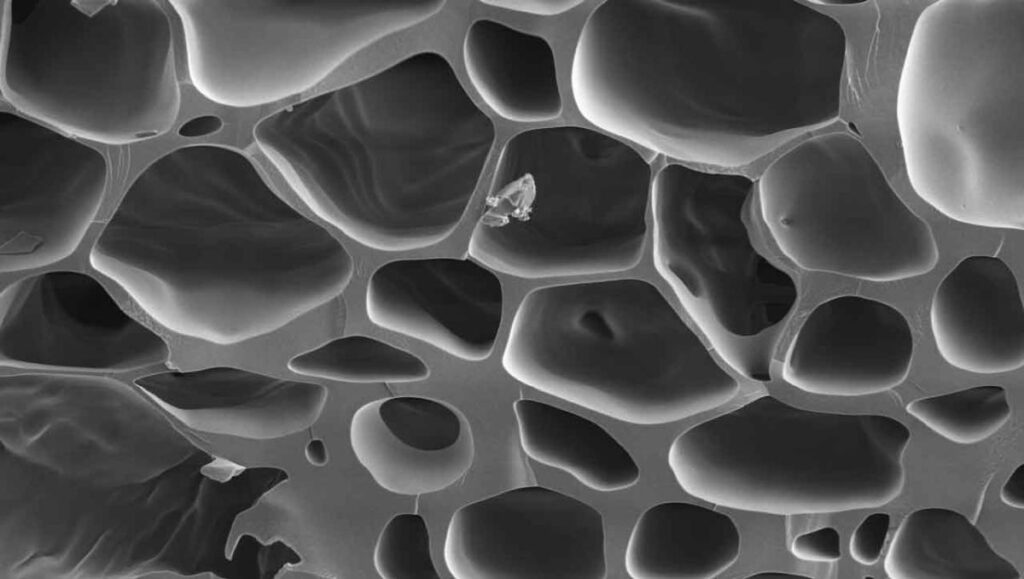
Farmers might mix charcoal into the soil to produce new carbon sinks. Charcoal is created from plant wastes. The other half of the biomass forms biochar. This helps the soil because small holes and scratches enhance its surface area. This vast region stores nutrients, water, and soil microorganisms that are needed for effective soil fertility.
Biochar persists in the soil for a long period, potentially millennia, storing the carbon dioxide away from the atmosphere. Initial estimates imply that the biochar as a carbon sink might permanently bind 10% of human-produced CO2 in arable soil.