In the picturesque timbered villages and pine-forested mountains of Alsace and Lorraine along the border of northeastern France and Germany, children preparing for Saint Nicholas Day and Christmas in early December do not merely worry about getting a lump of coal in their stockings. Instead, Alsatian parents for centuries warned unruly youngsters that if they did not behave, they would hear the heavy crunch of boots in the snow outside—announcing the arrival of Hans Trapp, a terrifying, black-bearded bogeyman dressed in the tattered rags of a human scarecrow staffed with straw, rattling iron chains and swinging a heavy wooden club.
The 15th-Century Knight: Hans von Trotha of Berwartstein Castle
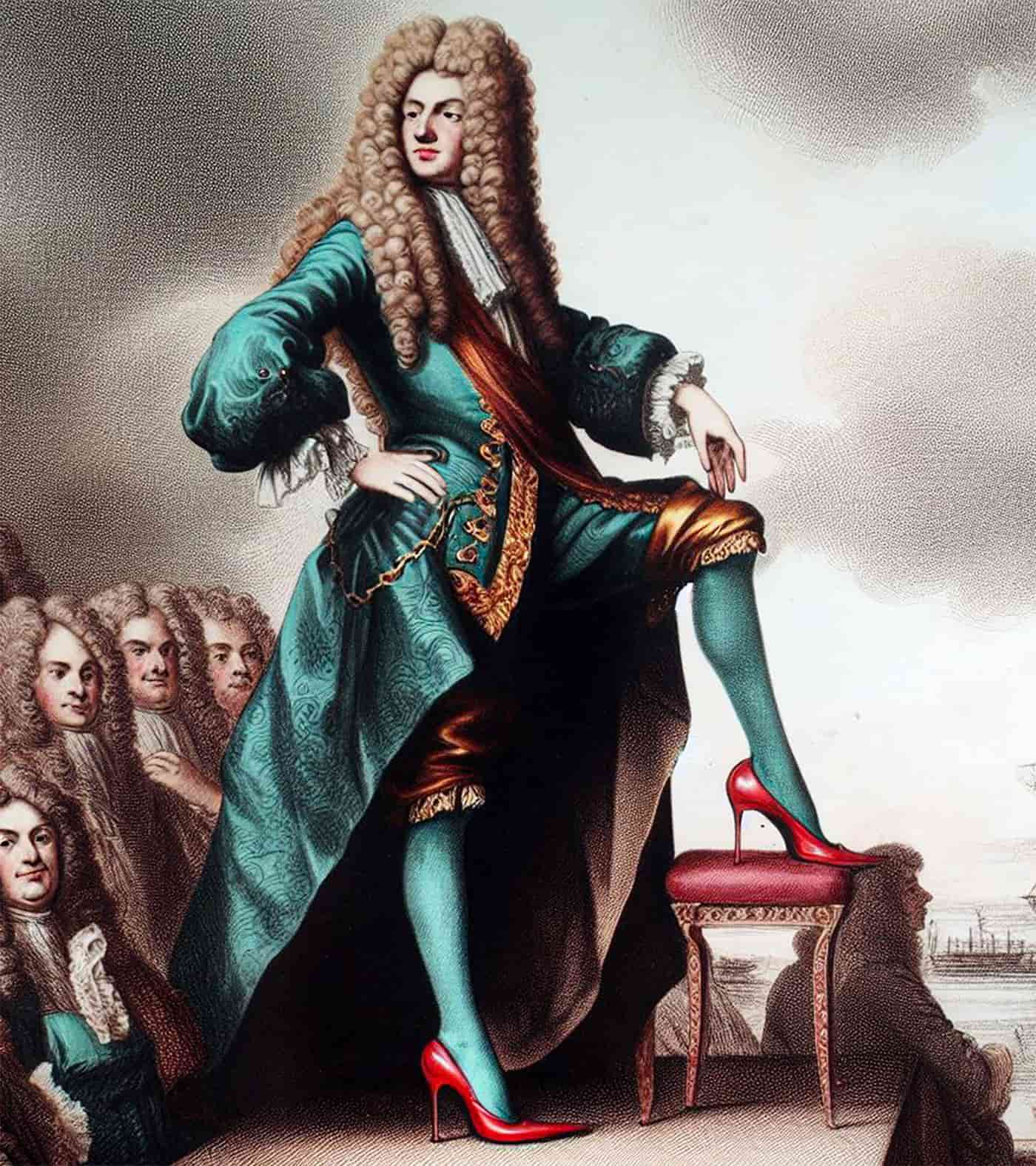
Unlike purely mythical monsters like the Alpine Krampus, the folkloric terror of Hans Trapp is rooted directly in the biography of a real, flesh-and-blood fifteenth-century German warlord: Hans von Trotha (circa 1450–1503), a towering, ruthless knight and Marshal of the Electoral Palatinate who ruled from the cliff-top fortress of Berwartstein Castle in the Wasgau forest just across the Alsatian border in the Palatinate.
How did a respected fifteenth-century knight turn into a child-eating Christmas scarecrow? Through a bitter, decades-long property feud with the powerful Roman Catholic Church—specifically with Abbot Heinrich vonพรหม (Heinrich von الهام) of the wealthy nearby Abbey of Wissembourg:
- Damming the River (1485): When the Abbot of Wissembourg tried to reclaim lands and castles that the Elector Palatine had given to Hans von Trotha, the furious knight decided to teach the monks an engineering lesson. He built a massive earthen dam across the Lauter (Wieslauter) River right upstream from the town of Wissembourg, completely cutting off the monastery’s water supply for their grain mills and fishponds!
- Unleashing the Flood: When the Abbot marched out to protest, Hans von Trotha waited until the reservoir behind his dam was swollen to the brim with millions of gallons of water, and then breached the dam all at once—sending a catastrophic wall of floodwater roaring down the valley that inundated the town of Wissembourg, flooded the abbey, and devastated the local economy.
- Excommunication by the Pope: Ignoring summonses from both the Holy Roman Emperor and Pope Innocent VIII, Hans von Trotha was officially excommunicated by the Catholic Church in 1499 as a servant of the Devil—giving churchmen every incentive after his death in 1503 to demonize his name in local peasant folklore!
The Folklore Transformation: Satanism, Cannibalism, and the Scarecrow Curse
Over the centuries following Hans von Trotha’s death (which wasn’t officially pardoned by the Vatican until 1961!), Alsatian and Palatine village storytellers morphed the excommunicated knight into the monstrous legend of Hans Trapp (a dialect rendering of “Hans von Trotha,” playing on the German word trappen, the heavy thudding sound of footsteps).

According to the dark folk legend told around winter hearths:
- Pact With the Devil and Human Flesh: Banished to a lonely mountain tower in the forest after being excommunicated for his greed and cruelty, the demented old knight allegedly began worshipping Satan and developed a sickening obsession with tasting human flesh.
- Disguised as a Field Scarecrow: To ambush unsuspecting victims, Hans Trapp stuffed his ragged clothes and coat with dry straw and stood motionless in a clearing like a harmless scarecrow. When a young shepherd boy wandered past, Hans Trapp leaped out, killed the child, and began roasting the flesh over a campfire.
- Struck Down by God’s Lightning: Before the monster could take a single bite of his gruesome meal, the heavens opened and a divine bolt of lightning struck Hans Trapp dead on the spot—condemning his restless ghost to wander the snowy forests of Alsace every December disguised in straw and chains to terrify disobedient children.
Companion to the angelic Christkindel
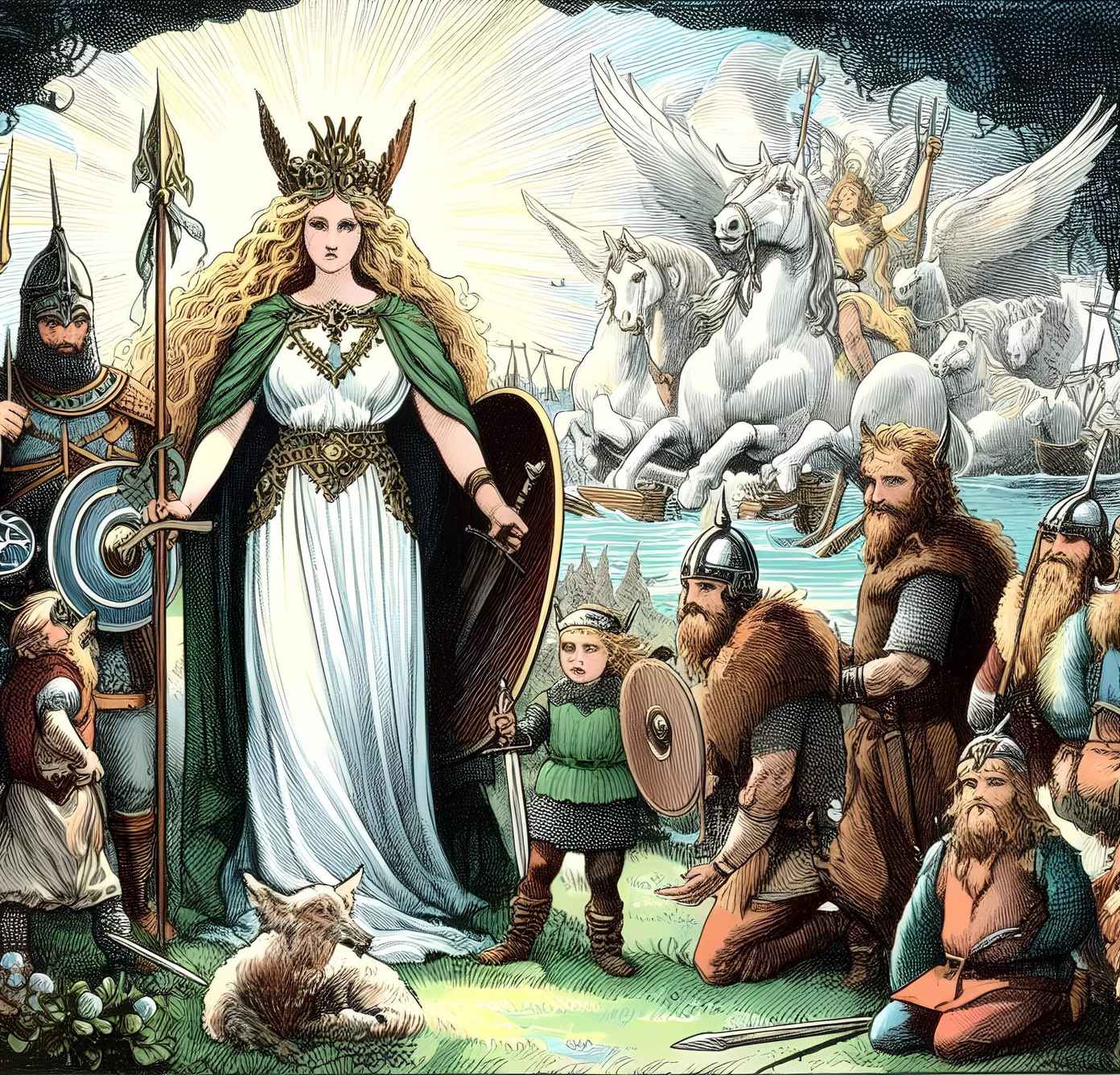
In classic Alsatian holiday pageants—most famously at the historic Christmas markets of Wissembourg and Strasbourg—Hans Trapp never walks alone. Just as harsh winter darkness is conquered by gentle light, the terrifying, chain-rattling scarecrow is always accompanied and held in check on a symbolic leash by the radiant Christkindel: a young woman dressed entirely in flowing white robes, a translucent veil, and a crown of pine branches and four glowing candles (rooted in the sixteenth-century Protestant Reformation of Strasbourg, when Martin Bucer replaced the Catholic Saint Nicholas with the Christ Child).
When the pair visits an Alsatian home or town square in December, Hans Trapp growls and shakes his heavy wooden stick at any child who has been lazy or selfish during the year, until the gentle Christkindel steps between them, calms the monster, and hands out sweet spiced bredele cookies and oranges—ensuring that in Alsace, even a five-hundred-year-old feudal knight still plays his part in keeping children on their best behavior.