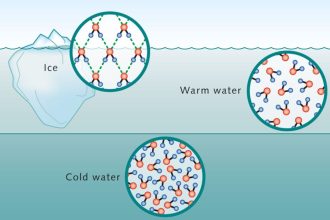
Plastic is used everywhere from spaceships and computers to bottles and body prostheses, which makes it one of the most remarkable of all man-made materials. What gives plastic its special quality is the shape of the molecules. It is made from long organic molecules known as plastic polymers.
When was plastic first invented?
In the middle of the 19th century, people knew that cellulose (the woody substance in plants) could be converted into a fragile material called cellulose nitrate. In 1862, British chemist Alexander Parkes added camphor to it, producing a hard but malleable plastic called Parkesine. In 1869, American inventor John Hyatt produced a similar material called celluloid, which was used in 1889 by Kodak to make photographic films. Today there are thousands of synthetic plastics, each with its characteristics and uses. Many are still of hydrocarbon origin (oil and natural gas), but in the past few decades, carbon fiber and other materials have been added to produce super-light and super-durable plastics such as Kevlar and CNRP.
I thought I should make something really soft instead, that could be molded into different shapes.
Belgian chemist Leo Baekeland on the invention of bakelite.
The evolution of plastics
Plastic is widely used because it is hard and durable and cannot be decomposed by bacteria. Thus, once released into nature, it does not decompose for a very long time. The vast amounts of waste plastics—100 million tons are in the oceans—cause plastic pollution, which is harming marine wildlife. It is very important to reduce the use of plastics and recycle as much as possible. Heat is needed to change its shape, so the rate of recycling plastic is very low.
The history of plastic begins in 1862. Let’s evaluate the timeline step by step:

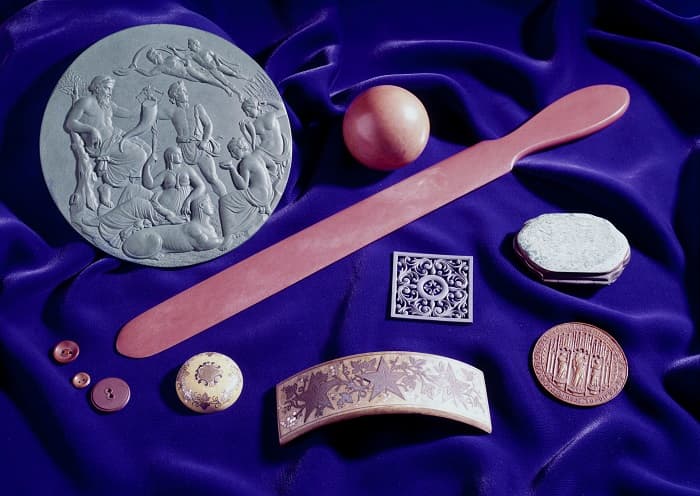
Parkesine – 1862
Alexander Parkes develops the first plastic, Parkesine. It is first used to make cheap buttons.
PVC – 1872
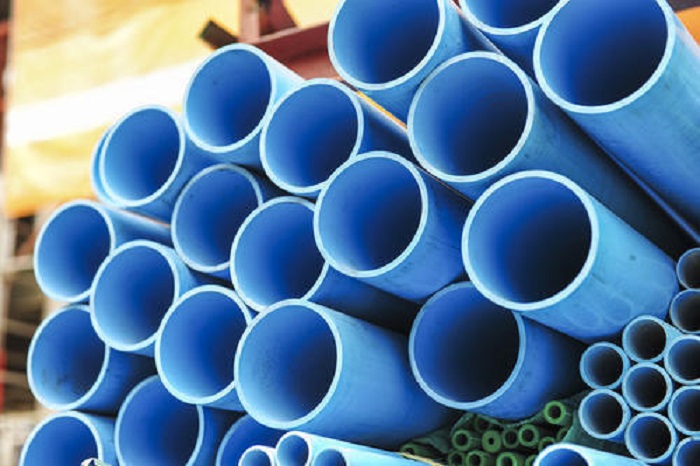
This extremely hard plastic was developed in 1872 by the German chemist Eugen Baumann. It was thought to be useless until the 1920s.
Celluloid – 1887
American John Hyatt and English Daniel Spill both developed a material called celluloid, which is similar to Parkesine. It is used in flexible films to replace glass-backed plates in photography. This was a crucial step in filmmaking.
Rayon fiber – 1894
Two British chemists produce a synthetic substance called rayon fiber by rearranging wood fibers in sodium hydroxide and spinning them on the thread.


Bakelite – 1909
American chemist Leo Baekeland develops the first bakelite by processing phenolic resin made from tar with formaldehyde. The plastic that is completely synthetic. Not only it can be shaped like previous plastics, but it is also hard and heatproof.

Cellophane – 1912
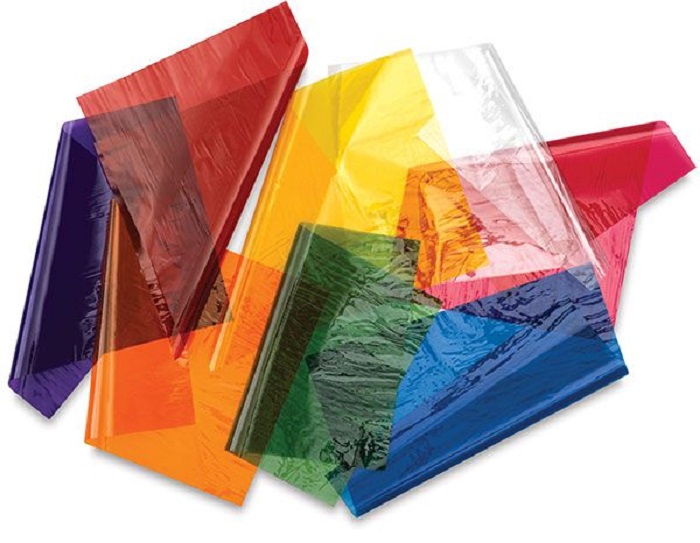
Cellophane, a thin transparent layer of treated cellulose, is developed for the first time in 1912. It was used for airtight packaging and is useful for packaging food.
Vinyl – 1926
American chemist Waldo Semon exposes PVC to heat and uses chemicals to produce vinyl. It is used in many objects from shoes to shampoo bottles.

Polyethylene – 1933
Although it was first produced by British chemists Eric Fawcett and Reginald Gibson in 1898, Erhard Holzkamp produced a more useful polyethylene in 1933. Solid, soft, and bendable; it is currently widely used in many plastics.

Nylon – 1935
American chemist Wallace Carothers invented the first thermoplastic nylon; when heated, it liquefies and when cooled it solidifies. The most common use is long socks, there are many uses.

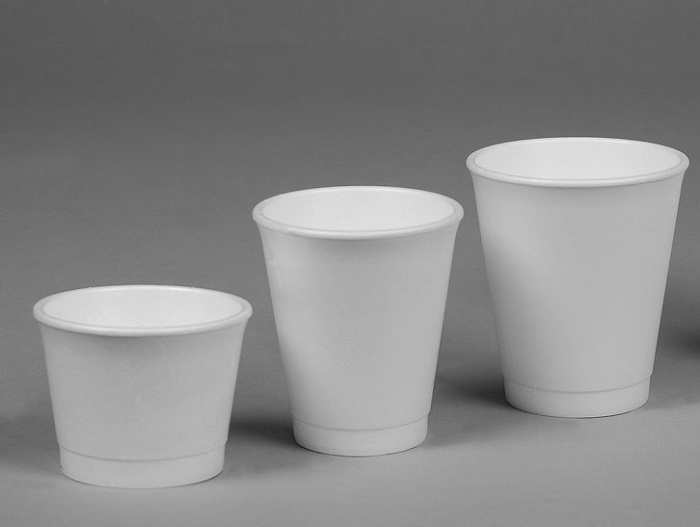
Styrene is an oily substance obtained from the resin of the sweet gum tree. In 1936, the German chemical company IG Farben used it to produce polystyrene.
Polystyrene – 1936
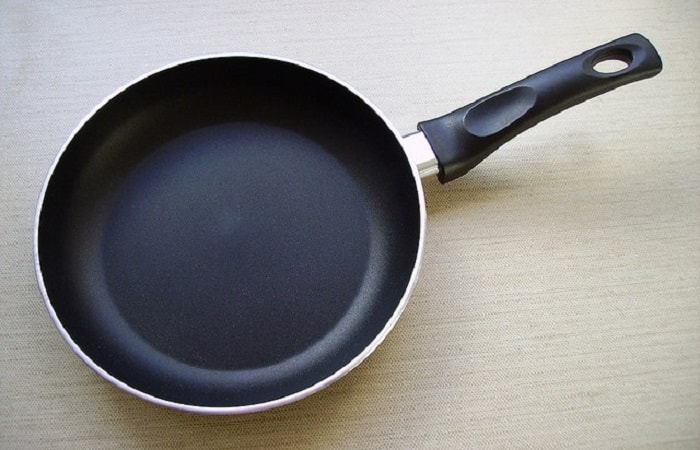
Teflon – 1937
PTFE or Teflon is invented by American chemist Roy Plunket. It is not made from hydrocarbon, it is produced by adding fluorine to carbon and is generally used in making frying pans.
Polypropylene – 1954
This durable plastic is resistant to many solvents and acids. It has a wide range of uses for medicinal chemistry, from packaging to bottles.

Kevlar – 1966
American chemist Stephanie Kwolek produces heat-resistant fibers from liquid hydrocarbons. These fibers can be knitted to produce materials such as Kevlar.

CNRP – 1991
Japanese physicist Sumio Iijima rounds carbon molecules as nanotubes. These harden the plastic to produce hard and light CNRP.