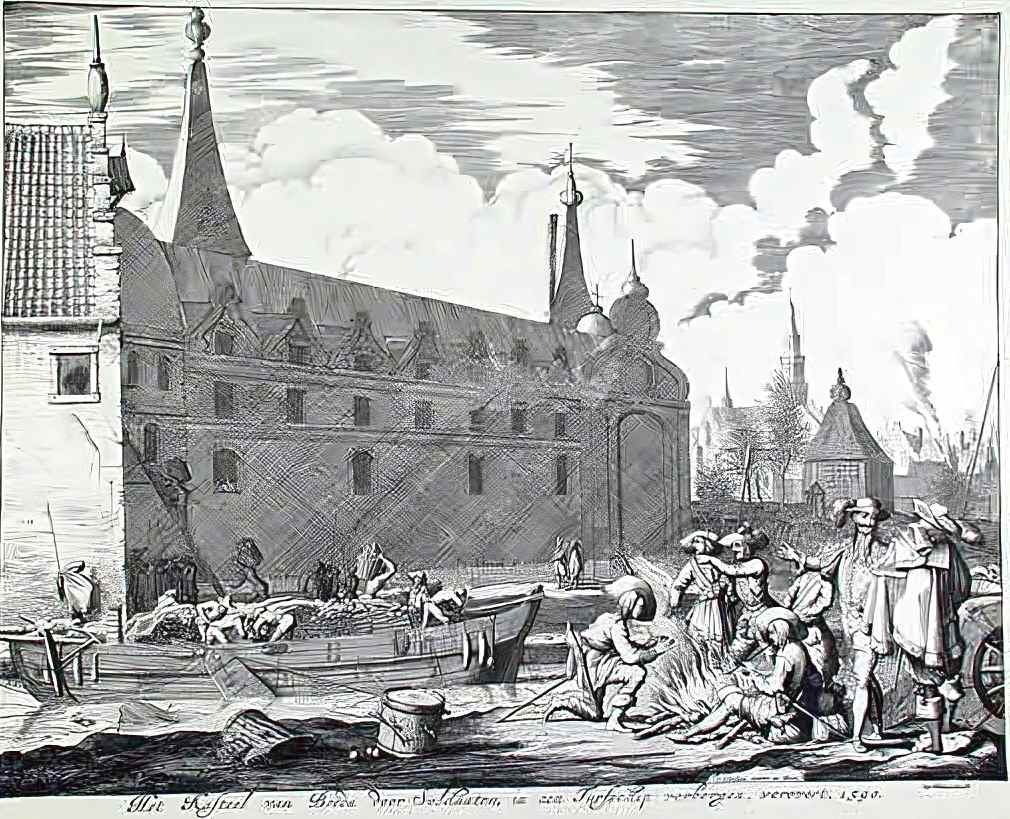
Jan Luyken (or Johannes Luiken; April 16, 1649–April 5, 1712) was a Dutch poet, illustrator, history painter, and engraver, active during the time period known as the United Provinces of the Netherlands. Jan Luyken made engravings for many popular books and works, including the engraving of a peat boat the Dutch used to fool the Spanish into giving up Breda in 1590.
Biography of Jan Luyken
His German immigrant father, Caspar Luyken the Elder, was a Mennonite (Anabaptist) school teacher. Jan was a passionate young guy who took painter Martin Zaagmolen’s classes. Even though Zaagmolen wasn’t a talented painter, he was a well-respected educator. Jan had an open admiration for attractive ladies.
At 26 years old, Jan Luyken had a profound religious experience that moved him to write moralistic poetry. Married to Maria de Oudens from the city of The Hague in 1672, Jan named his first son Caspar Luyken (1672–1708), whom he trained in engraving.
They specialized in producing devotional works depicting religious and historical topics. Between 1669 and 1712, Jan Luyken was engaged in Amsterdam, and between 1699 and 1705, he was also in the city of Haarlem.
His Engravings
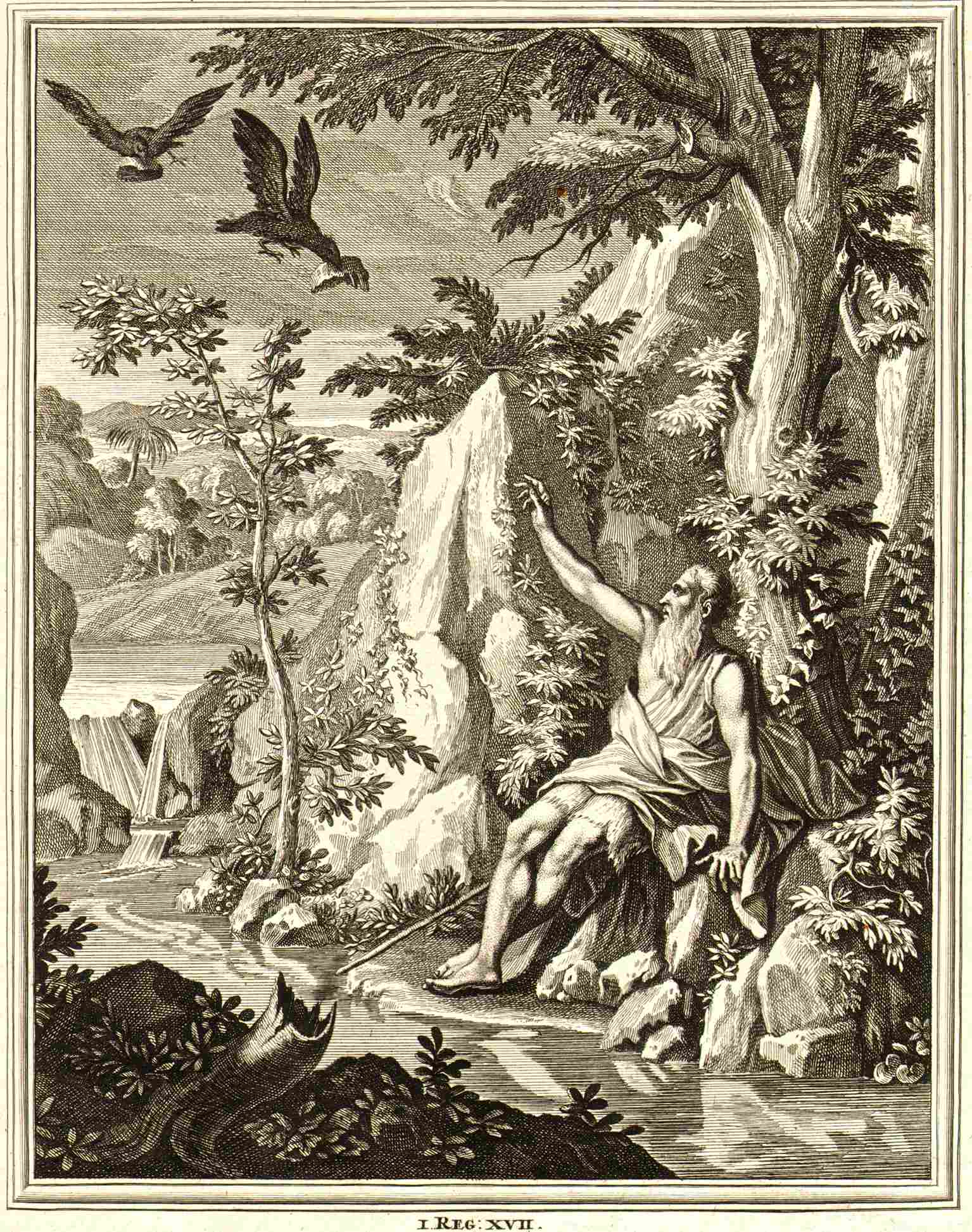
The majority of Luyken’s output was devoted to book illustration. Outside of Amsterdam, Luyken has worked for a wide variety of publishing firms. Many museums in the Netherlands now claim to have his engravings on display, which are believed to be 3,000 in total.
Famously, he contributed 104 copper etchings to the 1685 edition of the Martyrs Mirror, written by Thieleman J. van Braght. The Martyrs Mirror Exhibit by the Kauffman Museum showcased 31 of these plaques that are still in existence.
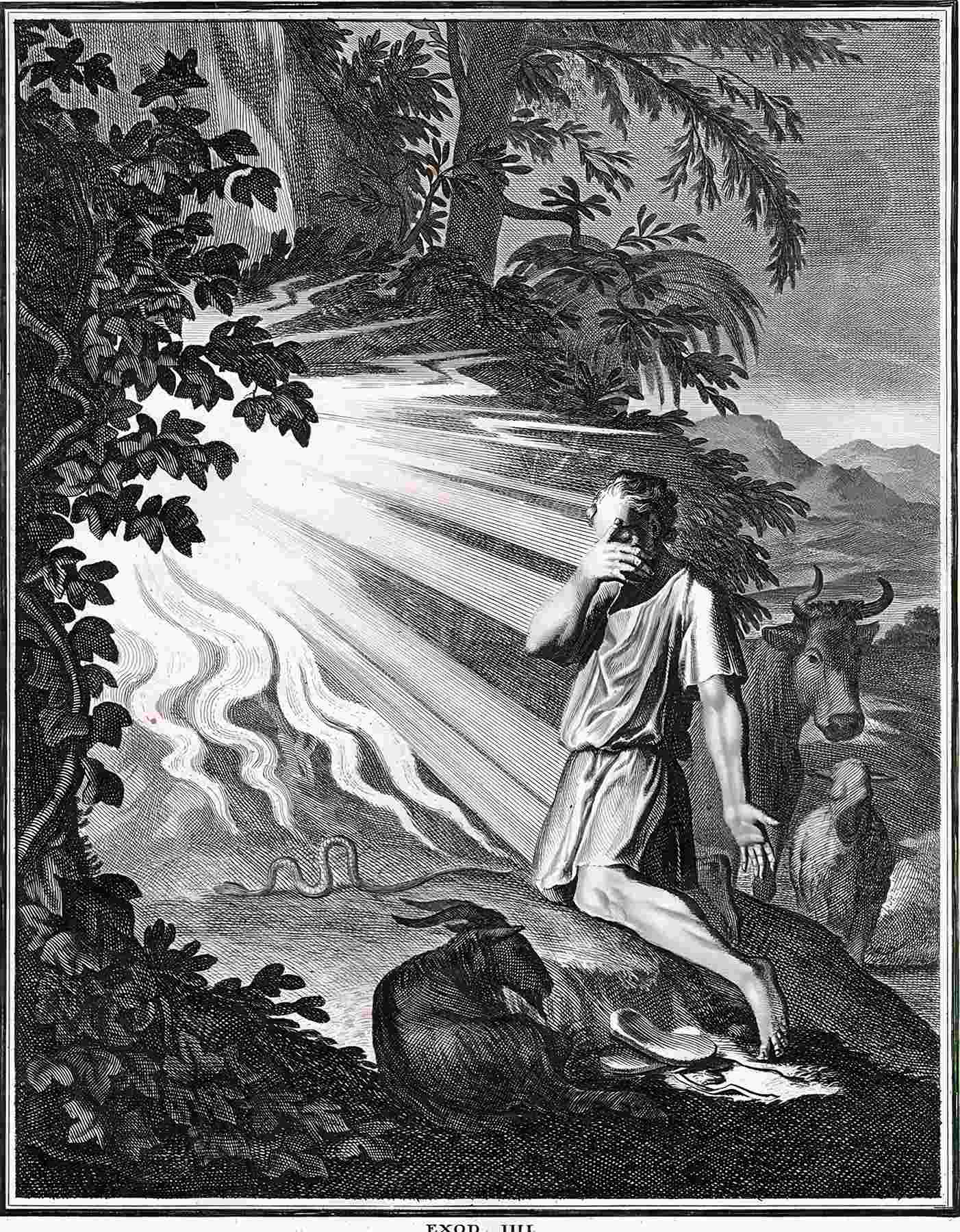
In 1694, Jan and his son Caspar released “The Book of Trades“, which is filled with engravings depicting various 17th-century commercial activities. And they were the brains behind a slew of engravings on topics like The Religious Persecution, The Plagues of Egypt, and The Last Judgment.
His Literary Life
In addition to engraving, Jan Luyken had a highly productive literary life. In 1671, he released Duitse Lier, his first novel. This book also contains poems he wrote about his affair with Maria de Oudens.
After some time, Jan decided to become a part of the Mennonite group based in Beverwijk. His interest in Christian mysticism led him to associate with the Gichtelianer, whose goal was spiritual union with Jesus in the form of the heavenly Sophia (Gnosticism).
They became a group of critics of the church who had been banished from Regensburg in 1665 and had since settled in Amsterdam.
In 1678, Jan Luyken released a collection of verses he had written that explored mysticism and pantheism. The Doopsgezinde Bundel, the hymnal of the Dutch Mennonite Church, has several of his poems. Jan provided the original figurative images for each of these publications.
There were five children born to Jan Luyken and Maria de Oudens, but four of them passed away at a young age. Caspar, the firstborn, was the only child to make it. There are 36 documented collaborations between him and his father.
Posterity
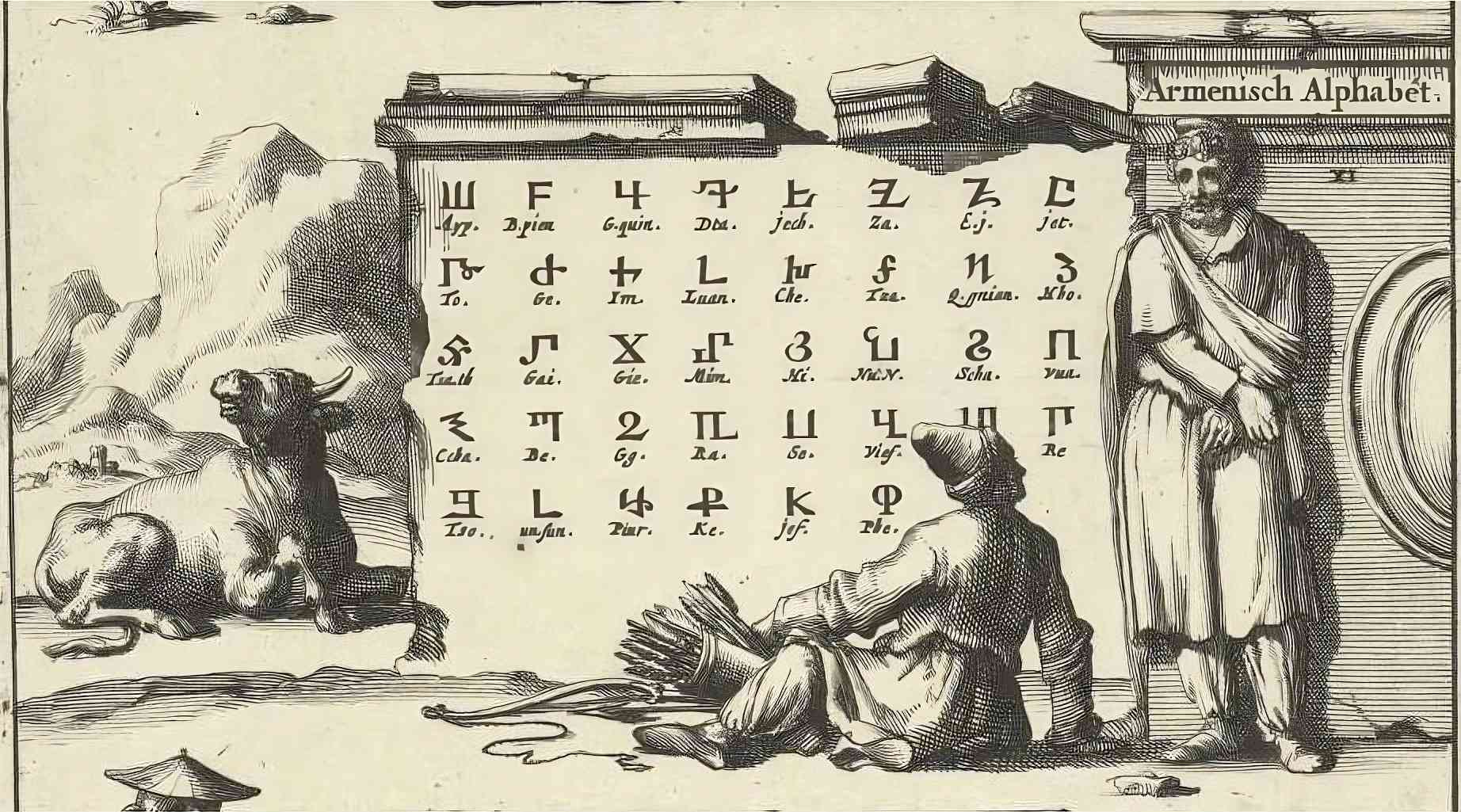
Cross allusions
Engravings of The Religious Persecutions by Jan Luyken adorn the walls of the home of Joris-Karl Huysmans’ antihero Jean Des Esseintes in the 1884 novel À Rebours (‘Against Nature’).
What he calls “appalling engravings containing all the tortures that the madness of religion could conceive” is an apt remark by Jean Des Esseintes about the engravings.
His visual renderings and his ability to rebuild past eras and locations fascinate Des Esseintes.
Acknowledgment
Jan Luijkenstraat (‘Jan Luyken Street’) is the name of one of the streets in Amsterdam’s historic district that honors prominent painters from the city’s Golden Age (‘Dutch Golden Age’). The Rijksmuseum, one of the first buildings on the street, is the museum where you can find the greatest concentration of Luyken’s works.
In the first half of the 19th century, Pietists (of Lutheranism) received his devotional lyrics very favorably. The “reformers” of the early 20th century also showed an affinity for Luykenian works.
Some of Jan’s illustrated books were published in the 20th century, while others were reissued three to seven times before the 18th century. Chinese porcelain featuring his religious themes was widely distributed throughout Europe in the middle of the 18th century.
A traveling exhibition called “Martyrs Mirror” has been showing the 30 surviving copper plates of Jan Luyken since 1990 around North America, where there is a sizable Anabaptist population. The exhibition has visited more than 20 US states and five Canadian provinces.
Works
Pictorial work
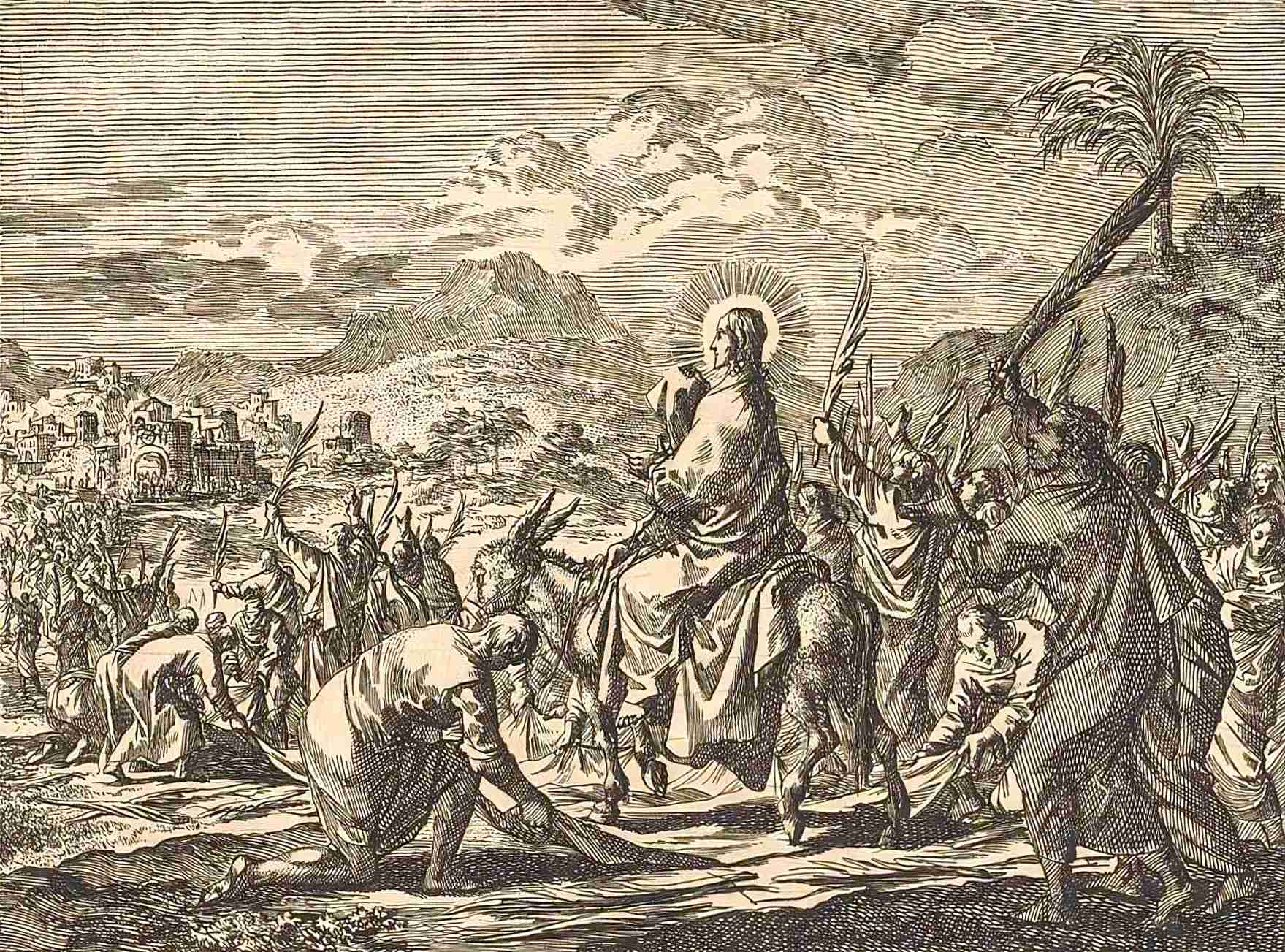
- The Entry of Christ into Jerusalem, pen and wash drawing on black chalk.
- Revocation of the Edict of Nantes by Louis XIV, print, 1685, National Library of France.
- Emblem: flood, illustration, Nuremberg, 1695–1705.
- Theater of martyrs from the death of J. Christ to the present, a book with 116 copper-engraved plates by Jan Luyken, 1700, Museum of the History of Justice, Crimes and Punishments.
- Christ heals the sick at the pool in Bethesda, engraving, Lacma.
- Nocturnal street scene, chalk, pen, ink, and wash.
- Death of Turenne at Salzbach on July 27, 1675, print, Museum of the Palace of Versailles.
- Royal alms, ink, attributed to Jan Luyken, Palais des Beaux-Arts de Lille.
- Famille rose, Chinese porcelain figurine of a Dutch woman, British Museum.
Literary work
- Duytse lier, collection of poetry, 1671.
- Jezus en de Ziel, book of emblems, Amsterdam, 1678.
- Voncken der lief de Jesu, 50 engravings with biblical quotations and moral poems, Amsterdam, 1687.
- Goddelyke liefdevlammen, 1691.
- Het Menselyk Bedryf (“The Book of Trades”), collection of engravings representing arts and crafts, with Caspar Luyken, 1694.
- Luff in oordeel van de werken der barmhartigheid, 1695.
- Treur-Toonneel Der Doorluchtige Mannen by Lambert van den Bosch, 3 volumes, Amsterdam, Jan ten Hoorn, 1698, contains 24 etchings illustrating the tragic death of different personalities.
- Beschouwing der Wereld, 1708, Amsterdam, Kornelis Vander.
- From zedelyke to stichtelyke gezangen, 1709, Amsterdam, Kornelis Vander.
- From Onwaardige Wereld, 1710, Amsterdam, Kornelis Vander.
- De Bykorf des Gemoeds, 1711, collection of moral poems, Amsterdam, P. Arntz and K. Vander.
- Het leerzaam huisraad, 1711, Amsterdam, Kornelis Vander.
Posthumously:
- Des menschen begin, midden en einde, 1712.
- Schriftuurlyke geschiedenissen, 1712.
- Geestelyke brieven, 1714.
- Verzaameling van eenige geestelyke brieven, 1741.
- Het overvloeijend herte, 1767.
References
- Goddelyke liefde-vlammen, of vervolg van Jesus en de ziele: handelende van by Jan Luyken, C. P. Biens.
- Treur-toonneel der doorluchtige mannen, of op- en ondergang der grooten illustrated by Jan Luyken.
- Intocht van Christus in Jeruzalem – Luyken, Jan — Google Arts & Culture
- Chinese porcelain figurine of a Dutch woman – Britishmuseum.org