Perched on the right bank of the wide estuary where the Southern Bug and Dnieper rivers empty into the northern Black Sea—roughly twenty miles south of the modern Ukrainian city of Mykolaiv—lie the sprawling ruins of Pontic Olbia. Founded by Greek colonists from Asia Minor during the Archaic period and thriving for nearly a thousand years until the fourth century AD, this walled metropolis was named Olbia (“Happy” or “Prosperous”) by its inhabitants. Standing on the remote northern frontier of the classical world, Olbia served as the vital economic and cultural gateway where Mediterranean Greek civilization met the nomadic Scythian warriors of the Eurasian steppe.
Milesian Colonization and the Breadbasket of the North
During the late seventh century BC (circa 647 to 590 BC), the wealthy Ionian Greek port city of Miletus on the western coast of Anatolia launched dozens of maritime expeditions across the Black Sea—which the Greeks transformed from the Pontos Axeinos (“Inhospitable Sea”) into the Pontos Euxeinos (“Hospitable Sea”). After establishing an initial staging settlement on the tiny nearby island of Berezan, Milesian settlers moved onto the mainland cliff overlooking the Bug-Dnieper estuary (anciently called the Hypanis and Borysthenes rivers) to found Olbia.
The location was a stroke of commercial genius. Behind the coastal cliffs stretched the rich black-earth river valleys and steppes of modern Ukraine, capable of producing vast surpluses of wheat, dried sturgeon fish, honey, wax, cattle hides, and timber. Simultaneously, the city’s deep sheltered harbor allowed Athenian and Ionian merchant ships to unload prized Mediterranean luxury goods—olive oil, fine black-figure and red-figure Attic pottery, Chian and Thasian wines in amphorae, and exquisitely worked gold jewelry—to trade directly with the interior tribes.
Dolphin Coins, Apollo Delphinios, and Scythian Neighbors
Excavations of Olbia’s triangular layout—divided into an Upper City housing the acropolis, temples, and stone Agora, a terraced slope, and a flooded Lower City beside the docks—revealed a remarkably sophisticated urban life featuring paved streets, underground terracotta water pipes, a gymnasium, a theater, and two major sacred precincts (temene) dedicated to Apollo Delphinios and Apollo Ietros (“Apollo the Healer”).

One of Olbia’s most fascinating archaeological signatures was its unique early currency. Long before the city struck standard round coins, sixth- and fifth-century BC bronze foundries in Olbia cast thousands of small, three-dimensional bronze coins shaped like leaping dolphins—sacred to Apollo Delphinios and abundant in the Black Sea estuary—inscribed with the Greek letters APIX or THY. Held in the palm or strung on cords, these charming dolphin tokens circulated across the northern Black Sea alongside giant cast bronze wheels.
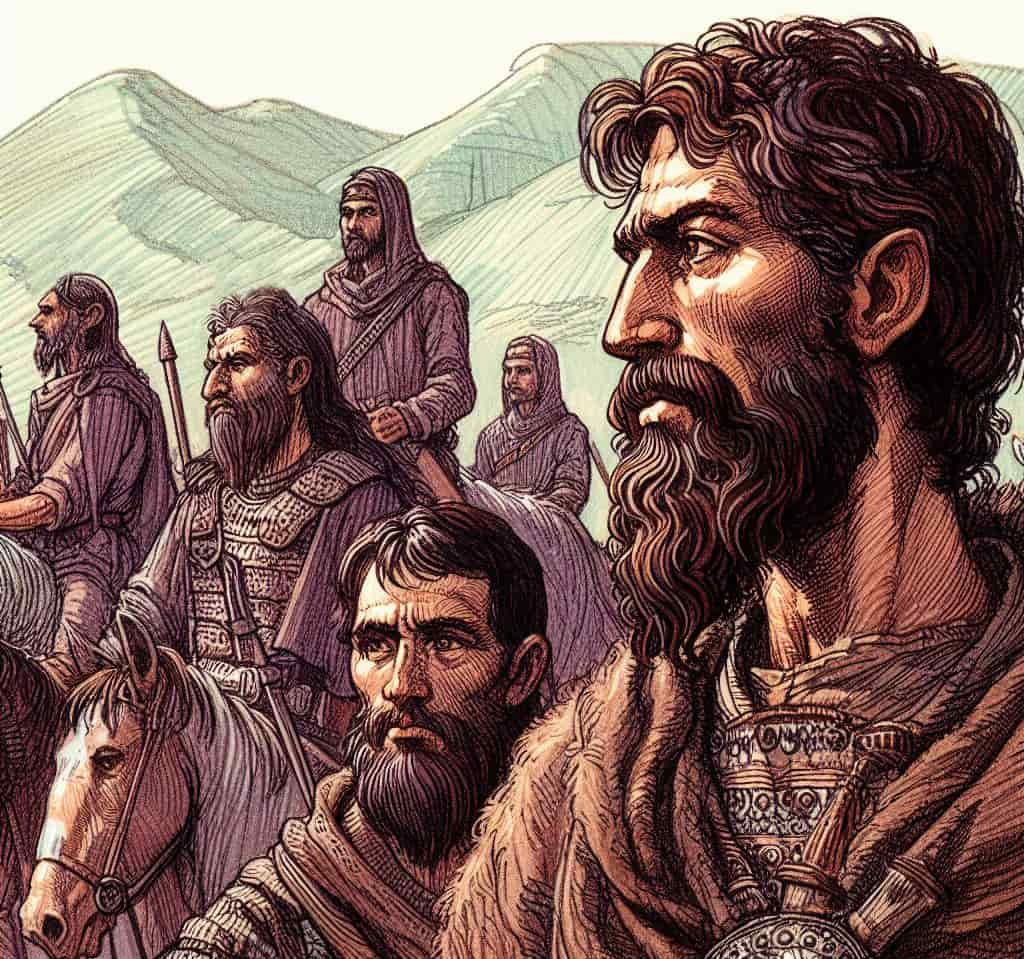
Even more intriguing was Olbia’s delicate relationship with the surrounding royal Scythians, vividly documented by the Greek historian Herodotus, who personally visited Olbia in the fifth century BC. While the citizens of Olbia fiercely guarded their pure Greek language, athletic games, and democratic assemblies, the Scythian steppe kings craved Greek wine and goldsmithing yet despised foreign religious customs. Herodotus recounted the tragic story of the Scythian King Skyles, whose mother came from a neighboring Greek colony: Skyles secretly built a lavish marble mansion coated with carved griffins and sphinxes right inside the walls of Olbia. Whenever Skyles brought his nomadic army to the city gates, he left his horsemen outside in the steppe, slipped through the gate alone, took off his Scythian trousers, put on a Greek tunic, and spent a month walking the streets of Olbia as a refined Greek gentleman and initiate in the cult of Dionysus—until Scythian spies peeked over a city tower, saw their king dancing in a Greek religious frenzy, and overthrew and beheaded him for betraying nomad tradition.
Surviving Zopyrion’s Siege and the Sack of Burebista
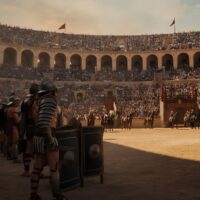
Covering fifty hectares and housing roughly fifteen thousand to twenty thousand inhabitants at its fourth-century BC peak, Olbia proved its resilience in 331 BC when Zopyrion—Alexander the Great’s Macedonian governor of Thrace—marched an army of thirty thousand men north to conquer the city. Refusing to surrender, the citizens of Olbia passed an emergency decree freeing all enslaved men in the city, granting immediate citizenship to foreign residents, and canceling all private debts so every person would fight to the death on the walls. Repelling Zopyrion’s siege engines, the Olbians watched as the retreating Macedonian army was utterly annihilated on the steppe by their Scythian allies.
Two centuries later, following relentless pressure from Sarmatian tribes, Olbia briefly accepted the protection of King Mithridates VI of Pontus before suffering a catastrophic sack around 55 BC at the hands of the Dacian-Getic King Burebista. Rebuilt on a smaller, heavily fortified scale and later garrisoned by Roman legionary detachments from Moesia during the second and third centuries AD to guard the empire’s northeastern flank, the “Happy City” finally faded into history during the Gothic and Hunnic migrations of the late fourth century AD—leaving behind over a thousand acres of ancient Greek foundations and burial mounds on the Ukrainian steppe.