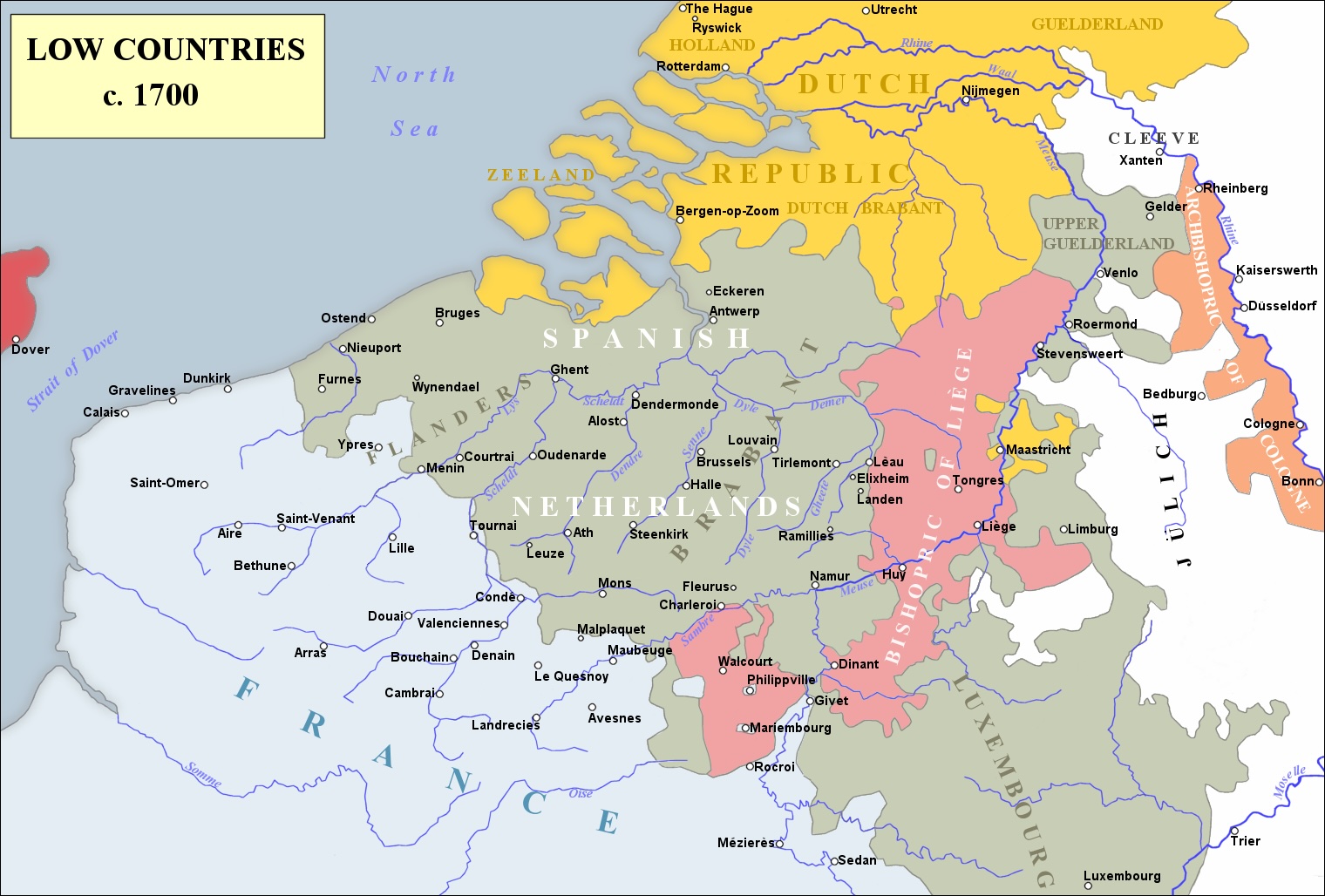
Up until the 1640s, the expanse of the Spanish Netherlands exceeded the modern-day area of Belgium. These territories were a part of the Holy Roman Empire, having a place within the Burgundian Circle, which encompassed Franche-Comté as well. Among these lands was the Duchy of Luxembourg; however, the Liège region, functioning as a neutral ecclesiastical principality, was not included. By the 17th century, the dividing line separating present-day Belgium and the Netherlands was located farther to the south compared to the boundary between the Spanish Netherlands (also referred to as the Southern Netherlands) and the United Provinces.
From the 15th century onward, the Netherlands emerged as a prominent hub of culture, nurturing diverse religious reforms and fostering the humanist wave. Erasmus of Rotterdam played a pivotal role in guiding the latter movement. Notably, Philip the Good founded the esteemed University of Leuven in the year 1425. The inception of the inaugural printing presses in Leuven in 1473 propelled the Netherlands to the forefront of European printing innovation. Due to its intricate trade networks and sizable financial reserves, Antwerp rose to become an economic center in the early 16th century.
Key Takeaways: Spanish Netherlands
- The Spanish Netherlands, also known as the Southern Netherlands, was a historical region located in the Low Countries (modern-day Belgium, Luxembourg, and parts of the Netherlands and northern France).
- The Spanish Netherlands emerged as a pivotal theater during the Eighty Years’ War (1568–1648), pitting the Spanish Habsburgs against the Dutch Republic. Ultimately, the northern provinces of the Spanish Netherlands progressed into the autonomous Dutch Republic.
- Distinguished artists such as Peter Paul Rubens, who cast an enduring influence on European artistry, hail from this region.
The Netherlands Entered into Opposition Against Spain
The Holy Roman Emperor Charles V, also known as King Charles I of Spain, who was born in Ghent (present-day Belgium), demonstrated strong determination against the Protestant “heresy” that was gaining ground in the Netherlands in the 1520s. His fight for Christian unity was, in fact, a struggle to maintain cohesion among the scattered Habsburg possessions.
This battle against heretics served in the construction of a centralized modern state, granting the right to intervene in religious matters. Anti-Protestant laws against “Placards” (anti-Catholic posters) were issued between 1520 and 1550. In 1555, Charles V abdicated his claims to the Netherlands and Spain in favor of his son, Philip II of Spain.
The emperor had always been attuned to the social developments in the Netherlands; he spent his youth there and was fluent in Dutch, French, and Spanish.
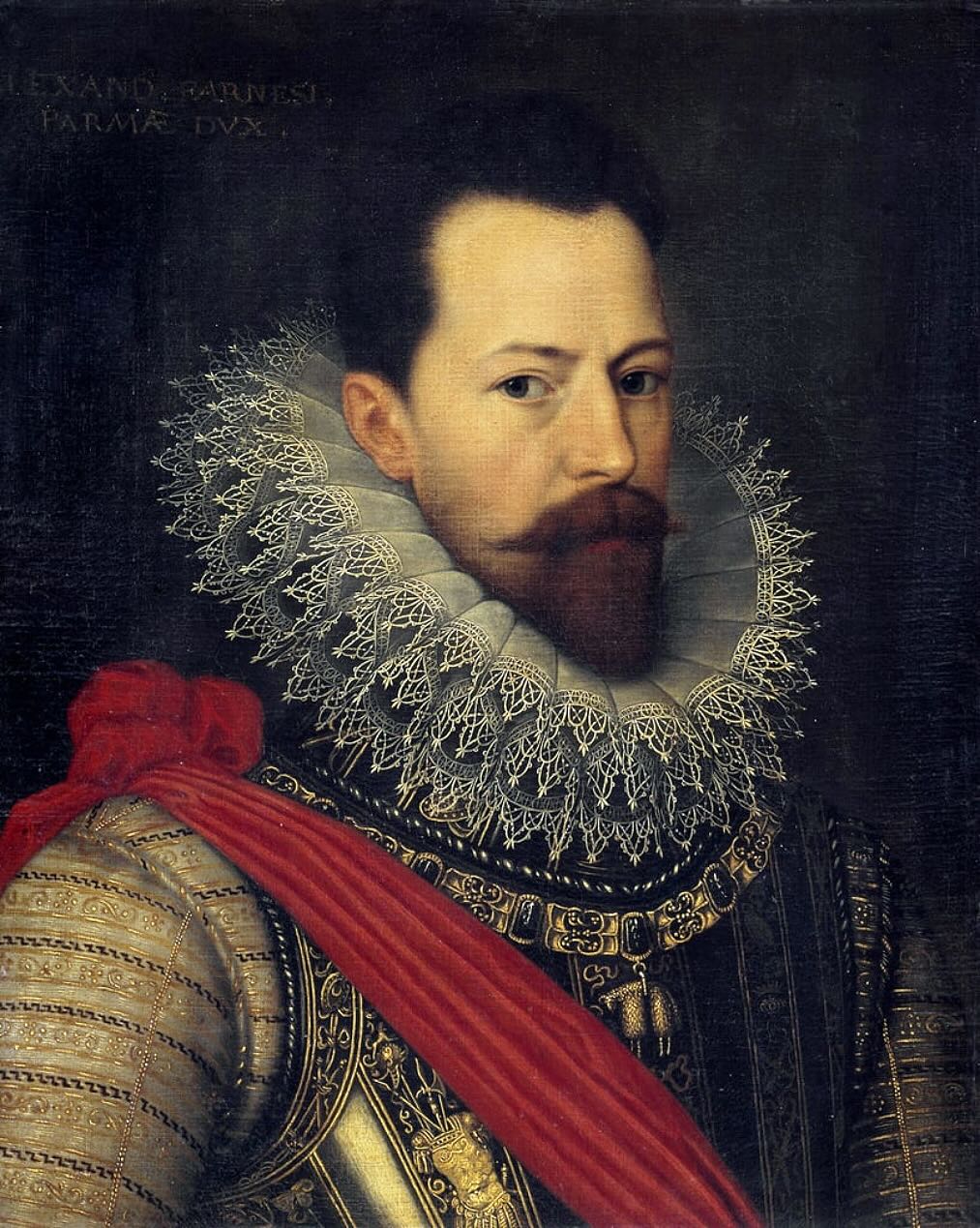
Philip II grew up in Spain and spoke only Spanish. Under his rule, increased taxation, the fight against Calvinism, and a policy of centralization led to numerous tensions with the population of the Netherlands. Philip II offered several representatives of the Dutch nobility a role in the States General, the assembly governing the seventeen provinces of the Netherlands.
He appointed his half-sister, Margaret of Parma, born in the Netherlands and fluent in Dutch, as the governor. By 1558, the parliament opposed Philip II’s demands by refusing to approve new taxes and demanding the withdrawal of the Spanish army.
The dioceses of the seventeen provinces of the Netherlands, inherited from the Middle Ages, no longer corresponded to geographical realities and administrative needs. The creation of new dioceses, a demand that had persisted for decades, was finally approved in May 1559, but it was decided outside the Netherlands without consulting local religious organizations.
The population grew concerned about the rise of Catholic religious absolutism and the strengthening of the Inquisition, which had been officially introduced in 1524. Protestant protests multiplied across the country, and in 1566, a delegation of noble members presented a petition to Margaret of Parma, urging her to halt religious persecutions.
This signaled the start of the “Beggars’ Revolt (Geuzen),” and Calvinist-led iconoclastic riots wreaked havoc on religious structures throughout the Netherlands.
The Breakup and the Birth of the United Provinces of the Netherlands
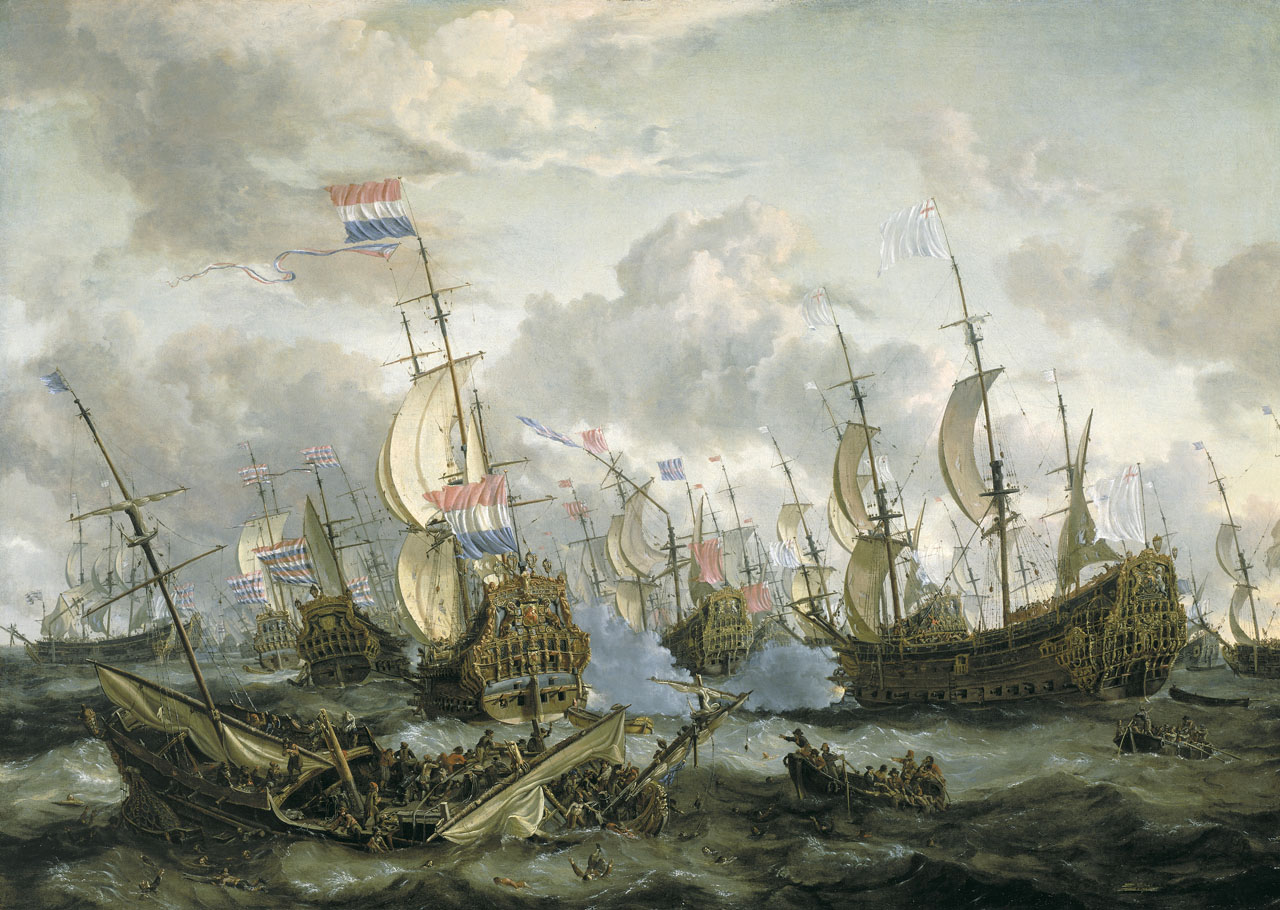
Philip II’s grip on the northern regions slipped, prompting him to dispatch his military to quell the uprising. By August of 1567, the Duke of Alba had marched into Brussels, leading a formidable force of ten thousand soldiers. He established the Council of Troubles, tasked with adjudicating all those who defied the authority of the Spanish Crown.
Commencing in 1568, William of Orange embarked on a resolute policy of resistance, culminating in the Union of Arras on January 6, 1579. This pact brought the southern provinces of the Netherlands under Philip II’s dominion. In response, the seven northern provinces—Holland, Zeeland, Gelderland, Friesland, Utrecht, Overijssel, and Groningen—retorted on January 23, 1579, forging the Union of Utrecht.
By 1581, the seven predominantly Protestant provinces asserted their autonomy via the Act of Abjuration, effectively declaring independence and establishing themselves as the United Provinces.
Conversely, the ten Catholic southern provinces remained under the sway of the Spanish Crown and morphed into the Spanish Netherlands. These territories, tethered to the Spanish monarchy, resisted assimilation into Iberian Spain due to their geographic separation by the expanse of the Kingdom of France.
Bearing the legacy of the Habsburgs’ Burgundian heritage, they exhibited a distinctive political and legal identity. A strong commitment to provincial and municipal privileges as well as ingrained self-governance traditions made this uniqueness abundantly clear.
To assert his authority, Philip II had to grapple with the political ethos of these former Burgundian domains, where a profound reverence for provincial and urban rights intertwines with deeply entrenched habits of autonomy.
A Short-Lived Period of Prosperity
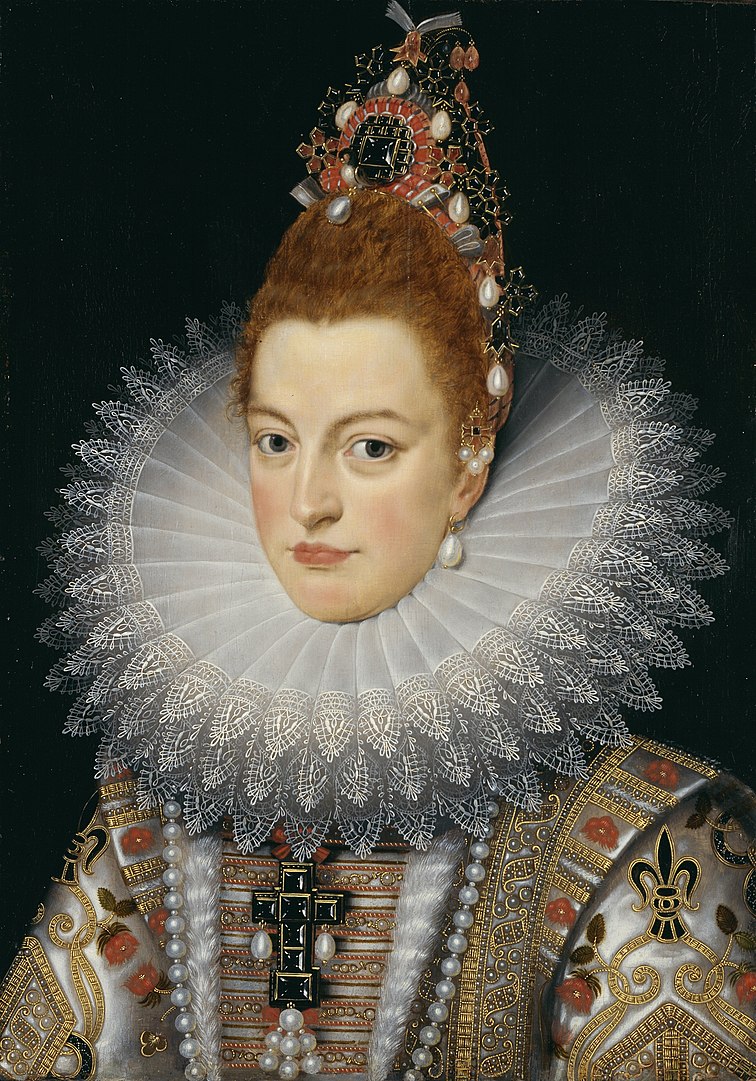
The Netherlands experienced a notably prosperous era referred to as the “Archdukes” epoch, commencing in 1598 with the ascendancy of Infanta Isabella and Archduke Albert, who were the offspring and son-in-law of Philip II.
The sway of the Spanish continued to hold significant influence until the demise of Archduke Albert in 1621. This dominance was owed to the formidable Flemish military and the strategic geographical positioning of the Netherlands. The Archdukes asserted their authority as independent sovereigns, garnering international recognition for their rule.
In 1621, Infanta Isabella assumed the role of the Netherlands’ governess; however, her authority waned due to the resurgence of conflict with the United Provinces. Subsequent governors followed in succession in Brussels until the passing of the final Spanish Habsburg in 1700.
Their primary task was to uphold the Spanish king’s dominion, even as his financial and military backing progressively dwindled. Additionally, they had to navigate the influential counterforces posed by the nation’s elites: the cities, the influential clergy, and the nobility, who wielded control over governmental institutions at all tiers of the state.
The Spanish Netherlands: A Battlefield of the European Wars of the 17th Century
During the 17th century, the Spanish Netherlands were deeply entrenched in the throes of warfare. They actively participated on the European political stage, extending a warm welcome to a succession of esteemed political exiles who greatly supported the Spanish cause.
Notable figures among them included Queen Marie de Medici and her son Gaston d’Orleans, Duke Charles IV of Lorraine, Queen Christina of Sweden, and the future King of England, Charles II.
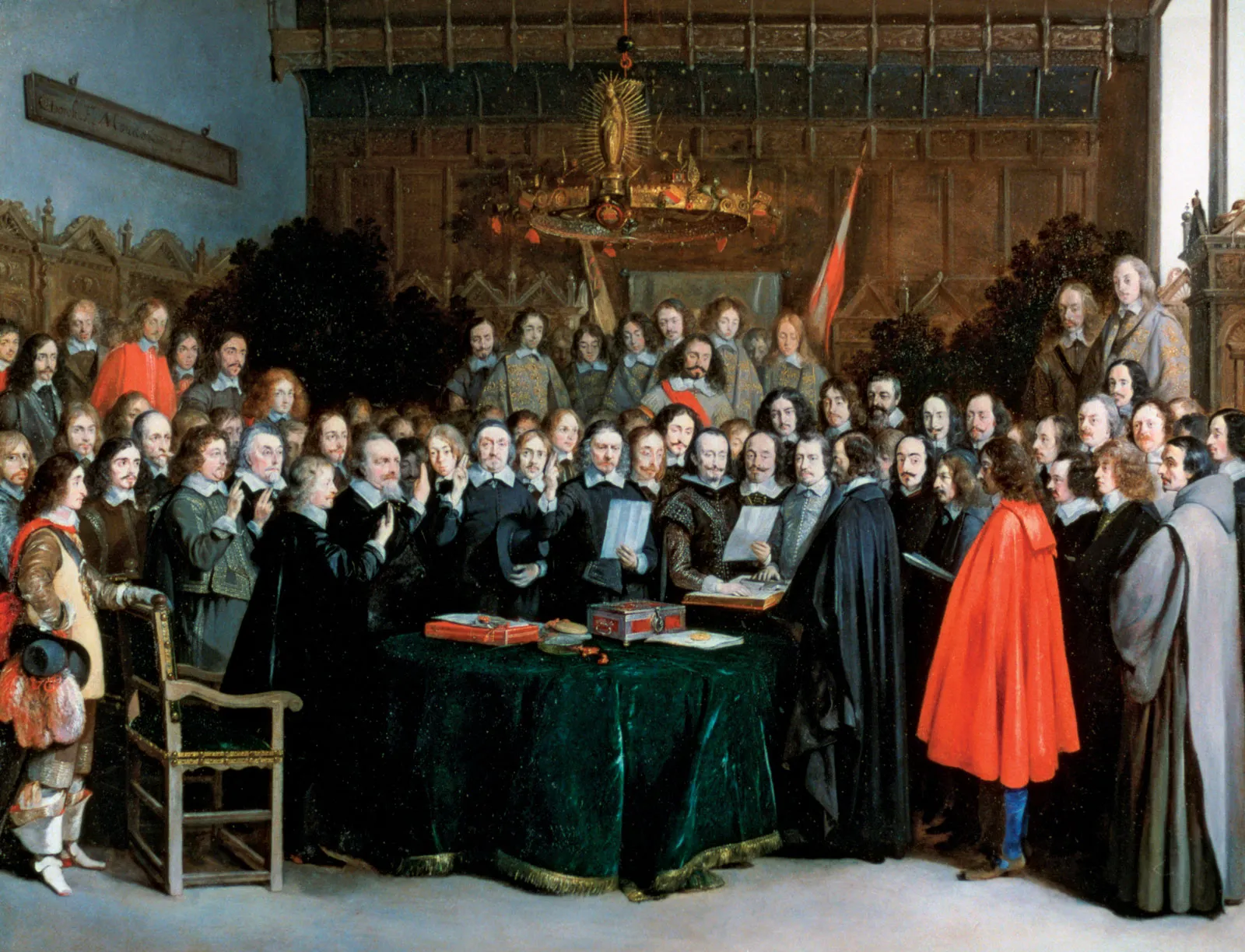
The conflict against the Dutch Republic persisted relentlessly until a twelve-year pause was reached in 1609. This hiatus concluded in 1621, and ultimately, in 1648, the Peace of Westphalia was established.
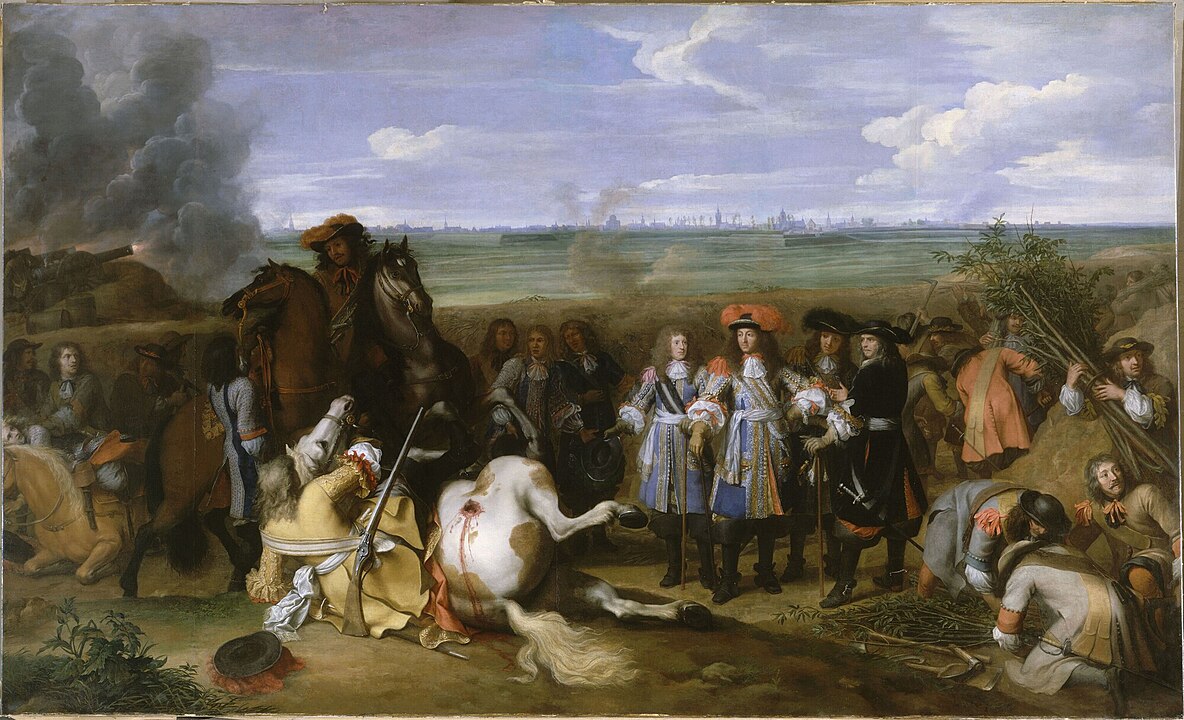
Between the 1640s and 1650s, the Dutch emerged as staunch allies, pivotal to the survival of the Spanish Netherlands. Their concerns revolved around the aspirations of the French King, whom they were apprehensive about having as their neighbor.
The capture of Arras in 1640 by Louis XIII and Cardinal Richelieu marked a pivotal juncture, but the era of Fronde (from 1648 to 1653) enabled Philip IV of Spain’s monarchy to reclaim Dunkirk and Barcelona.
The definitive clash unfolded near Dunkirk in 1658, where the French, in alliance with Cromwell’s English forces, achieved victory over a combined army of Spanish and royalist English troops. The Treaty of the Pyrenees in 1659 forestalled the Turenne-led French army from annexing the Spanish Netherlands.
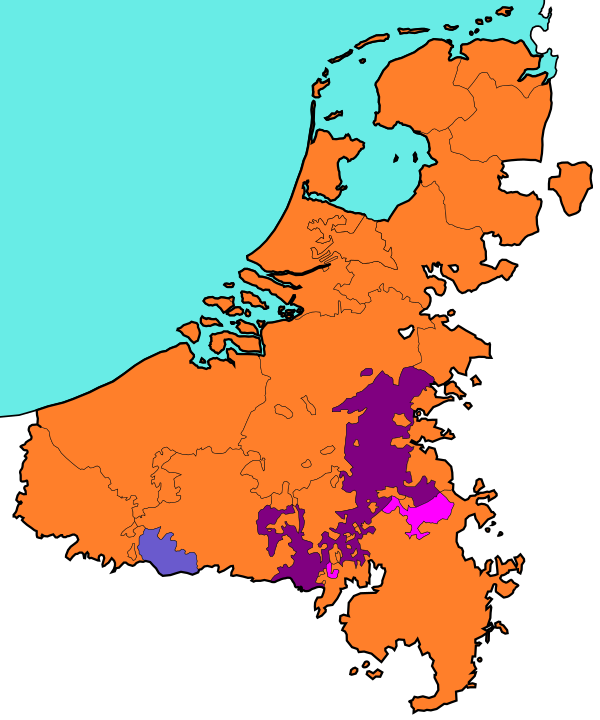
In 1662, Louis XIV reacquired Dunkirk from the English prior to initiating the Wars of Devolution (1667-1668) and subsequently the Franco-Dutch War (1672-1678). These conflicts resulted in a substantial one-third territorial loss for the Spanish Netherlands.
The region became a focal point for intermittent conflicts and a theater of operations for the armed forces of prominent European nations. Following the culmination of the War of the Spanish Succession in 1713, the Spanish Netherlands transitioned into Austrian ownership.