A vambrace was a personal protective gear of the Middle Ages, part of an armor that protected the hands from the wrists to the elbows. The most basic, first vambraces belonged to the splint armor. Just like the armor, it had metal plates fixed to a leather or cloth foundation. The earliest vambrace was discovered in a Scythian (a proto-Turkic tribe) grave from the 4th century BC.
Construction
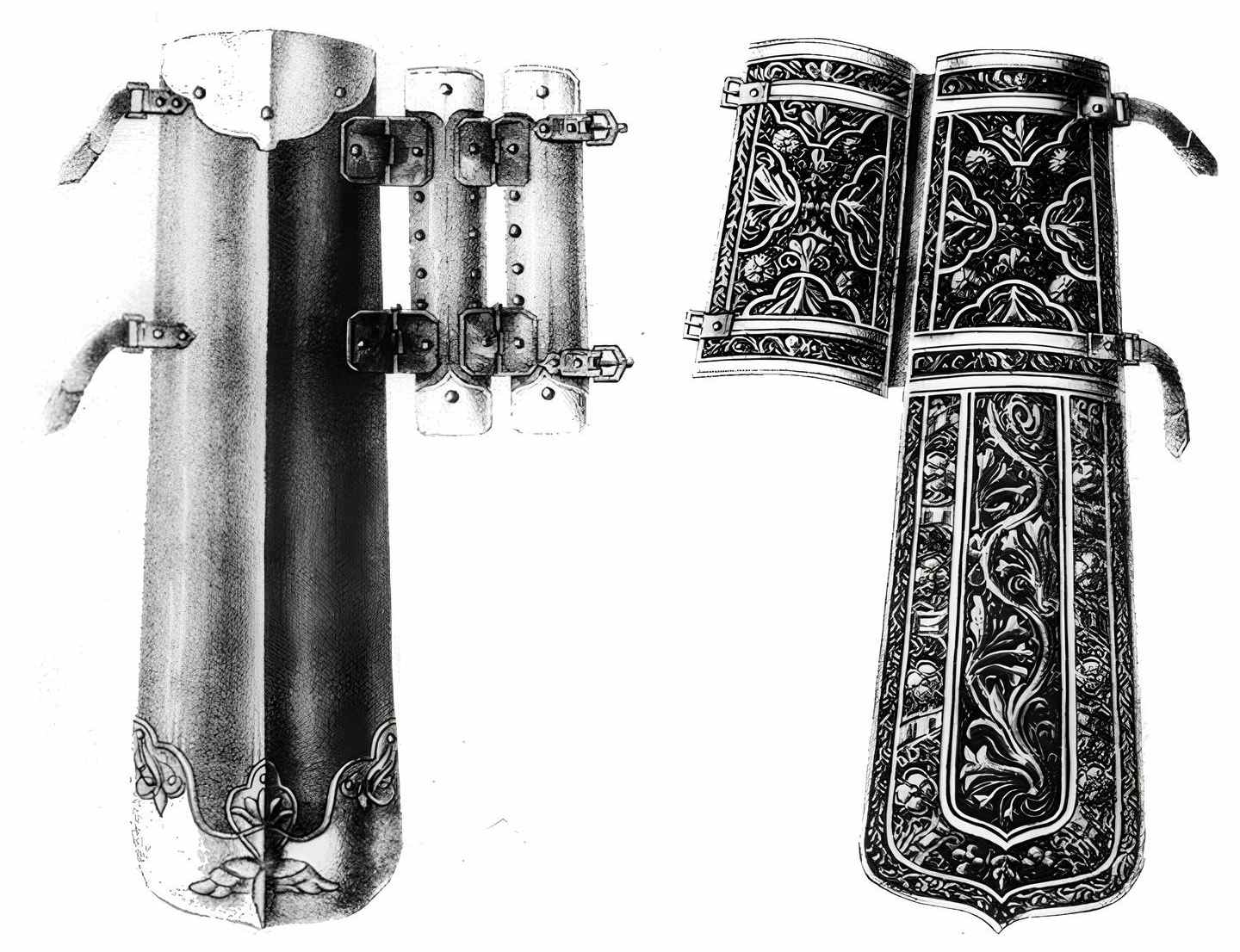
Vambraces (or “forearm guards”) were made of leather, iron, and copper, similar to the other protective medieval gears like the breastplate, elbow guard, bracer, gauntlet, and poleyn (knee guard).
The full-metal vambraces, said to have originated in West Asia, eventually superseded the splint armor variant. The tubular vambraces were the most advanced of all.
The elbow (upper) and forearm (lower) plates of such a version were quite curved. These two plates could be fastened together using straps and buckles.

Vambrace vs. Bracer
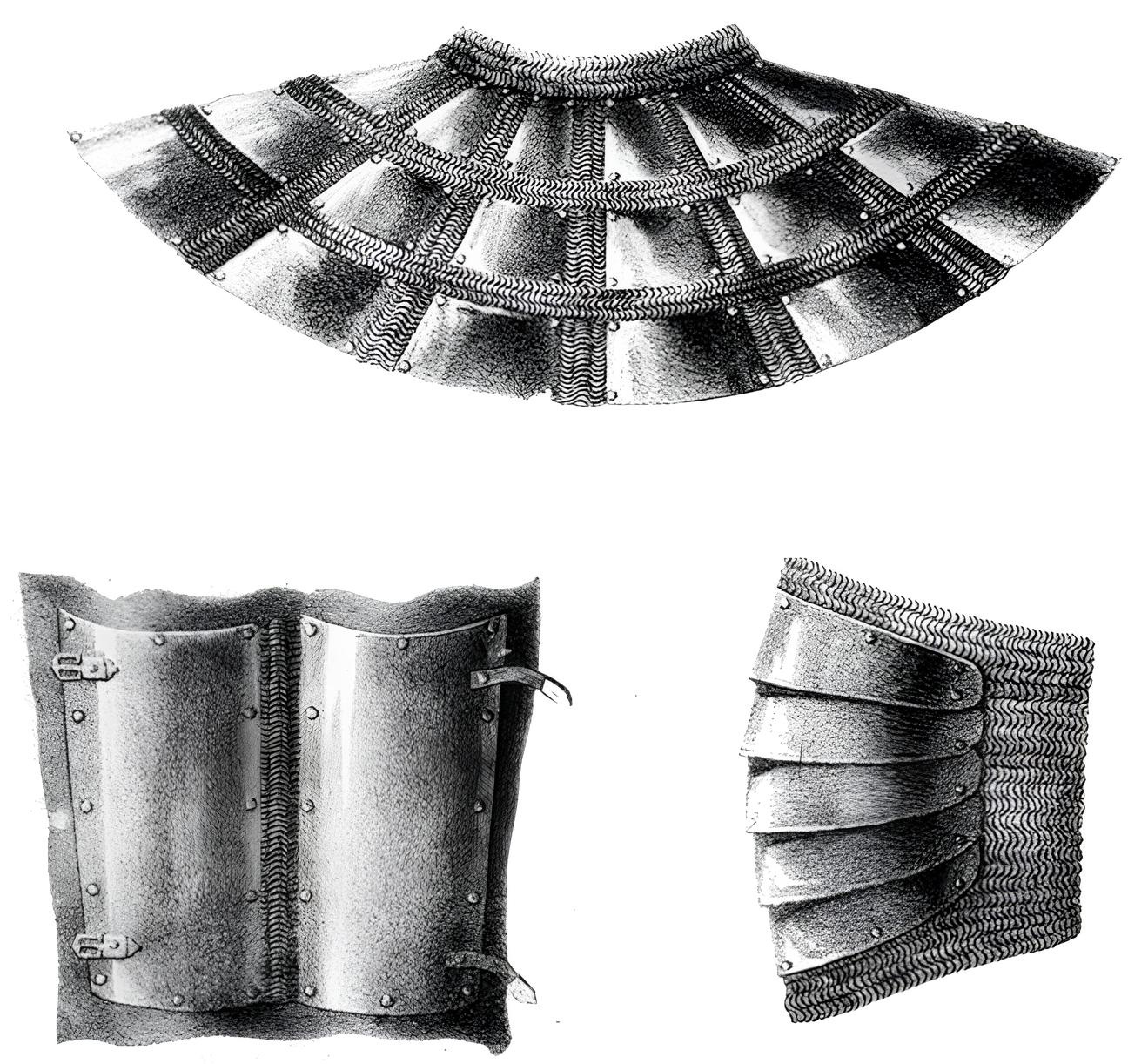
- The word “vambrace” (also known as “lower cannons”) is used to refer to the complete “sleeve armor” whereas the portion of the armor that extends from the wrist to the elbow is referred to as just “bracer“.
History of the Vambraces
Central Asia and India
A decoration on a shield found in the remains of a small castle on Mount Mugh indicates that tubular vambraces were in use in Iran as early as the 8th century. During this time, there were battles between Turks, Chinese, Sogdians, Arabs, Khwarezmians, and Persians for control of this area.
Only during the first half of the 15th century did vambraces with familiar styles emerge. They quickly gained popularity, first in the Indian and other Islamic armies. The plates that made up these vambraces could be secured by straps and chainmail or they could be hinged.
By the 16th century, some vambraces included two or three plates that rested on the arm instead of only one. Occasionally, specimens from these areas began to have distinctive traits. Al-Ashraf Qansuh al-Ghuri’s vambraces from the 15th century appeared to be made up of two pieces of chainmail and cloth.
In 1711, Indians used vambraces consisting of iron and bronze plates with an inner plate to distribute pressure more evenly throughout the rings of chainmail. More elaborate variations, which covered the dorsal side of the hand as well as the fingers, began to vanish around the 15th century for some reason.
Western Europe
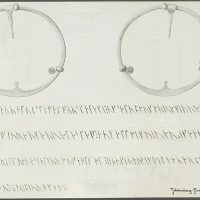
Artifacts from the Vendel Period (540–790 AD) in Swedish history have been discovered that are consistent with European strap-type vambraces.
They found usage in Kievan Rus’ as well. Probably sewed with an overlap onto a cloth base, these vambraces had a succession of long, thin, somewhat curved iron plates measuring about 12 by 0.4 inches (30 by 1 cm).
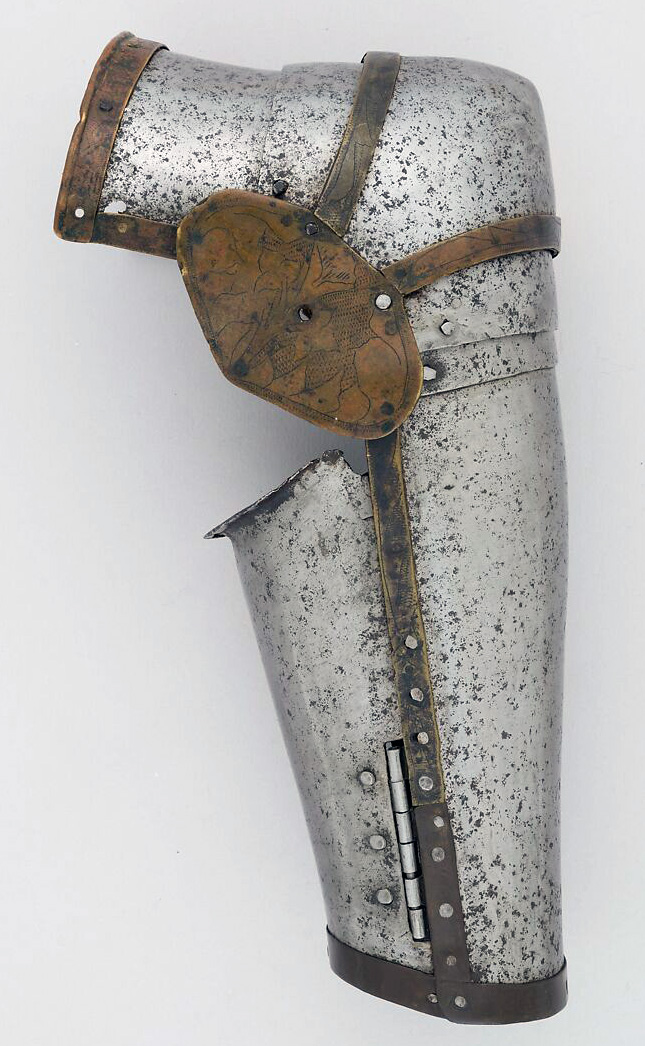
Vambraces first appeared in Europe due to an influx of ideas from the East. Arm protection plates initially emerged in the early 1200s, followed by tubular vambraces in the 1250s and 1260s, and finally hinged vambraces in the first part of the 1300s. The findings from Bornholm in Denmark are the oldest (14th-century) examples of this style to be discovered.
The use of plate armor to protect the limbs began in Europe as a result of the refinement of vambraces and greaves. The first vambraces in Europe were developed to fill the gap between the elbow guard and the plate glove, or gauntlet.
Eastern Europe
Articulated tubular vambraces with hinges were utilized as a distinct piece of armor in Eastern Europe, just as they were in West Asia. Their basic construction was similar to that of medieval Rus’ vambraces called “bazubands.”
Sometimes they were used together with a lining or chainmail gauntlets. Noblemen typically paired a mirror with their vambraces since they were a symbol of wealth and social status at the time. Their vambraces were embellished with engravings, silver, gold, and valuable stones.
They were also occasionally made out of Damascus steel. The mounted troops of Muscovite Rus’ often wore them, and with a cuirass, they were standard issue for Polish cavalrymen.
This set (cuirass and vambrace) first arrived in other European nations in the 17th century, thanks to Poland’s cultural impact. The vambrace’s extended upper half would sometimes reach beyond the wearer’s elbow for extra protection.
Russia
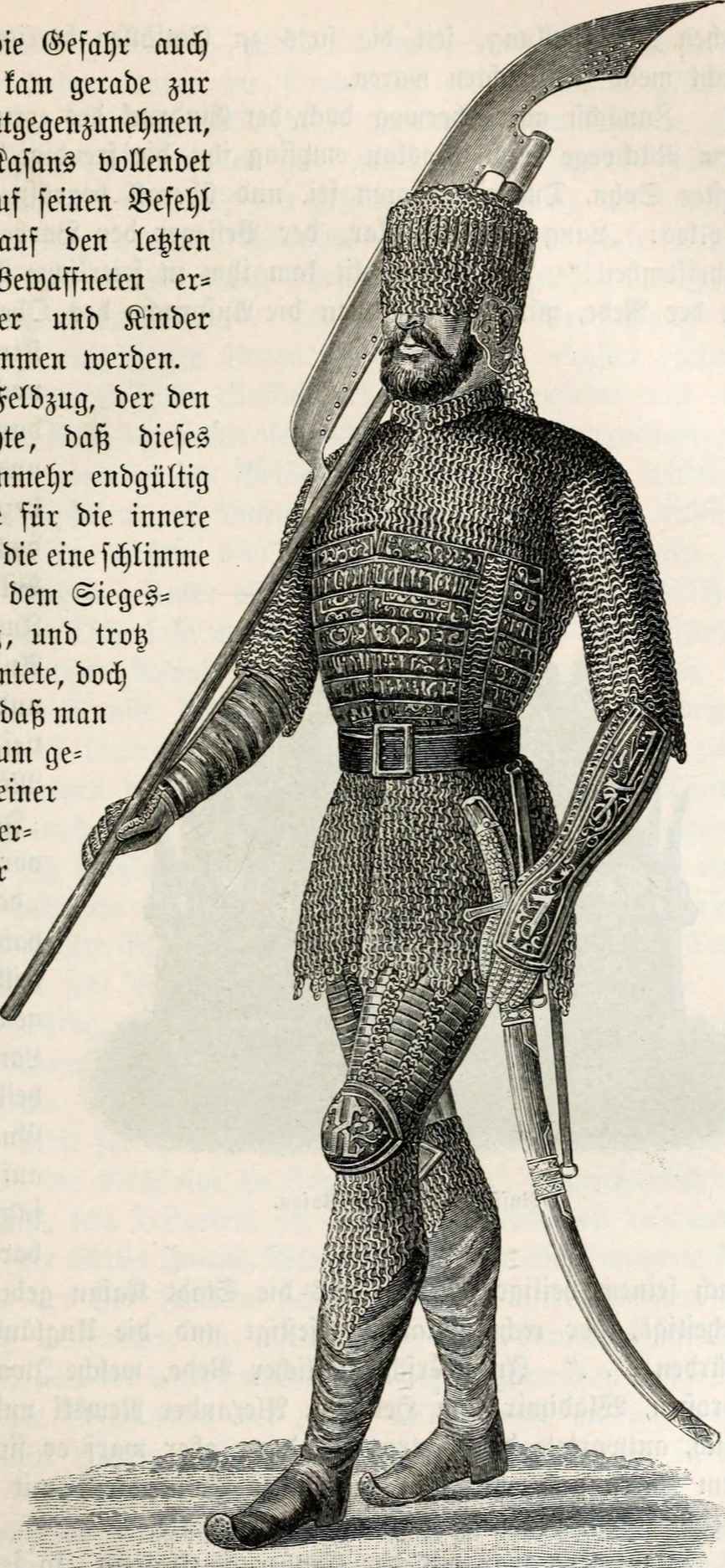
Influenced by the Turkic nations to the east, the Rus’ began using and making tubular vambraces with hinges about the year 1200. Vambraces from the Sahnovka village in the Middle Dnieper area and the Gomel area are among the archaeological artifacts that have been linked to the Mongol invasions of Kievan Rus’.
The only real difference between these and subsequent vambraces was that the latter were not curved as much. They were adorned with gold and valuable stones and were crafted from steel, red bulat steel, and iron.
China and Mongolia
Vambraces were also part of late Chinese and Mongolian defensive arsenals, also known as khuiag or kuyak. Two curved metal plates and a metal elbow guard were sewed onto cloth to form this plate armor. There were either buttons or buckles to secure them.
Japan
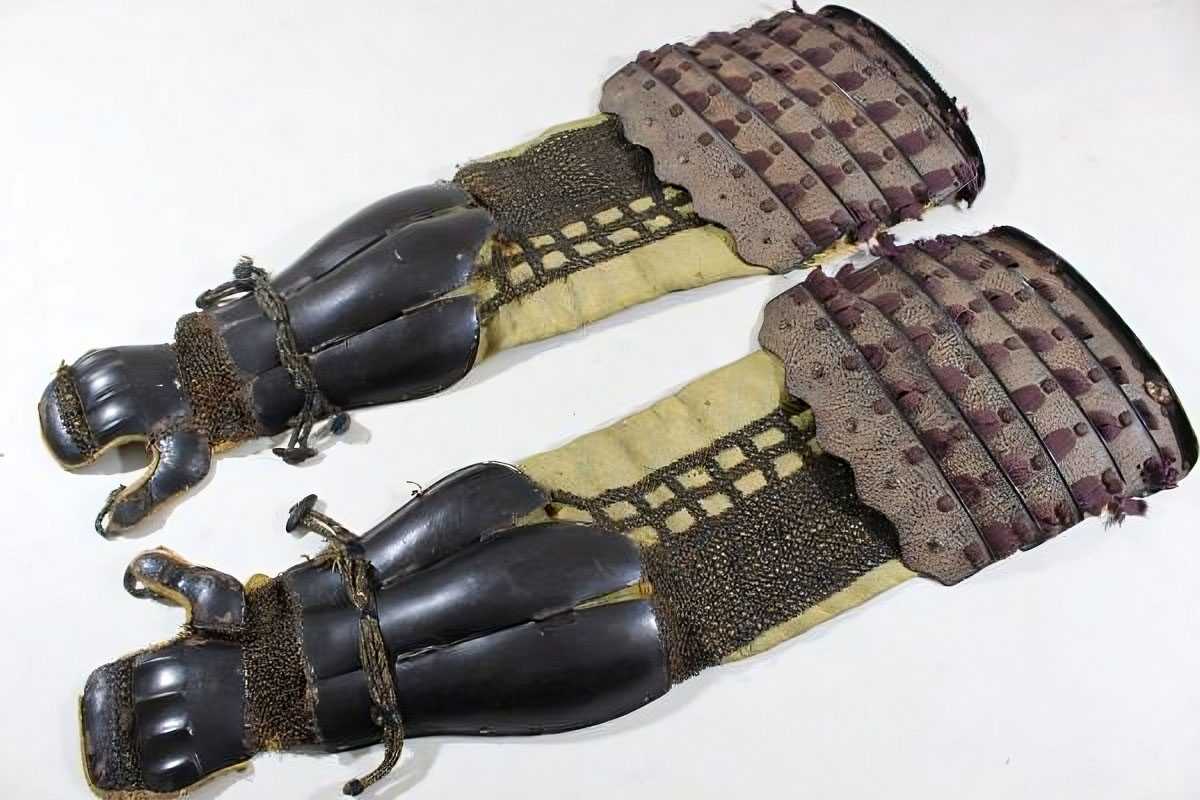
The kote (籠手, armored sleeve) vambrace, originally designed for the left hand, was first introduced in Japan in the 1200s. It was a thick fabric sleeve with connected plates that covered the back of the hand, the forearm, and the outside portion of the arm from the elbow to the wrist. The practice of covering both arms with vambraces in Japan dates back to the 13th century. Later kotes used chainmail for further protection at the elbow.
References
- Featured image: Fedor Grigoryevich Solntsev (1801–1892), Antiquities of the Russian State.
- Russian infantryman artwork: Russland, Polen und Livland bis ins 17. Jahrhundert : Schiemann, Theodor, 1847-1921 – Internet Archive
- Vambraces from the Sahnovka village: TRUE HISTORY SHOP