This Article at a Glance
Why does Paul Alexander still use an iron lung?
Paul Alexander still uses an iron lung because he prefers the more natural breathing provided by the iron lung over modern-day ventilators, which use positive pressure to force air into the lungs. Additionally, he finds that iron lungs put less pressure on his airways and can be healthier for polio patients over time. Alternatives to the iron lung, such as intermittent positive pressure breathing, can have a higher risk of infection and can cause complications like inflammation and lung edema.
What are the benefits of using an iron lung over a modern-day ventilator?
One of the benefits of using an iron lung over a modern-day ventilator is that it provides a more natural breathing experience to patients. Additionally, the negative pressure used in iron lungs can put less pressure on the patient’s airways, potentially leading to less damage over time. Another benefit is that there is less risk of infection compared to alternatives like intermittent positive pressure breathing, which require a tracheostomy tube.
Are there any alternatives to the iron lung?
Yes, there are alternatives to the iron lung, such as modern-day ventilators like biphasic cuirass ventilation or the trilogy ventilator. However, Paul Alexander prefers to use the iron lung because he finds it more comfortable and less risky than other modern ventilators. Additionally, many of the alternatives require surgery for a tracheostomy tube, which Paul does not prefer.
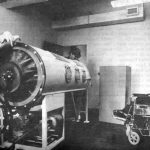
Why is Paul Alexander still in an iron lung? Born in 1946, Paul Richard Alexander was disabled at age 6 by poliovirus and he was paralyzed almost entirely. He has been placed in an “iron lung” for the last 70 years of his life. To this day, he has spent only a few moments of his life outside of the iron lung respirator machine. Despite that, he became a practicing lawyer and an author. Paul Alexander is 77 years old today. But after 71 years, why is Paul Alexander still in an iron lung? Let’s find out.
The Reasons Paul Alexander is Still in an Iron Lung
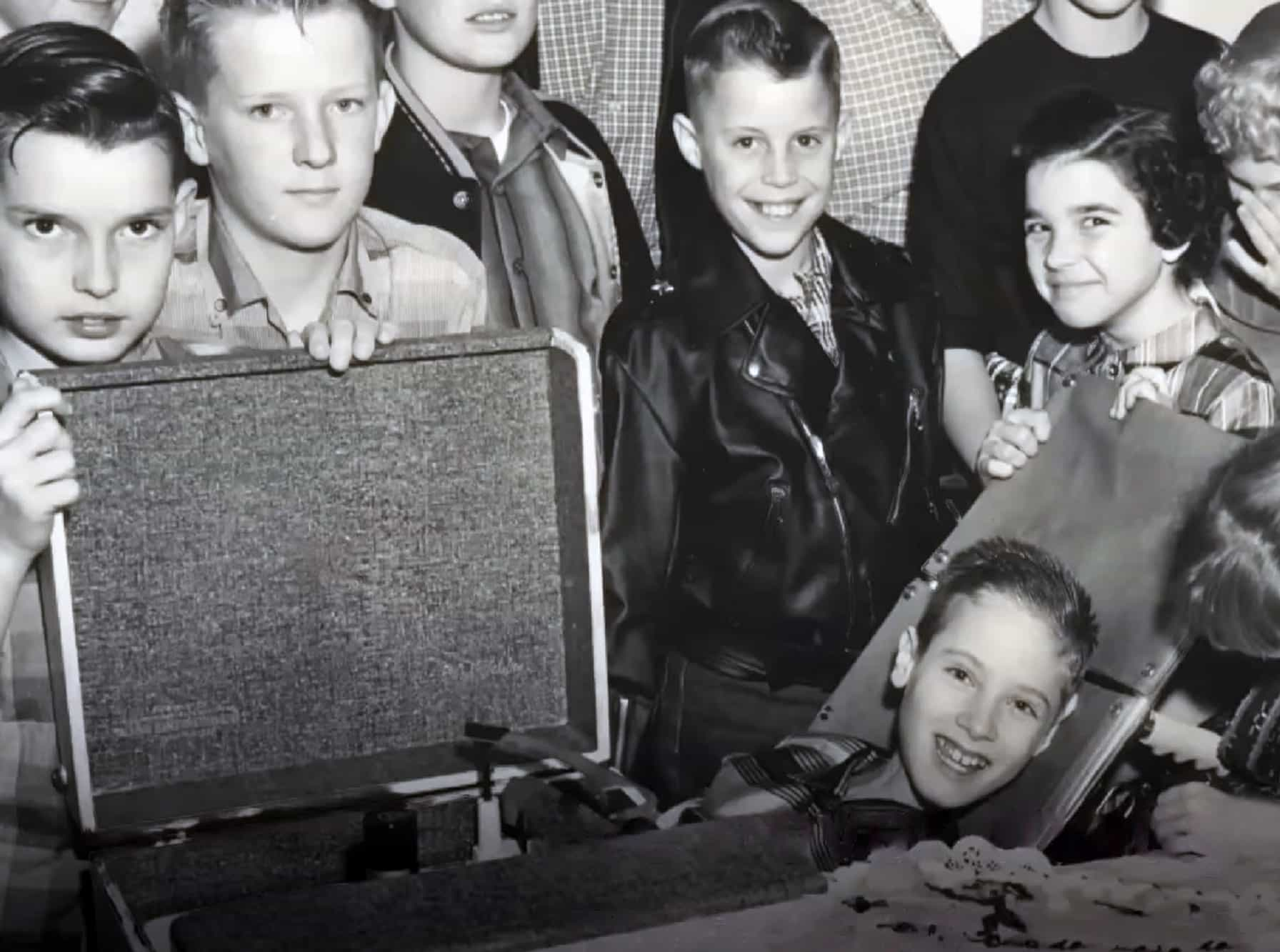
In the 1940s and 1950s, poliovirus was common and killed or paralyzed about 600,000 people around the world every year. When Paul Alexander got polio, there was no vaccine for it yet. Polio was spread all over the world before Dr. Jonas E. Salk and his colleagues in the U.S. made the first vaccine in 1955.
Despite the modern treatments, Paul Alexander is still using his iron lung in the bedroom of his modest Dallas apartment today. There are several reasons Paul Alexander is still in an iron lung:
“Natural Breathing”
According to his autobiography Three Minutes for a Dog: My Life in an Iron Lung—which he wrote in 2020 using a pencil he held in his mouth and typed on a keyboard using it—Paul Alexander tried all the modern-day ventilators that were invented after the iron lung.

But he always preferred the iron lung at the end. According to Paul, the iron lung always offered the most natural breathing to him.
That’s why a few patients still favor the traditional tank-style iron lung respirator for use during sleep, while switching to a more up-to-date model during the day.
However, the manufacturer of the iron lung went out of business, and the United States is home to all three of the world’s operational iron lung machines today.
In theory, since the lungs aren’t being artificially expanded, the iron lung is also healthier for poliomyelitis patients over time. However, since there aren’t enough individuals in need of a replacement for the iron lung, no companies have bothered to create a new iron lung.
Different Principles
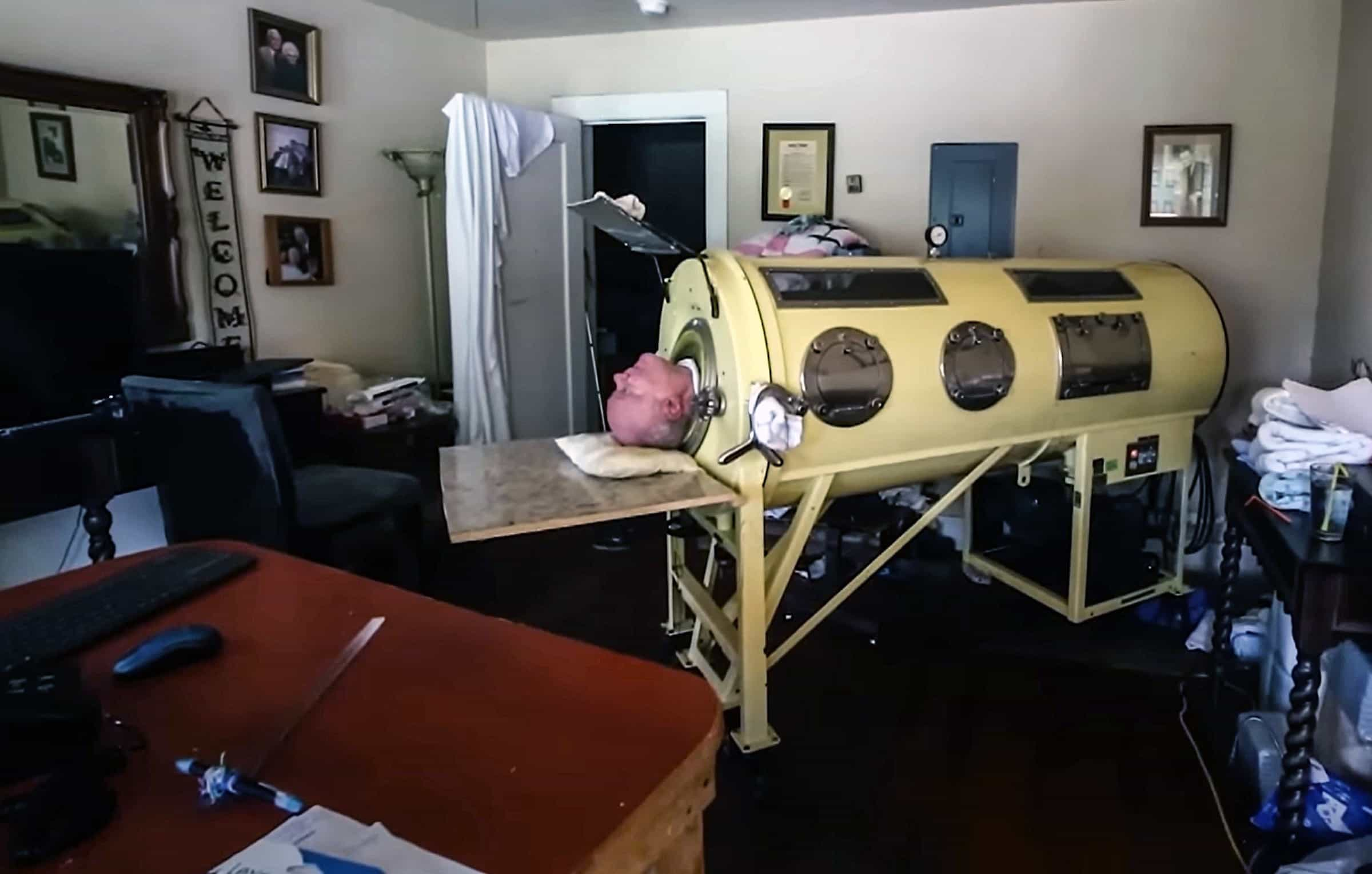
Modern iron lung replacements are called ventilators for short. In contrast to the iron lung, they operate on an entirely different concept. Iron lungs use negative pressure to push air out of the lungs and allow the lungs to expand on their own.
Ventilators, on the other hand, force air into the lungs through positive pressure and force the patient to inhale. In one of the interviews, Paul Alexander specifically pointed out that he doesn’t like this aspect of modern respirators.
Compared to a respirator, iron lungs put a lot less pressure on the patient’s airways, which could mean they do less damage.
When our bodies become accustomed to something, we no longer find other things as pleasant to use.
Complications
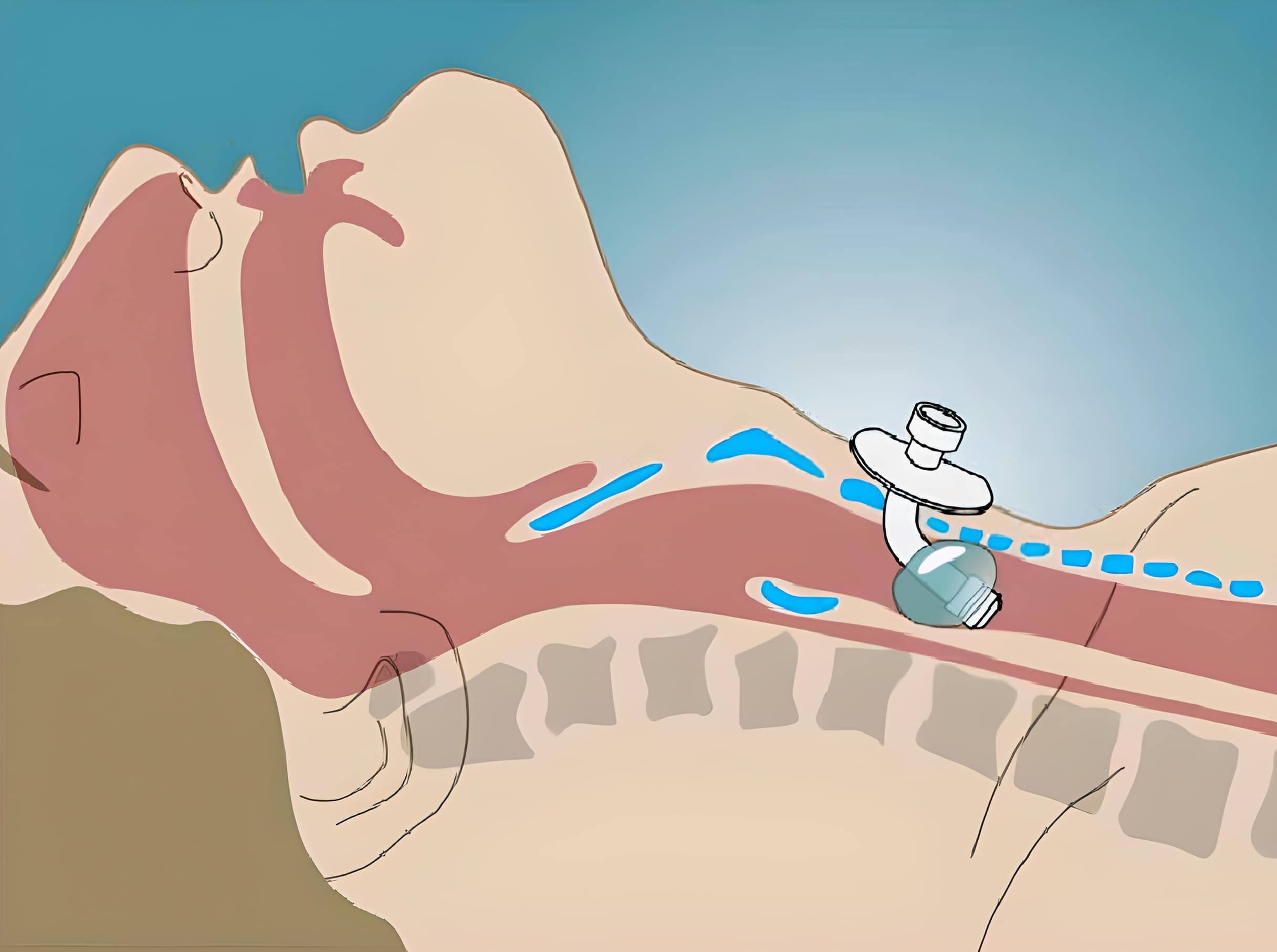
Many polio patients who stopped using the iron lung often went through a tracheostomy multiple times. In order to place a breathing device into the windpipe (trachea), a tracheostomy creates an incision in the front of the throat.
Alternatives to the iron lung, such as intermittent positive pressure breathing (IPPB), have a higher risk of infection, especially if the person has a tracheostomy.
Inflammation and lung edema are two additional problems that some patients face by using a positive-pressure respirator instead of the iron lung. This is one of the other reasons why Paul Alexander still prefers to be in an iron lung.
Living in an Old Machine
But replacement parts for iron lungs are getting harder and harder to find. This means that the few polio patients who still need them have to use a combination of ventilators and iron lungs.
For Paul, the iron lung has played a role in his life that has shaped how he perceives reality. Because living in an iron lung has already allowed him to have a “happy” life despite his immense disabilities.
He became an accomplished lawyer who also penned a book about his polio-era memories and how polio affected society in the United States.
Today, there are smaller, mobile ventilator alternatives—such as biphasic cuirass ventilation or the trilogy ventilator—that can do a similar job as the iron lung, but for Paul Alexander, there’s no meaning in trying to repair something that is not broken.
These are the reasons why Paul Alexander is still in an iron lung today. He finds breathing into the iron lung more natural and less risky than other modern ventilators.
With the advent of 3D-printed parts, there is now more hope that Paul Alexander’s iron lung will work indefinitely. In case of emergencies, there is always a trilogy ventilator lying next to his iron lung.
Bibliography
- Three Minutes for a Dog: My Life in an Iron Lung – Paul R. Alexander – Google Books
- Poliomyelitis – Who.int
- The Man in an Iron Lung (A Polio Survivor’s Story) – Special Books by Special Kids (YouTube)