Many mysteries surround Christmas, including the origins of Santa Claus and the 25th of December, the day we celebrate Christmas. Despite the fact that it has become more commercialized, Christmas remains a festival with profound roots in our culture. It’s hardly surprising that this holiday has a plethora of traditions because of this. However, their histories are often shrouded in mystery. For what reason is it that Christmas is always celebrated on December 25?
Christmas vs. the winter solstice
As the saying goes, “For on the 25th of December occurs this incision, which is a turning point, and it begins to grow the day when the light gets the increase…” (“Epiphanius,” 310–403 AD)
It’s not a fluke that Christmas is observed on December 24 and 25. It is not so much because Jesus Christ was traditionally born on this day, but because of the importance this day has always had throughout history, even before the advent of Christianity. This day, the winter solstice, was a gift from the gods. The winter solstice is the day at which daylight hours once again start to lengthen. Almost every culture and faith have a ritual or holiday honoring the “winning of the light over darkness.”
A celebration of the sun gods on the winter solstice
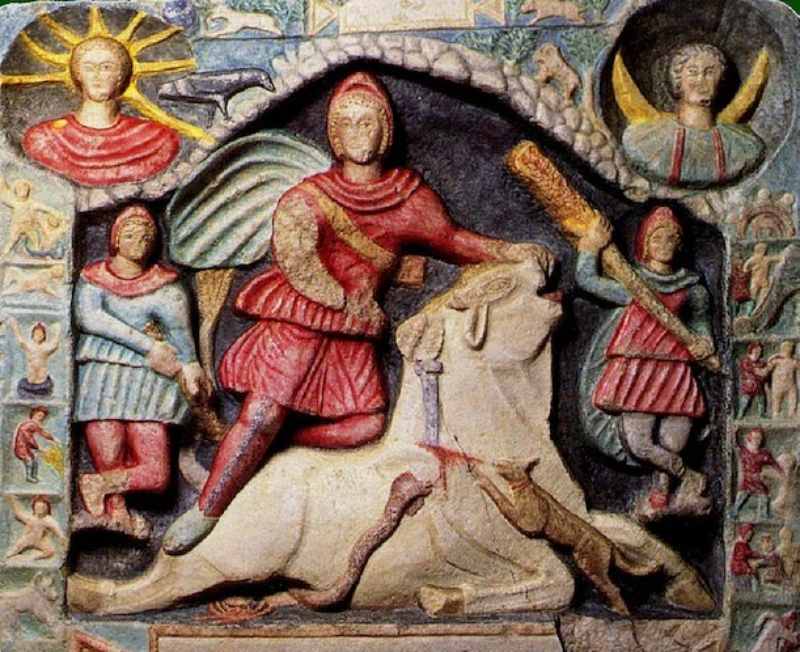
In the early centuries, Christianity was only one of many religions practiced in the Mediterranean area, and as a result, many different cults and practices merged. Mithraism was widely practiced, as were festivals honoring Dionysus, the deity of the Thracians. In ancient Greece, Dionysus was revered as a deity of growth and fertility. Days “grew” to show his impact on the world. Conversely, those who adhered to the Mithraic religion honored an Indian deity of light.
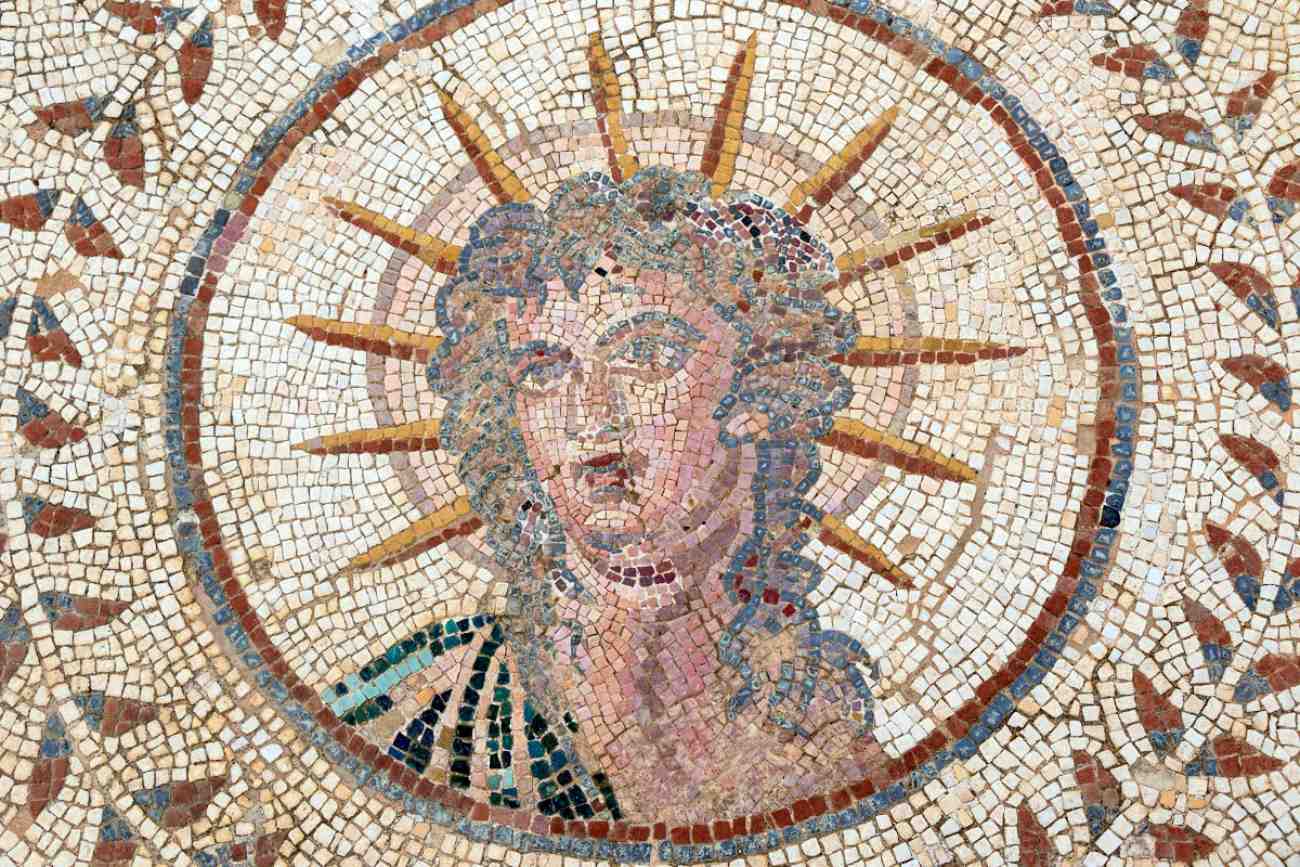
This faith spread from Mesopotamia and the Near East with the rise of the Roman Empire and was officially recognized as the Roman state religion in the 4th century CE. Since then, the winter solstice had been recognized as an imperial feast, the birth of the “Sol Invictus” (the “invincible sun”). Winter solstice celebrations honoring the birth of a deity are not unique to Christianity. In ancient Egypt, this same day marked the feast of the goddess Isis and the birth of the child Horus. Sol Invictus was originally a Syrian god. The Saturnalia, the festival of Saturn, was part of Sol Invictus worship as well.
When exactly was the birth of Christ?
Christianity faced severe competition from long-standing religions and traditions as it struggled to gain a foothold in the ancient world. To the first Christians, the only festival was Passover; they had not yet comprehended celebrating Jesus’ birth. Church authorities didn’t try to pin down certain dates in Christ’s life or the year he was born until after the new religion had already taken hold and grown. After that, they tried to form a calendar of celebrations.
According to the mythology and these calculations, Christ could not have been born in the midst of winter. The birth would have occurred between spring and fall if the “there were shepherds camping in the neighborhood” (Luke 2:8) hint was to be accepted, as it is the only time of year when Judean shepherds would have been outdoors with their flocks. This reasoning also hinted at the days of March 28th, April 2nd, or May 20th. Yet it was obvious from the start that these rather obscure dates would not be able to impose themselves against the well-established festivals of the “Pagan” cults. The church had to do something about it.
The incorporation of a Pagan holiday
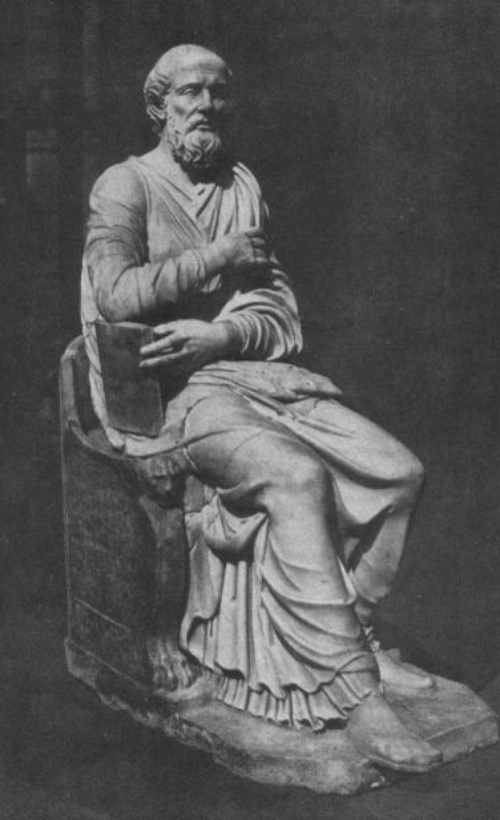
When Pope Hippolytus promoted December 25 as the date of Christ’s birth, the Church went on the offensive in the year 217. He planned to gradually inject Christian significance into the holiday’s traditional Pagan context. During this period, Christian belief and practice grew and gained more traction.
Everything was ratified in the year 330: Emperor Constantine made Christianity the official state religion of Rome and abruptly converted the ancient sun deity of Sol Invictus to the Christian god, who became known as “Lux Mundi” (Light of the World) and “created the sun of justice.” As a result, the date of Christ’s birth, December 25, has been set as a dogma of the Christian faith ever since the year 381.
However, it took many centuries for the new Christian celebration to triumph over the preexisting Germanic and Celtic sun and fertility rituals around the winter solstice in Central and Northern Europe. It wasn’t until a synod in central Europe in 813 that December 25 was officially recognized as a universal church feast instead of a Pagan festival.
Bibliography
- Allen Brent, 1995. Hippolytus and the Roman Church in the Third Century. Leiden: Brill. ISBN 978-90-04-10245-3.
- Johannes Quasten, 1953. Patrology: the Anti-Nicene literature after Irenaeus. Westminster, MD: Newman.
- Gaston Halsberghe, 1972. The Cult of Sol Invictus.
- Hijmans, S, 2003. “Sol Invictus, the winter solstice, and the origins of Christmas”. Mouseion Calgary.