It only takes an aroma to evoke the warmth of an ordinary morning, the promise of a new beginning. Coffee has established itself as the faithful companion of waking up, far beyond being just a stimulant. If this daily gesture brings so much comfort, it is not only a matter of taste or routine. The effects of coffee on mood are beginning to reveal their secrets, and science is paying close attention.
Coffee: a universal morning ritual
Every morning, billions of people unknowingly share the same gesture. If this ritual is so deeply rooted, it is not just about taste or habit. It is also a matter of the brain.
A study conducted by the Universities of Bielefeld and Warwick on more than 230 young adults revealed that positive emotions—such as enthusiasm or a sense of well-being—were significantly enhanced after drinking coffee in the morning. These results did not come from a closed laboratory. Participants were followed in their daily lives through an app that asked them to rate their mood seven times a day, specifying whether they had consumed a caffeinated beverage in the previous 90 minutes. This protocol, known as the “experience sampling method,” allows for greater ecological validity.
The researchers observed that the link between caffeine and mood was particularly strong within the first two and a half hours after waking. Beyond that window, the positive effects faded, only to reappear slightly at the end of the day. This consistency sheds new light on the biological dimension of this small morning pleasure.

Coffee’s effect on mood depends on timing
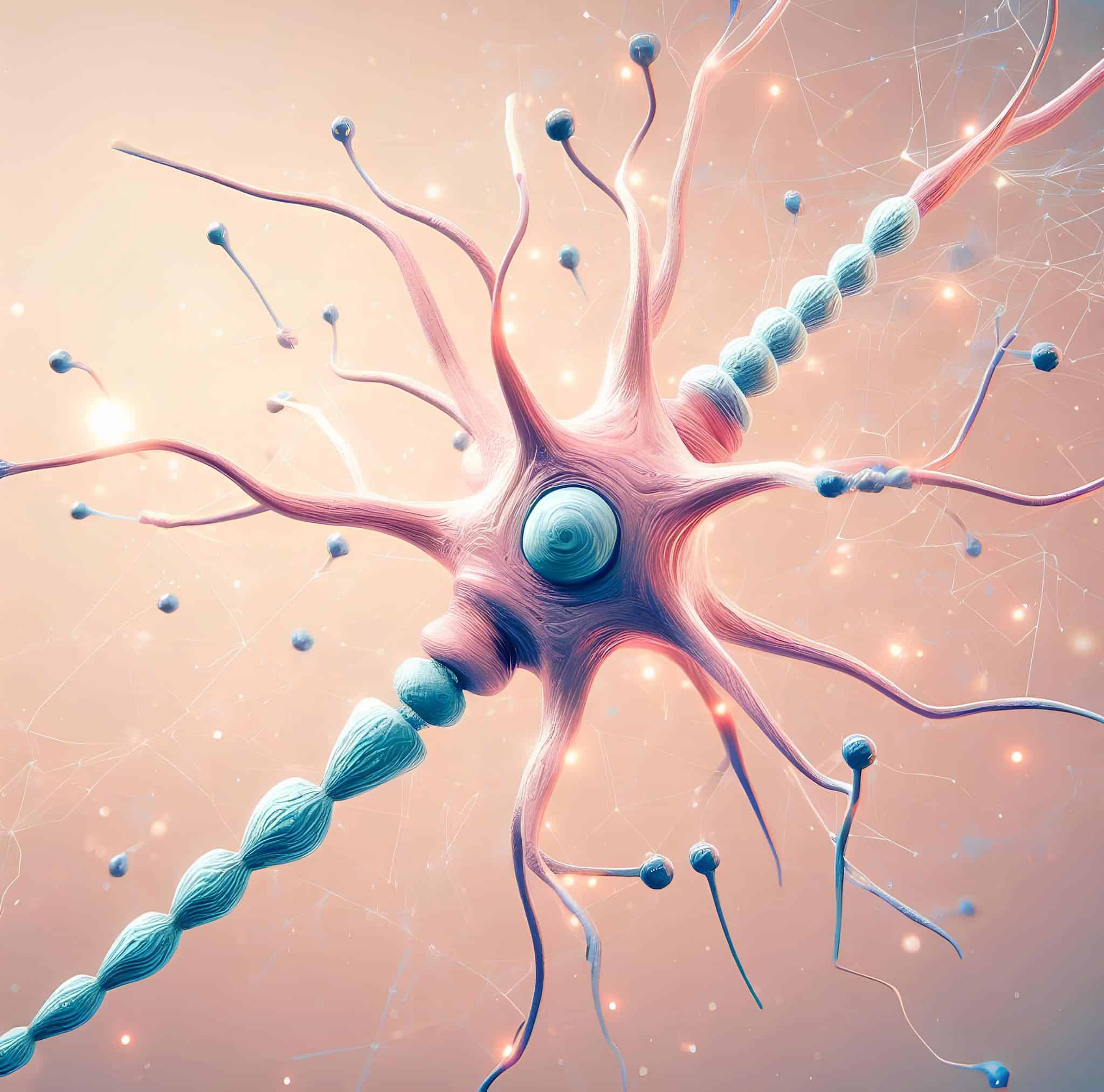
Why does caffeine act more strongly in the morning? Part of the explanation lies in our chronobiology. During the night, our level of adenosine increases. This molecule slows neuronal activity and promotes sleep. By blocking adenosine receptors, caffeine triggers greater release of dopamine and norepinephrine, which increases alertness and supports a more positive mood. The effect is all the more pronounced because the body is emerging from a long caffeine fast, as is often the case upon waking.
It is also possible that morning coffee has a stronger psychological impact. Simply anticipating this comforting moment could trigger an enhanced placebo effect, amplifying caffeine’s chemical action. Moreover, according to the study published in Scientific Reports, this well-being peak does not depend on habitual consumption levels, sleep quality, or even pre-existing anxiety or depressive states. It is an almost universal response.
The study’s authors also note that coffee seems to enhance positive emotions more than it reduces negative ones. For example, it increases feelings of contentment but does not significantly affect anxiety. This suggests that caffeine acts as an amplifier of pleasant emotions, rather than as an anxiolytic.
A brain mechanism that goes beyond taste
What this research confirms is that the effects of coffee on mood are not solely due to conditioning or reverse withdrawal. Even people who are not very dependent on caffeine experience a positive impact, which contradicts the theory that only the relief of withdrawal symptoms is at play.
Another factor comes into play: the social context. Interestingly, the emotional benefits of coffee were less intense when participants were surrounded by other people. This may be because social stimulation already acts as an emotional activation lever, reducing the margin of coffee’s impact. Conversely, when subjects reported being more tired than usual, caffeine triggered a clearer improvement in their mood.
The Bielefeld researchers nevertheless emphasize caffeine’s limits. While it temporarily improves mood and alertness, it can disrupt sleep if consumed late in the day. And excessive consumption is still associated with known risks, such as irritability or dependence. That said, these side effects appeared only in a minority of individuals in the findings relayed by SciTechDaily, and did not undermine the positive link between coffee and morning mood.
Thus, science confirms what instinct long suggested: coffee, taken at the right moment, is more than just a drink. It acts as a catalyst for energy and good humor—a true biological and emotional lever for starting the day right.