The origin of the term “Halloween” has long been a mystery. It’s an abbreviation for “All Hallows’ Eve,” which means All Hallows’ Day (All Saints’ Day). Halloween’s origin dates back more than 2,500 years to when the Pagan people were celebrating a festival that was then called Samhain. Both the new year and the dead were honored during this Celtic and Gallic festivity. The druids kept the new fire burning, and the celebrations included ritual sacrifices, mead-sharing, and a feast. So, how was Halloween practiced among the Celts? The American celebration of St. Patrick’s Day has its roots in Ireland; therefore, what Irish tale gave rise to these traditions? Discover where and when this autumnal custom of Halloween originated.
What is the origin and meaning of Halloween?
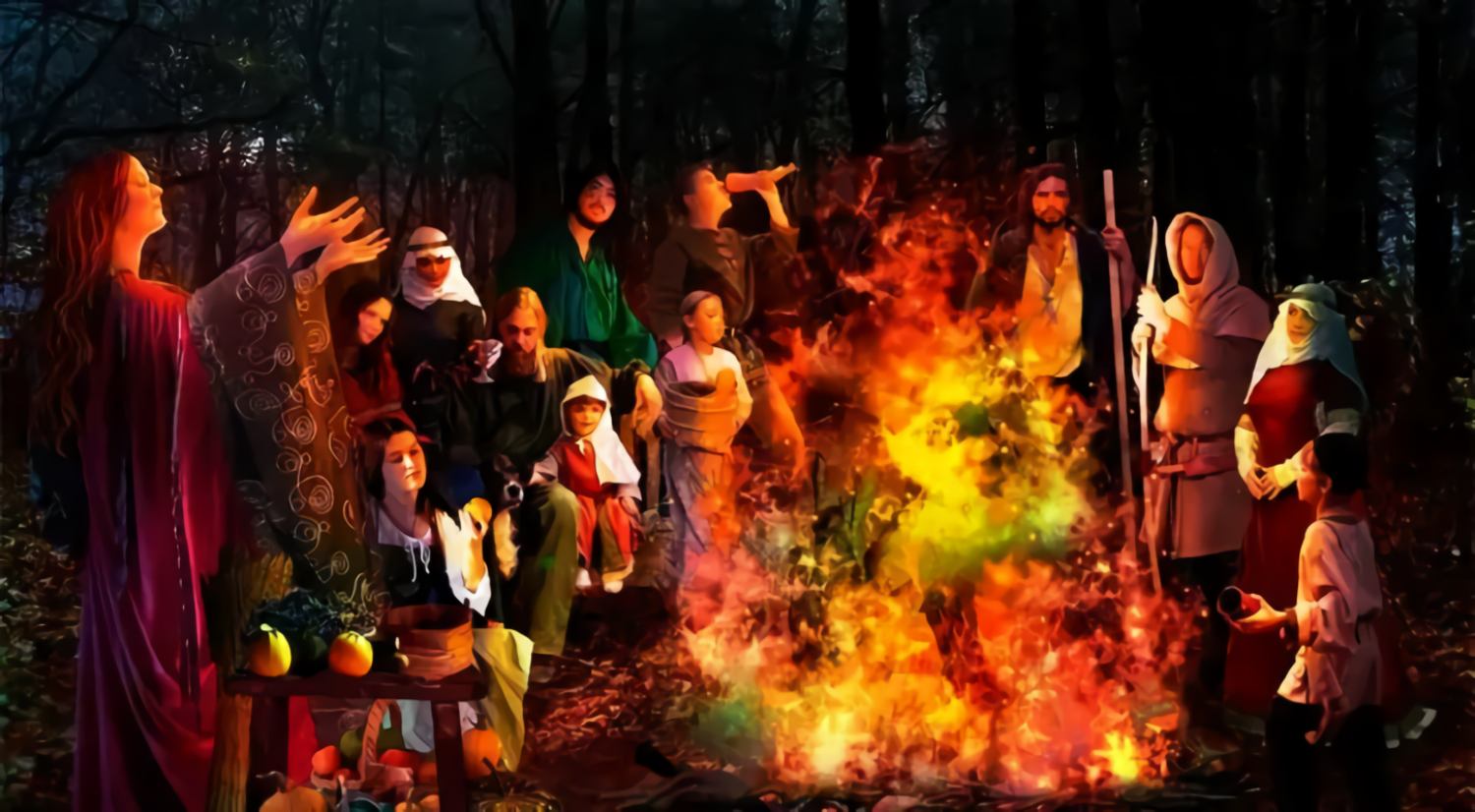
Samhain, a Celtic celebration with spooky overtones, is where Halloween gets its start. Samhain, which means “end of summer” in contemporary Gaelic, is the name of the month of November. More than 2,500 years ago on a full moon night in October, when the Celtic year came to a close in Ireland, Great Britain, and northwest Gaul, this ritual festival was organized to celebrate the upcoming new year. This event was already celebrated in several countries during this historical period.
There are two distinct halves to the Celtic calendar year, the dark half starting on Samhain (November 1) and the bright half commencing on Beltane (May 1), and both are as significant. There were also two distinct seasons in Western European countries—winter and summer—because of the region’s moderate and humid environment. The community’s pace of life shifted as summer winded down. Herds were brought inside for the winter, relieving farmers of their duties during this season.
Why is Halloween celebrated on October 31st?
Unlike the Gregorian calendar based on the sun, the lunar calendar used by the Celts meant that the dates of their most important festivals were not set in stone. Samhain was celebrated precisely on the night of the next full moon. Therefore, that is why October 31 is chosen as the date for Halloween for “convenience.” Samhain was more than just a religious celebration at the beginning of the new year since it symbolized the opening of the bridge between the living and the dead.
The feast of Samhain, the ancestor of Halloween
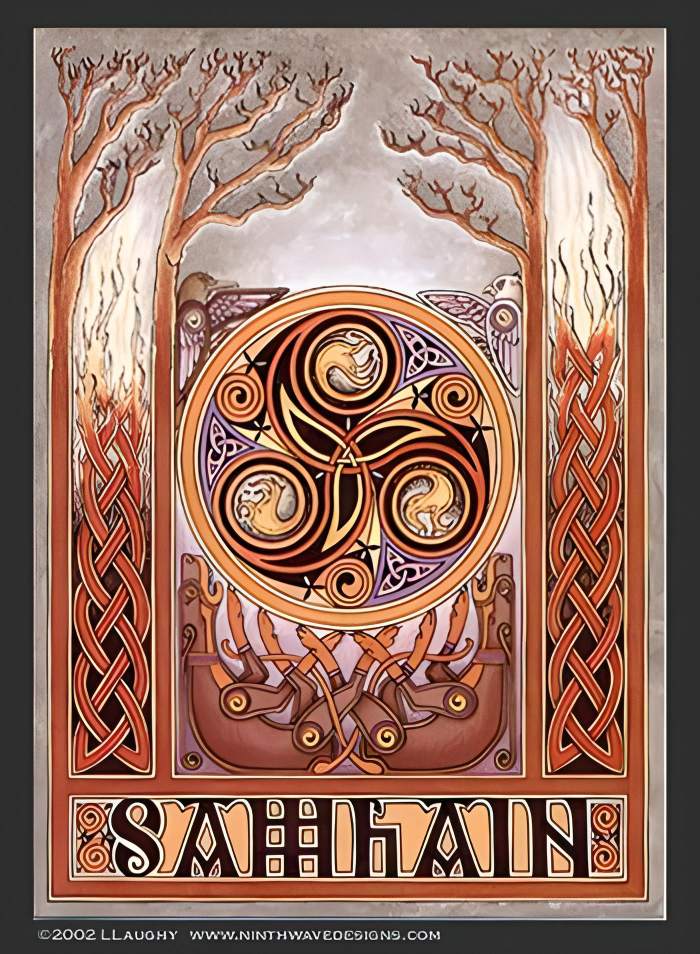
Samhain is a 7-day celebration that begins three days before the full moon and continues for another three days thereafter. It is mandatory for everyone to join, regardless of their social standing, or they are punished by the gods. There are lots of pork, beer, mead, and wine during the Samhain feast. Pig, a god of destruction and terror, is revered as a holy foodstuff that grants eternal life. On the other hand, mead is a honey-water alcoholic beverage.
This festival is intended to create bridges between the two worlds (those of the living and the dead), where everyone is invited to come to the other side. This allows the deceased to lose their gift of invisibility. It is a celebration in the sense that people meet “in the middle” of the actual and imaginary worlds.
Celtic languages have a shared etymology for the words “middle” and “drunkenness.” In addition to the usual fare of sacrifices and lighting a new fire, the Samhain celebration also included ritualized games and musical performances. For the druids to reignite a new fire in every home and usher in the new year, the Gauls put out their old fires.
In addition to being a religious holiday, Samhain also served as a political, military, and commercial event when deals were sealed. Although it was mostly a peaceful celebration, the renewal of the king’s authority served as a fitting capstone to the occasion.
The Roman invasion had an impact on Celtic culture since it introduced a harvest festival in honor of an Etruscan goddess named Pomona. Since Christianity condemned the Pagan practice, it was eventually replaced by the All Saints’ Day holiday celebration. Despite the destruction of their ancient temples, Pagan practices continued. The celebration of All Saints’ Day became an official holiday in Europe in 837. Thus, Halloween or Samhain was pushed back to be celebrated on October 31st, a day earlier than usual.
From turnip to pumpkin: the Celtic legends reached America
Following the potato famine (the “Great Famine”) of 1846–48, many Irish emigrated to the United States, bringing with them a wealth of folklore, including their renown Samhain festival, which over time turned into today’s Halloween.
The origin of the pumpkin on Halloween
You’ve certainly heard the story of Jack O’Lantern, the drunkard who was sent out of heaven on October 31 for daring to play jokes on the devil before he was later killed. Jack O’Lantern was condemned to wander in the dark with a lantern for all eternity. The lantern was a turnip he was munching on, and the candle he placed inside to protect it from the wind.
At the end of the 19th century, Halloween was made a national holiday in the United States for the first time. US citizens started to celebrate Halloween with its associated custom of “Trick-or-Treating,” going from door to door in search of sweets. And the pumpkin, since it is much simpler to carve than the turnip, became the primary emblem of Halloween.
As for the kids going door to door asking for candy, that practice has its roots in Irish culture, where it was common for the impoverished to beg food from the more well-off. The witches and wizards, as well as the concept of threatening the people with a nasty fate if they refuse, are both relatively modern developments.
Movies about Halloween
Friday the 13th, a 1980 horror film directed by John Carpenter, adds more suspense to Halloween. This includes the original 1978 Halloween movie from the same director that went on to become the focus of a long-running, critically acclaimed series.
In 2022’s Halloween Ends, the myth is revived once again, cementing the festival’s reputation as a party that is both innocent for children and a source of overflowing and terrifying imagination for the older ones.
Tradition and commercialism collide at Halloween
Even today, people in Scotland and Wales continue to gather around bonfires as a symbol of Samhain or Halloween since it is a custom that originated in the Celtic culture. Halloween games involving fruit, such as jumping into a pool to grab apples, or apple bobbing, are a tradition in both the United States and Britain that hearken back to the Roman harvest festival.
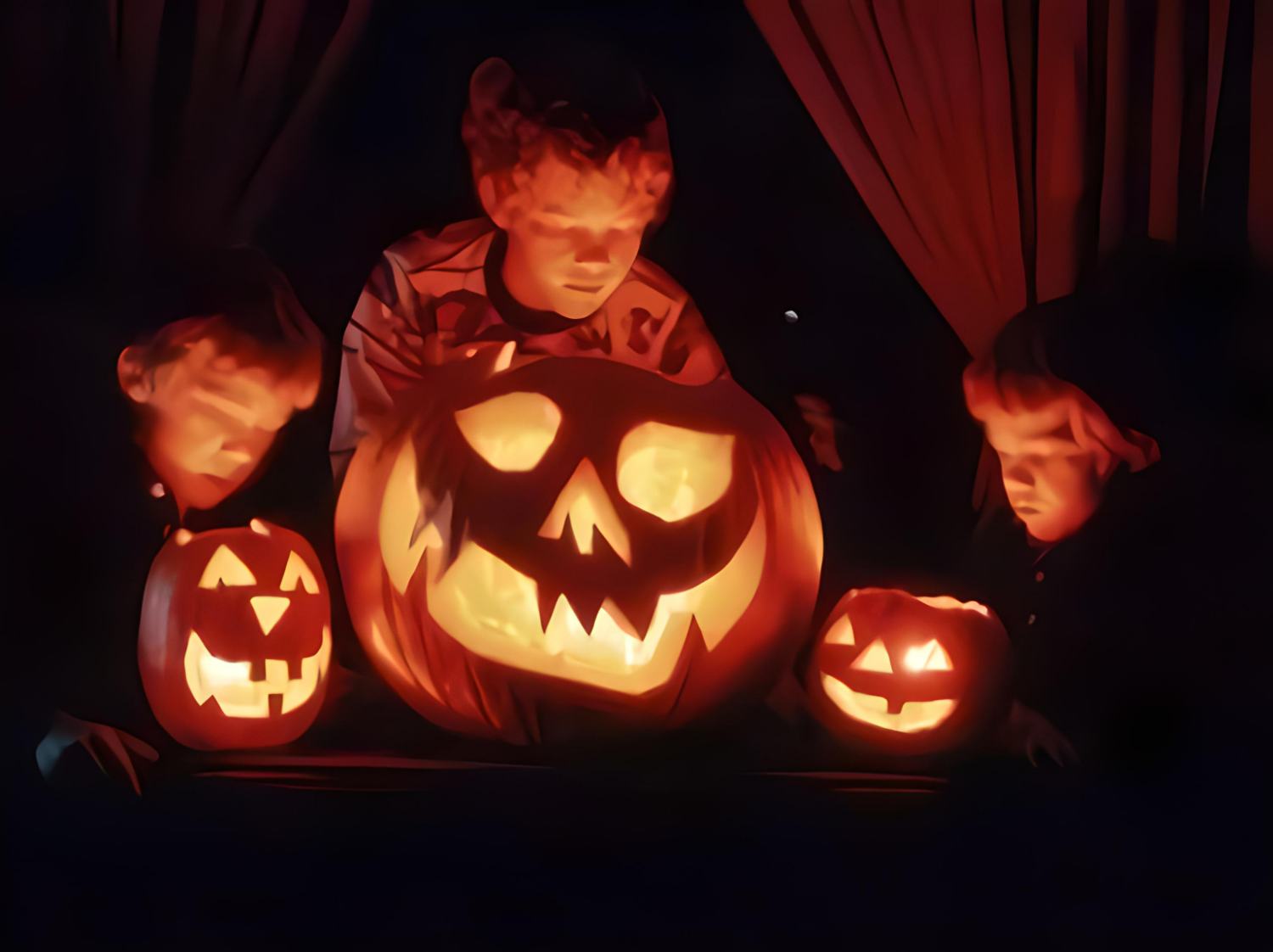
The tradition of using candlelight to illuminate carved pumpkins, the “Jack-o’-lanterns,” in the form of hideous masks dates back to the same Roman harvest festival.
Particularly in the latter half of the 20th century, Halloween became one of the largest holidays in many European countries, third only to Christmas and Easter. However, as Europeans already have many historical celebrations and Halloween has become too commercial, the holiday has lost its magic in Europe.
The distinction between the Day of the Dead celebration (which originated in Mexico) and Halloween is worth noting. The former is celebrated on November 2nd to remember the deceased, and it does not have a connection with Halloween.