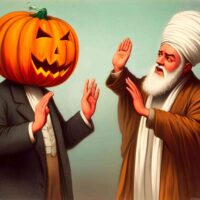
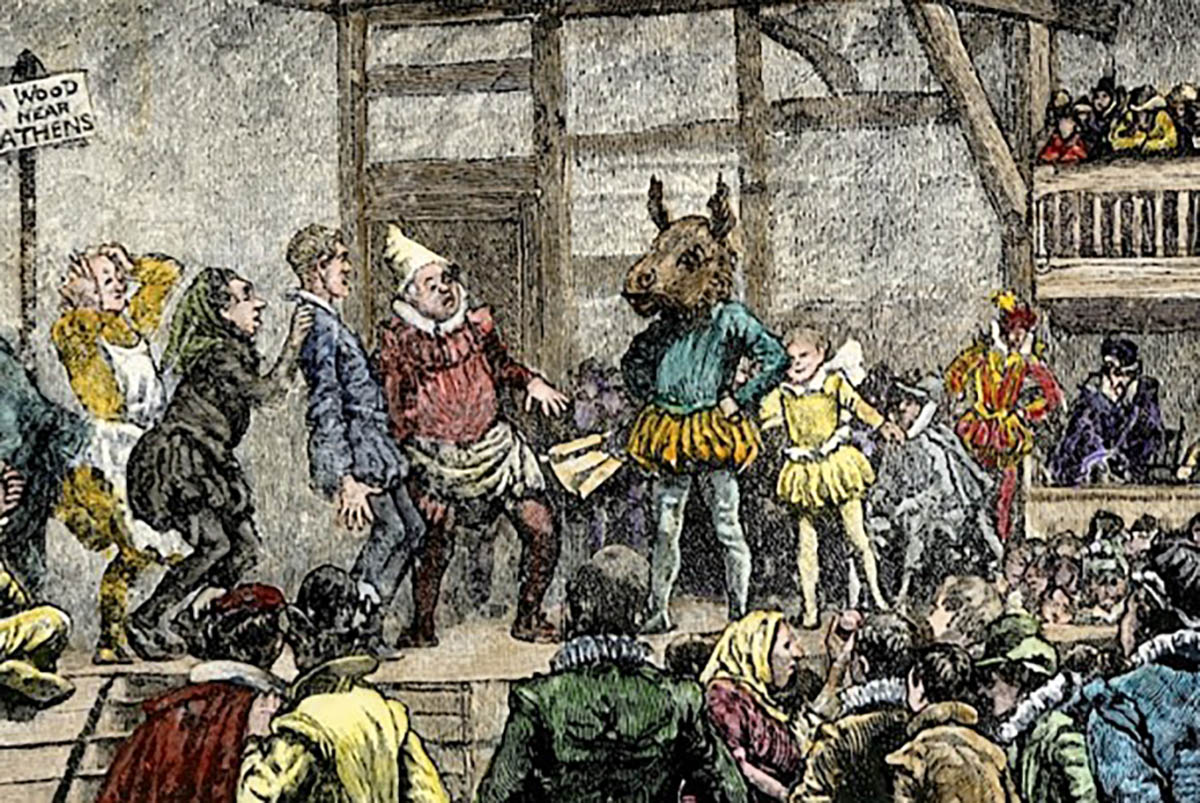
Every October thirty-first across North America and increasingly around the world, neighborhoods fill with carved jack-o’-lanterns, spiderwebs, and costumed children going door to door for candy. For Jewish families living in predominantly Christian or secular neighborhoods, Halloween raises a nuanced annual question: do Jewish people celebrate Halloween? While individual practice varies across Orthodox, Conservative, and Reform communities, strict Jewish religious law generally avoids the October holiday—yet as anyone who has ever attended a synagogue in early spring knows, Judaism already possesses its own ancient, exuberant festival of costumes, masks, treats, and noisy revelry that makes Halloween almost redundant: Purim.
Halakhic Concerns: Why Traditional Judaism Avoids October 31
In classical Jewish law (Halakha), the question of whether a Jewish person may participate in a non-Jewish holiday on the secular calendar hinges on a biblical and Talmudic principle known as Chukkat HaGoyim (“the statutes/customs of the nations,” derived from Leviticus 18:3). According to the great medieval codifiers Maimonides (the Rambam) and the Shulchan Aruch, Jews are prohibited from adopting practices that originate either in foreign religious worship (Avodah Zarah, idolatry) or in superstitious occult customs that lack a rational explanation.
Because Halloween traces its historical roots to two non-Jewish religious and folkloric sources—the ancient Celtic pagan harvest festival of Samhain (when bonfires were lit and masks worn to ward off wandering spirits of the dead) and the medieval Christian vigil of All Hallows’ Eve preceding All Saints’ Day—different branches of modern Judaism approach the night differently:
- Orthodox Judaism: Generally prohibits celebrating Halloween, putting up skull and ghost decorations, or sending children out trick-or-treating, both because of its pagan/Christian origins and because Judaism views death with solemn dignity rather than playful macabre mockery.
- Conservative and Reform Judaism: Many modern Conservative and Reform rabbis and families take a pragmatic view, arguing that in twenty-first-century America, dressing a five-year-old up as Spider-Man or a princess to collect chocolate bars from neighbors is a completely secular civic neighborhood activity devoid of any religious worship—often encouraging families to participate while collecting coins in charity boxes (tzedakah) for organizations like UNICEF and ensuring any candy eaten is certified kosher.
Purim: The Joyous “Jewish Halloween” That Came First
The biggest reason many traditional Jewish children never feel deprived when skipping October thirty-first is that roughly four months later—on the fourteenth day of the Hebrew month of Adar (falling in late February or March)—every synagogue and Jewish street erupts for Purim, a holiday that shares almost every single fun element of Halloween, minus the gore and ghosts.
Commemorating the dramatic fifth-century BC rescue of the Jewish people in the Persian Empire from the genocidal plot of the royal vizier Haman—as recorded in the Book of Esther (the Megillah)—Purim has been celebrated with masquerades and carnivals since at least the fourteenth and fifteenth centuries in Renaissance Italy:
- Elaborate Costumes and Masks: Just as Queen Esther hid her true Jewish identity inside King Ahasuerus’s palace until the critical moment—and just as God’s name is “masked” behind seemingly random coincidences throughout the Book of Esther—children and adults alike dress up in elaborate costumes (from Queen Esther and King Mordecai to superheroes, astronauts, and comedians) to attend synagogue and street parades.
- Delivering Treat Baskets (Mishloach Manot): Instead of knocking on doors demanding “trick or treat” to receive candy for oneself, Purim flips the script into an act of generosity. Every family is commanded to send Mishloach Manot—decorative gift baskets containing at least two ready-to-eat foods and drinks, overflowing with triangular jam- or chocolate-filled cookies called hamantaschen—to friends, neighbors, and acquaintances, alongside mandatory charity gifts to the poor (Matanot La’Evyonim).
- Noisy Revelry and Spoofs: During the public reading of the Scroll of Esther in the synagogue, every time the villain Haman’s name is read aloud (fifty-four times!), children spin loud wooden or metal noisemakers called groggers, stomp their feet, and boo to blot out his name, followed by comedic Purim plays (Purimspiels) and festive banquets where even the most solemn scholars are encouraged to celebrate with unbridled joy.