Due to its strong associations with Mexican culture, the Day of the Dead is not generally observed in Spain. The celebration has its roots in pre-Columbian Mexico, namely the Aztecs, who observed a whole month in honor of the deceased. Skeletons sing and dance as flowers, fruit, and sweets adorn ofrenda altars on this celebration that embraces death as a part of life. Instead of the Day of the Dead, Spain celebrates Dia de Todos los Santos, or All Saints’ Day, on November 1, which is a Catholic feast day.
-> See also: Why Are Owls Associated with Halloween?
Reasons Why Spain Does Not Celebrate the Day of the Dead
The Day of the Dead has great significance in Spanish-speaking Mexico and other Central American countries, but it is not a festival that is observed in Spain. Several of the following explain why:
- Roots in Culture: The Day of the Dead has its origins in ancient Mesoamerican traditions, primarily among the Aztecs and other indigenous peoples of what is now Mexico. As a result of its deep-rooted history, Spain has developed its own set of customs and holidays that are distinctive to the country.
- Celebrations of Faith: Spain’s rich Catholic background is reflected in the fact that many of the country’s recognized festivals have a religious focus. Maundy (“Holy”) Thursday, Good Friday, Easter Monday, Corpus Christi, the Feast of Saint James (July 25), and All Saints’ Day (November 1) are all examples of some Christian holidays observed in Spain.
- Different Rituals: Spain has its own rituals for commemorating the departed. On November 1st, the Spanish observe All Saints’ Day (Dia de Todos los Santos) by paying their respects at the graves of their ancestors and friends.
- Disconnection: the Day of the Dead celebration did not emerge until well after the Spanish occupation of Mexico. As such, it cannot be traced back to any part of Spanish history or religion.
What is the Day of the Dead?
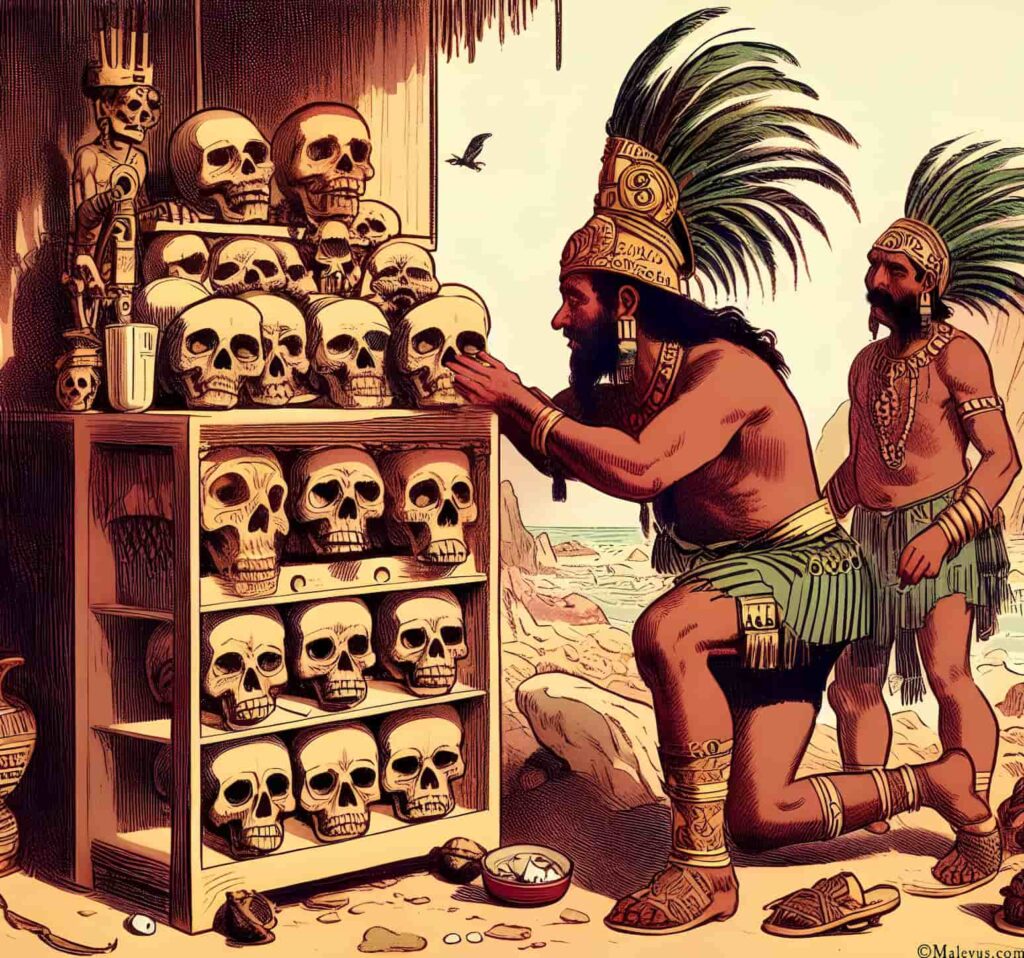
The roots of the Day of the Dead stretch back approximately 3,000 years. It is an ancestral Mesoamerican funeral rite of many other Latin-American festivals today. During the Day of the Dead, people in Mexico and other Central American countries pay their respects to the dead by visiting cemeteries and preparing ofrendas, or altars, as sacrifices for the departed spirits.
Day of the Dead festivities developed 1,000 years after the Aztecs began using skulls to commemorate the dead. A prominent emblem in the yearly festival to respect and converse with the departed is a skull, just like those originally put atop Aztec temples. This Aztec practice has persisted for almost another 600 years.
Even if the dead don’t eat the candy skulls, sugar skeletons, and delicious pan de muerto (bread of the dead), there are plenty of others who will be pleased to do so. Cempasuchil, or yellow marigolds, are another typical ornament of this celebration.
The date of the celebration was altered from the end of July to the beginning of August on the Aztec calendar so that it would fall on All Hallows’ Eve, or Dia de Todos Santos. Therefore, the first two days of November are dedicated to commemorating the Day of the Dead.
Spanish Traditions That Are Similar to the Day of the Dead
No Spanish customs are carbon copies of the Day of the Dead but there are parallels to be found.
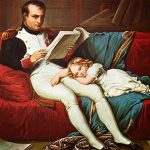
-> All Saints Day: On November 1st, Spaniards observe All Saints Day, a holiday that is far more solemn and devout than the secular Day of the Dead. On this day of remembrance, many people pay a visit to cemeteries.
-> Altars: The Day of the Dead and Spanish customs both make use of altars. Some Spanish homes have built-in shrines to remember loved ones who have passed away, Mexican homes create ofrendas, or offerings, for the departed.
-> Flowers: The Spanish and Day of the Dead cultures both value flowers greatly. In Mexico, homes are decorated with yellow marigolds (or cempasuchil), while in Spain, flowers are brought to the graves of the departed.
-> Food: The Day of the Dead and Spanish culture both place an emphasis on food. In Mexico, relatives put delicacies of their dead on the ofrendas, whereas in Spain, families bring food to the graves of their departed ones.
Countries That Celebrate the Day of the Dead
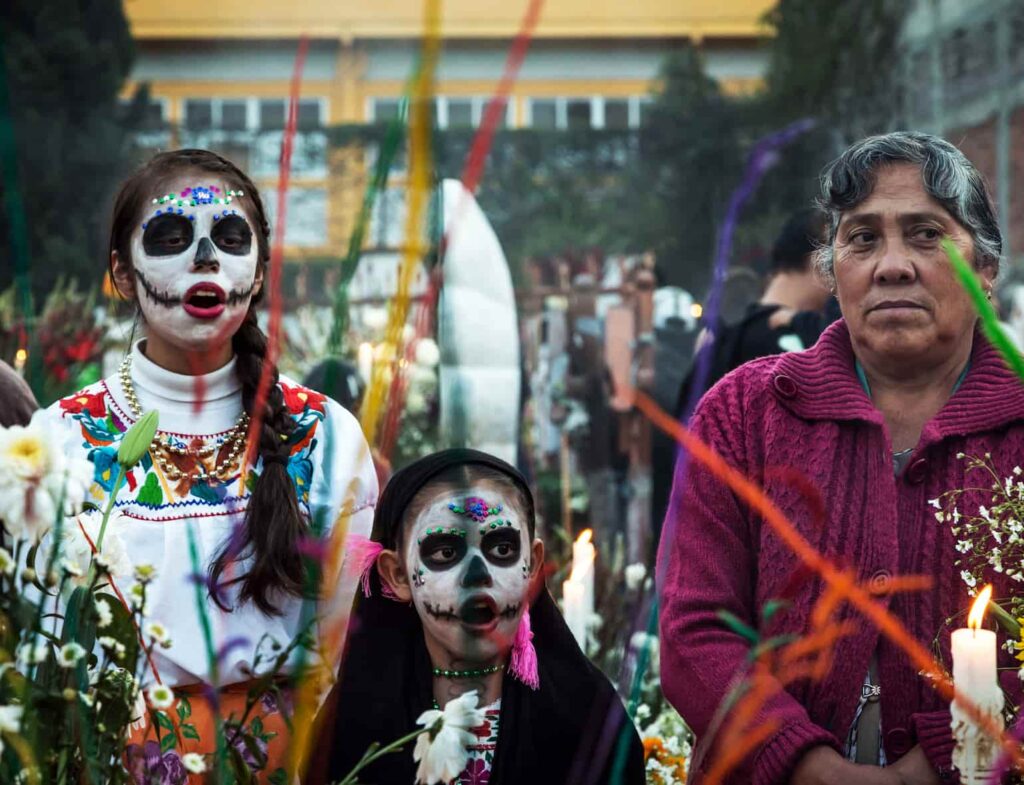
This celebration has spread over the globe, particularly to places with sizable Latino populations. How it’s celebrated in those countries is as follows:
The United States: The United States celebrates the Day of the Dead in regions with sizable Mexican-Americans. Parades, fairs, and other activities are held just like in other countries. Many Americans who are not of Latin heritage also celebrate the holiday due to its incorporation into popular culture.
Mexico: The Day of the Dead is deeply embedded in Mexican and Chicano culture. In Mexico, families celebrate the return of their ancestors’ spirits with a meal, drinks, and a short reunion. Each year, the holiday lasts from November 1 to November 2. It is a national holiday and has been named Intangible Cultural Heritage by UNESCO. The day is marked with music, dancing, and parades.
El Salvador: During the first week of November, El Salvadorians celebrate La Calabiuza, their version of the Day of the Dead. Similar to Mexico’s customs, many inhabitants dress up as skeletons and dance around the city, some even carrying torches.
Guatemala: In this country, the Day of the Dead is commemorated with the Kite Festival, during which people release kites bearing tributes to the departed. It is called the Barriletes Gigantes Festival and takes place on November 1st. Literally, this means the Festival of Huge Kites.
Ecuador: On November 1st and 2nd, Ecuadorians commemorate El Dia de los Difuntos, or Day of the Deceased, with festive gatherings, meals with loved ones, and sweets with unusual shapes, like the guaguas de pan pastry, which is fashioned like a baby.
Haiti: Bringing together elements of both African Voodoo and Catholic customs, the Day of the Dead is commemorated in Haiti with a festival known as Fêt Gédé. Visits to cemeteries, building ofrendas, and adorning altars with candles, flowers, and other gifts take place on the first two days of November.
Philippines: Undás (All Saints’ Day or All Souls’ Day) is the Philippine equivalent of the Day of the Dead. The focus of their ceremonies is family and the memory of their relatives, and they include parades and feasts.
Peru: The graves of departed loved ones are honored with musical performances and floral offerings at Peruvian funerals.
Bolivia: After the festivities associated with All Saints Day in early November, the people of La Paz, Bolivia, observe Dia de las Ñatitas (or “Day of the Skulls”). On November 9th, the decorated and dressed skulls of deceased people are displayed in homes as a form of protection and vigilance. They also make sacrifices to the skulls, including cigarettes, coca leaves, wine, and other stuff.
History of the Day of the Dead
Dia de los Muertos, the Day of the Dead, is a Mexican celebration with origins in pre-Hispanic Mesoamerican traditions around 1000 BC. The celebration combines elements of Spanish tradition, Christian theology, and Mesoamerican ceremony. Celebrations commemorating the deceased on this day have their roots in pre-Columbian Mesoamerican cultures.
Death was seen as a natural and necessary part of the cycle of life by the Nahua people, including the Aztecs, who formerly inhabited what is now central Mexico. People who died were thought to visit Chicunauhmictlan, or the Land of the Dead. It took the soul many years and nine more difficult levels to reach Mictlan, the last resting place.
During Nahua ceremonies performed in August to honor the dead, loved ones would bring offerings of food, drink, and tools to help the departed on their journey. This sparked the modern custom of placing food and other gifts on graves or on improvised altars called ofrendas in honor of the dead on the Day of the Dead.
Following the Spanish conquest of the Aztec Empire in the 16th century, Catholic and Christian tenets were gradually infused into the Indigenous people’s funeral rites. The dates of the holiday are always the 31st of October to the 2nd of November. At midnight on October 31, the gates of heaven are said to be opened so that the souls of children might spend a day with their loved ones again. On November 2nd, ancestors of adults may do the same.
Different nations and faiths today observe the Day of the Dead in their own unique ways, reflecting the holiday’s development throughout time. It was created and has the largest following in Mexico, but individuals of Mexican descent celebrate it all over the world. Despite its Mexican roots, this practice has gained widespread acceptance.